Artwork
Cléo de Mérode
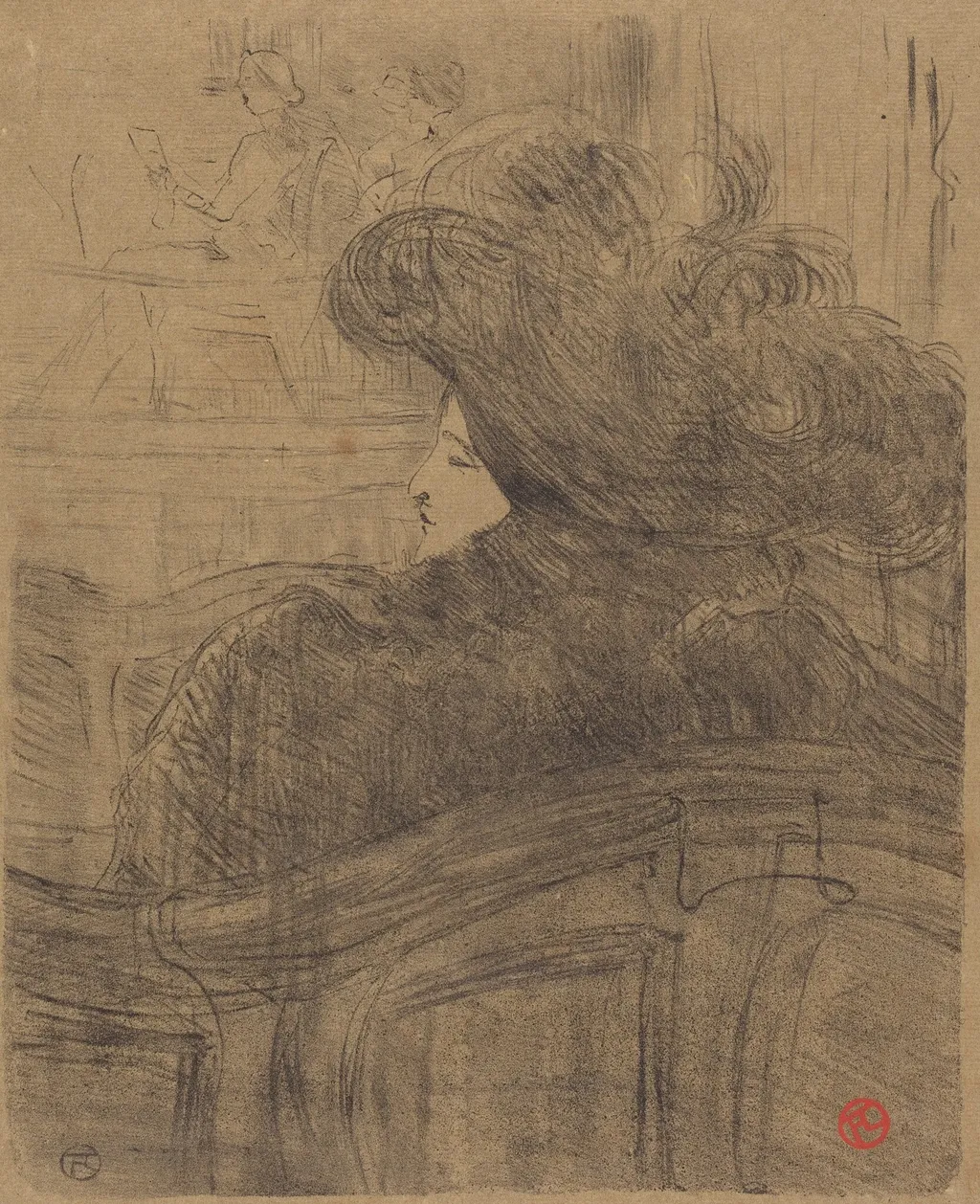
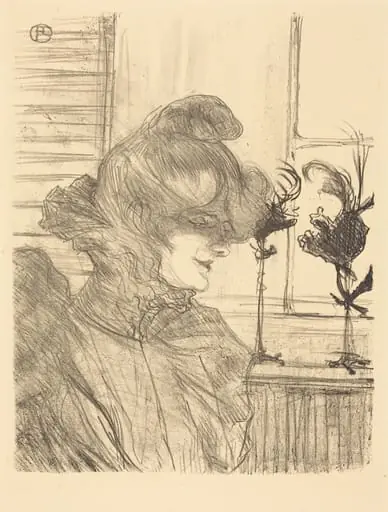
Cléo de Mérode is an ink print by the Impressionist artist Henri de Toulouse-Lautrec. It dates from 1896 and is held in the collection of the National Gallery of Art.
About this work
Overview
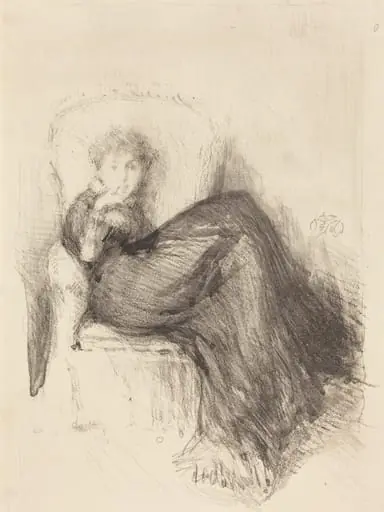
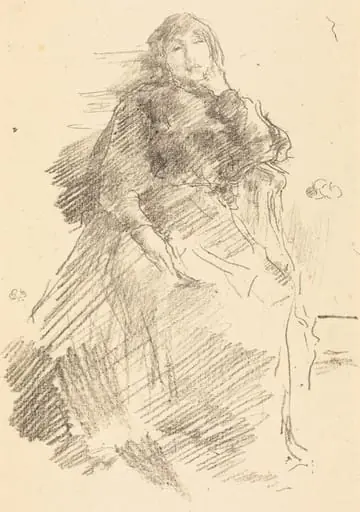
Cléo de Mérode is a lithograph on brown laid paper, possibly a trial proof, created by Henri de Toulouse-Lautrec in 1896. The work captures a moment with the renowned dancer Cléo de Mérode.
Subject & Meaning
The print depicts Cléo de Mérode in a contemplative, private setting—a departure from typical portrayals of performers in public or on stage. Her back turned, seated in a dimly lit room, suggests an intimate, personal glimpse of the dancer away from the spotlight.
Technique & Style
Characterized by loose, expressive lines and scratchy textures, the lithograph conveys a sense of spontaneity. Toulouse-Lautrec employed these visual elements to evoke the interplay of light and shadow in the scene, lending it a sketch-like immediacy.
History & Provenance
Created in 1896, this lithograph is part of Toulouse-Lautrec’s oeuvre focused on Paris’s theatrical and nightlife figures. The possibility of it being a trial proof indicates it may precede a final, polished version.
Context
Emerging from late 19th-century Paris, Cléo de Mérode reflects Toulouse-Lautrec’s fascination with the city’s performers and nightlife, offering a unique, subdued perspective on a celebrated dancer of the time.
Legacy
As part of Toulouse-Lautrec’s body of work, Cléo de Mérode contributes to the artist’s legacy of capturing the essence of Parisian cultural life in the late 19th century, with its distinctive technique influencing subsequent generations of artists.
Artist & collection
Artist
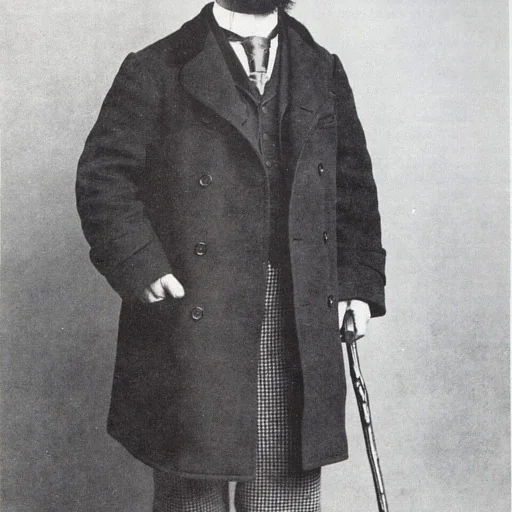
Comte Henri Marie Raymond de Toulouse-Lautrec-Montfa (24 November 1864 – 9 September 1901), known as Toulouse-Lautrec (French: ), was a French painter, printmaker, draughtsman, caricaturist, and illustrator.