Artwork
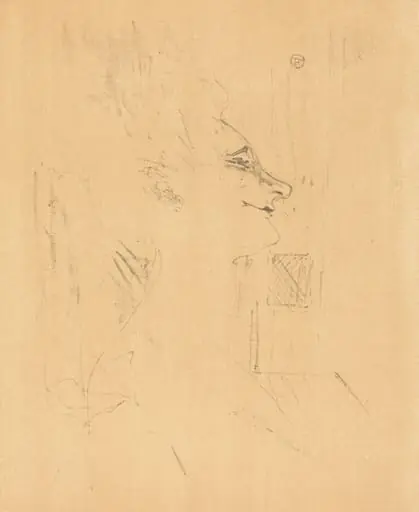
Drunkard (Soularde)
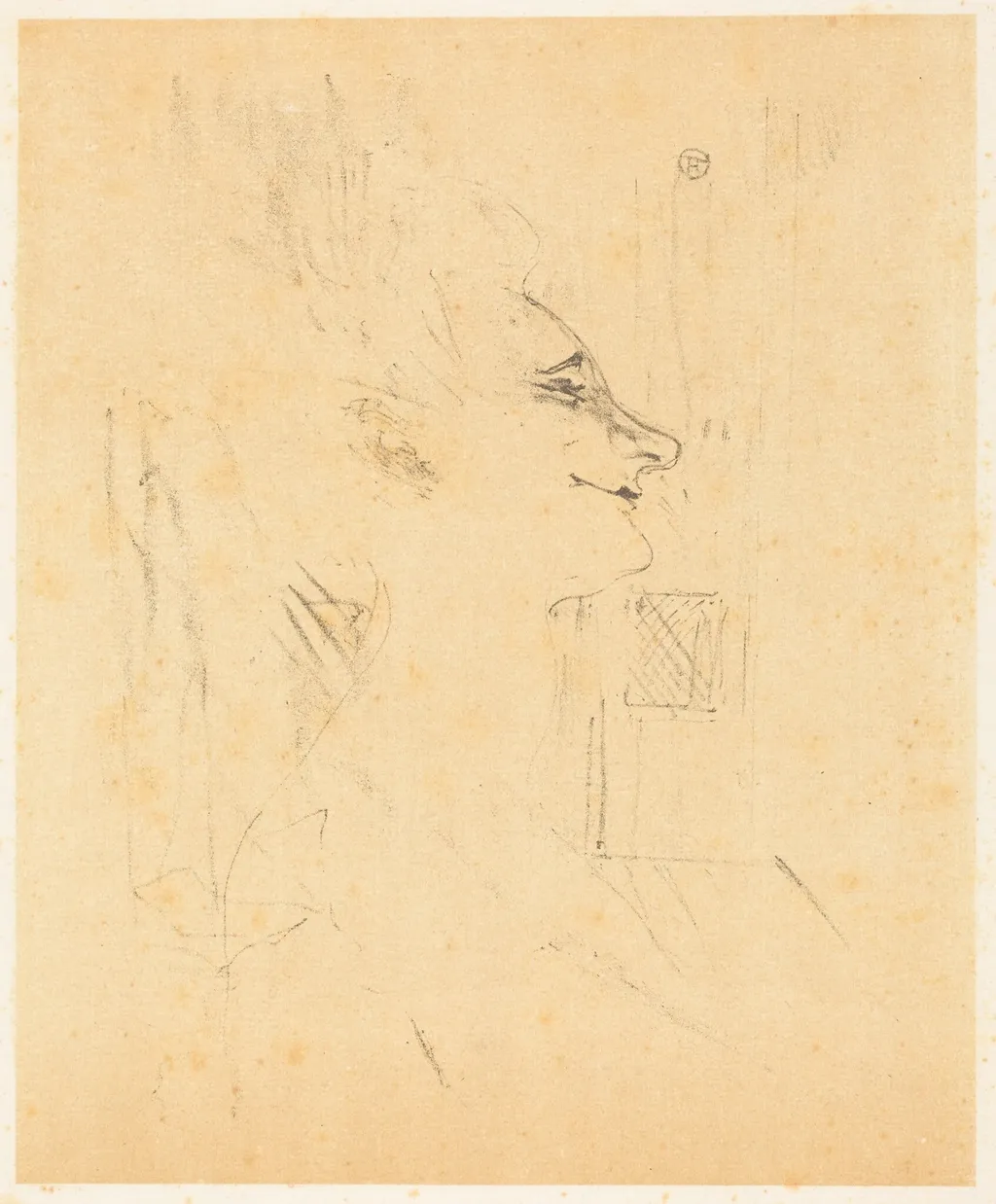
Drunkard (Soularde) is an ink print by the Impressionist artist Henri de Toulouse-Lautrec. It dates from 1898 and is held in the collection of the National Gallery of Art.
About this work
Overview
Henri de Toulouse‑Lautrec’s lithograph *Drunkard (Soularde)* was produced in 1898. Executed in a limited palette of black and beige, the print presents a solitary figure slumped in a tavern, head cradled in his hands, his expression one of despondence. The work exemplifies the artist’s preoccupation with the nocturnal world of Paris, where he often turned his attention to society’s out‑casts.
Subject & Meaning
The image captures a lone man in a bar, his posture and forlorn face suggesting intoxication and exhaustion. By focusing on a marginalized individual, Toulouse‑Lautrec highlights the human cost of the city’s vibrant nightlife, offering a quiet, empathetic glimpse into the lives of those who inhabited the streets and drinking establishments of late‑19th‑century Paris.
Technique & Style
Created as a lithograph, the piece relies on the contrast between deep black tones and muted beige areas to convey atmosphere. Toulouse‑Lautrec’s handling of line and shading emphasizes the figure’s slumped form while preserving a sense of immediacy, a hallmark of his graphic work that blends observation with a slightly exaggerated, expressive realism.
History & Provenance
The print is part of the National Gallery of Art’s collection in Washington, D.C. It joins a broader body of Toulouse‑Lautrec’s prints that document his lifelong fascination with Parisian cafés, cabarets, and the people who frequented them, reflecting the artist’s personal experience of the city’s social margins.
Artist & collection
Artist
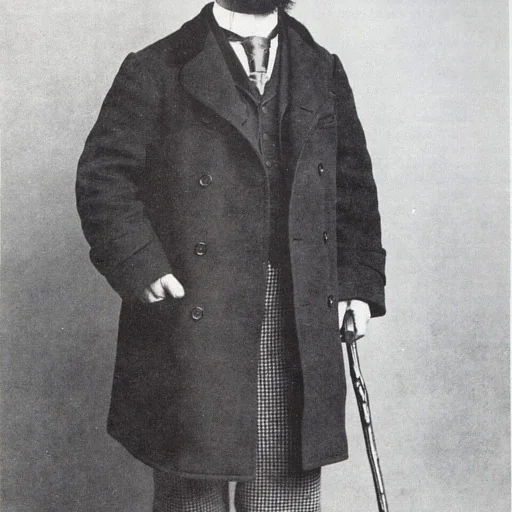
Comte Henri Marie Raymond de Toulouse-Lautrec-Montfa (24 November 1864 – 9 September 1901), known as Toulouse-Lautrec (French: ), was a French painter, printmaker, draughtsman, caricaturist, and illustrator.

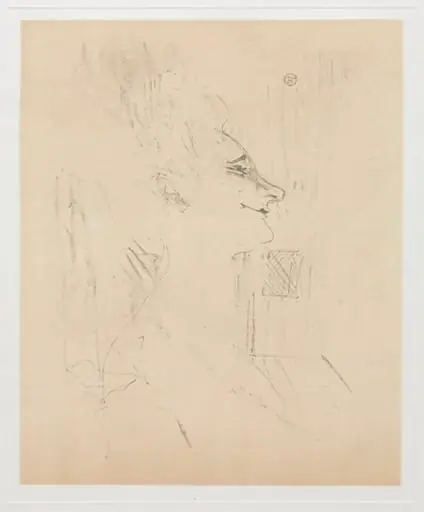 Yvette Guilbert Intoxicated
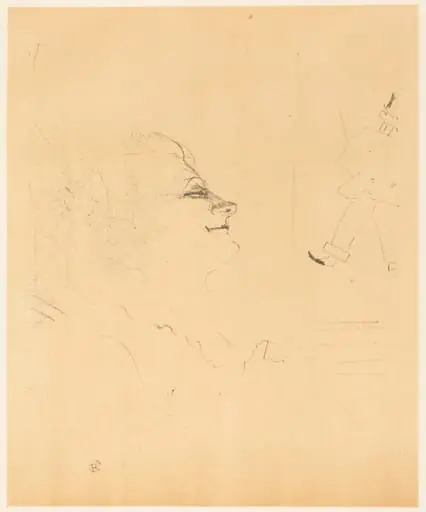 Pessima
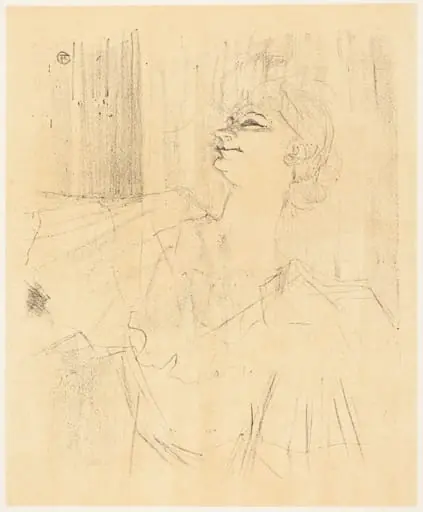 To Menilmontant from Bruant (A Ménilmontant, de Bruant)
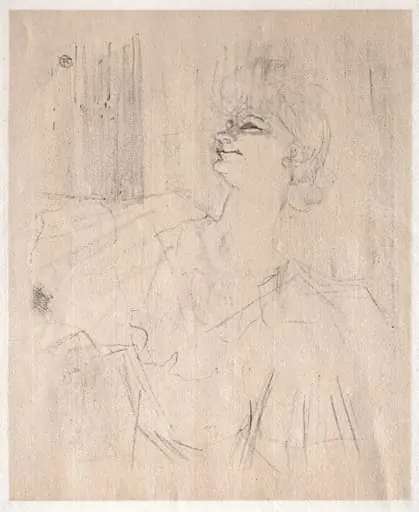 Yvette Guilbert: à Ménilmontant, de Bruant
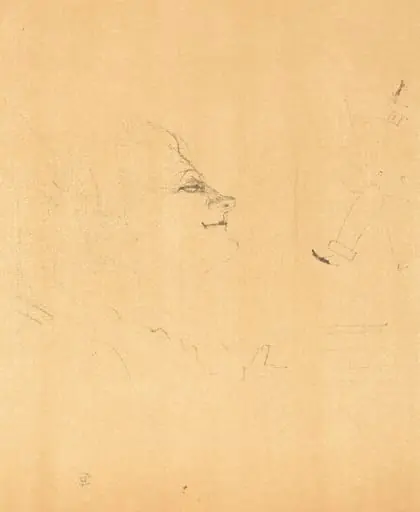 Pessima
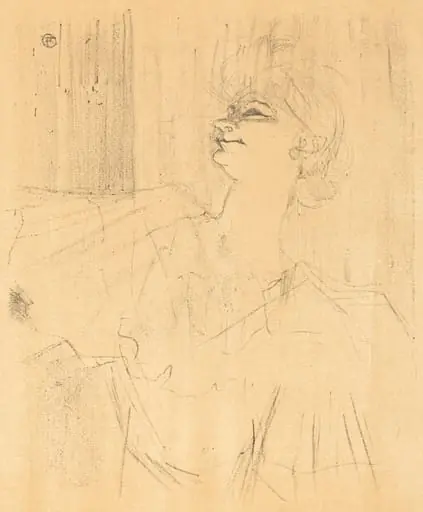 To Menilmontant from Bruant (A Ménilmontant, de Bruant)
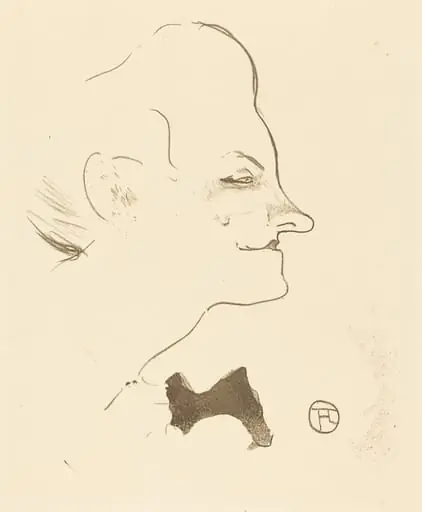 Yvette Guilbert
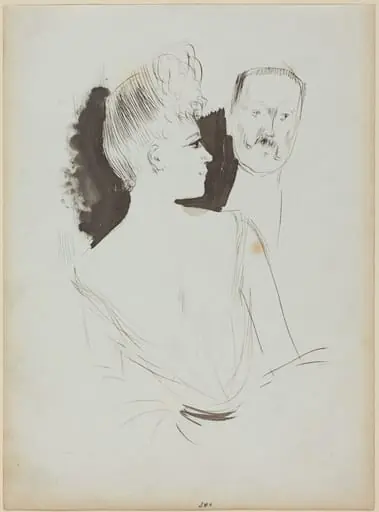 a) Lady and Gentleman in Evening Dress (recto); b) Sketch of Figure (verso)
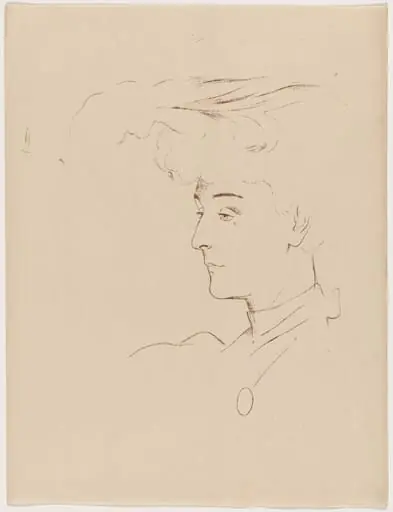 Etude
Etude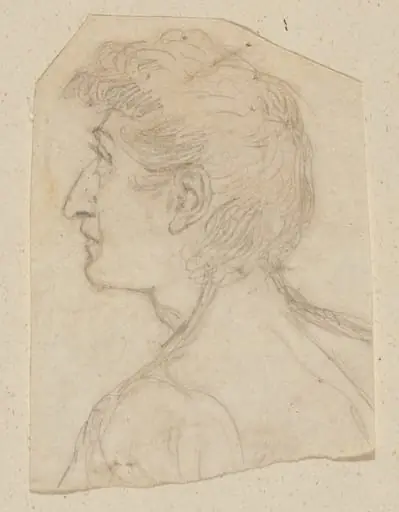 Portrait of a Man
 Drunkard (Soularde)
 Bowing to the Audience (Saluant le public)