Artwork
Last Ballad (Ultime ballade)
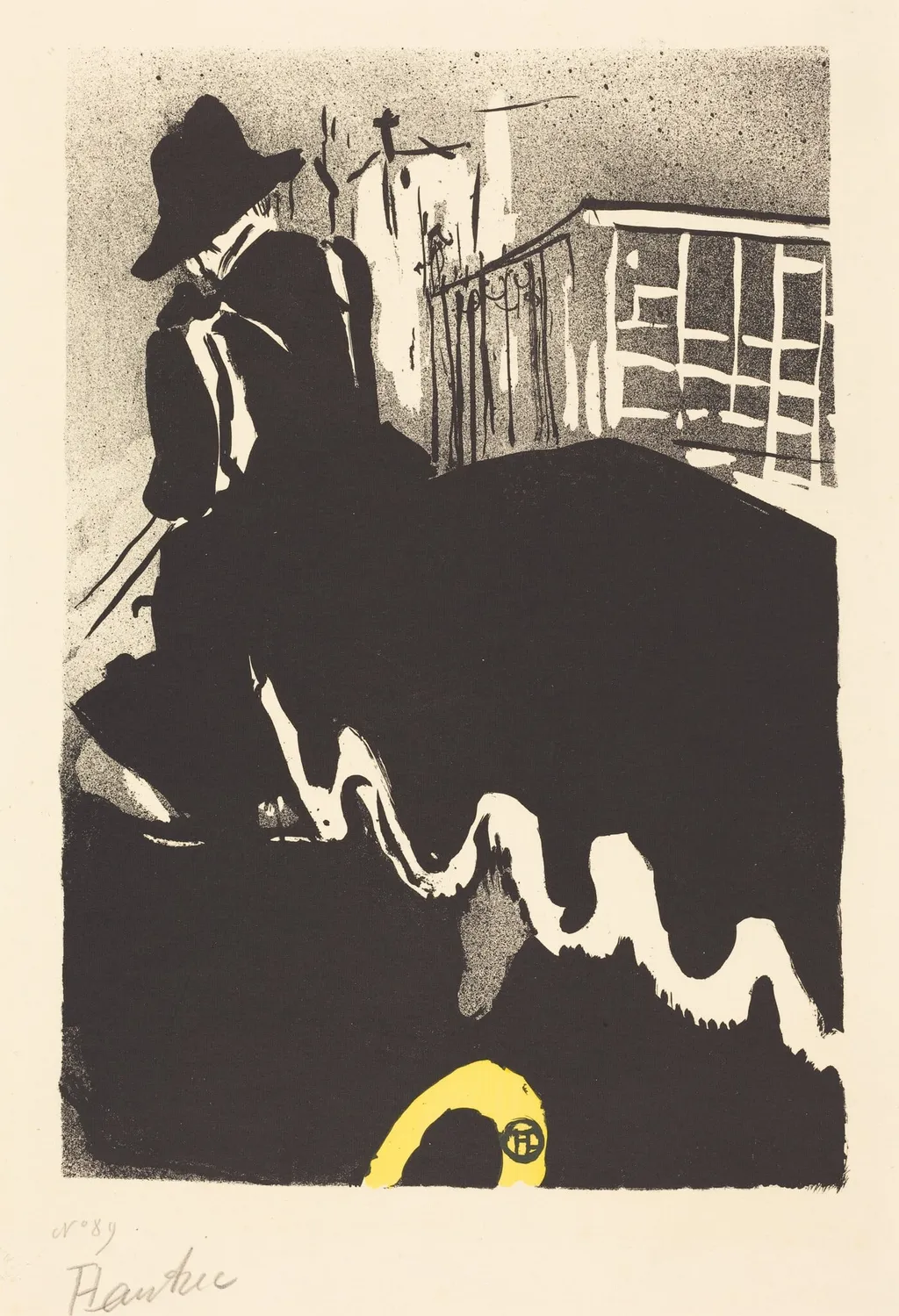
Last Ballad (Ultime ballade) is an ink print by the Impressionist artist Henri de Toulouse-Lautrec. It dates from 1893 and is held in the collection of the National Gallery of Art.
About this work
Overview
Created in 1893, *Last Ballad (Ultime ballade)* is a lithograph by Henri de Toulouse-Lautrec, executed in black and yellow ink on velin paper.
Created in 1893, *Last Ballad (Ultime ballade)* is a lithograph by Henri de Toulouse-Lautrec, executed in black and yellow ink on velin paper. Unlike his more famous cabaret scenes, this work presents a solitary male figure in a quiet interior. The composition strips away theatricality, focusing instead on stillness and solitude, marking a departure from the energetic nightlife imagery for which he is best known.
Subject & Meaning
The figure, dressed in a dark suit with a white shirt and tie, sits alone on a dark surface, his posture withdrawn and gaze directed inward. The presence of a window and fence in the background suggests an enclosed, possibly domestic space. The somber tone and lack of movement imply introspection or emotional exhaustion, possibly reflecting the artist’s own isolation in his later years amid physical decline and societal alienation.
Technique & Style
Lautrec employed lithography to achieve sharp, expressive lines and subtle tonal contrasts. The bold black contours define the figure and furniture, while areas of yellow wash introduce muted warmth against the dominant shadows. The flatness of the background and minimal detail in the setting emphasize the figure’s psychological weight. His technique, rooted in poster design, here serves emotional restraint rather than spectacle.
History & Provenance
Produced in 1893, during a period when Lautrec was increasingly withdrawn from Parisian nightlife, this print was likely part of a private series rather than a commercial commission. It remained largely unknown until later 20th-century reassessments of his graphic work. Its provenance traces through private European collections before entering public museum holdings, where it is now studied for its quiet departure from his typical subjects.
Context
While Lautrec is associated with the Belle Époque’s cabarets and performers, *Last Ballad* reflects a quieter undercurrent in his oeuvre: the loneliness that accompanied his physical limitations and social marginalization. The work aligns with broader fin-de-siècle themes of alienation and melancholy, resonating with literary and artistic currents that turned inward, away from public spectacle, toward personal introspection.
Legacy
Though less celebrated than his posters and dancers, *Last Ballad* is recognized for its emotional precision and formal economy. It demonstrates Lautrec’s capacity to convey psychological depth through minimal means, influencing later generations of printmakers who valued narrative restraint. The work remains a quiet testament to his ability to transform solitude into visual poetry.
Artist & collection
Artist
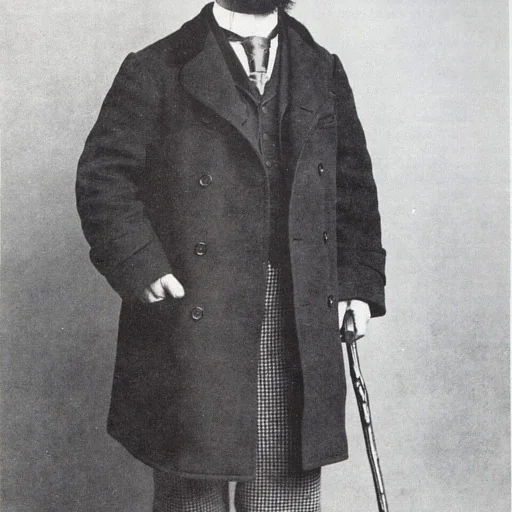
Comte Henri Marie Raymond de Toulouse-Lautrec-Montfa (24 November 1864 – 9 September 1901), known as Toulouse-Lautrec (French: ), was a French painter, printmaker, draughtsman, caricaturist, and illustrator.

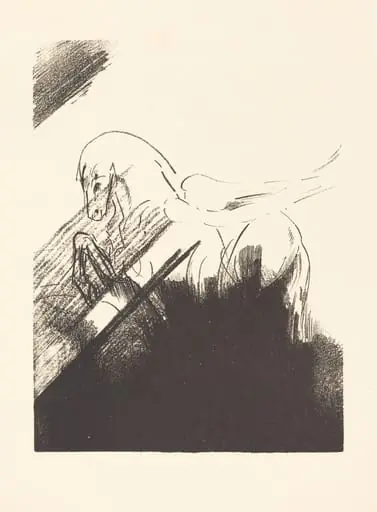 Cheval aile (Winged Horse)
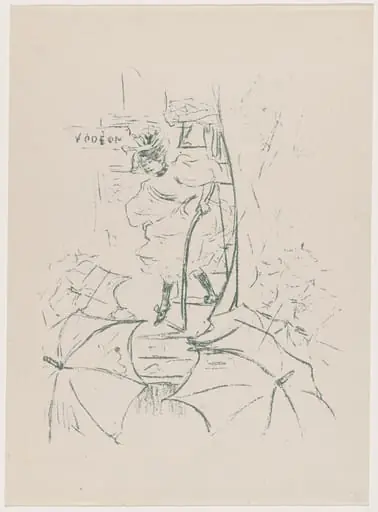 untitled (Woman descending onto a street of umbrellas)
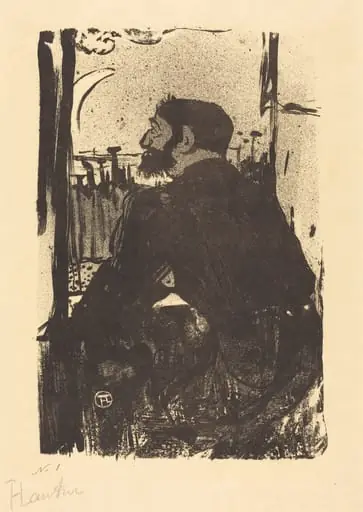 Sleepless Night (Nuit blanche)
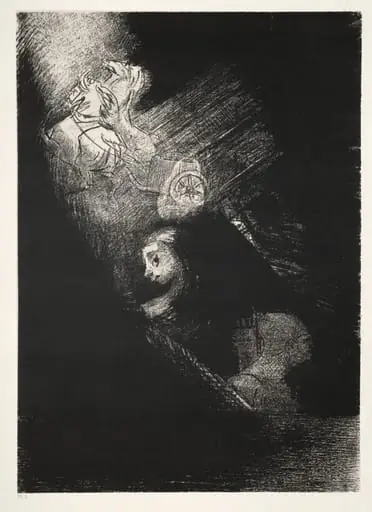 First a Pool of Water, Then a Prostitute, the Corner of a Temple, a Soldier's Face, a Chariot with Two White, Rearing Horses
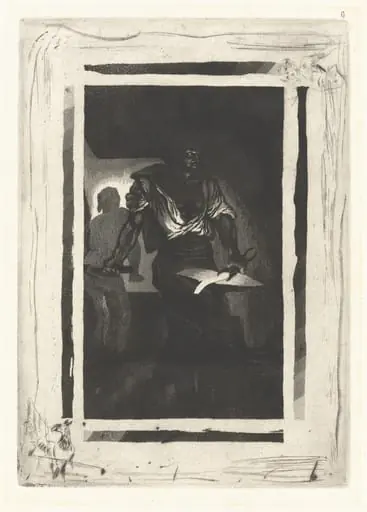 A Blacksmith (Un Forgeron)
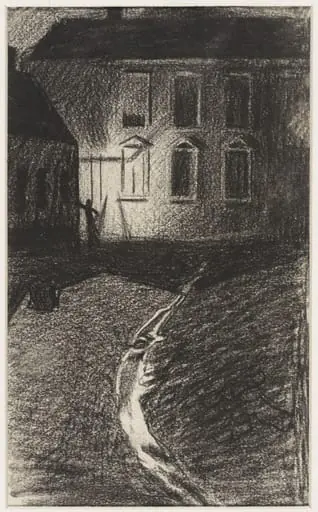 Untitled
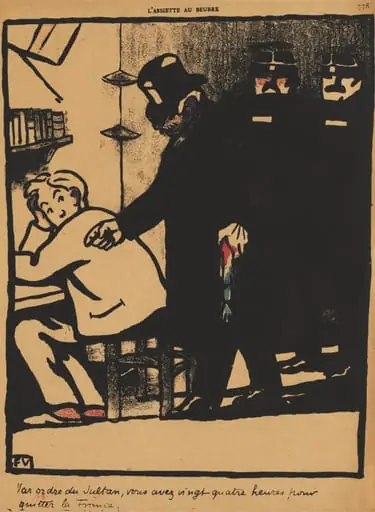 By order of the Sultan...
 Untitled
 Spleen et Idéal