Artwork
Yvette Guilbert
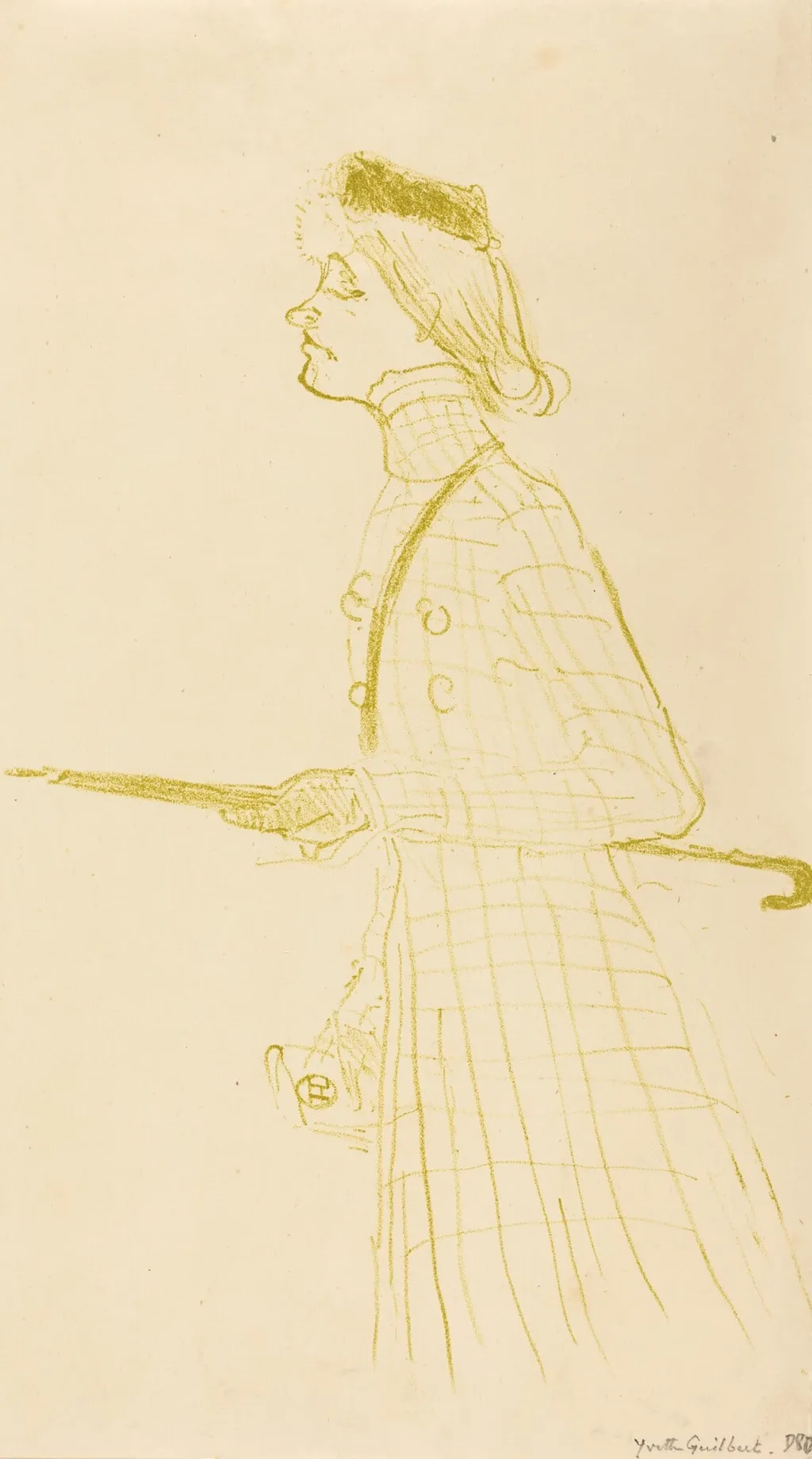
Yvette Guilbert is an ink print by the Impressionist artist Henri de Toulouse-Lautrec. It dates from 1894 and is held in the collection of the National Gallery of Art.
About this work
Overview
Rendered in light green ink on velin paper, the work captures a fleeting moment with minimal detail, emphasizing movement and posture over precision.
Created in 1894, this lithograph by Henri de Toulouse-Lautrec portrays the French cabaret performer Yvette Guilbert. Rendered in light green ink on velin paper, the work captures a fleeting moment with minimal detail, emphasizing movement and posture over precision. The restrained palette and sketch-like lines reflect Lautrec’s interest in the ephemeral energy of live performance, characteristic of his approach to printmaking.
Subject & Meaning
Yvette Guilbert was a celebrated singer known for her distinctive stage presence and ironic delivery in Montmartre cabarets. Lautrec depicts her mid-stride, cane in hand, gaze directed away, suggesting a performer caught between roles—onstage and off. The composition conveys her controlled elegance and theatrical persona, aligning with Lautrec’s broader focus on the lives of entertainers who inhabited Paris’s underground nightlife.
Technique & Style
Lautrec employed lithography to achieve a spontaneous, drawn quality, using loose, rapid lines that suggest motion rather than define form. The monochromatic green tint, applied to the paper’s surface, enhances the sense of immediacy and decay, echoing the transient nature of cabaret life. His technique prioritizes expressive gesture over detail, aligning with the aesthetic of modern printmaking that valued suggestion over finish.
History & Provenance
This print was produced during Lautrec’s most active period in Montmartre, when he regularly attended performances and sketched performers backstage. It was likely part of a series of lithographs commissioned to promote or document popular entertainers of the time. While its early ownership is undocumented, it entered institutional collections in the 20th century as interest grew in Lautrec’s graphic work and the visual culture of fin-de-siècle Paris.
Context
In the 1890s, Parisian cabarets like the Moulin Rouge and Le Chat Noir became centers of artistic and social experimentation. Lautrec, marginalized by his physical condition, found kinship among performers who operated outside conventional society. His prints of Guilbert and others reflect a fascination with identity, performance, and the blurred lines between public persona and private self in an era of rapid urban change.
Legacy
Lautrec’s lithographs of Yvette Guilbert helped redefine the portrayal of entertainers in art, shifting focus from idealized spectacle to psychological nuance. His use of simplified form and tonal restraint influenced later generations of graphic artists and poster designers. These works remain significant for their quiet documentation of a marginalized cultural world, preserved not through grandeur but through intimate observation.
Artist & collection
Artist
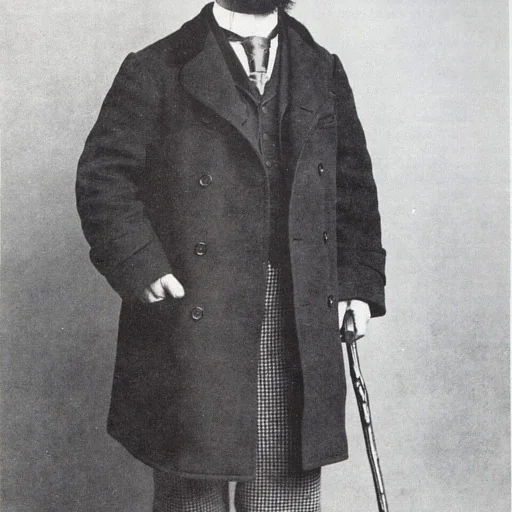
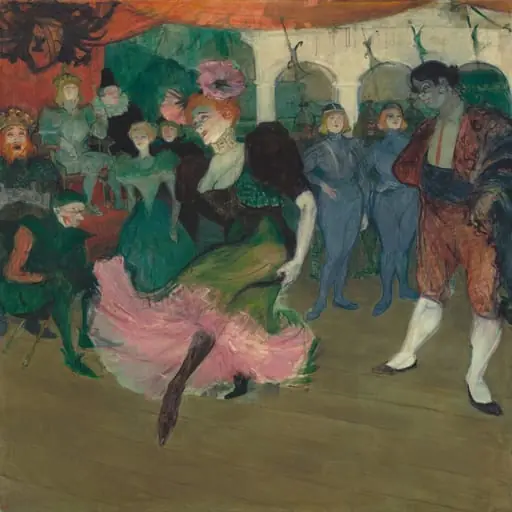
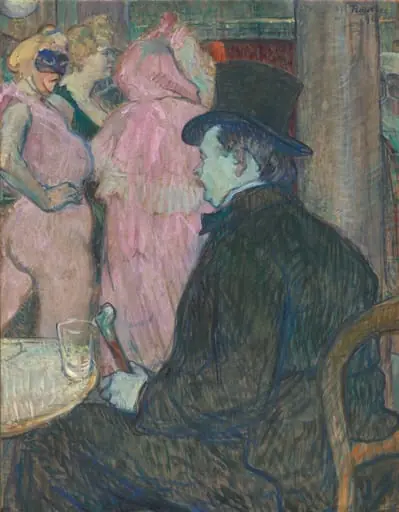
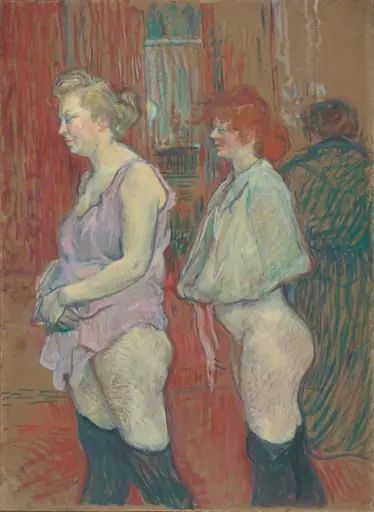
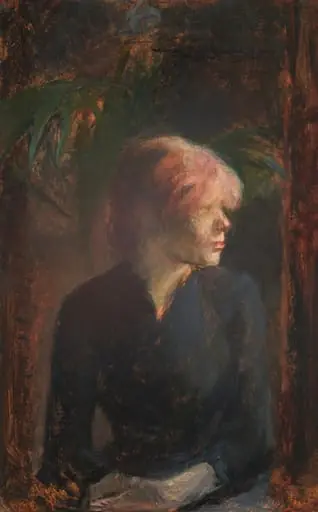
Comte Henri Marie Raymond de Toulouse-Lautrec-Montfa (24 November 1864 – 9 September 1901), known as Toulouse-Lautrec (French: ), was a French painter, printmaker, draughtsman, caricaturist, and illustrator.

 James McNeill Whistler
 Portrait of Little Corbauld
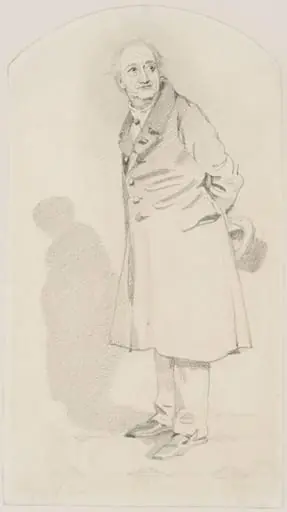 Johann Wolfgang von Goethe
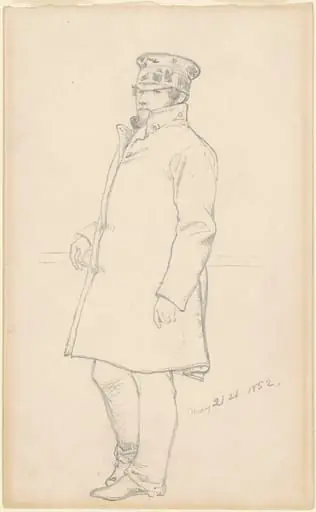 Man in Cap and Coat
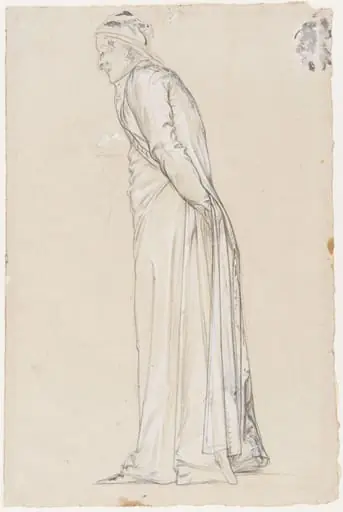 Untitled
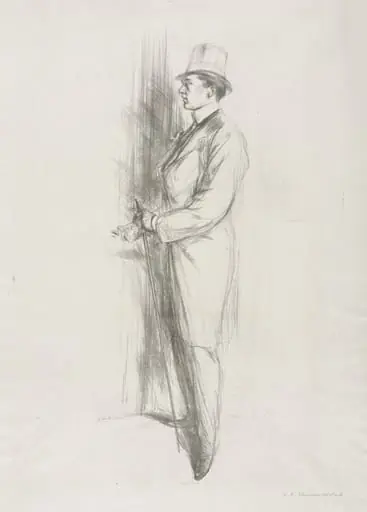 Sir Max Beerbohm
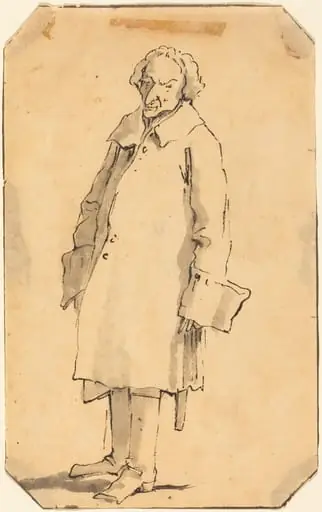 A Standing Man Wearing a Great Coat and Boots
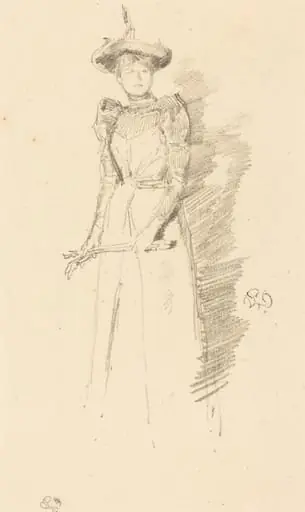 Gants de Suède
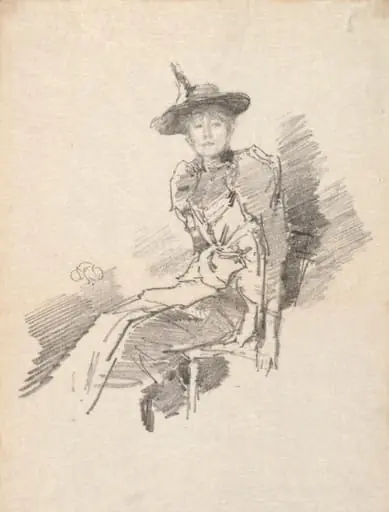 The Winged Hat
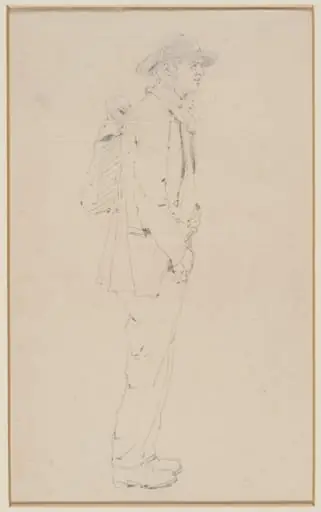 Drawing of a man
 Mr. Apperley ("Nimrod")
 Miss May Belfort in the Irish and American Bar, rue Royale (Miss Belfort Belfort au Irish and American Bar, Rue Royale)