Artwork
James McNeill Whistler
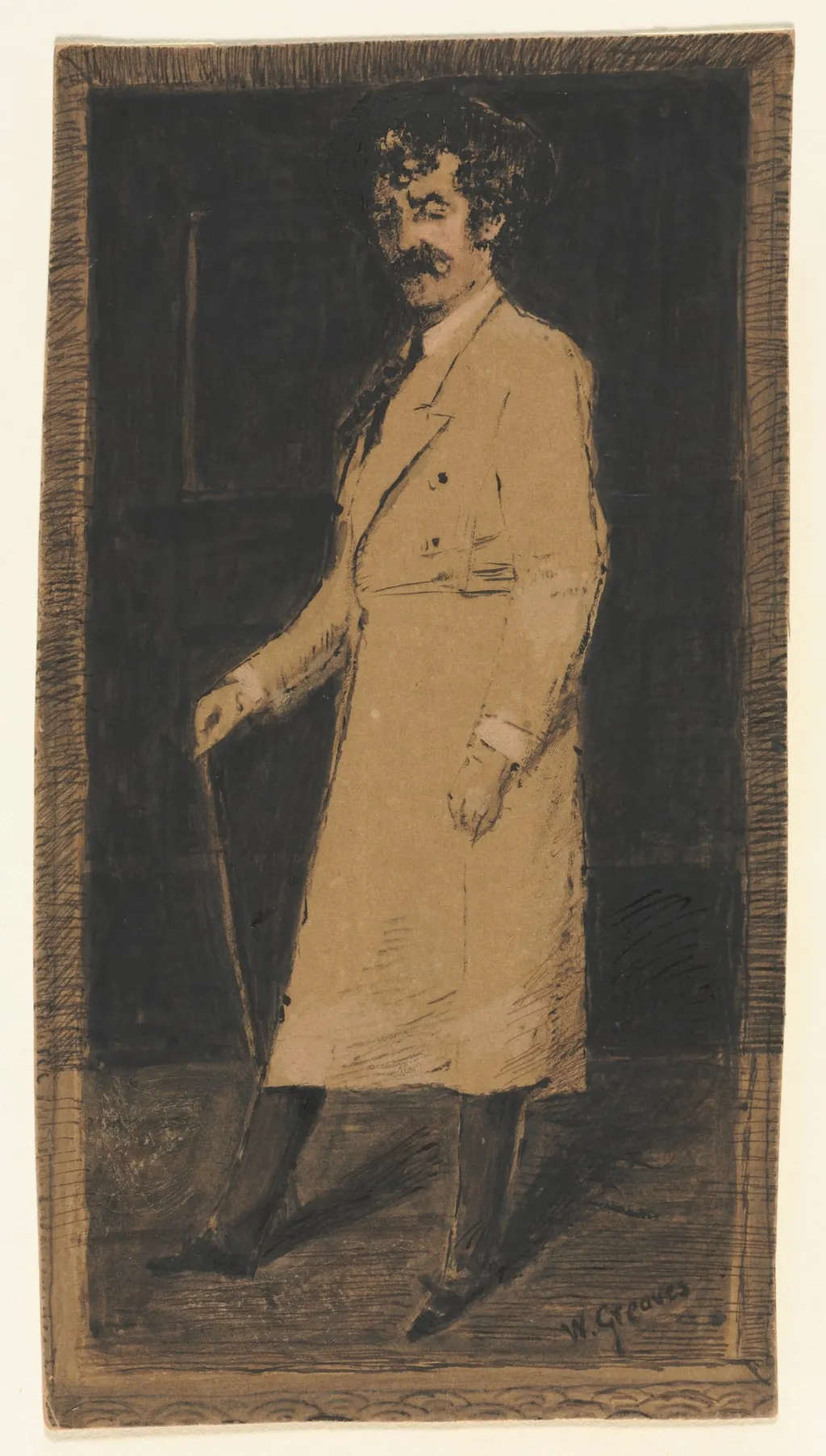
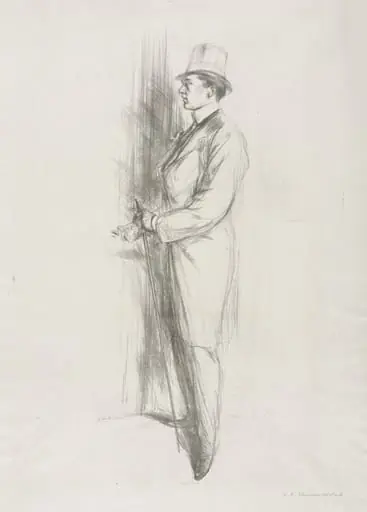
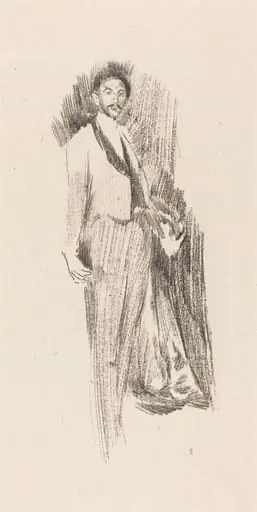
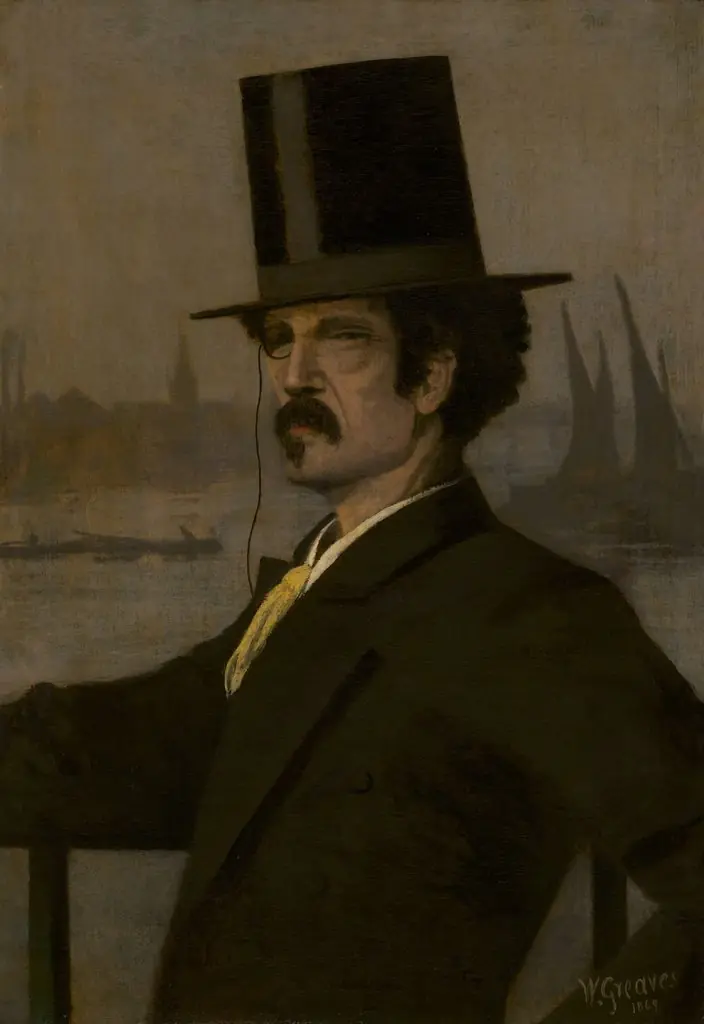
James McNeill Whistler is a drawing by Walter Greaves. It dates from 1896 and is held in the collection of the Cleveland Museum of Art.
About this work
Overview
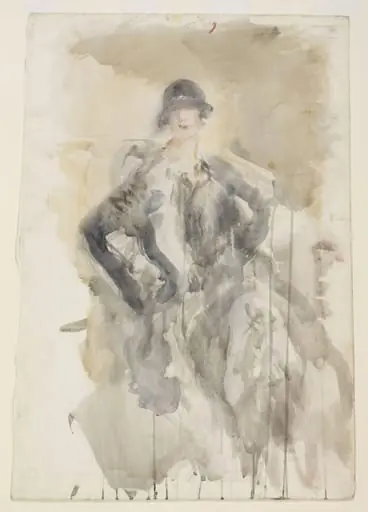
The figure stands against a dark, indistinct background, with subtle light falling near his head to isolate him visually.
This drawing, created around 1896 by Walter Greaves, portrays the American artist James McNeill Whistler. Executed in a restrained tonal palette, the work captures Whistler in a quiet, contemplative pose. The figure stands against a dark, indistinct background, with subtle light falling near his head to isolate him visually. The composition emphasizes stillness and understated presence rather than narrative detail.
Subject & Meaning
The subject is James McNeill Whistler, a pivotal figure in 19th-century art known for his emphasis on aesthetic harmony. Greaves depicts him not as a public persona but as a private individual—neutral expression, hands at rest, gaze directed away. The lack of facial definition suggests an intentional ambiguity, inviting focus on posture and demeanor rather than identity, aligning with Whistler’s own ideals of art as mood over message.
Technique & Style
Greaves employs a minimalistic approach, using soft graphite or charcoal to suggest form with sparse lines and graded tones. Chiaroscuro is applied subtly to model the figure’s volume without heavy contrast. The blurred facial features and loose rendering of clothing convey immediacy, reflecting a sketch-like intimacy. The background’s darkness enhances the figure’s silhouette, reinforcing a sense of quiet isolation.
History & Provenance
Created in the final years of Whistler’s life, the drawing was likely made during one of Greaves’s visits to the artist. Walter Greaves, a lesser-known British painter and admirer of Whistler, maintained a close association with him in his later years. The work entered The Cleveland Museum of Art’s collection through documented acquisition, preserving its connection to both artists and the cultural milieu of late Victorian art circles.
Context
In the 1890s, Whistler was a revered but controversial figure, advocating for art’s autonomy from moral or literary content. Greaves’s portrait reflects this ethos—avoiding dramatic gesture or symbolic props. The drawing aligns with contemporary trends in intimate portraiture among artists who valued psychological nuance over grandeur, echoing the aesthetic principles Whistler championed in his own work and writings.
Legacy
Though not widely exhibited, this drawing endures as a quiet testament to Whistler’s influence on his peers. Greaves’s restrained treatment offers a counterpoint to more theatrical contemporary portraits, preserving a moment of unembellished presence. It remains a valuable record of the personal dimension behind a major artistic legacy, appreciated for its sincerity rather than its spectacle.
Artist & collection


![Man Wearing a Cloak [recto], by Edouard Manet](https://artifactworldgallery.com/img/edouard-manet--man-wearing-a-cloak-recto--6f165c0376318d82-w320.webp)