Artwork
Sir Max Beerbohm
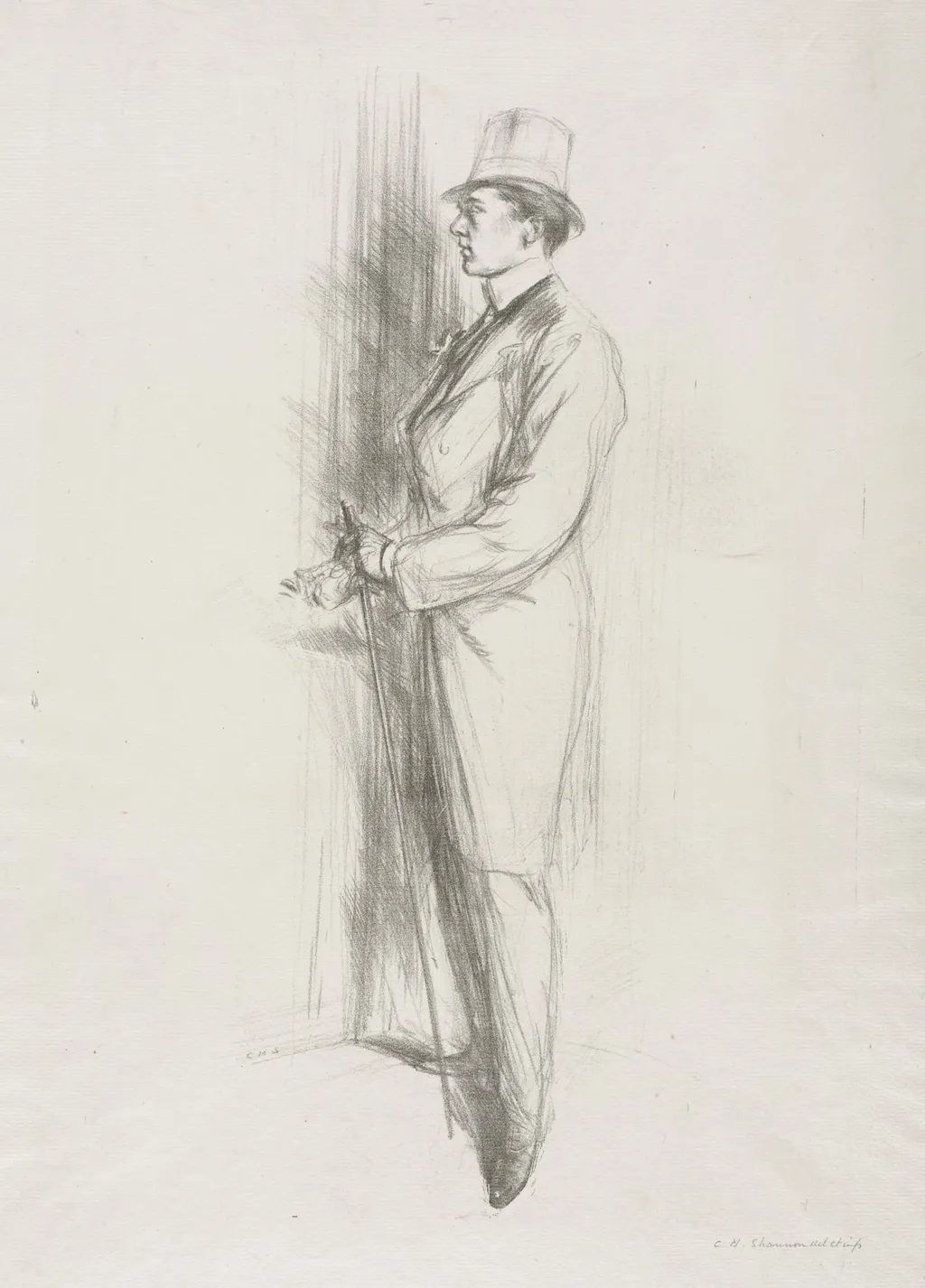
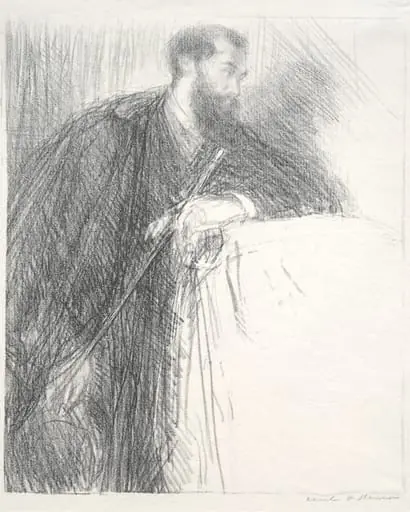
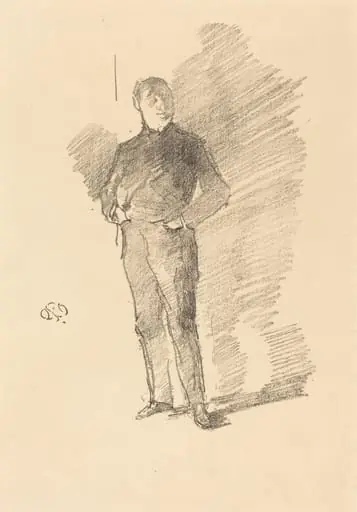
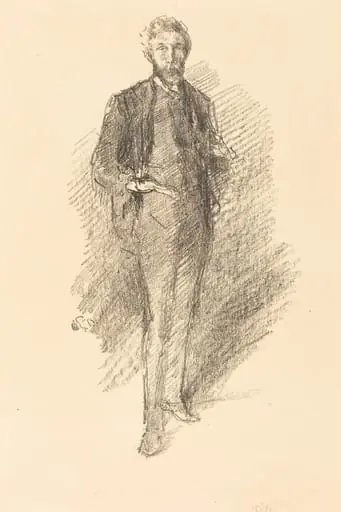
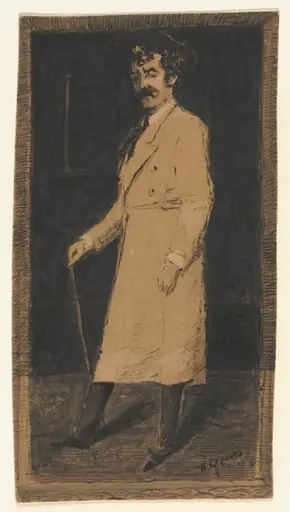
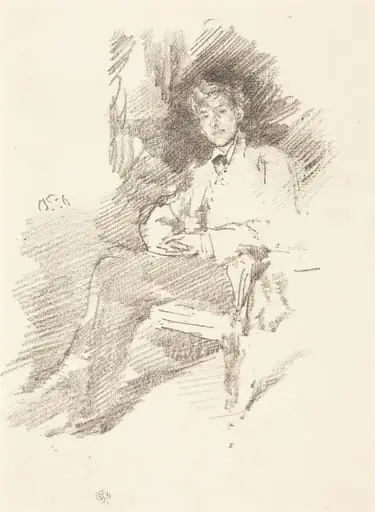
Sir Max Beerbohm is a print by the Impressionist artist Charles Hasslewood Shannon. It dates from 1896 and is held in the collection of the Cleveland Museum of Art.
About this work
Overview
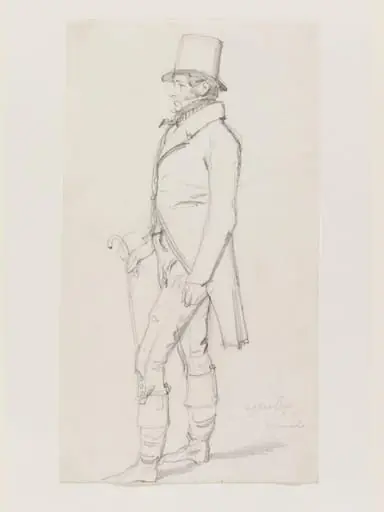
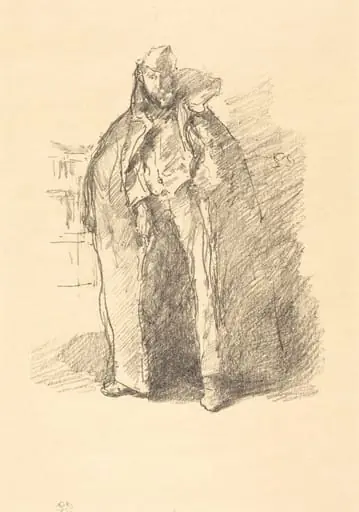
It captures Beerbohm in a poised, half-profile stance, dressed in formal attire, conveying a reserved yet distinguished presence.
Created in 1896 by Charles Hasslewood Shannon, this portrait depicts Sir Max Beerbohm, the English essayist and caricaturist. Executed in oil on canvas, the work is part of the collection at The Cleveland Museum of Art. It captures Beerbohm in a poised, half-profile stance, dressed in formal attire, conveying a reserved yet distinguished presence. The composition emphasizes stillness and introspection, aligning with the artist’s interest in psychological nuance.
Subject & Meaning
Sir Max Beerbohm, known for his wit and literary criticism, is portrayed not as a public figure but as a private individual in contemplation. His turned posture and downward gaze suggest inward reflection rather than engagement with the viewer. The elegant clothing and cane imply social refinement, yet the absence of overt expression softens the image into something intimate and unguarded, hinting at the complexity beneath his public persona.
Technique & Style
Shannon employed loose, deliberate brushwork and muted tonal shifts to model form without sharp definition. The texture of the coat and hat is suggested through layered strokes rather than detailed rendering, evoking an Impressionist sensitivity to light and surface. Color is restrained—grays, browns, and soft blacks—enhancing the quiet mood. The brushwork balances precision with spontaneity, avoiding theatricality in favor of subtle atmosphere.
History & Provenance
The portrait was painted during Shannon’s period of close association with literary and artistic circles in London. It remained in private hands until acquired by The Cleveland Museum of Art in 1948. Its provenance reflects Shannon’s reputation among collectors of late 19th-century British portraiture, though it never achieved widespread public recognition, preserving its quiet, understated character.
Context
Shannon’s approach diverged from the boldness of French Impressionism, instead aligning with the more subdued aesthetic of the Aesthetic Movement. Beerbohm, a contemporary of Wilde and Whistler, moved in similar circles, and this portrait reflects the era’s preference for psychological depth over narrative drama. The work stands as a quiet counterpoint to the more flamboyant portraits of the time.
Legacy
While not widely reproduced, the portrait remains a significant example of Shannon’s mature style and his ability to convey character through restraint. It contributes to the understanding of British portraiture beyond academic conventions, illustrating how subtle technique could evoke inner life. The work continues to be studied for its nuanced handling of light, texture, and psychological presence.
Artist & collection