Artwork
Schreiender Mann
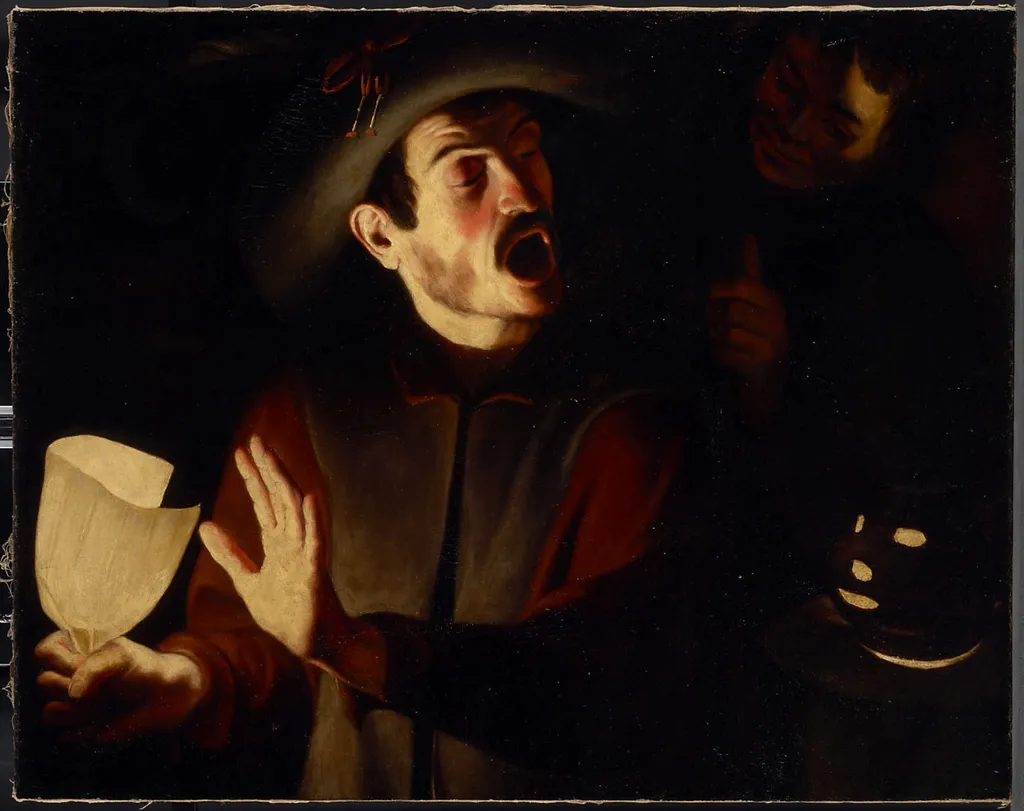
Schreiender Mann is an oil painting by the Early Baroque Italian artist Trophime Bigot. It dates from 1625 and is held in the collection of the Kunsthistorisches Museum.
About this work
Overview
Executed in oil on panel, the work reflects the dramatic lighting and emotional intensity characteristic of the Italian Baroque.
Trophime Bigot, a French artist active in early 17th-century Italy, painted *Schreiender Mann* in 1625 during his stay in Rome. Executed in oil on panel, the work reflects the dramatic lighting and emotional intensity characteristic of the Italian Baroque. It is now part of the Kunsthistorisches Museum’s collection in Vienna, representing Bigot’s engagement with Roman artistic circles before his return to southern France.
Subject & Meaning
The figure is a man with dark hair, clad in a richly textured red and brown robe, holding a sheet of paper. His face, sharply lit, conveys a moment of vocal exertion—whether shouting, singing, or reciting. The absence of contextual clues leaves his exact role ambiguous, but the intensity suggests a performer, preacher, or scholar caught in a moment of passionate expression, emphasizing human emotion over narrative detail.
Technique & Style
Bigot employs strong chiaroscuro to isolate the figure against a near-black background, heightening the psychological impact. The face and hands are rendered with careful modeling, while the robe’s folds suggest volume through subtle gradations of light. The brushwork is precise yet unpolished, aligning with the naturalism of Caravaggisti traditions, prioritizing emotional immediacy over idealized form.
History & Provenance
Bigot worked in Rome between 1620 and 1634, where he developed his signature style of nocturnal and candlelit scenes. *Schreiender Mann* dates from this period, likely created for a private patron. The painting entered the Kunsthistorisches Museum’s collection in the 19th century, possibly through imperial acquisitions, and has remained there since, preserving its original condition and attribution.
Context
Painted during the height of Caravaggio’s influence in Rome, the work reflects the broader trend of using light to evoke spiritual or emotional drama. Bigot’s adaptation of this style—distinct from his French contemporaries—shows how northern artists absorbed Italian innovations. The focus on a solitary, expressive figure aligns with contemporary devotional and genre scenes popular among Roman collectors.
Legacy
Though Bigot is less widely known than his Italian peers, *Schreiender Mann* exemplifies the cross-cultural exchange of Baroque aesthetics. His use of dramatic lighting and psychological focus influenced regional painters in Provence after his return. The painting remains a key example of how French artists contributed to, and were shaped by, the Italian Baroque movement without fully assimilating into it.
Artist & collection
Artist
Trophime Bigot (1579–1650), also known as Théophile Bigot, Teofili Trufemondi, the Candlelight Master (Maître à la Chandelle), was a French painter of the Baroque era, active in Rome and his native Provence.

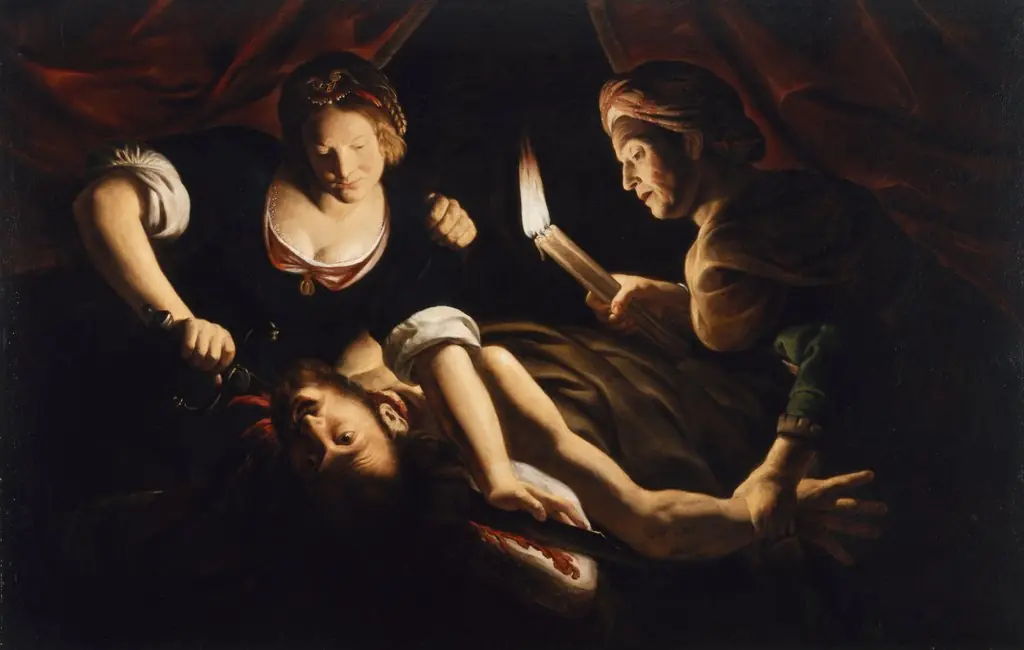
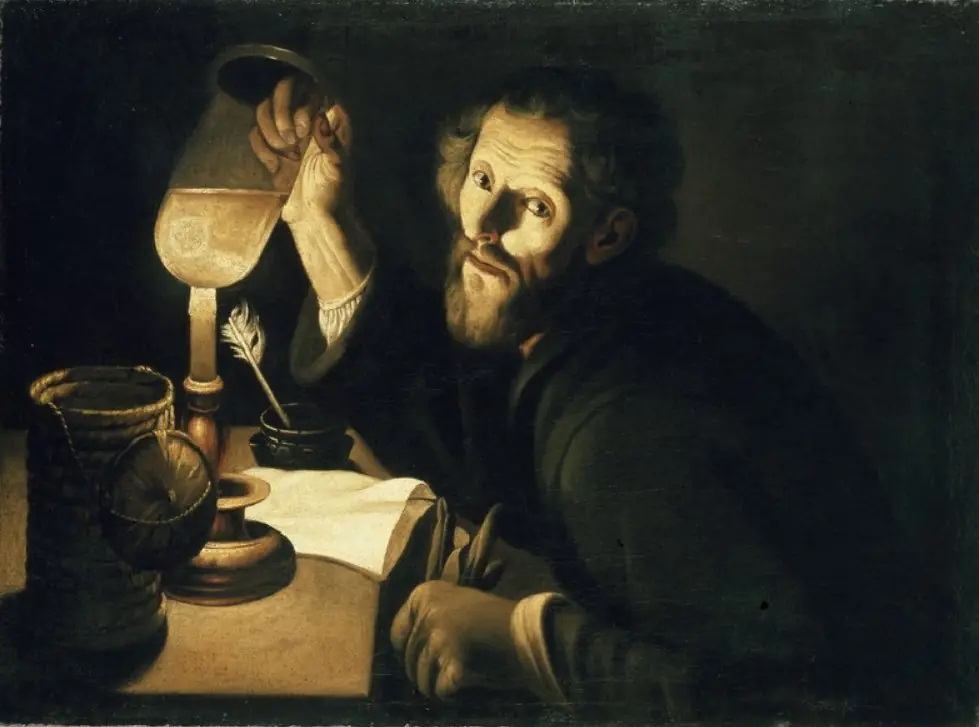
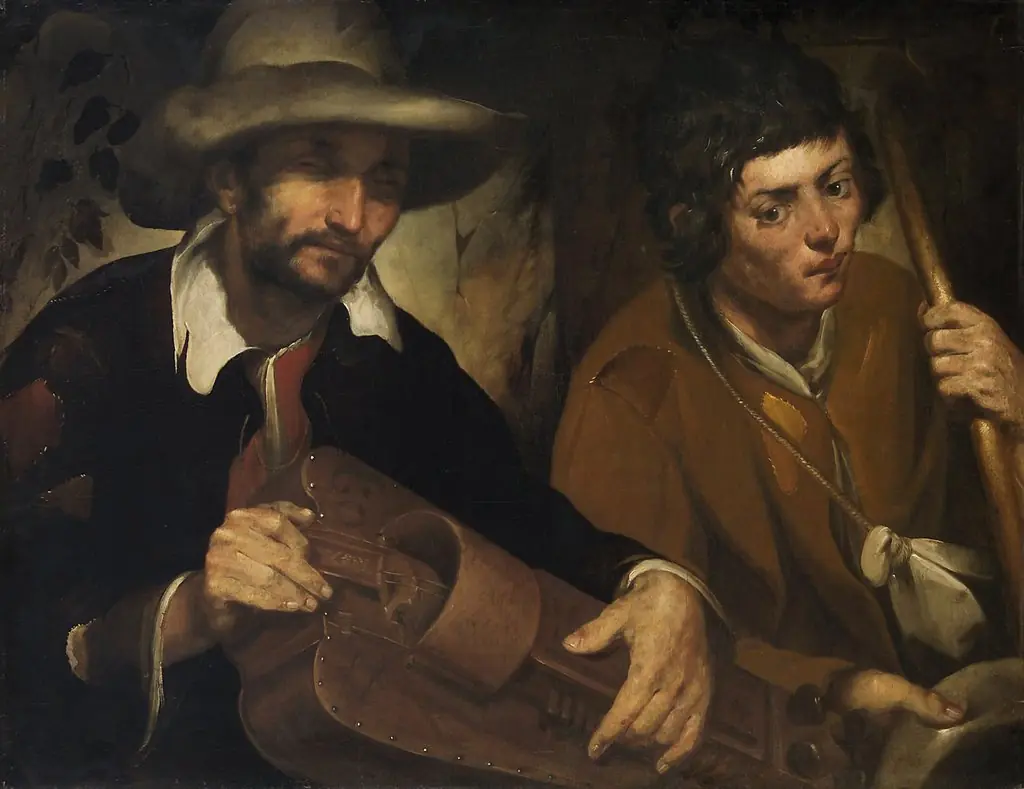 Blind hurdy-gurdy player
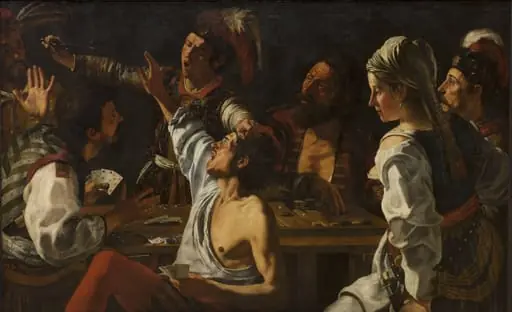 Card and Backgammon Players. Fight over Cards
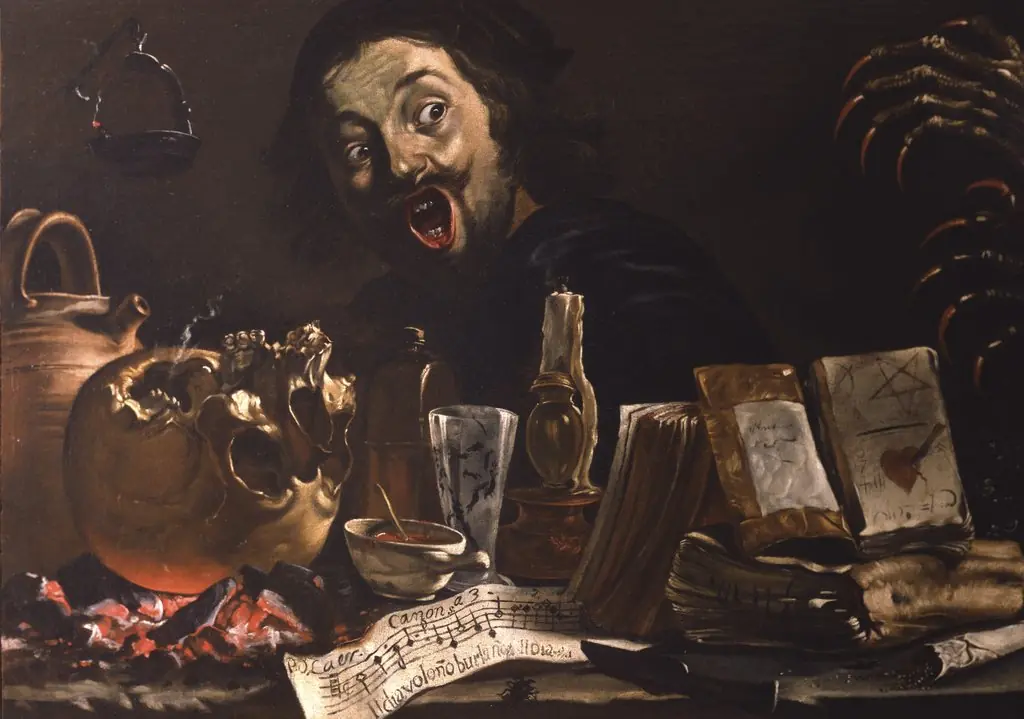 Self Portrait with a Magic Scene
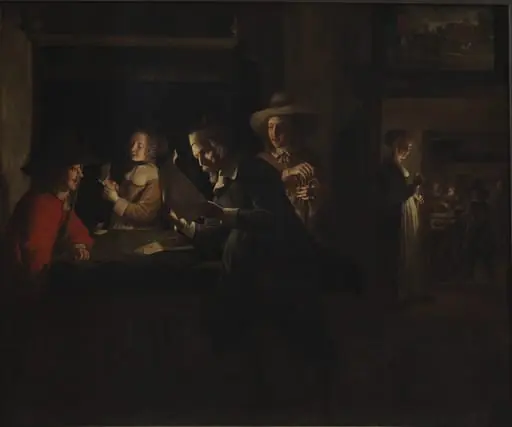 Evening Interior
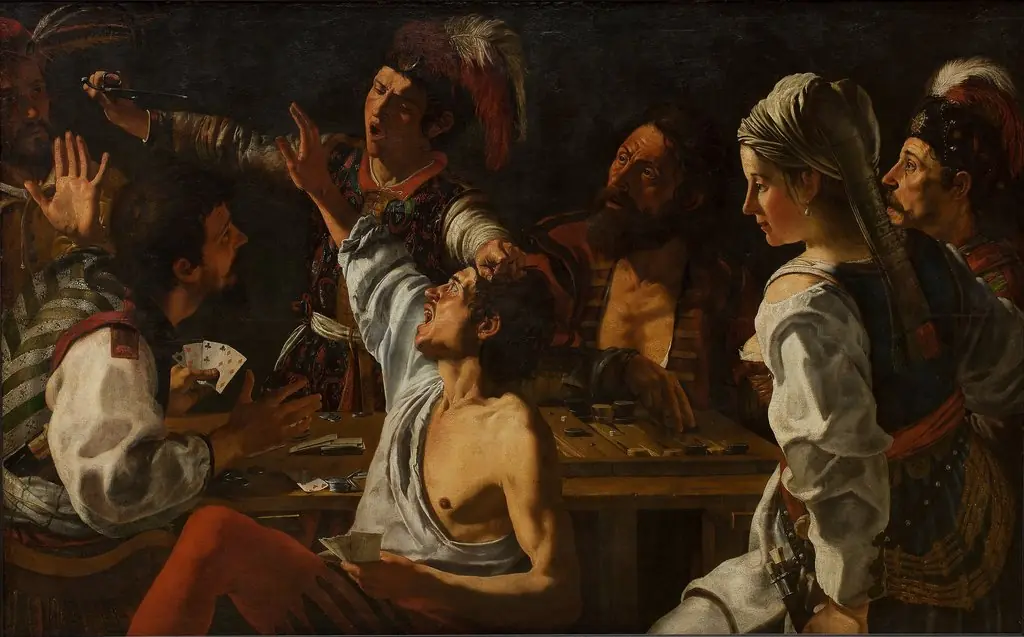 Card and Backgammon Players. Fight over Cards
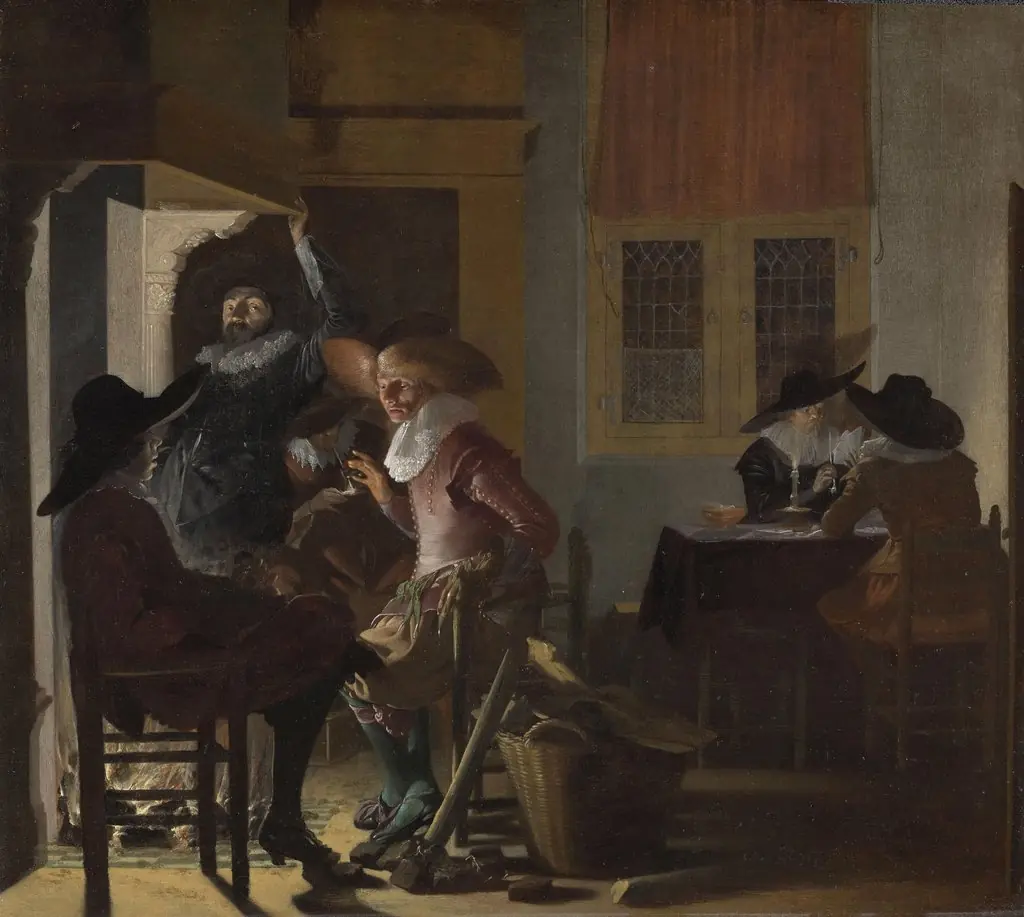 Soldiers beside a Fireplace
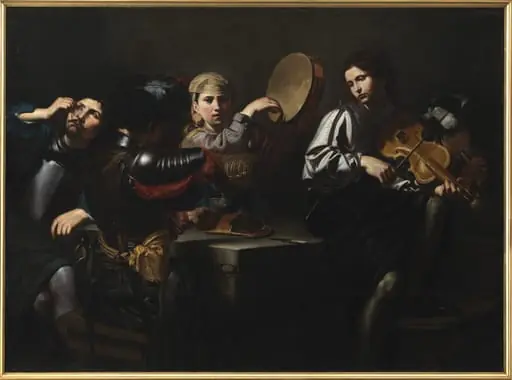 Musicians and Soldiers
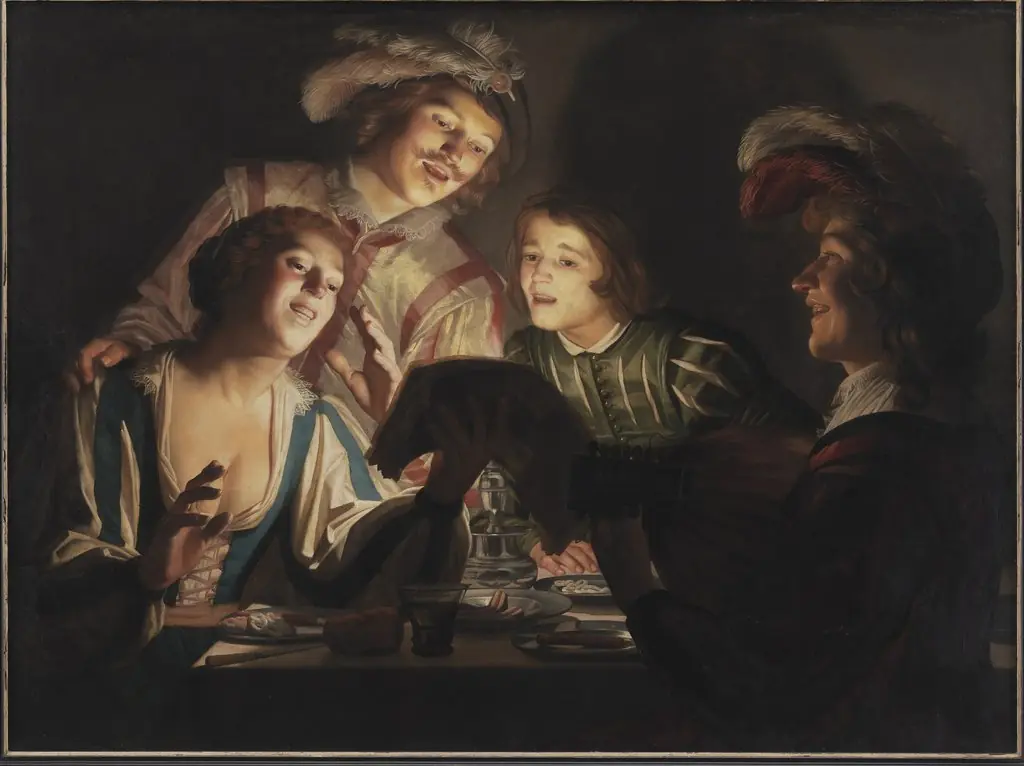 Musical Group by Candlelight
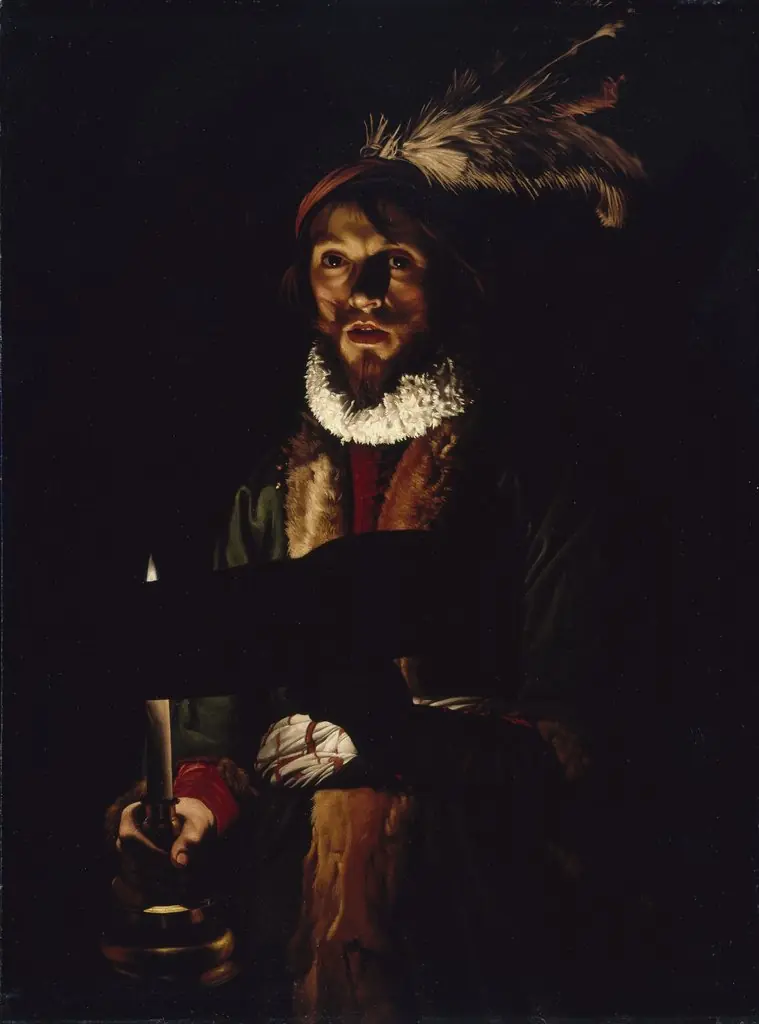 A Man Singing by Candlelight
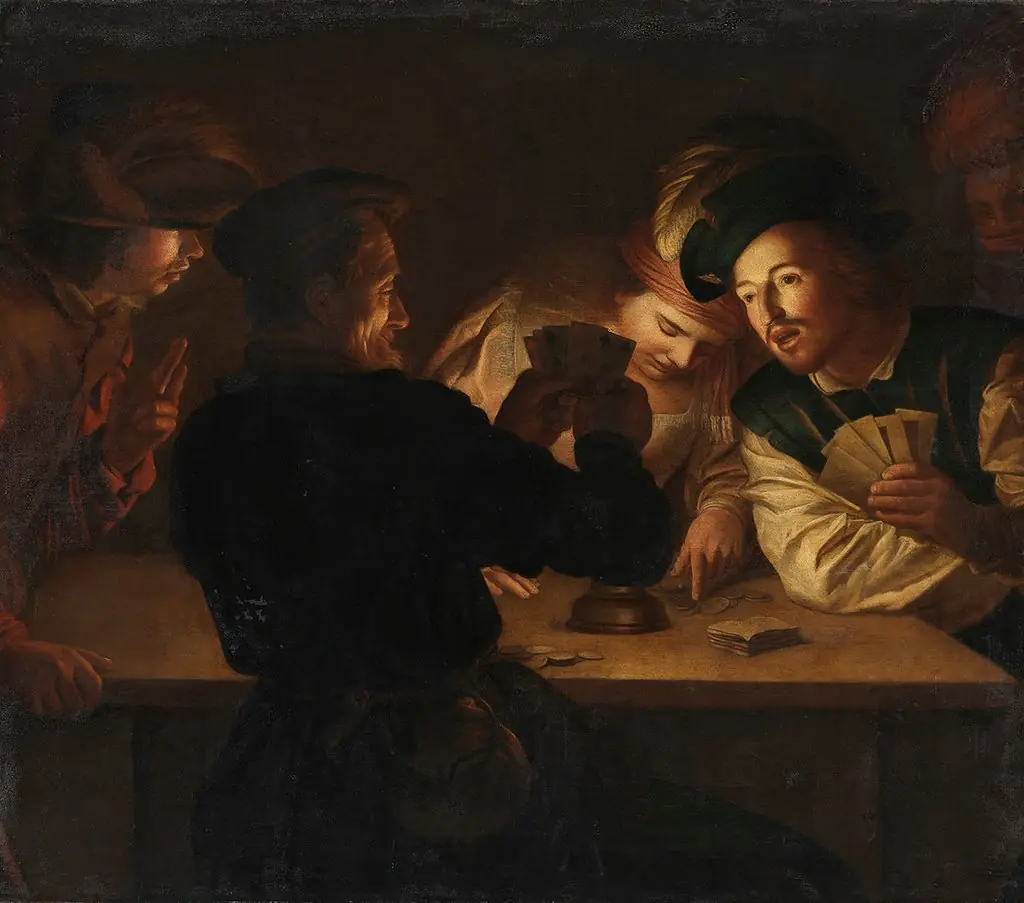 Die Falschspieler (Werkstatt)
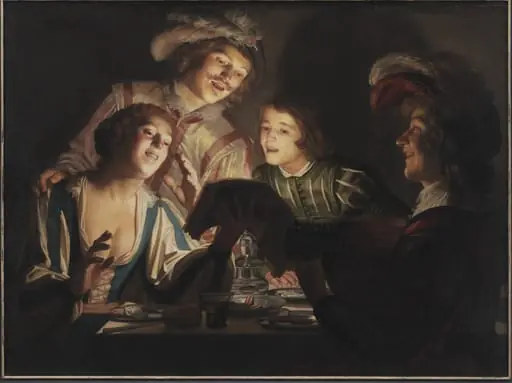 Musical Group by Candlelight
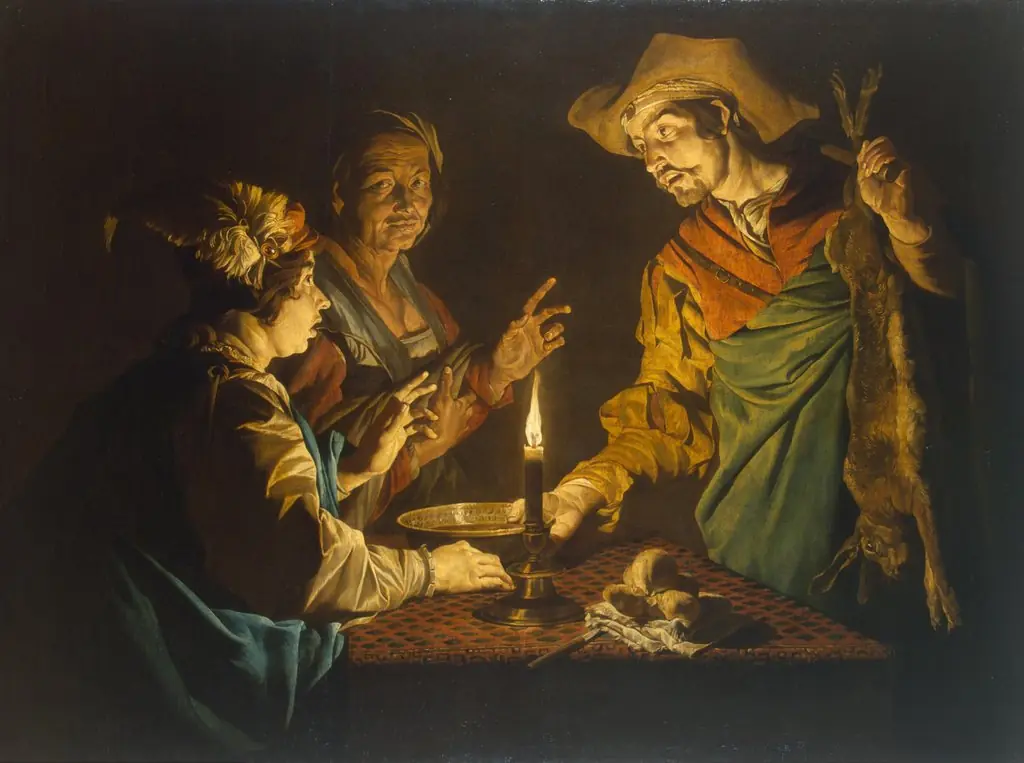 Esau and Jacob