Artwork
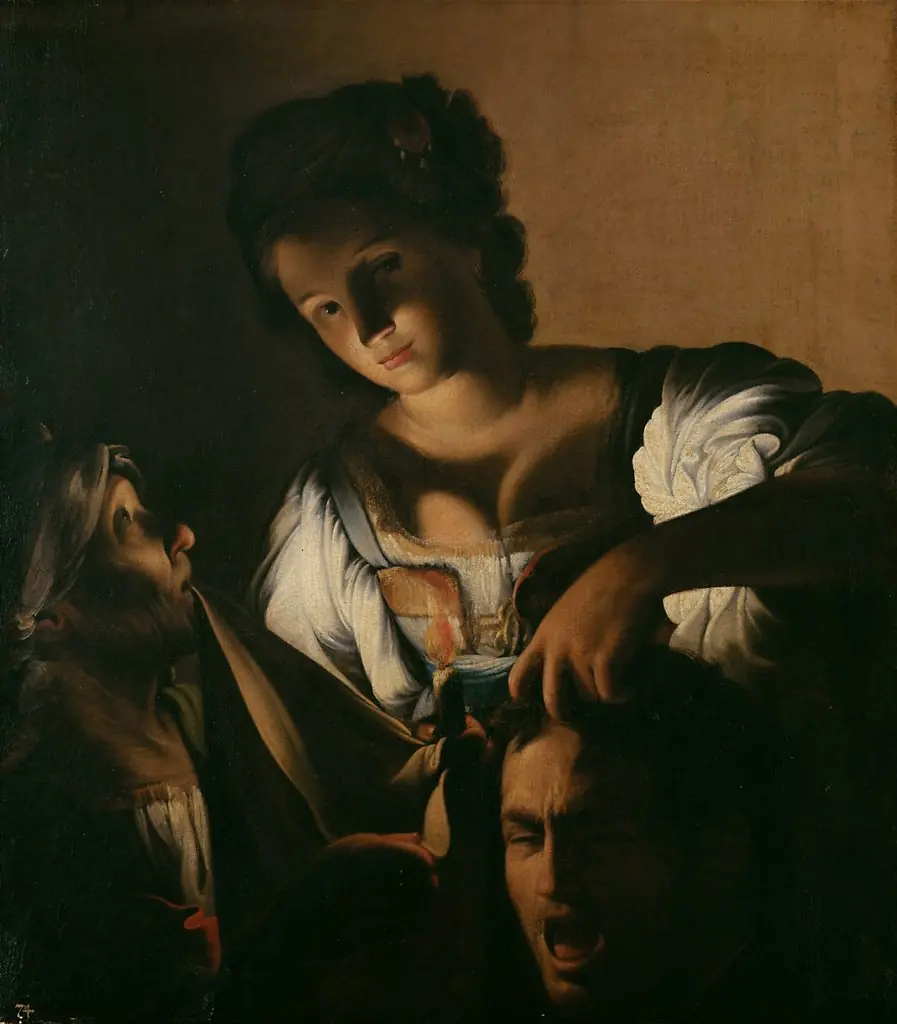
Judith Cutting Off the Head of Holofernes
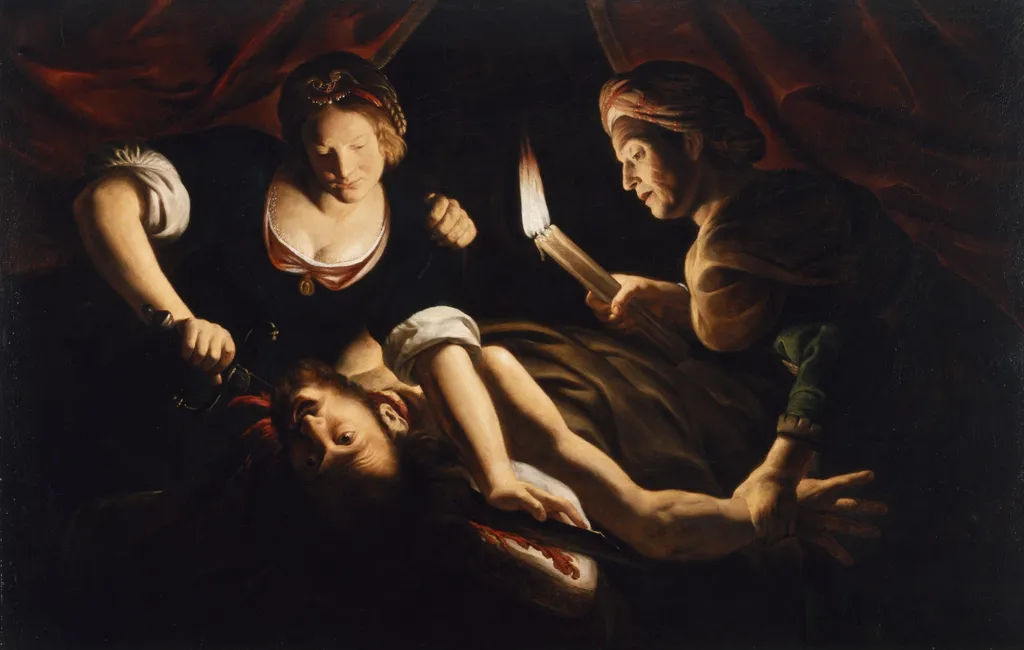
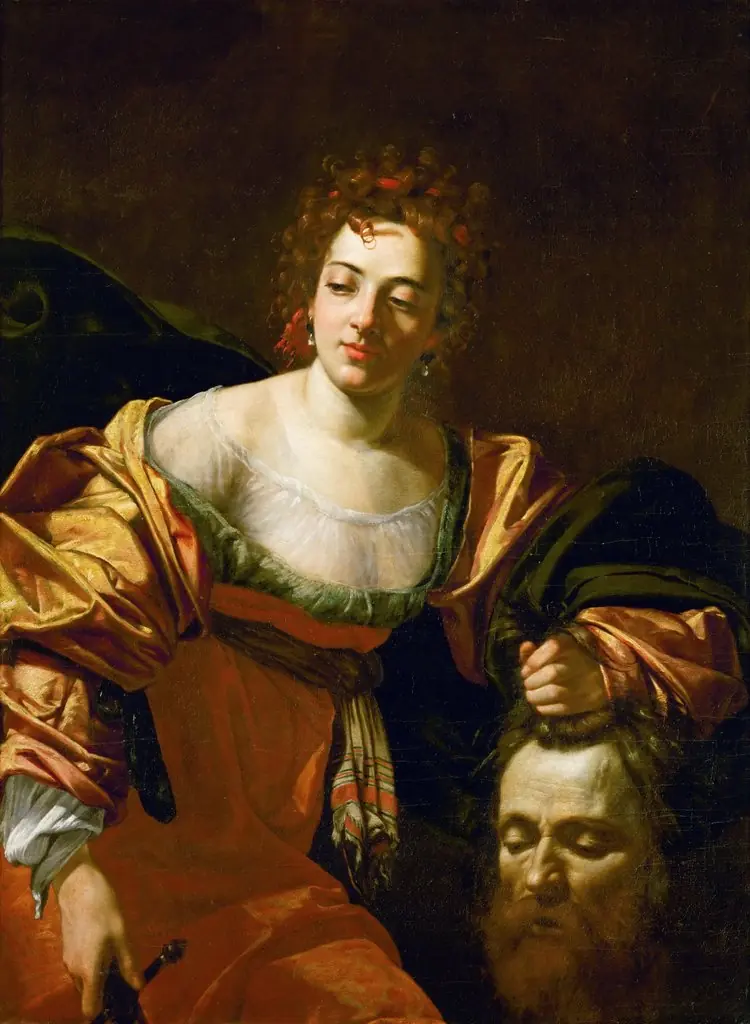
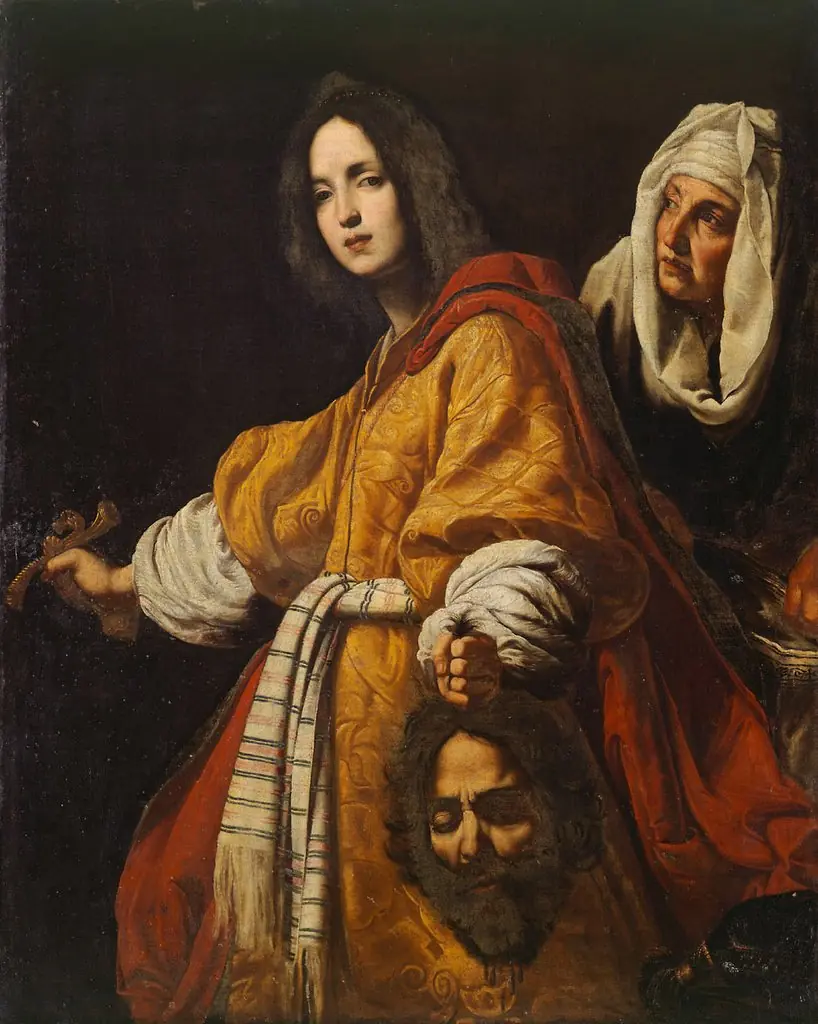
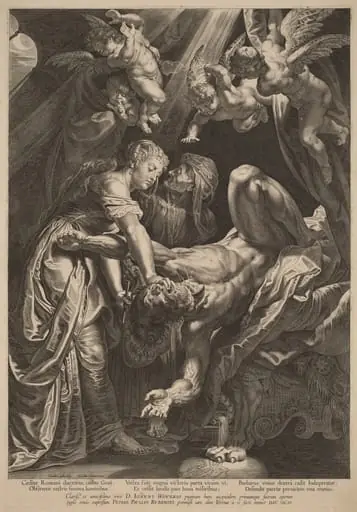
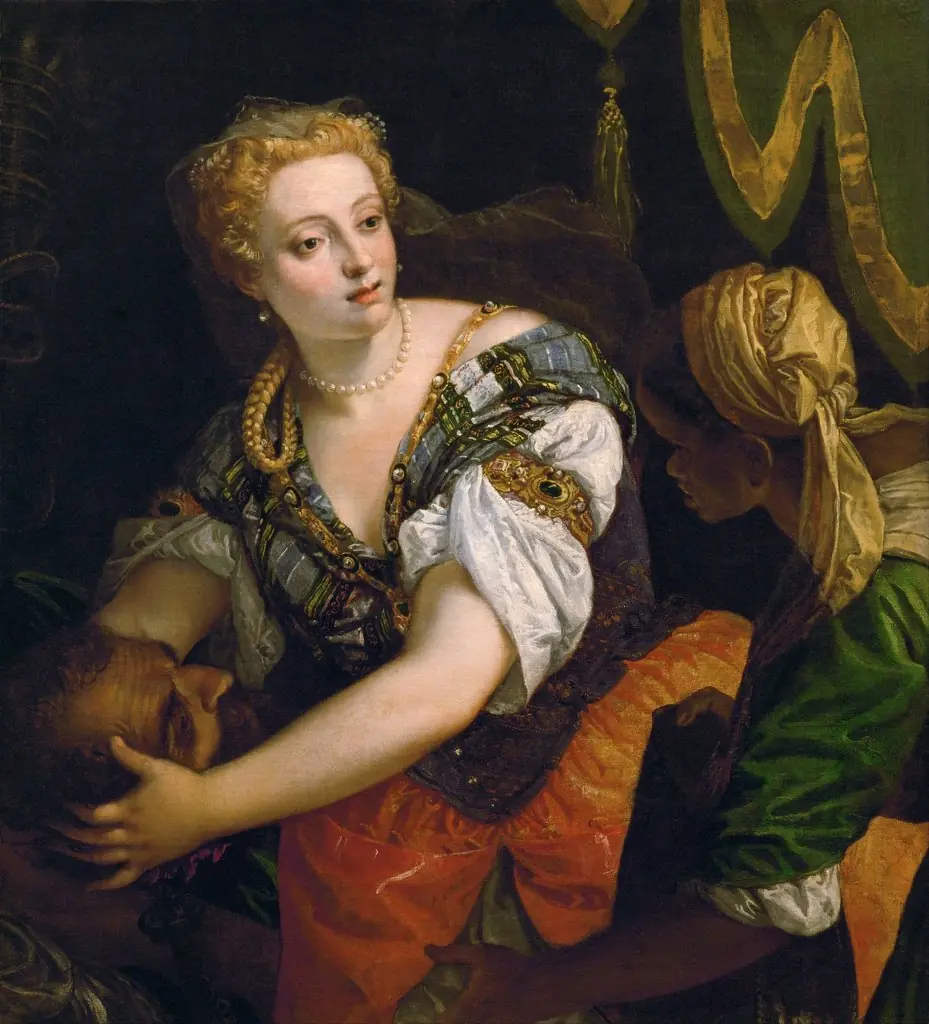
Judith Cutting Off the Head of Holofernes is an oil painting by the Early Baroque Italian artist Trophime Bigot. It dates from 1640 and is held in the collection of the Walters Art Museum.
About this work
Overview
Judith Cutting Off the Head of Holofernes is a 1640 oil painting by Trophime Bigot, a French artist known for his dramatic use of light and shadow.
Subject & Meaning
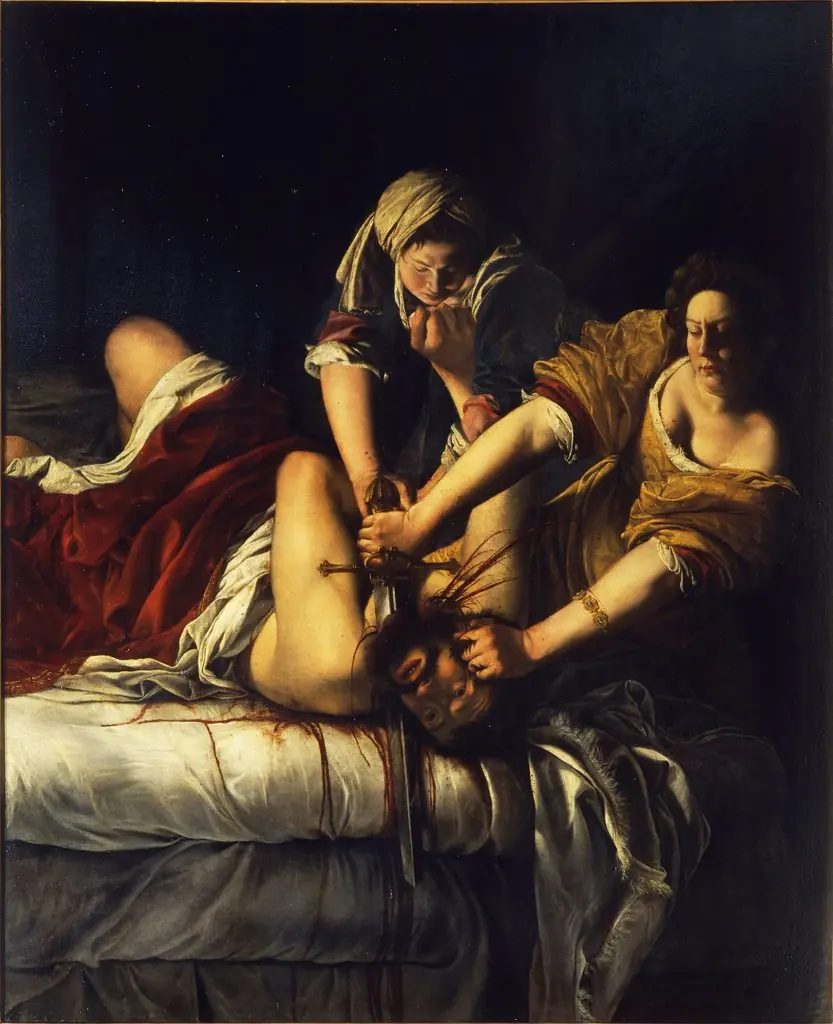
The painting depicts the biblical story of Judith beheading the Assyrian general Holofernes, capturing a moment of intense violence and emotion. Judith's serious expression contrasts with Holofernes' contorted face, conveying the gravity of the scene.
Technique & Style
Bigot's use of chiaroscuro creates a sense of depth and volume, emphasizing the figures and their interaction. The strong contrast between light and dark adds to the dramatic effect, characteristic of the early Baroque Italian tradition.
History & Provenance
Bigot, active in Rome and Provence, worked in Italy from 1620 to 1634 before returning to France. The painting is now held in the Walters Art Museum.
Artist & collection
Artist
Trophime Bigot (1579–1650), also known as Théophile Bigot, Teofili Trufemondi, the Candlelight Master (Maître à la Chandelle), was a French painter of the Baroque era, active in Rome and his native Provence.