Artwork
Amor și Psyche
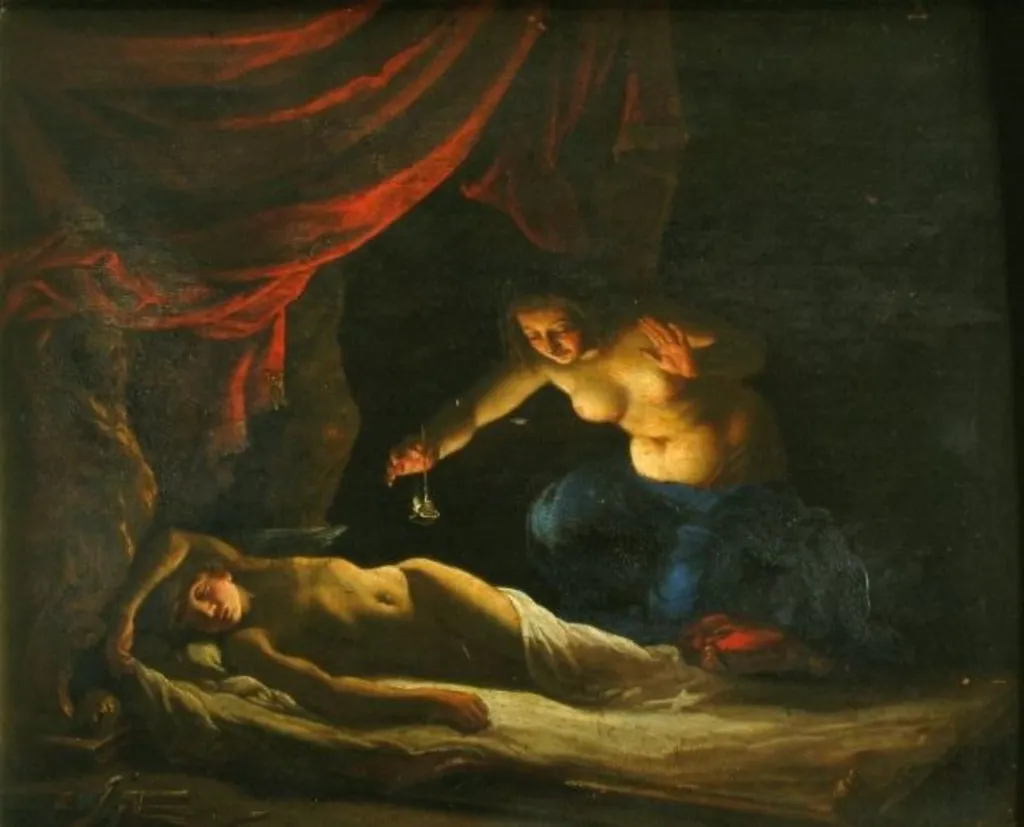
Amor și Psyche is an unspecified painting by the Byzantine icon painting artist Alessandro, zis L'Orbetto Turchi. It is held in the collection of the Brukenthal National Museum.
About this work
Overview
The work titled “Amor și Psyche” presents a nocturnal interior where two figures occupy a modest space. One figure reclines on a bed, partially concealed by a sheet, while a second figure kneels nearby, cradling a softly illuminated object. A deep red curtain hangs behind them, obscuring an indeterminate shape in shadow.
Subject & Meaning
The composition suggests an intimate encounter, possibly alluding to the myth of Cupid (Amor) and Psyche, though the identities are not explicitly defined. The glowing object held by the kneeling figure may symbolize a divine or transformative light, hinting at themes of love, revelation, or awakening within a private, concealed setting.
Technique & Style
The artist employs chiaroscuro, juxtaposing a limited, warm illumination against a predominately dark background. The light emanates from the handheld source, casting subtle highlights on the figures and fabric while leaving much of the faces in shadow. This contrast heightens the scene’s drama and draws attention to the tactile qualities of cloth and flesh.
History & Provenance
No specific details about the work’s creation date, artist, or ownership history are provided. The title, rendered in Romanian, indicates a possible cultural or linguistic origin, but further provenance remains undocumented.
Context
The painting aligns with a tradition of Baroque-inspired nocturnes that explore the interplay of light and darkness to convey narrative tension. By referencing the Amor‑Psyche myth, it situates itself within a lineage of artworks that reinterpret classical love stories through intimate, domestic scenes.
Artist & collection
Artist
Alessandro, zis L'Orbetto Turchi
Alessandro Turchi liked to sneak up on beauty. He painted in Verona, where he ran a busy studio that cranked out altarpieces while he slipped in tiny love scenes that feel almost modern—tiny heads, soft light, like…

 Tarquin Threatening Lucretia
 Danaë
Danaë Tarquin Threatening Lucretia
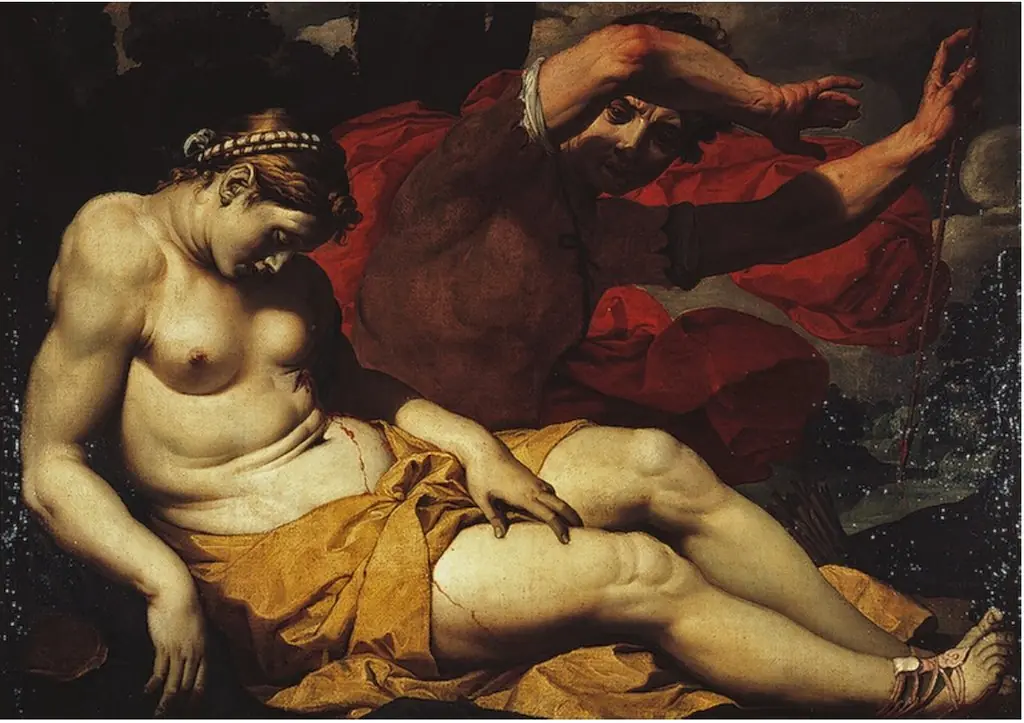 Cephalus and Procris
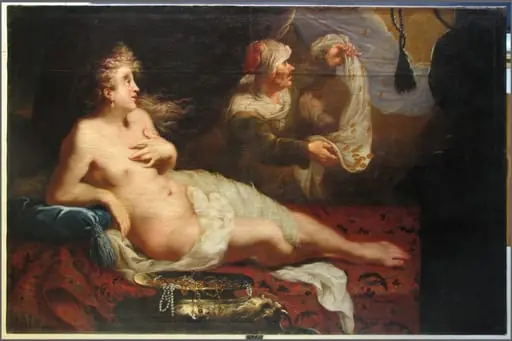 Danae (în Registrul de inventar: Jupiter în chip de ploaie de aur o cercetează pe Danae)
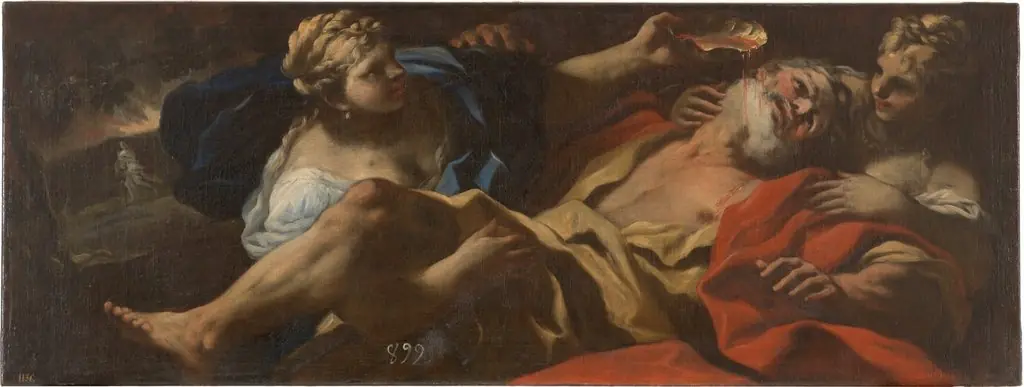 Lot embriagado por sus hijas
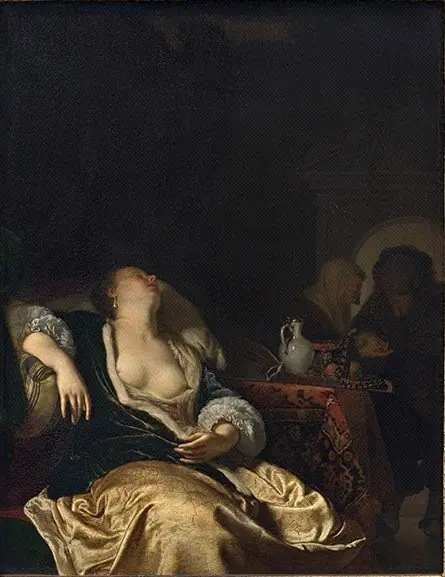 A Sleeping Courtesan
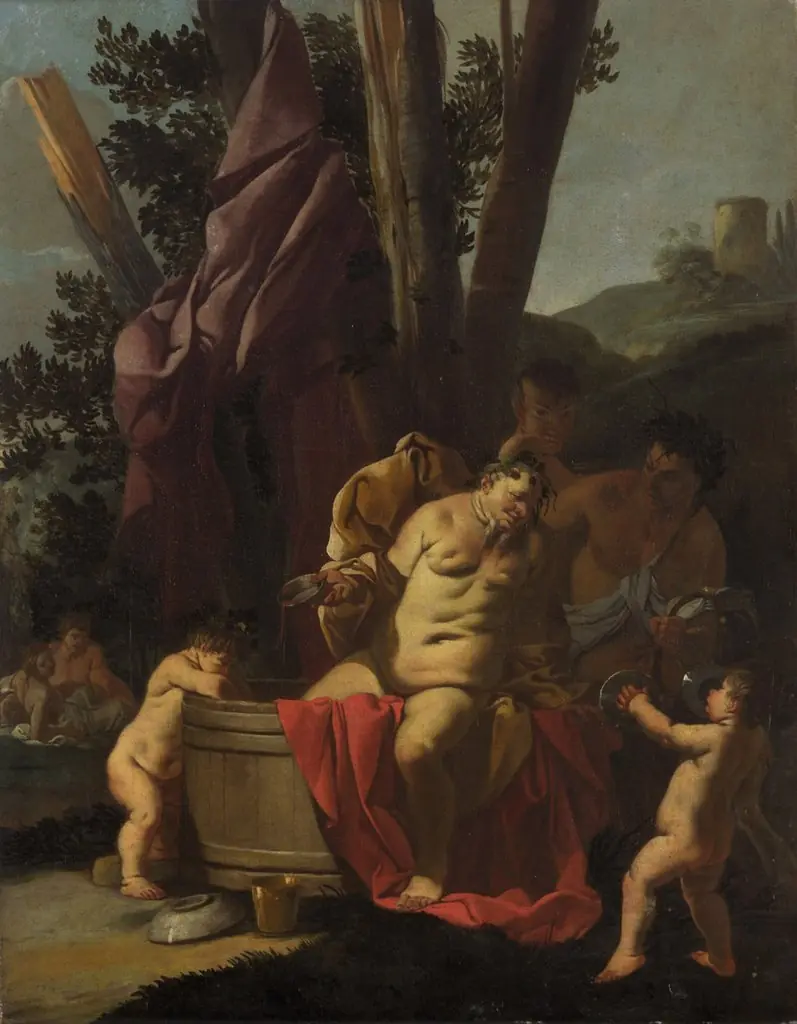 Trunkener Silen
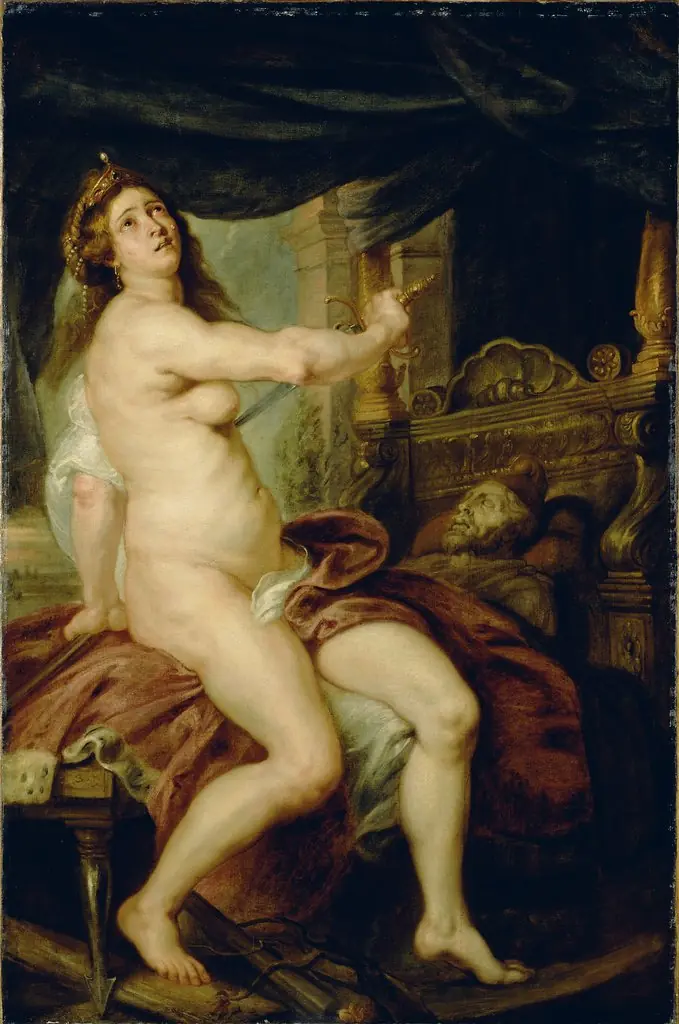 The Death of Dido
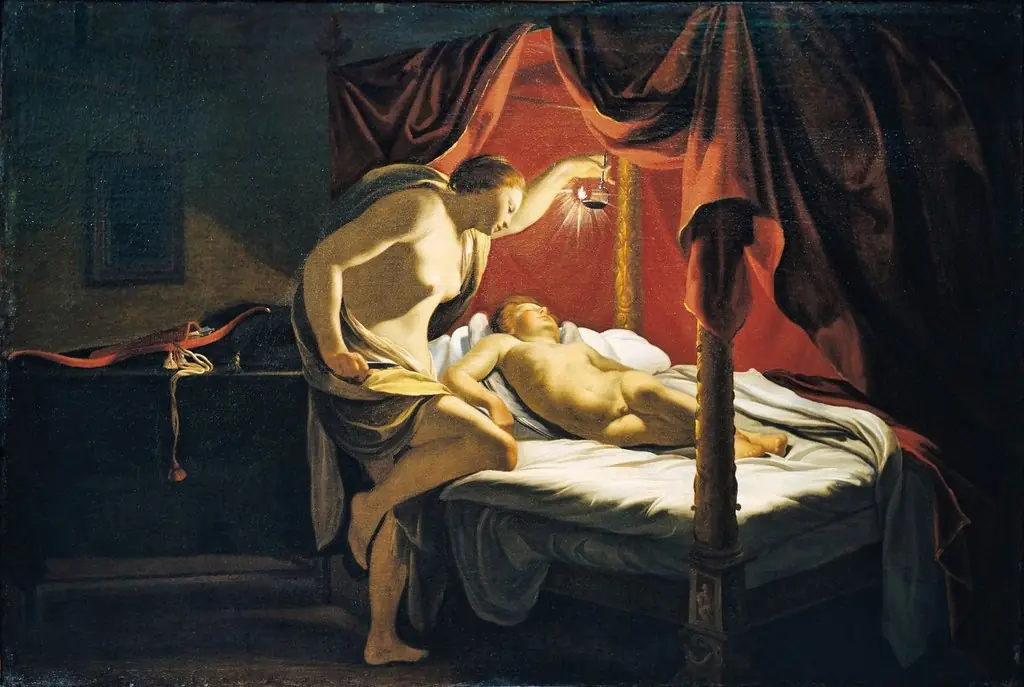 Psyché et l'Amour
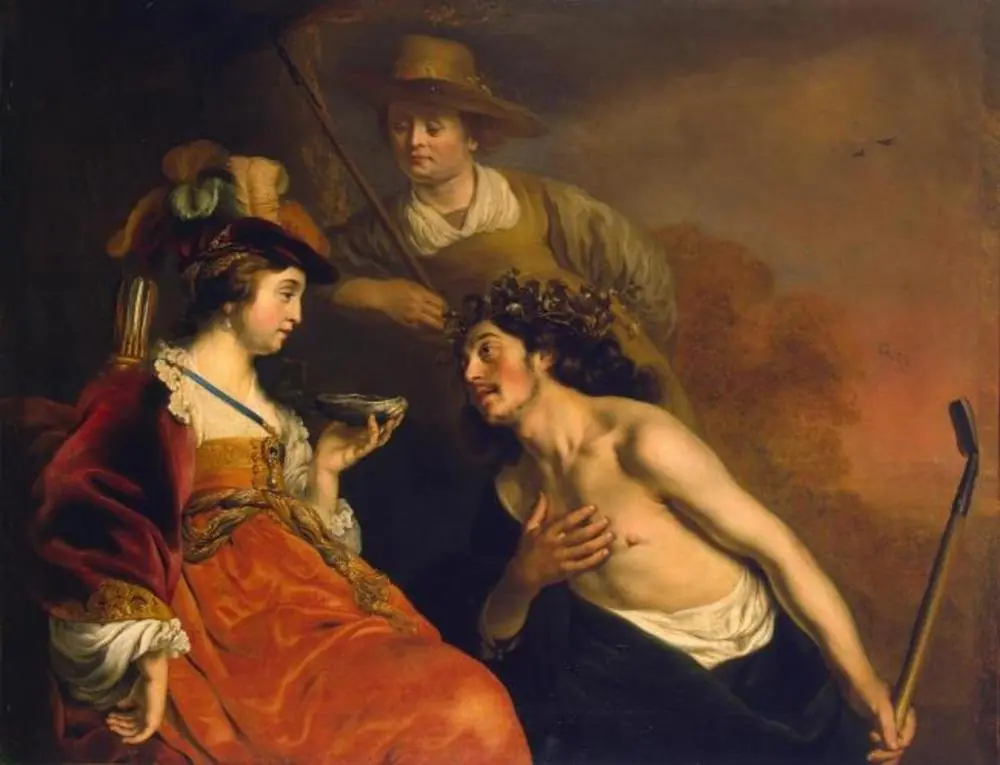 Granida and Daifilo
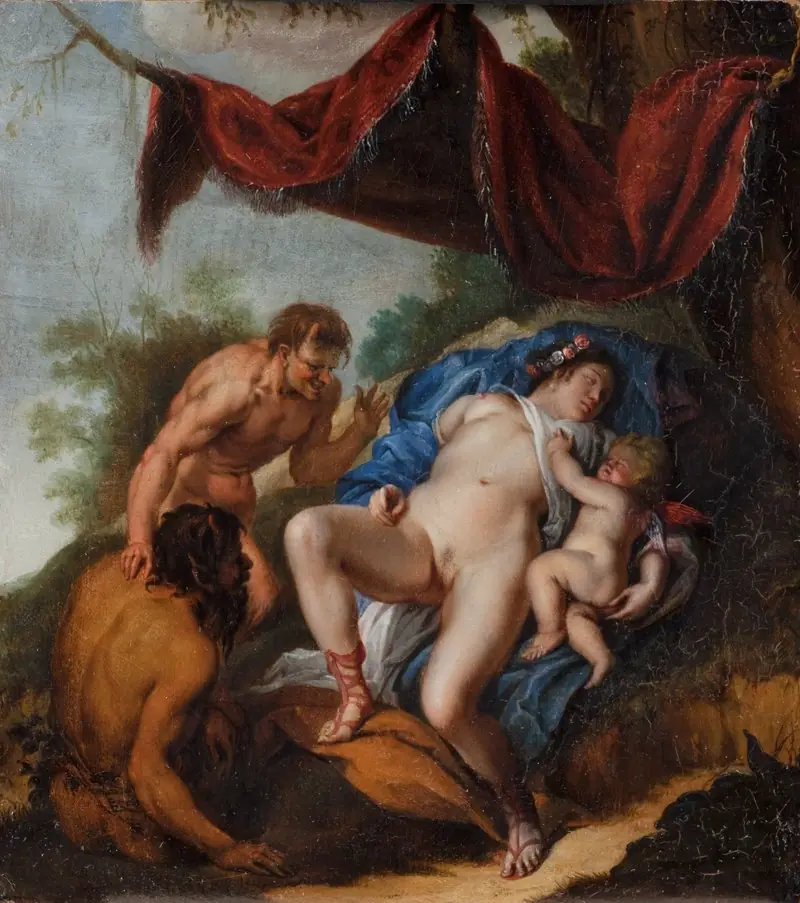 Sleeping Venus with Cupid Watched by Satyrs