Artwork
Granida and Daifilo
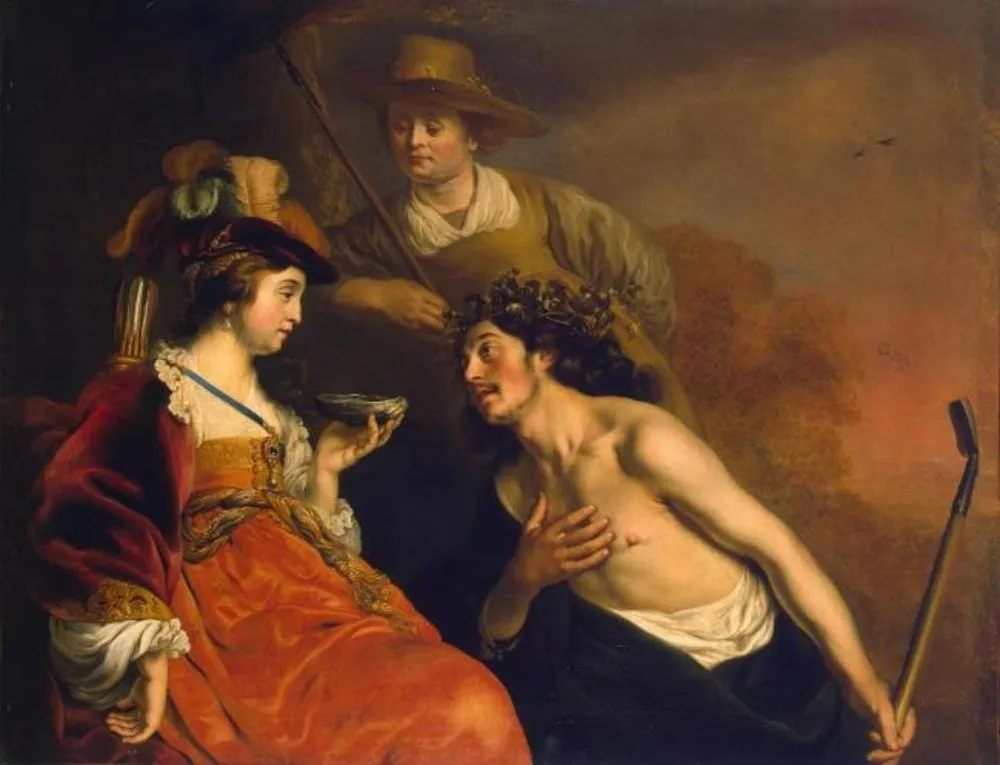
Granida and Daifilo is an oil painting by the Dutch Golden Age artist Jacob Adriaensz Backer. It dates from 1636 and is held in the collection of the Hermitage Museum.
About this work
Overview
Painted in 1636 by Jacob Adriaensz Backer, *Granida and Daifilo* is an oil-on-canvas work from the Dutch Golden Age.
Painted in 1636 by Jacob Adriaensz Backer, *Granida and Daifilo* is an oil-on-canvas work from the Dutch Golden Age. Though less known for narrative scenes than portraiture, Backer here engages with literary pastoral themes. The composition centers on three figures arranged in a quiet, intimate grouping, set against a deep, shadowed background that enhances their presence through contrast and focused lighting.
Subject & Meaning
The painting illustrates a moment from a pastoral romance involving Granida and Daifilo, characters from a 16th-century literary work by Pieter Corneliszoon Hooft. Granida, seated in red, is attended by an older male figure, while Daifilo, crowned and shirtless, gestures toward her with restrained emotion. The scene suggests a tender, possibly courtly exchange, reflecting ideals of refined love and noble demeanor common in Renaissance-inspired literature of the period.
Technique & Style
Backer employs chiaroscuro to model the figures with strong light-dark contrasts, lending volume and emotional gravity. The rich textures of Granida’s red dress and the feathered hat of the attendant reveal attention to material detail, while Daifilo’s bare torso contrasts with the opulence of his crown and staff. Brushwork is precise yet fluid, showing influence from Flemish and Utrecht painters, particularly in the handling of skin tones and fabric folds.
History & Provenance
The painting entered the collection of the State Hermitage Museum in Saint Petersburg, likely through 18th- or 19th-century acquisitions of Dutch and Flemish art. Its presence in Russia underscores the broader European interest in Dutch Golden Age narratives during the Enlightenment. No significant alterations or documented restorations are recorded, and it has remained in the museum’s holdings since at least the early 19th century.
Context
In 1630s Holland, literary pastoralism remained popular among educated elites, inspiring visual artists to depict idealized scenes of love and nature. Backer, working in Haarlem, absorbed stylistic elements from Rubens and Bloemaert, blending Italianate drama with Northern realism. This work reflects a niche within Dutch painting that prioritized narrative and psychological nuance over genre scenes or landscapes, aligning with humanist cultural currents of the time.
Legacy
While not among Backer’s most frequently reproduced works, *Granida and Daifilo* exemplifies his ability to merge literary themes with psychological subtlety. It stands as a rare example of Dutch narrative painting rooted in continental romance rather than biblical or mythological tradition. The painting contributes to understanding the breadth of subject matter pursued by Dutch artists beyond domestic interiors and still lifes.
Artist & collection
Artist
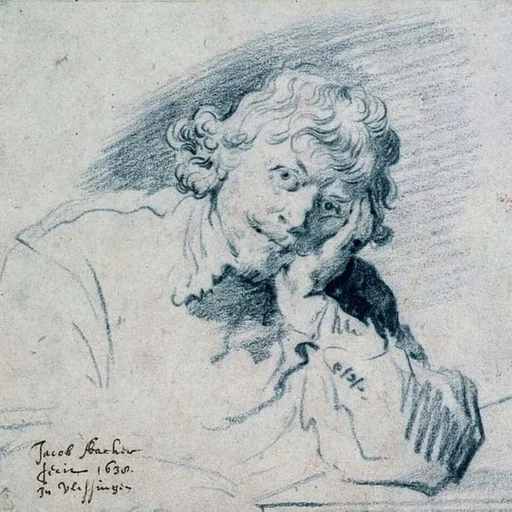
Jacob Adriaensz Backer (1608 – 27 August 1651) was a Dutch Golden Age painter. He produced about 140 paintings in twenty years, including portraits, religious subjects, and mythological paintings. In his style, he was…

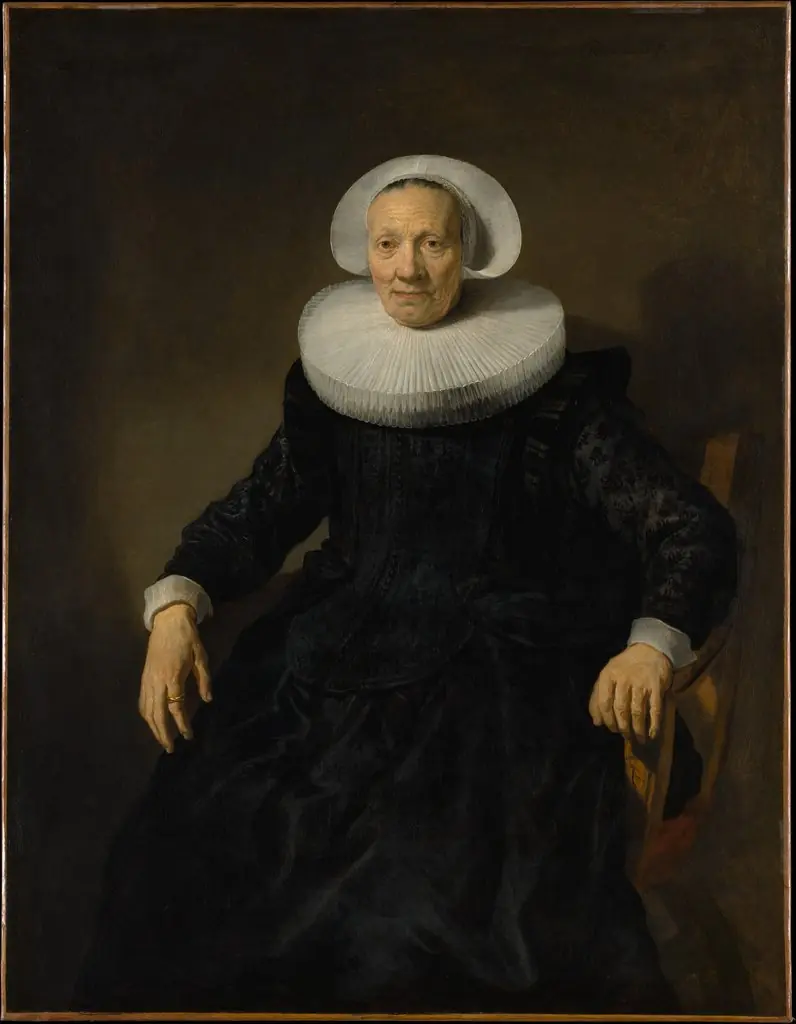 Old Woman in an Armchair
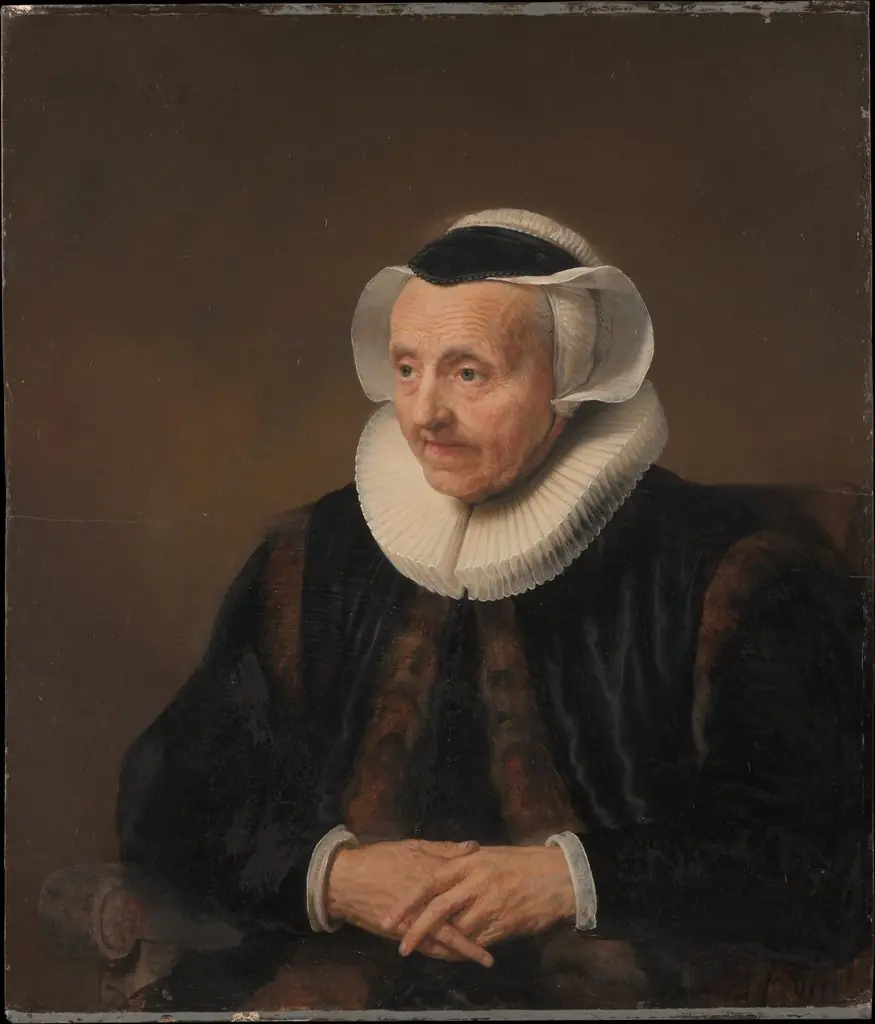 Portrait of an Old Woman
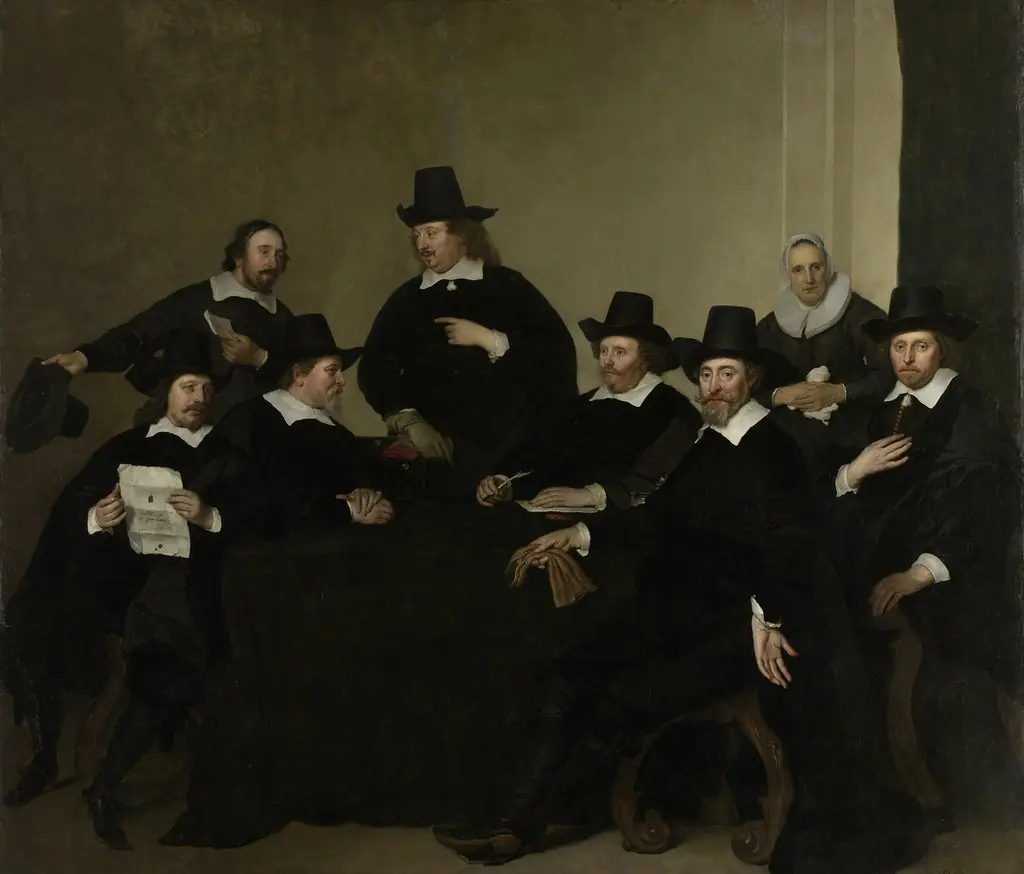 The regents of the Nieuwe Zijds institute for the outdoor relief of the poor, Amsterdam, ca 1650
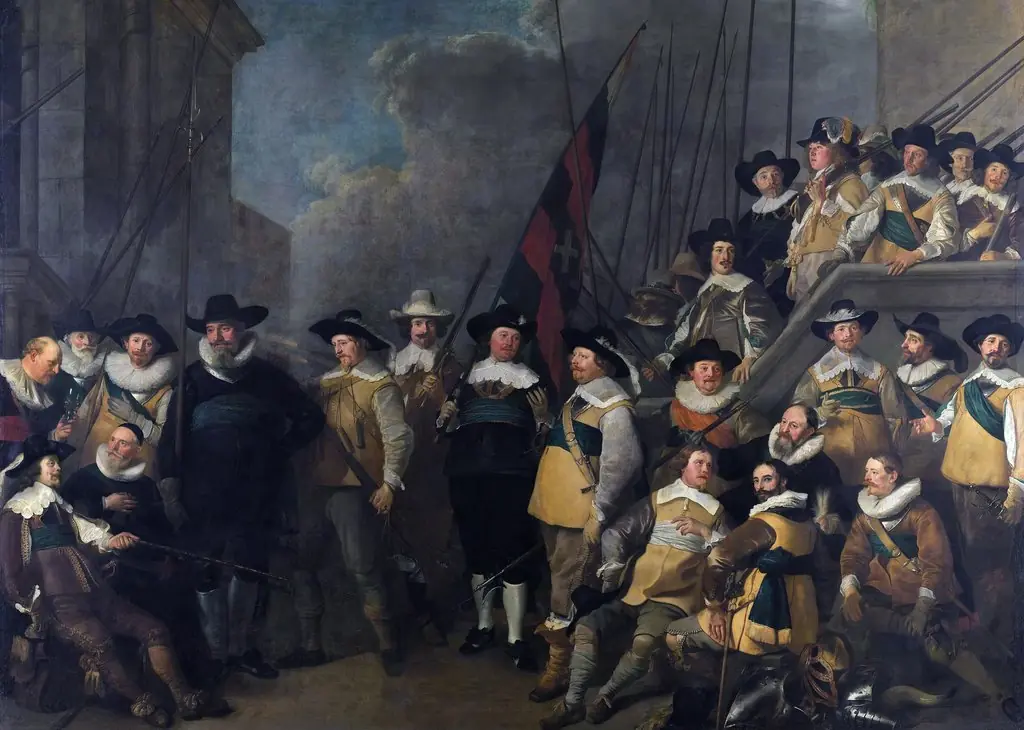 Officers and other Civic Guardsmen of the V District in Amsterdam under the command of Captain Cornelis de Graeff and Lieutenant Hendrick Lauwrensz
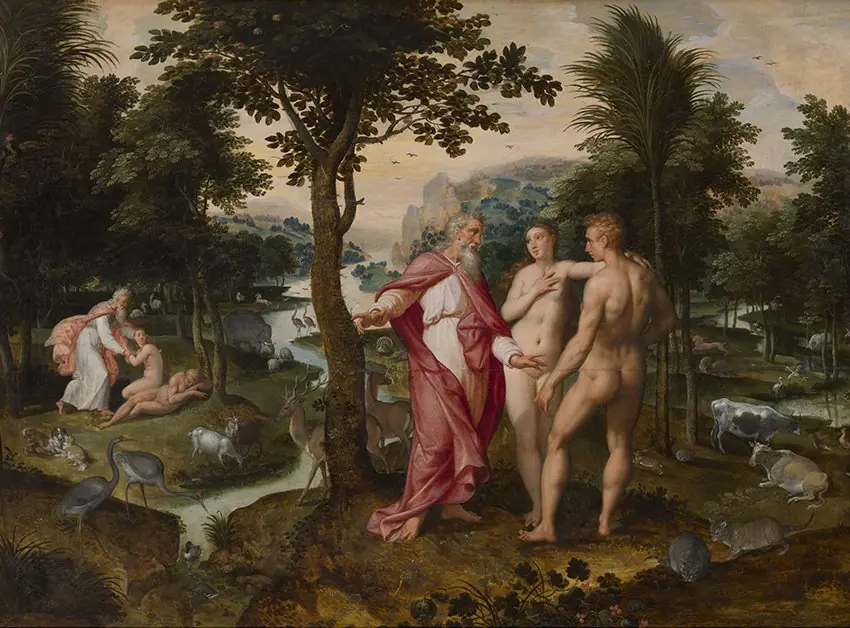 The Garden of Eden
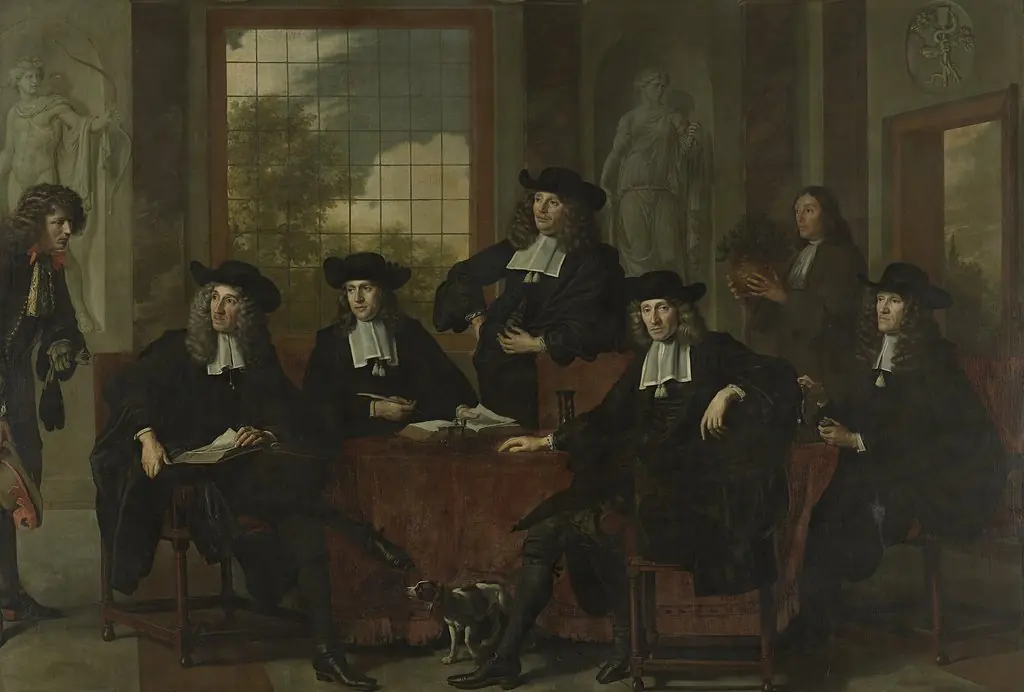 The superintendents of the Collegium Medicum in Amsterdam
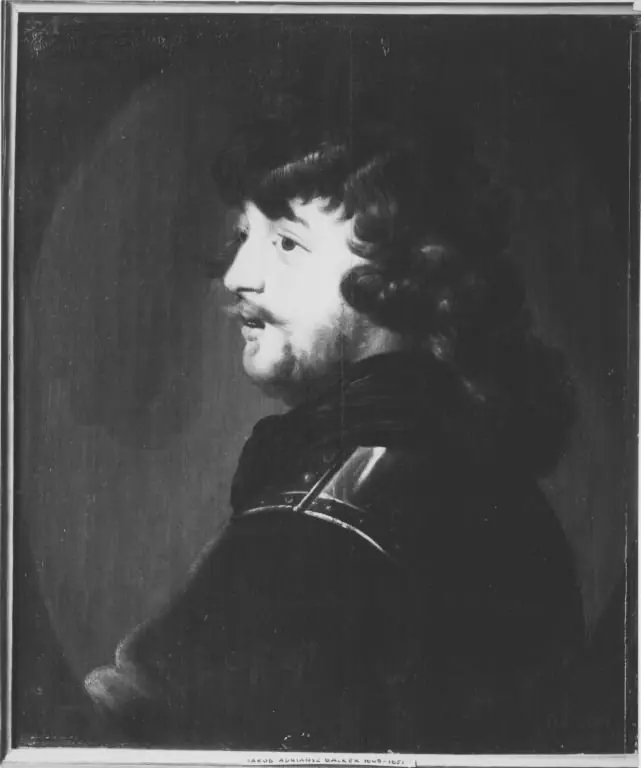 Portrait of a man in armor (self-portrait)
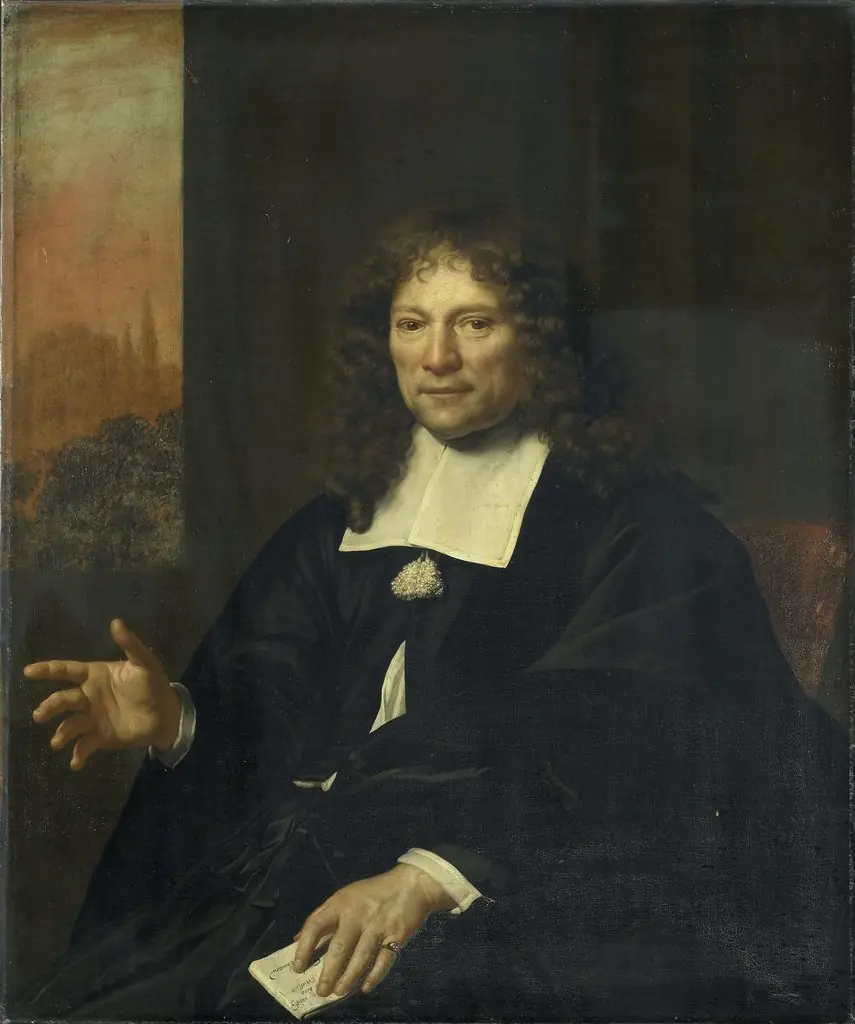 Portrait of Daniel Nellius, elder of the Remonstrant church and sampling official of Alkmaar
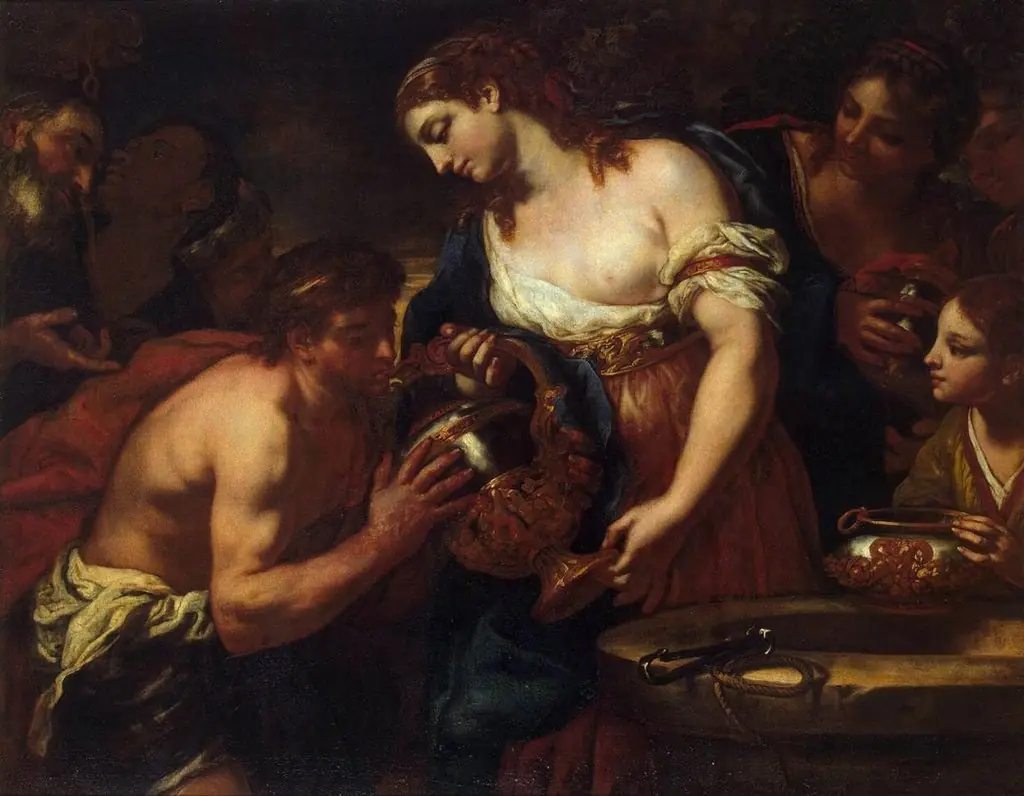 Eleazar and Rebekah at the Well
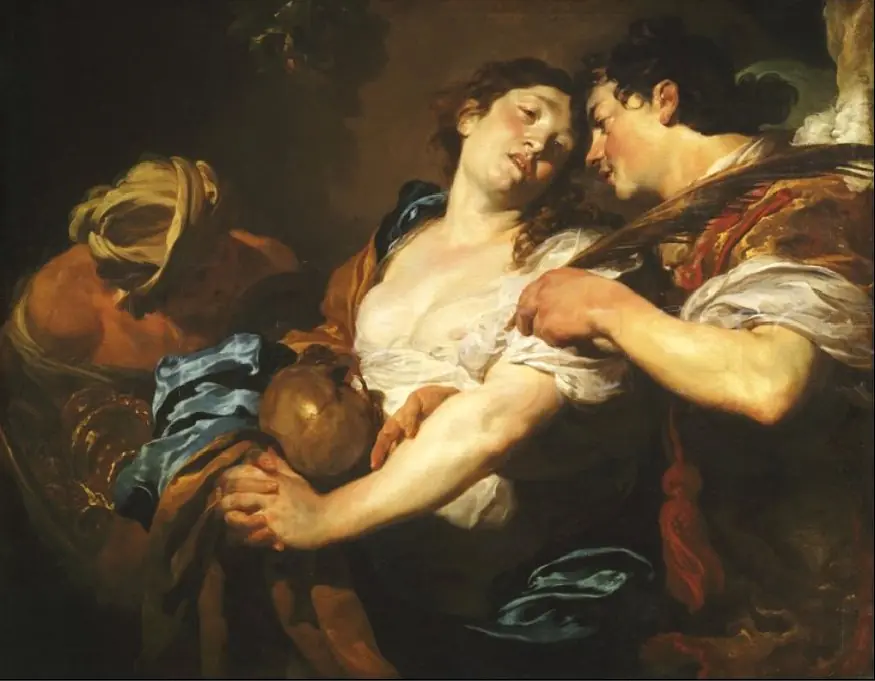 Temptation of Saint Mary Magdalen
 Venus and Adonis
 Christ Appearing to Mary Magdalene
 Vertumnus and Pomona
 The Death of Eurydice
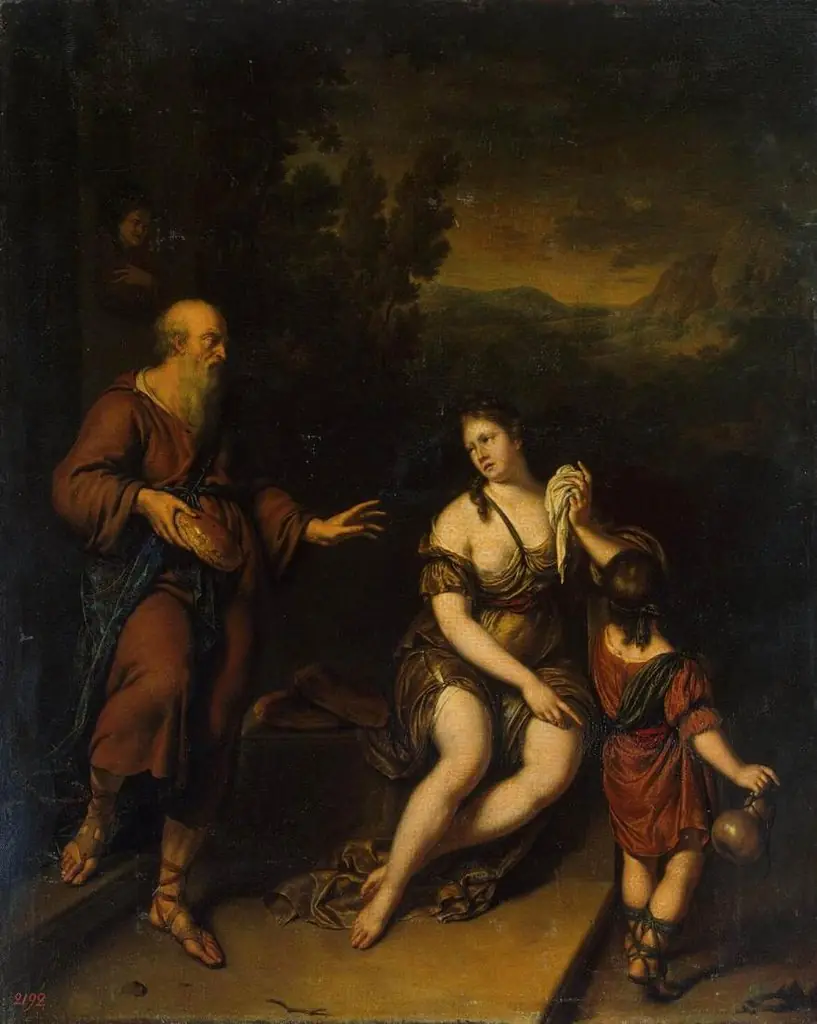 Banishment of Hagar and Ishmael
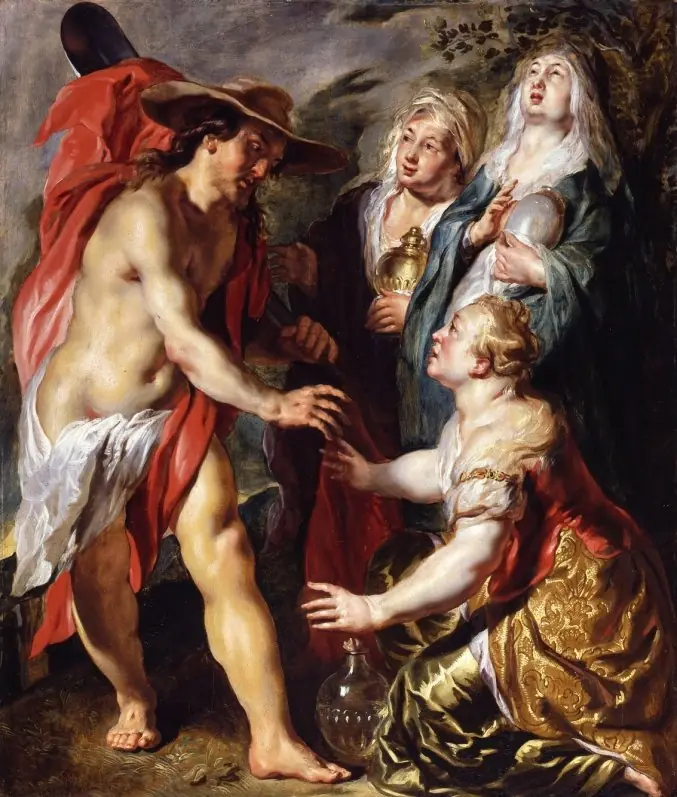 Christ appears as a gardener to the three Marys
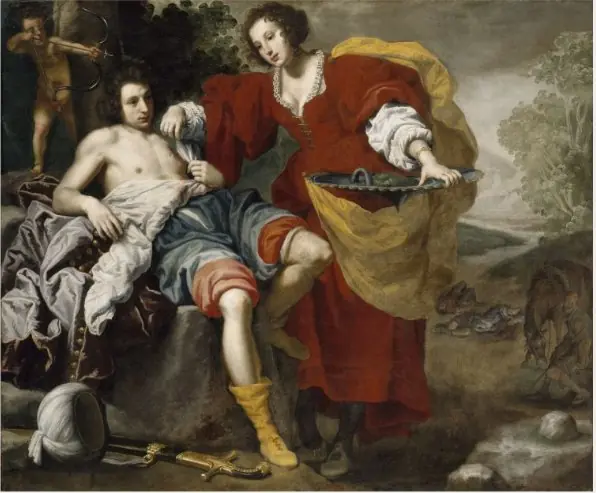 Angelica and Medoro
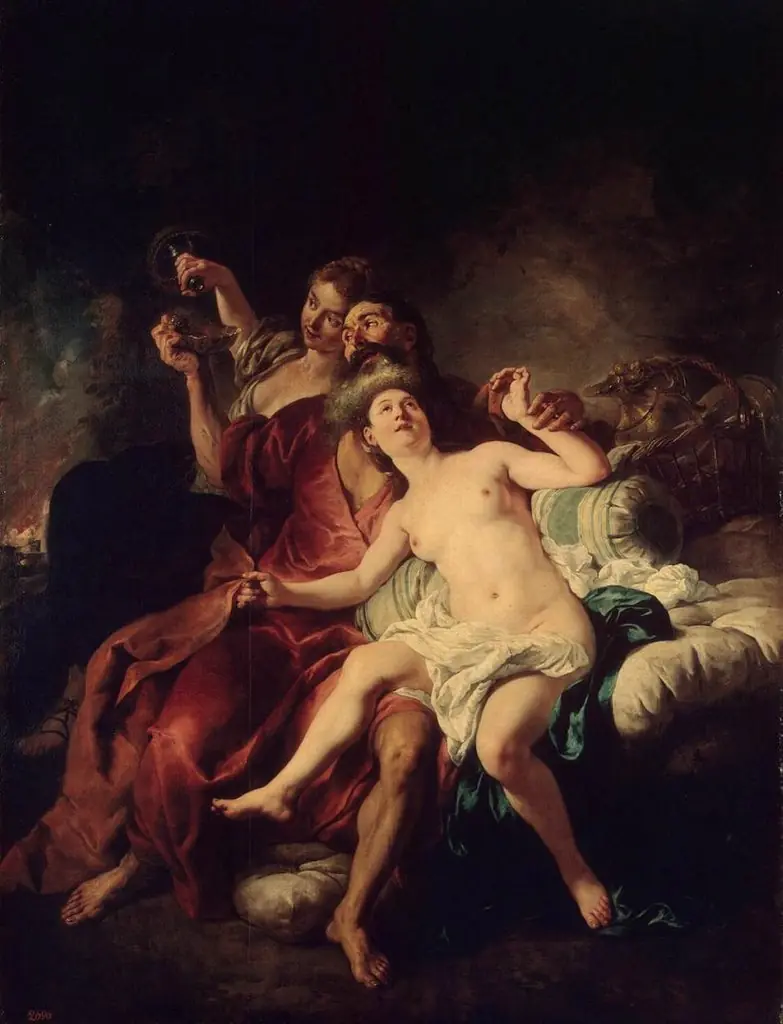 Lot with His Daughters
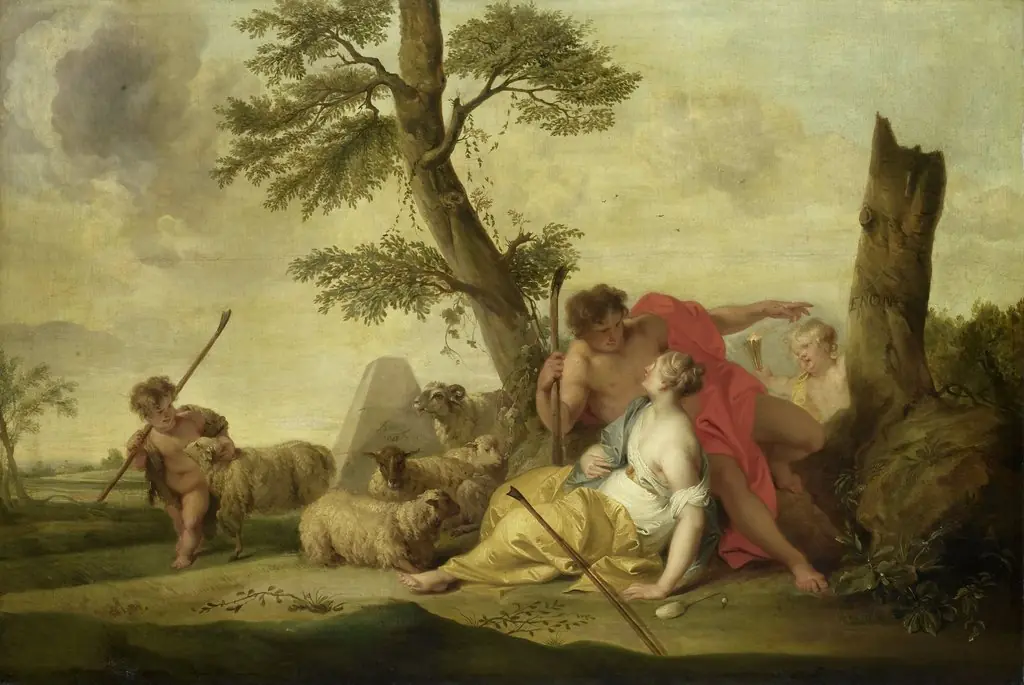 Paris and Oenone
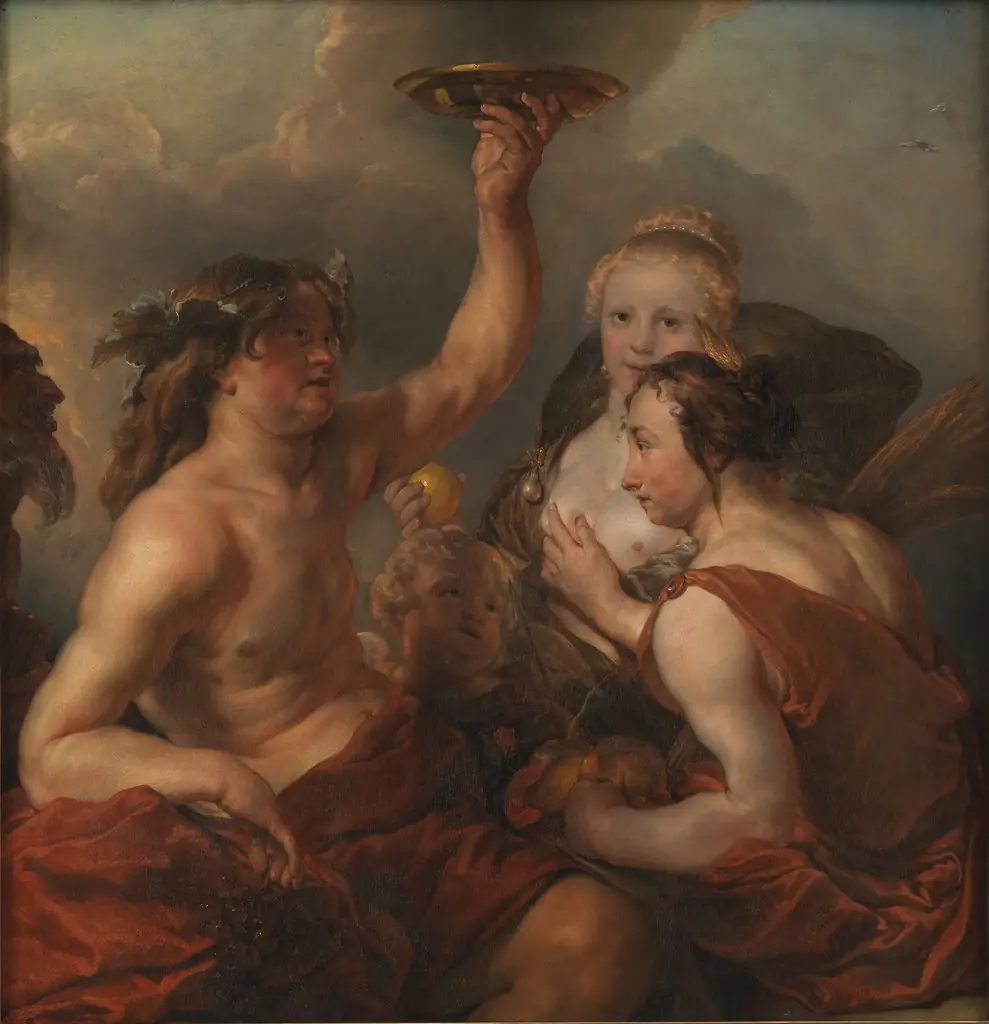 Bacchus, Ceres and Venus