Artwork
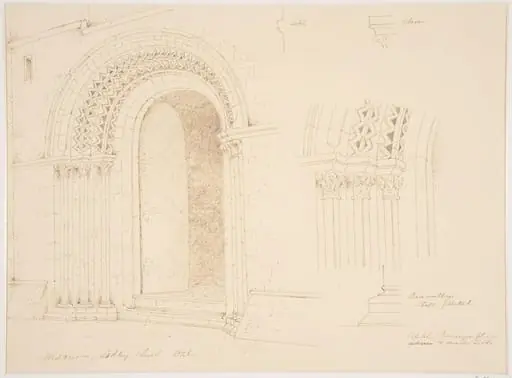
Tewkesbury Abbey
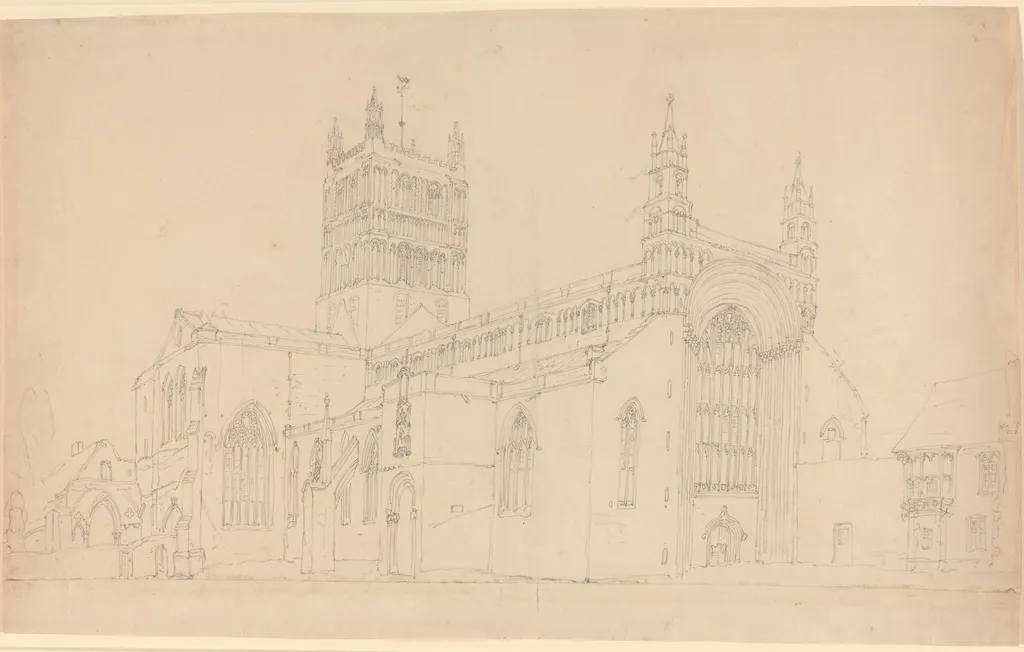
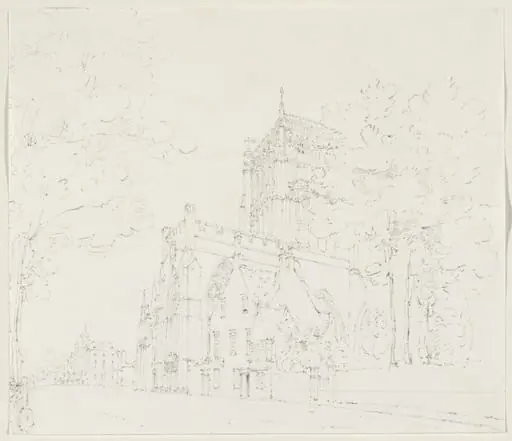
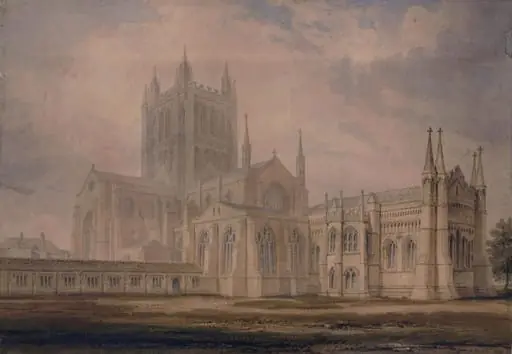
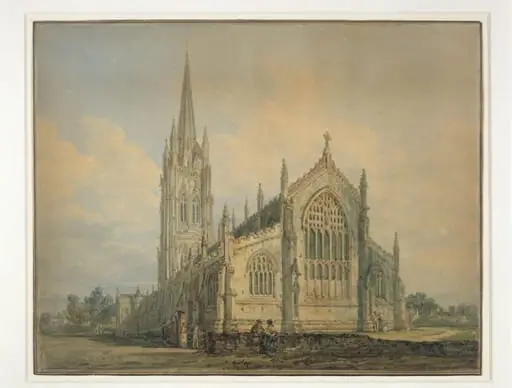
Tewkesbury Abbey is a graphite drawing by the Romanticist artist Joseph Mallord William Turner. It dates from 1813 and is held in the collection of the National Gallery of Art.
About this work
The lines feel loose but precise, like he caught the building’s height in a quick breath.
This sketch shows Tewkesbury Abbey’s tall, gothic arches rising into shadowy space. Turner drew it with graphite on paper in 1827. The lines feel loose but precise, like he caught the building’s height in a quick breath.
Turner often traveled to record old abbeys before they changed. This one has ribbed vaults and clustered columns that frame the sky. The darker shading makes the stone look heavy yet light at once.
See how he lets the paper show through for bright spots. It’s not fully finished, but you still feel the place. Look up Turner’s Tewkesbury watercolor next at the National Gallery of Art, Washington.
Overview
Joseph Mallord William Turner produced a graphite drawing of Tewkesbury Abbey in 1827, capturing the structure during one of his many topographical journeys across England. The work is a study in light and form, rendered with minimal strokes on paper, emphasizing the abbey’s verticality and atmospheric presence rather than detailed completion.
Subject & Meaning
The drawing focuses on the abbey’s soaring Gothic architecture—ribbed vaults, clustered piers, and narrow windows—framing patches of sky. Turner’s choice to depict the ruin in partial shadow suggests a meditation on time and decay, aligning with his broader interest in recording medieval sites before industrial or architectural transformation altered them.
Technique & Style
Turner employed graphite with controlled looseness, using varied pressure to suggest weight and depth. He left areas of the paper bare to imply sunlight striking stone, creating contrast without heavy shading. The lines are economical yet deliberate, conveying structure through suggestion rather than definition, a hallmark of his observational method.
History & Provenance
This drawing was made during Turner’s extensive travels in the 1820s, when he systematically documented historic buildings. It likely served as a preparatory study for later watercolors or paintings. Its survival reflects Turner’s habit of preserving sketches as records, not merely as artistic exercises, and it remains part of the broader corpus of his topographical work.
Context
In the 1820s, antiquarian interest in medieval ruins was growing, and Turner’s drawings contributed to a visual archive of England’s ecclesiastical heritage. His approach differed from rigid topographical surveys: he prioritized mood and spatial rhythm, aligning his work with Romantic sensibilities that valued emotional resonance over exact replication.
Legacy
The drawing exemplifies Turner’s ability to distill architectural grandeur into fleeting, intimate sketches. It influenced later artists who sought to convey atmosphere through minimal means. Today, it stands as a quiet testament to his practice of observing and recording the English landscape with both precision and poetic restraint.
Artist & collection
Artist
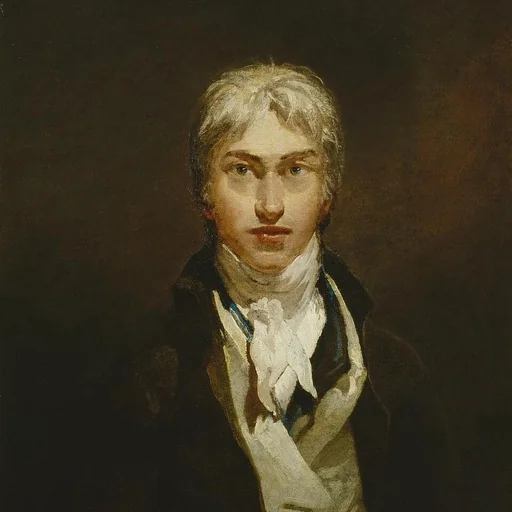
Joseph Mallord William Turner was born in 1775 at Maiden Lane, Covent Garden, where his father kept a barber and wig-making shop.

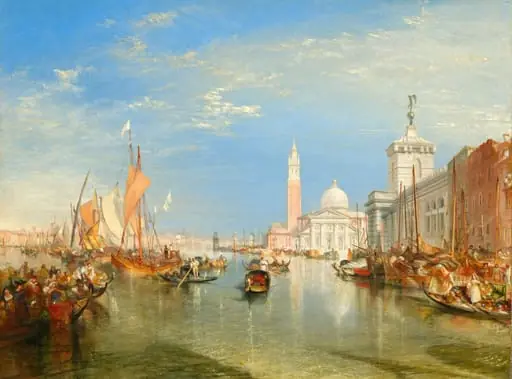
![The New Church of St. Mary - Old Hagerston [sic], July 1827, by T. H. Shepherd](https://artifactworldgallery.com/img/t-h-shepherd--the-new-church-of-st-mary-old-hagerston-sic-july-1827--b5b98602e349ff69-w320.webp)