Artwork
Untitled
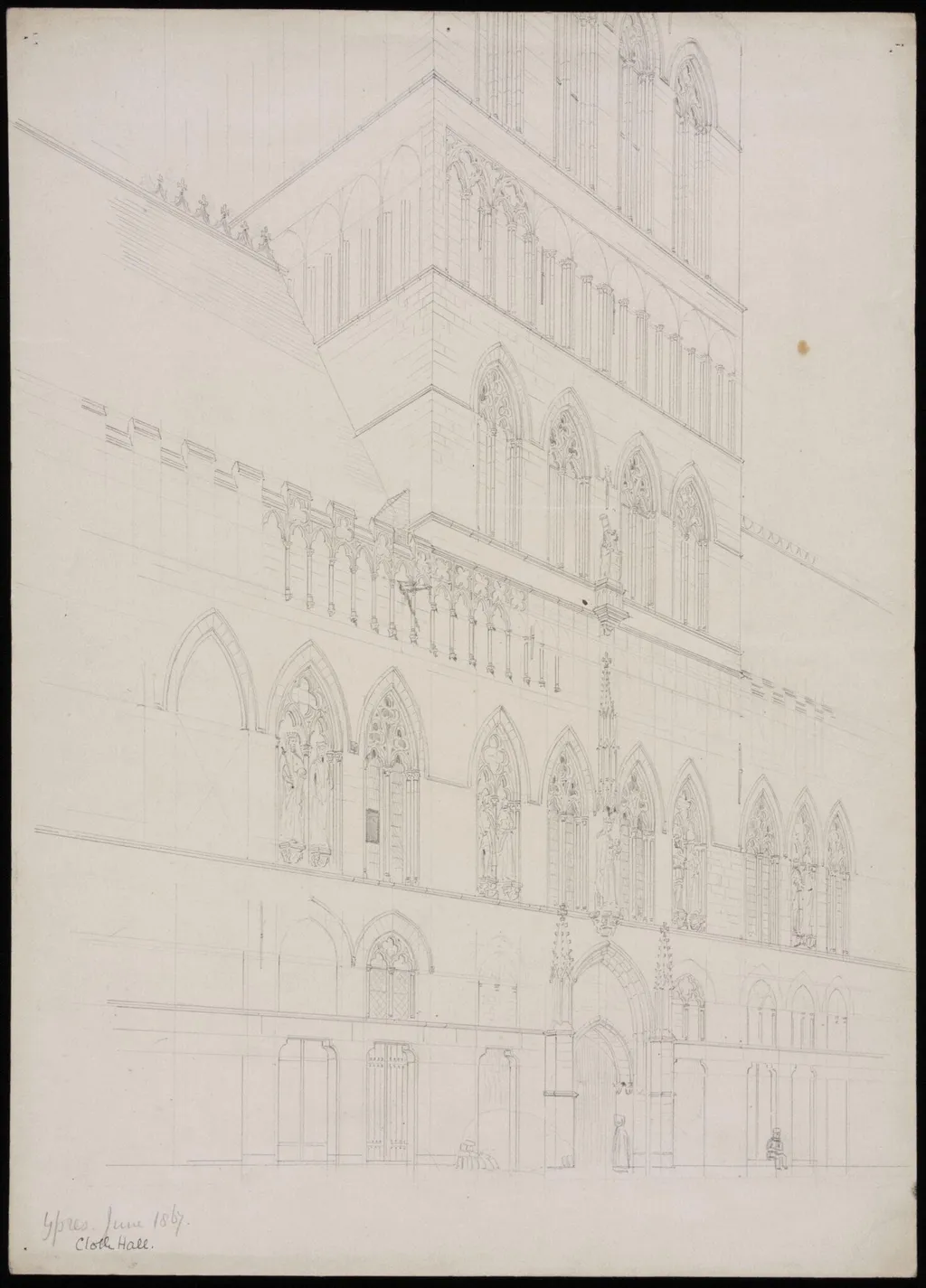
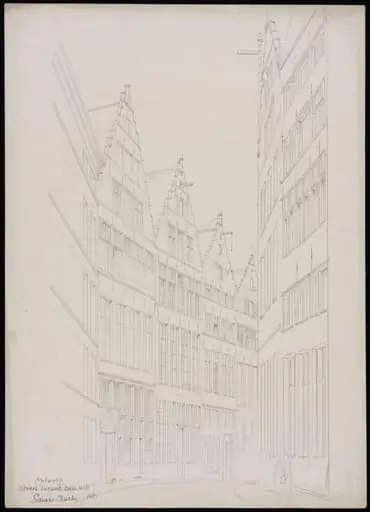
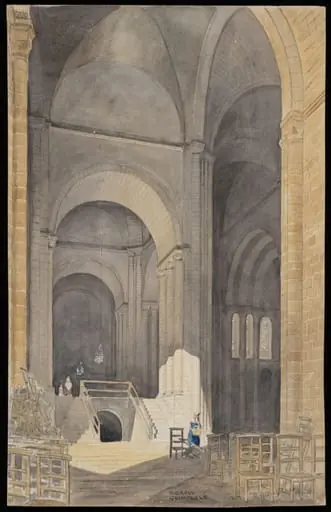
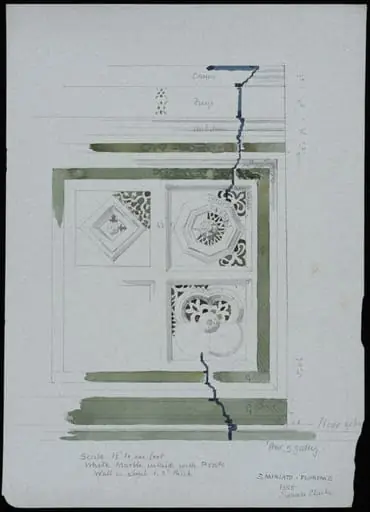
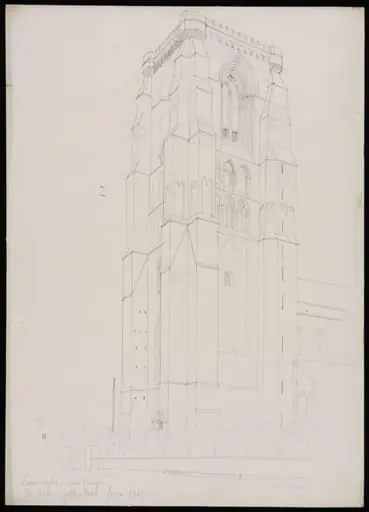
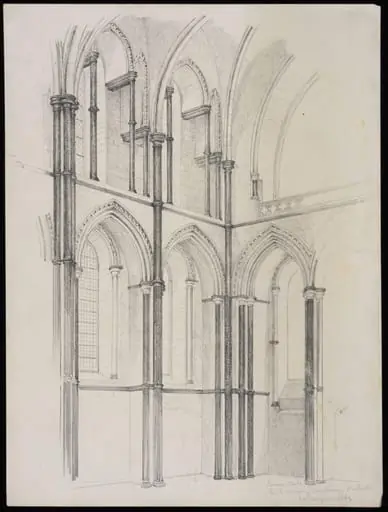
Untitled is a drawing by the Impressionist artist Somers Clarke. It dates from 1897 and is held in the collection of the Victoria and Albert Museum. Created in 1897 by Clarke Somers, this pencil drawing is part of the Victoria and Albert Museum’s collection.
About this work
Overview
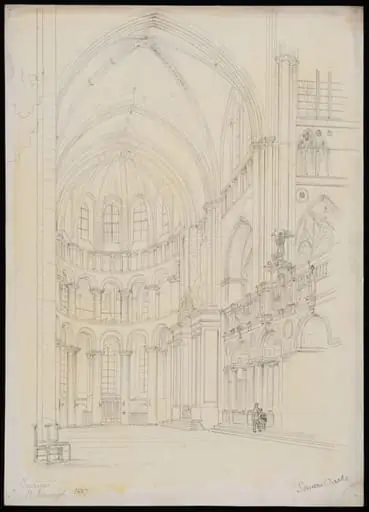
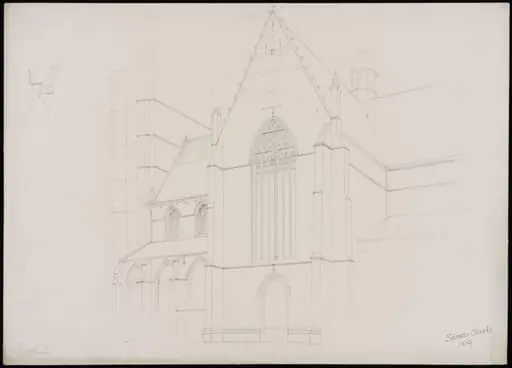
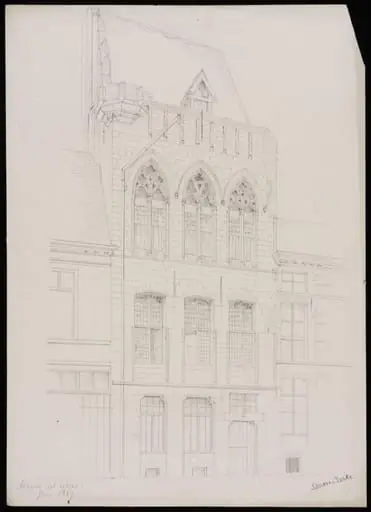
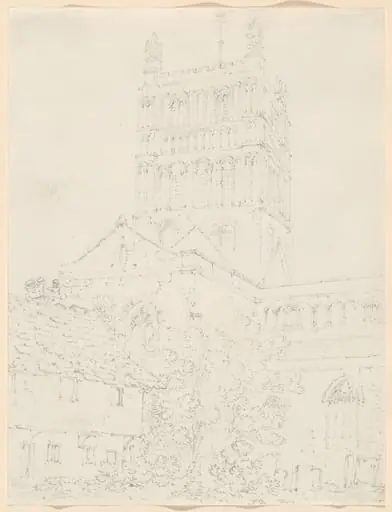
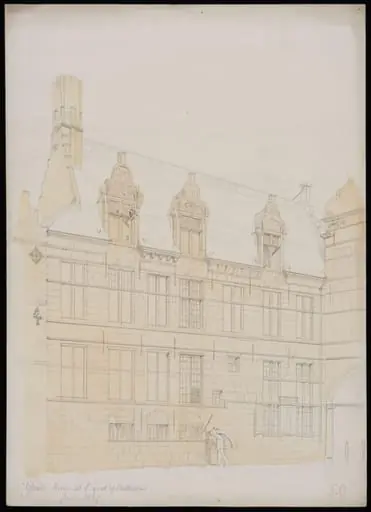
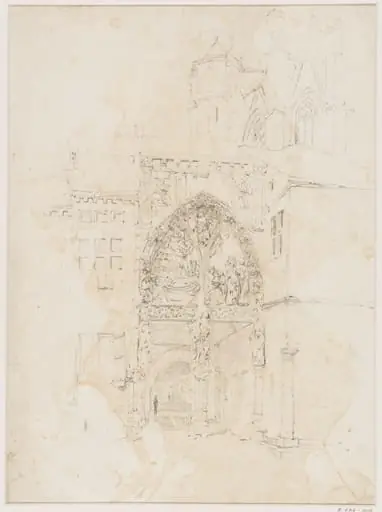
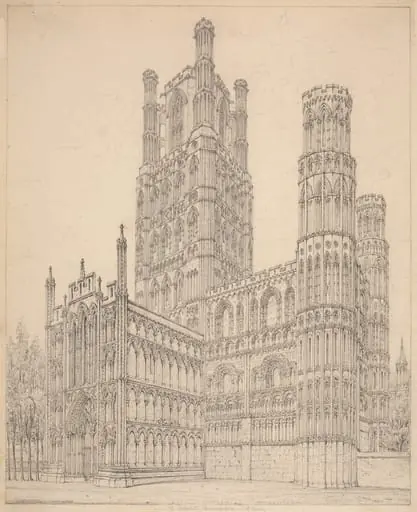
It presents a precise architectural study of a Gothic-style ecclesiastical facade, rendered in delicate, linear strokes.
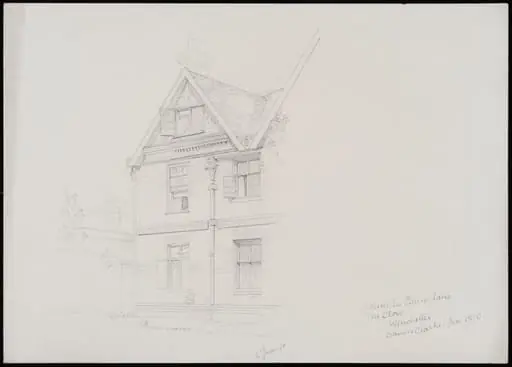
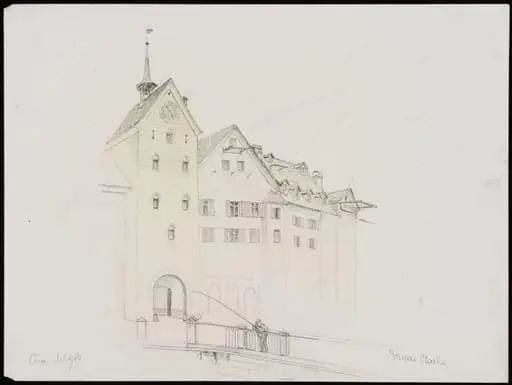
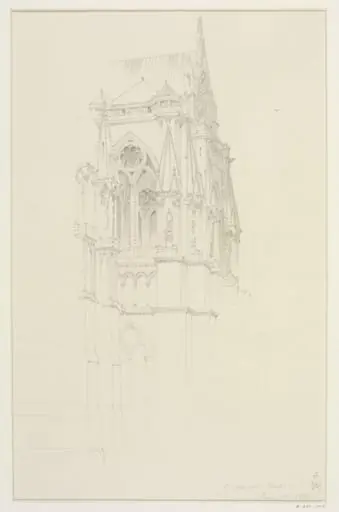
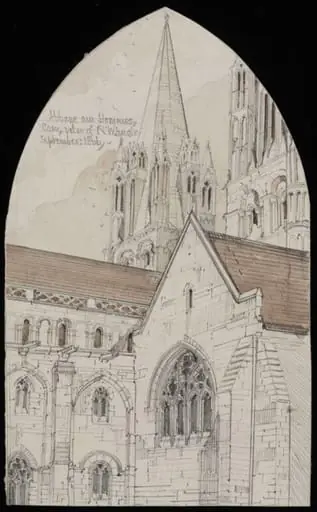
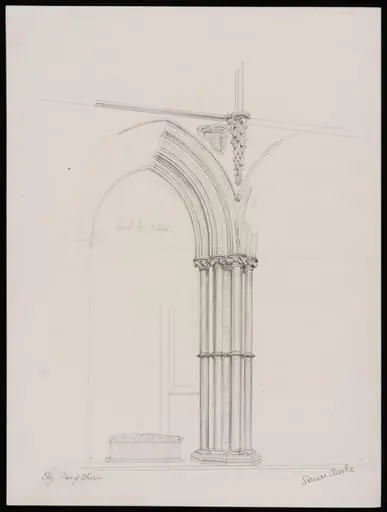
Created in 1897 by Clarke Somers, this pencil drawing is part of the Victoria and Albert Museum’s collection. It presents a precise architectural study of a Gothic-style ecclesiastical facade, rendered in delicate, linear strokes. The work reflects a methodical approach to recording structural details, typical of 19th-century architectural sketching practices aimed at understanding form before artistic interpretation.
Subject & Meaning
The drawing depicts a vertical arrangement of tall, pointed arch windows, layered to suggest the height and complexity of a cathedral’s exterior. The emphasis on repetitive fenestration and carved stonework points to an interest in ecclesiastical architecture’s formal language. Rather than conveying narrative or emotion, the work serves as a visual record, prioritizing structural accuracy over expressive intent.
Technique & Style
Executed in light pencil lines with subtle shading, the drawing employs cross-hatching to suggest depth and volume without heavy contrast. The precision of the lines suggests a preparatory function, possibly for later studies or design work. The absence of color and minimal tonal variation reinforces its role as an analytical tool, capturing form through line and proportion rather than atmosphere.
History & Provenance
The drawing entered the Victoria and Albert Museum’s collection as part of its broader archive of architectural drawings from the late 19th century. Its origin as a personal study by Clarke Somers is documented, though little is known about the artist’s broader career. The work’s preservation reflects the museum’s commitment to safeguarding technical sketches as historical records of architectural observation.
Context
In the late 1800s, detailed architectural drawings were essential for students and practitioners studying historic buildings, particularly during the Gothic Revival. Somers’ work aligns with this tradition, where accurate representation served both educational and preservation purposes. Such sketches often informed restorations or artistic commissions, bridging empirical observation and creative practice.
Legacy
This drawing endures as an example of disciplined architectural documentation from a period when hand-drawn studies were fundamental to design education. It contributes to the understanding of how 19th-century artists and architects engaged with medieval structures, valuing precision and fidelity over stylistic embellishment. Its presence in a major museum underscores its value as a historical artifact of method, not merely aesthetics.
Artist & collection

Artist
George Somers Clarke was an architect and English Egyptologist who worked on the restoration and design of churches and at a number of sites throughout Egypt, notably in El Kab, where he built a mud brick house.