Artwork
Loch Esteltre(e), Ross-shire
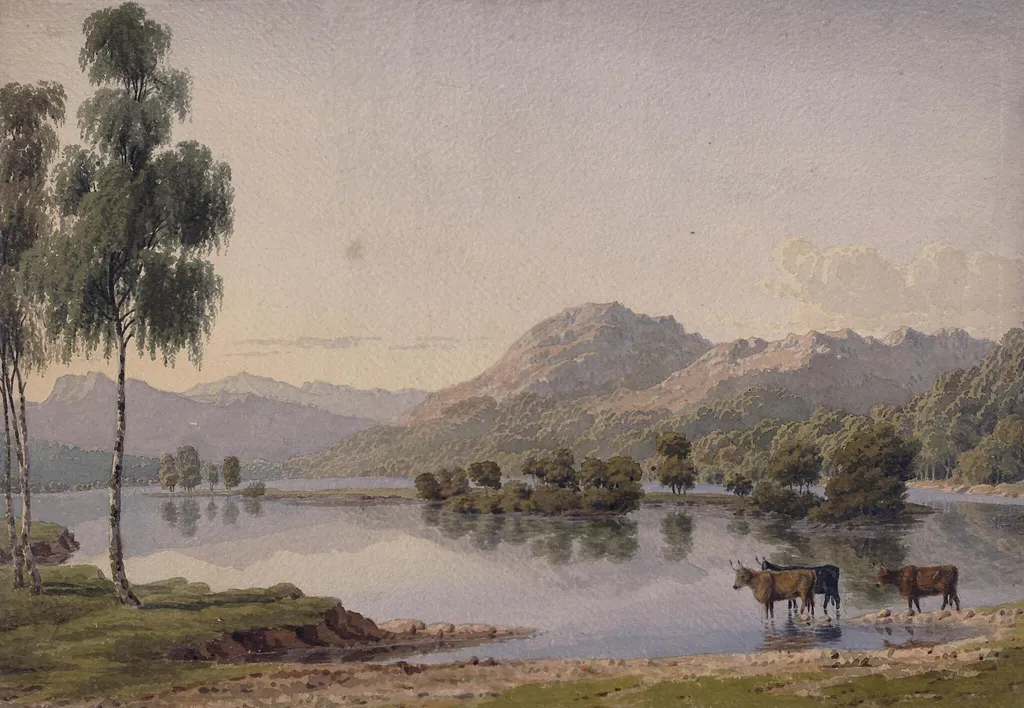
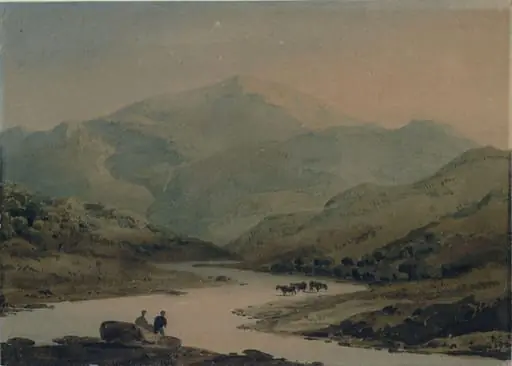
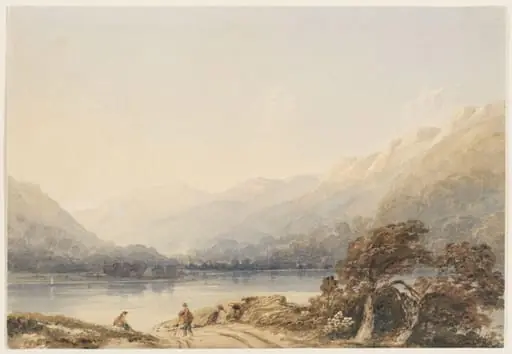
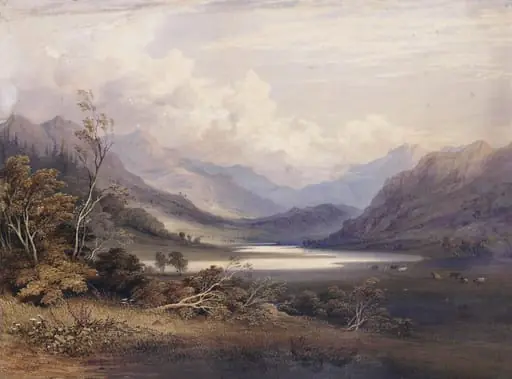
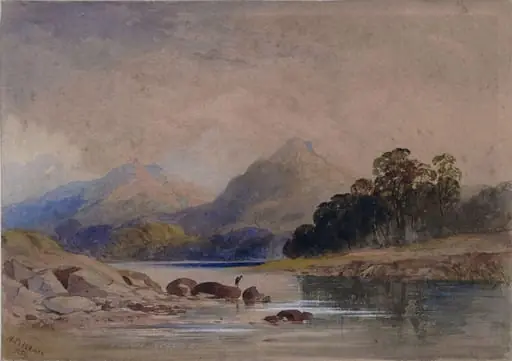
Loch Esteltre(e), Ross-shire is a watercolor work on paper by the British Romanticist artist William of Oxford Turner. It dates from 1810 and is held in the collection of the Victoria and Albert Museum. Created in 1810, this watercolour by William Turner of Oxford depicts a tranquil scene in Ross-shire, Scotland.
About this work
Overview
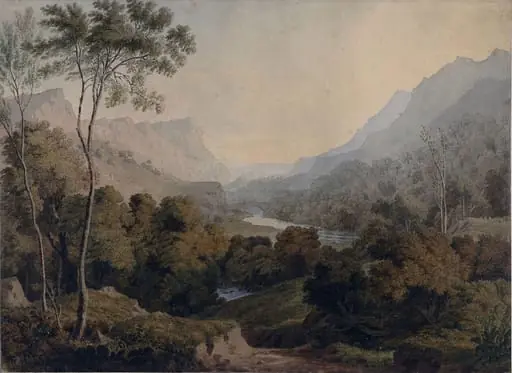
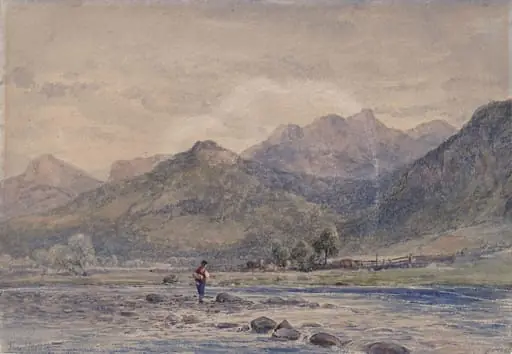
Created in 1810, this watercolour by William Turner of Oxford depicts a tranquil scene in Ross-shire, Scotland. The composition centers on a still lake, its surface mirroring a muted sky. Two cows drink at the shoreline, their presence subtly anchoring the landscape in daily rural life. The work is executed in delicate washes, emphasizing quietude over drama.
Subject & Meaning
The painting captures a moment of stillness in the Scottish highlands, where animals interact naturally with their environment. The absence of human figures and the gentle placement of cattle suggest an unobtrusive harmony between life and land. Nature is not idealized as sublime, but presented as a quiet, enduring presence, offering a contemplative rather than emotional narrative.
Technique & Style
Turner employed light, translucent watercolour washes to suggest atmospheric depth and soft light. The horizon blends sky and water with minimal contrast, while the trees and hills are rendered with loose, suggestive strokes. Color is restrained—pale greens, greys, and blues—creating a sense of calm through tonal unity rather than vivid detail.
History & Provenance
The work is attributed to William Turner of Oxford, a lesser-known watercolourist active in the early 19th century. Unlike his more famous namesake, he focused on regional Scottish landscapes. This piece likely originated as a personal study or travel sketch, possibly made during a tour of the Highlands, though its early ownership remains undocumented.
Context
Produced during the height of Romanticism, the painting reflects a broader interest in rural and wild landscapes, yet avoids the movement’s typical grandeur.
Produced during the height of Romanticism, the painting reflects a broader interest in rural and wild landscapes, yet avoids the movement’s typical grandeur. Instead, it aligns with quieter, topographical traditions in British watercolour, where accuracy and serenity took precedence over emotional intensity. It stands as a quiet counterpoint to more dramatic depictions of nature from the same era.
Legacy
Though not widely exhibited or collected, the work contributes to the archive of early 19th-century British landscape watercolours. It exemplifies how artists outside the mainstream documented the Scottish countryside with restraint and observation, preserving a visual record of rural life that prioritized calm observation over spectacle.
Own this work as a print
Artist & collection
Artist
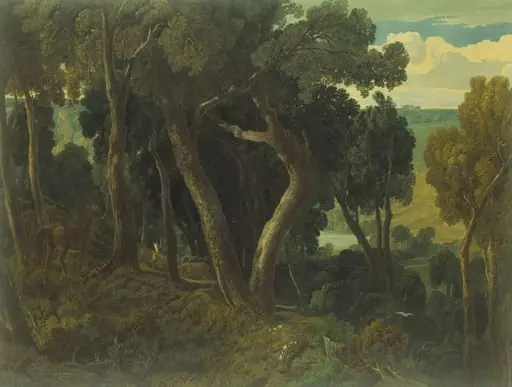
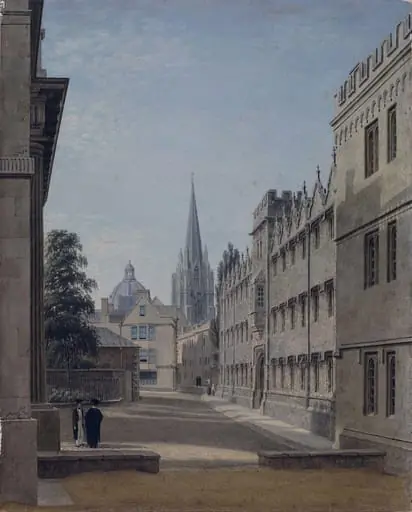
Turner of Oxford painted quiet English landscapes in watercolour. He framed Wychwood Forest’s tangled oaks and Loch Esteltre’s glassy water with the same careful strokes, catching light on trees and distant spires. See…