Artwork
清 佚名 監門關聖帝君圖 軸|Guan Yu
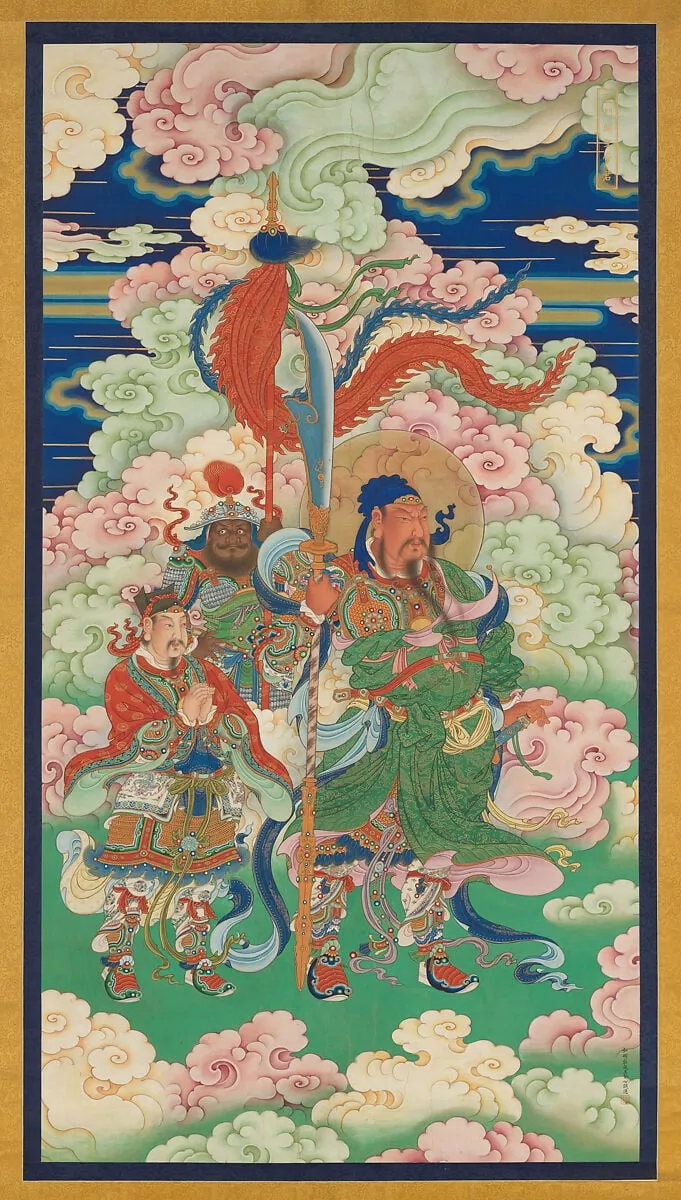
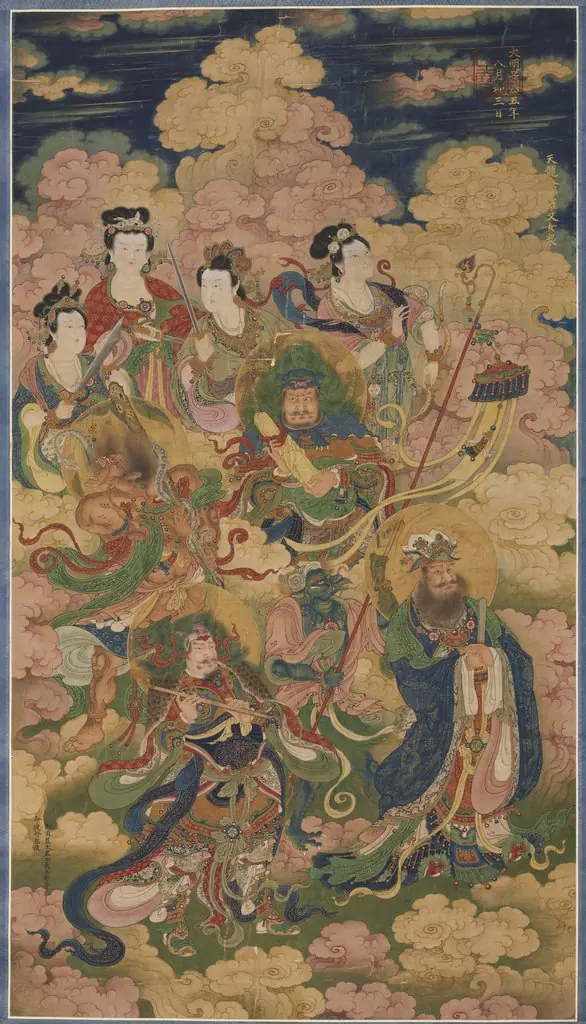
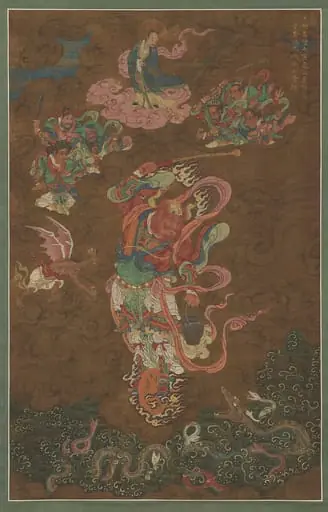
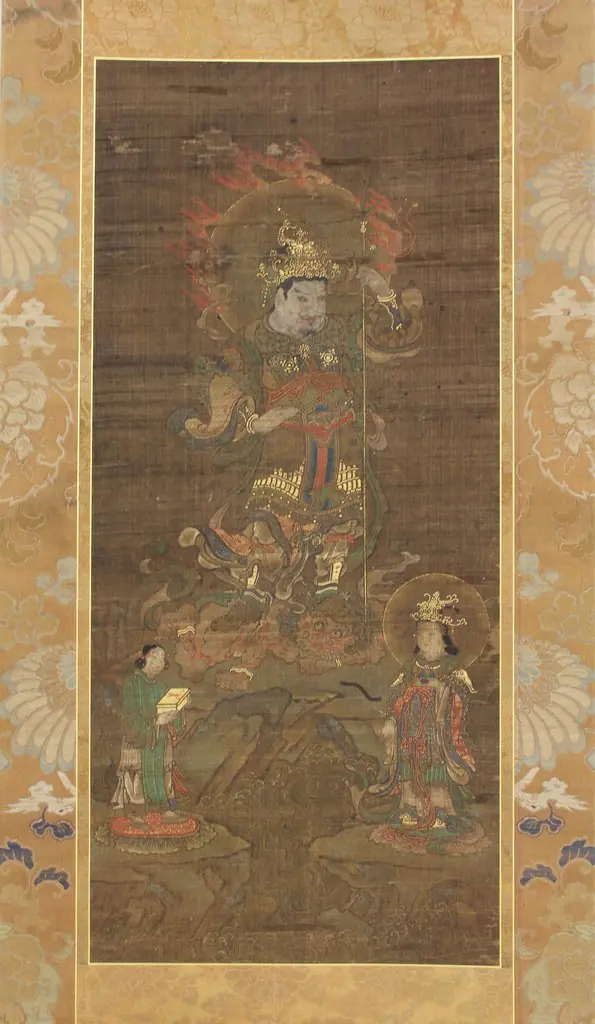
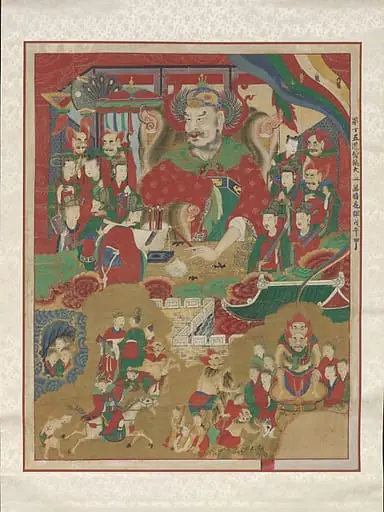
清 佚名 監門關聖帝君圖 軸|Guan Yu is an ink painting. It dates from 1700 and is held in the collection of the Metropolitan Museum of Art. The work is an anonymous hanging scroll portraying Guan Yu, a celebrated figure from Chinese history.
About this work
Overview
The work is an anonymous hanging scroll portraying Guan Yu, a celebrated figure from Chinese history. Executed on silk, the composition combines ink, pigments and gold leaf, reflecting the luxurious materials typically reserved for high‑status artworks in traditional Chinese painting.
Subject & Meaning
Guan Yu, depicted in formal court attire, embodies loyalty and martial virtue, qualities that have elevated him to near‑deified status in Chinese culture. The portrayal underscores his role as a guardian figure, reinforcing ideals of fidelity and righteousness.
Technique & Style
The artist employed a layered approach: fine ink outlines define the figure, while vibrant colors fill the garments, and gold leaf accents highlight ornamental details. Silk as a substrate allows for delicate brushwork and a luminous surface, enhancing the visual impact of the metallic elements.
History & Provenance
The scroll’s provenance is not recorded, and the creator remains unidentified, a common circumstance for many works of this genre. Its material richness suggests it was likely commissioned for a temple or elite household, where such costly media were appropriate.
Context
In the broader tradition of Chinese hanging scrolls, depictions of Guan Yu served both devotional and decorative purposes, often placed in ancestral halls or shrines. The use of gold aligns with the practice of emphasizing sacred or heroic subjects through precious materials.
Artist & collection