Artwork
明 佚名 送子觀音圖 軸|Guanyin the Bringer of Sons
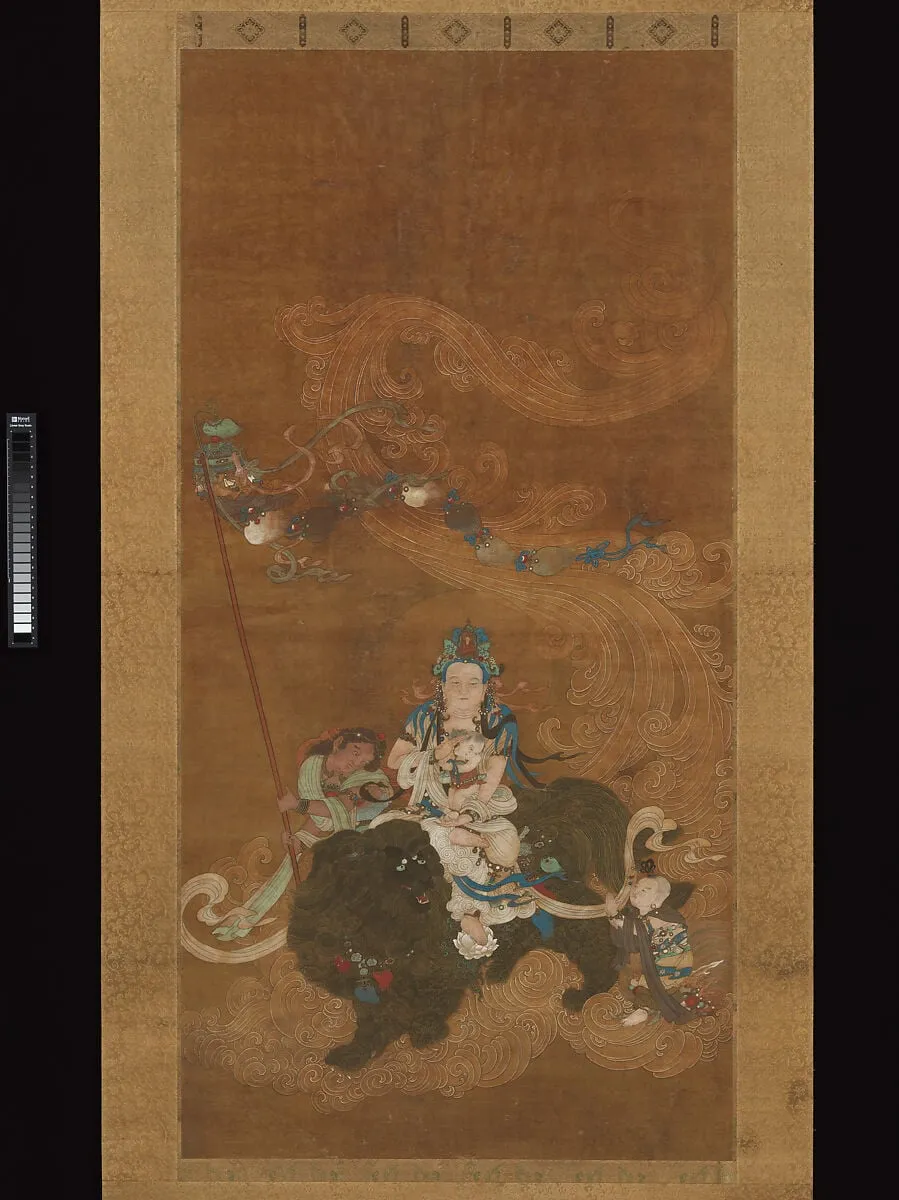
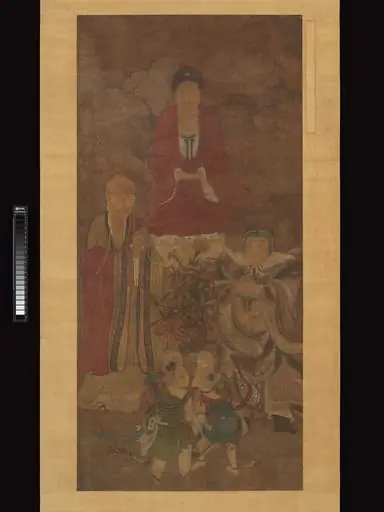
明 佚名 送子觀音圖 軸|Guanyin the Bringer of Sons is an ink painting. It dates from 1583 and is held in the collection of the Metropolitan Museum of Art. This hanging scroll, titled *Guanyin the Bringer of Sons*, dates to the Ming dynasty and is attributed to an unidentified artist.
About this work
Overview
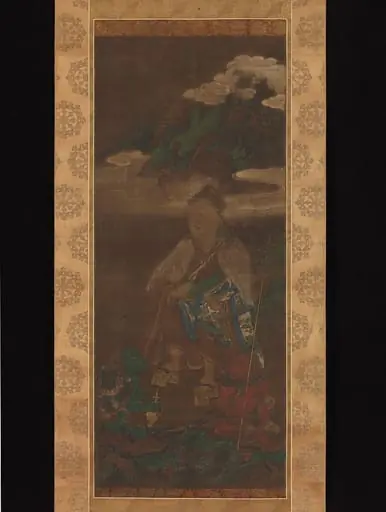
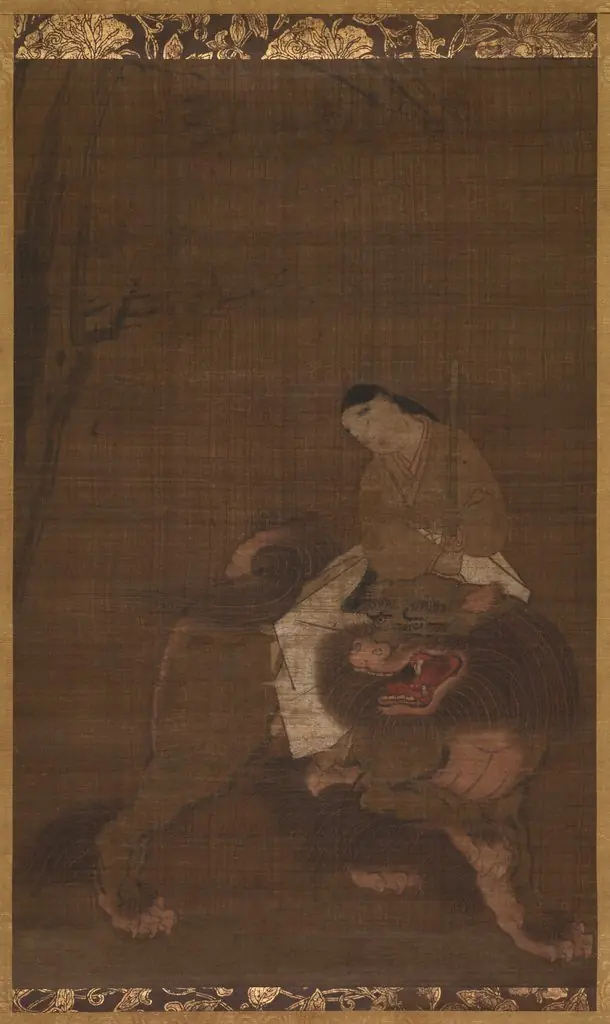
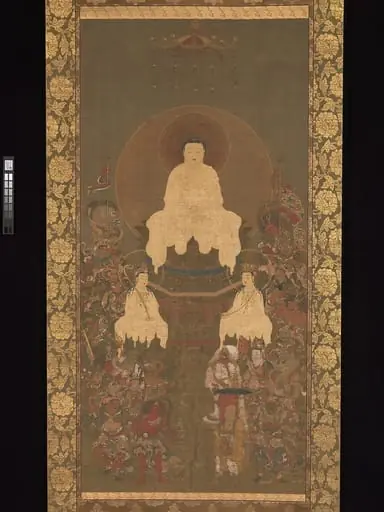
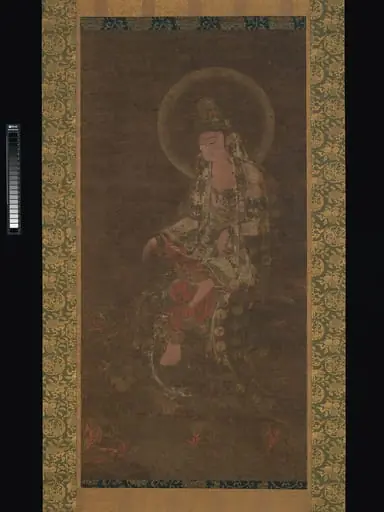
This hanging scroll, titled *Guanyin the Bringer of Sons*, dates to the Ming dynasty and is attributed to an unidentified artist. Executed with ink, color, and gold on silk, the painting depicts the bodhisattva Guanyin amidst a scene populated by children and lions. The work serves as an example of devotional Buddhist art from the period, emphasizing Guanyin's compassionate role.
Subject & Meaning
Here, Guanyin is presented in a specific manifestation as a "bringer of sons," a role that became popular in China, particularly among those seeking male heirs.
The central figure is Guanyin, a bodhisattva revered in East Asian Buddhism for compassion. Here, Guanyin is presented in a specific manifestation as a "bringer of sons," a role that became popular in China, particularly among those seeking male heirs. The presence of children surrounding the deity, along with guardian lions, reinforces this benevolent aspect and the protective qualities associated with the bodhisattva.
Technique & Style
The artist employed a refined technique, utilizing ink and vibrant colors alongside gold on a silk ground. Silk itself was a valued material, and the incorporation of gold pigment further elevated the artwork's status. This choice of materials, particularly the costly gold, imparted a sense of opulence and significance to the devotional image, reflecting the importance of the subject matter and the patron's resources.
Artist & collection