Artwork
Untitled
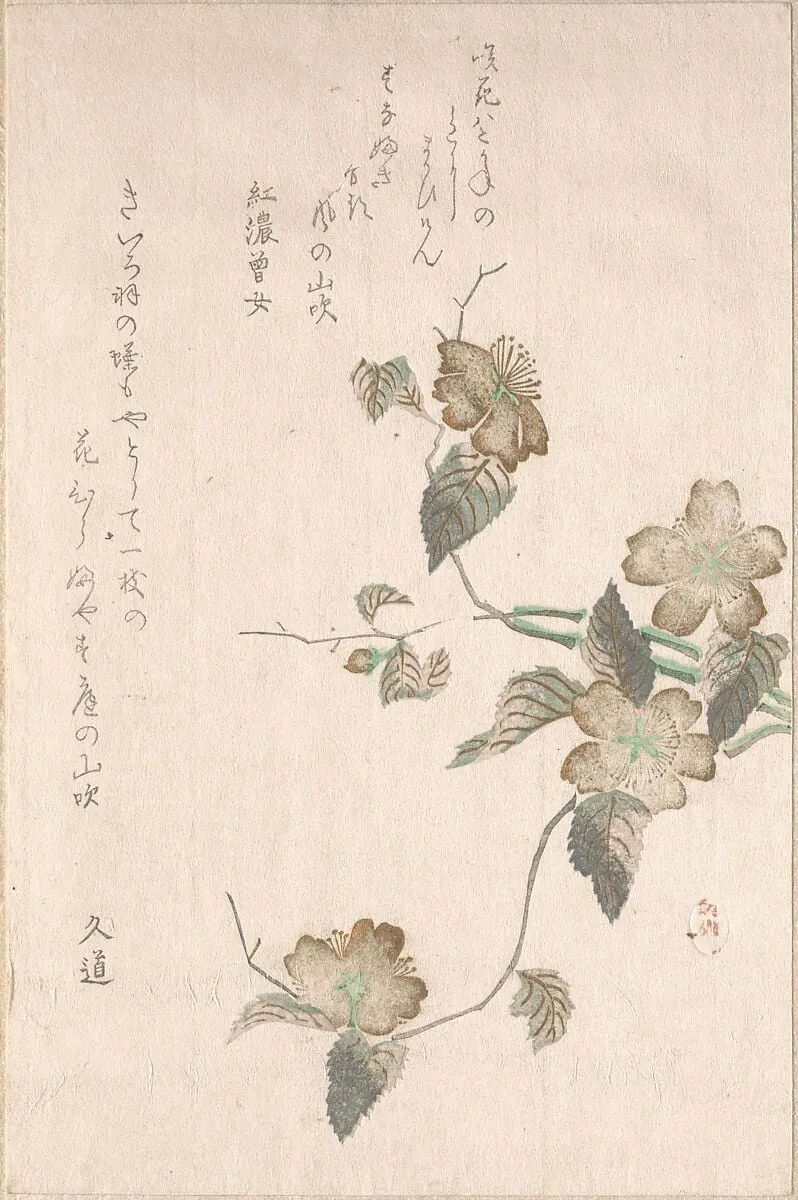
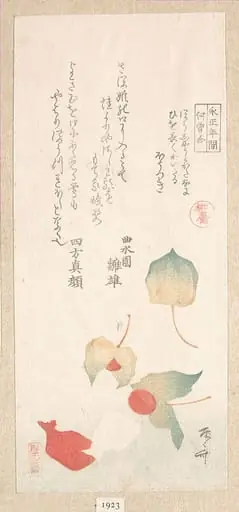
Untitled is an ink print by the Romanticist artist Unknown. It dates from 1818 and is held in the collection of the Metropolitan Museum of Art. This woodblock print, classified as a surimono, features three sparse arrangements of flowering branches on a plain paper surface.
About this work
Overview
This woodblock print, classified as a surimono, features three sparse arrangements of flowering branches on a plain paper surface.
This woodblock print, classified as a surimono, features three sparse arrangements of flowering branches on a plain paper surface. Rendered in soft browns and greens with minimal color, it emphasizes restraint and quiet detail. Delicate ink lines define petals, veins, and buds, while handwritten Japanese text encircles the composition’s edge, integrating poetry with imagery in a format traditionally used for private, celebratory occasions.
Subject & Meaning
The subject consists of unassuming floral sprigs, likely seasonal plants such as plum or cherry, rendered with attention to natural imperfection—wilted leaves and tiny buds suggest transience. The accompanying poetic text, though not translated here, likely complements the visual theme of fleeting beauty. Together, image and inscription evoke a contemplative mood, aligning with aesthetic values of wabi-sabi and mono no aware in Edo-period Japanese culture.
Technique & Style
The print employs fine-line woodblock carving to achieve subtle texture, with light ink washes and minimal color to suggest form without bold contrast. Shading is achieved through delicate hatching and varying line density, not heavy tonal areas. The precision in rendering individual petals and veins reflects the high craftsmanship typical of surimono, produced for connoisseurs rather than mass audiences, prioritizing nuance over spectacle.
History & Provenance
As a surimono, this work was likely commissioned by a poetry circle or private patron for seasonal celebration, common in early 19th-century Japan. These prints were not sold publicly but circulated among literary and artistic elites. Its survival suggests it was carefully preserved, possibly within a collector’s album. The absence of a signed artist’s mark is typical, as many surimono were anonymous or attributed to studio practice.
Context
Surimono emerged in the late 18th century as luxury prints blending poetry, calligraphy, and fine printing. Unlike commercial ukiyo-e, they were produced in small editions for intimate gatherings. This piece reflects the Edo period’s cultivated appreciation for understated beauty and seasonal awareness. Its quiet composition contrasts with the more dramatic narratives of popular prints, offering instead a meditative encounter with nature’s quiet cycles.
Legacy
Though not widely known outside specialized collections, this print exemplifies the refined aesthetic of surimono, influencing later Japanese printmakers who valued subtlety over spectacle. Its emphasis on textual integration and naturalistic detail contributed to the broader evolution of Japanese graphic arts. Today, such works are studied for their technical precision and cultural resonance, serving as quiet testaments to a lost world of private artistic exchange.
Artist & collection

 Domestic Scene
 Giacomo and Cardinal Marco, investing Andrea, Abbot of San Zeno, with his Benefice
 The Nymph of Fontainebleau
 Portrait of a Woman
 Madonna and Child with Saints in the Enclosed Garden
 Venus and Minerva
 Family Group of Four on Sofa
 Wall painting from Room H of the Villa of P. Fannius Synistor at Boscoreale
 Untitled
 清 汪士慎 山水花卉圖 冊|Landscapes and Flowers
 Loquat Tree of Japan
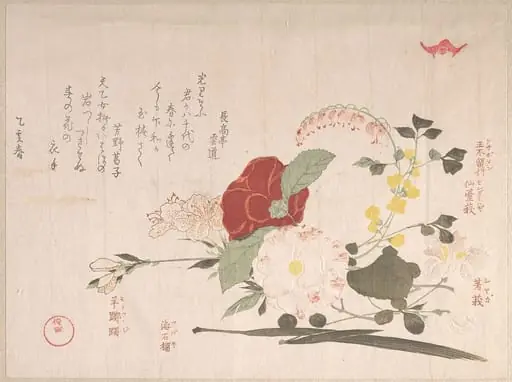 『春雨集』 摺物帖窪俊満画 クサボタン、萩、シャ ガ、ツバキ、モチツバキ|Spring Rain Collection (Harusame shū), vol. 2: Cut Flowers: Clematis, Bush Clover, Iris, Camellia, and Azalea
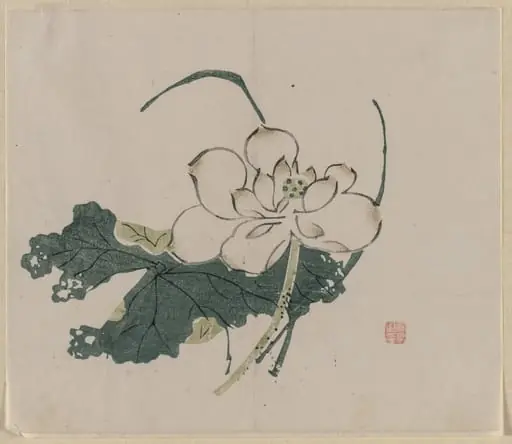 Lotus Blossom
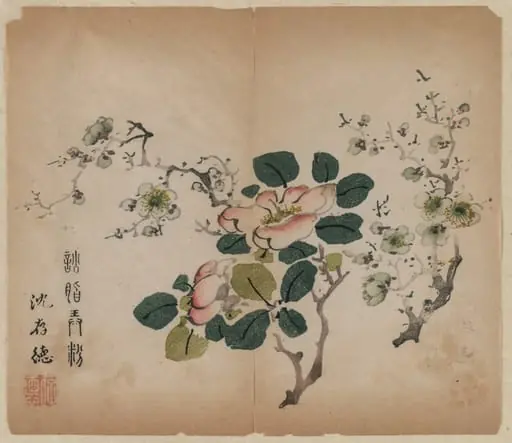 Flowering Prunus
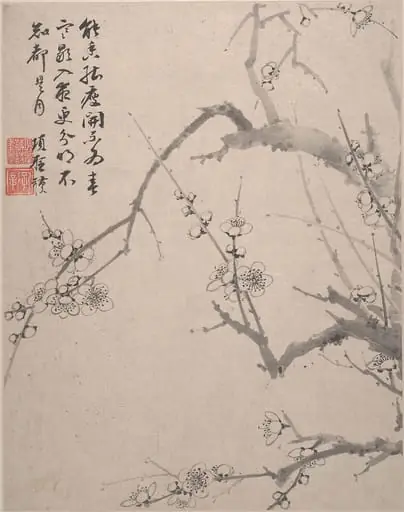 明/清 項聖謨 山水花鳥圖 冊|Landscapes, Flowers and Birds
 清 惲冰 花卉圖 册页|Flower Study
 Branching Stump
 Intimate Scenery of Pomegranate Blossoms
 『春雨集』 摺物帖柳々居辰斎画 紅梅|Spring Rain Collection (Harusame shū), vol. 1: Plum Tree in Bloom
 Untitled