Artwork
Hendrik Goltzius
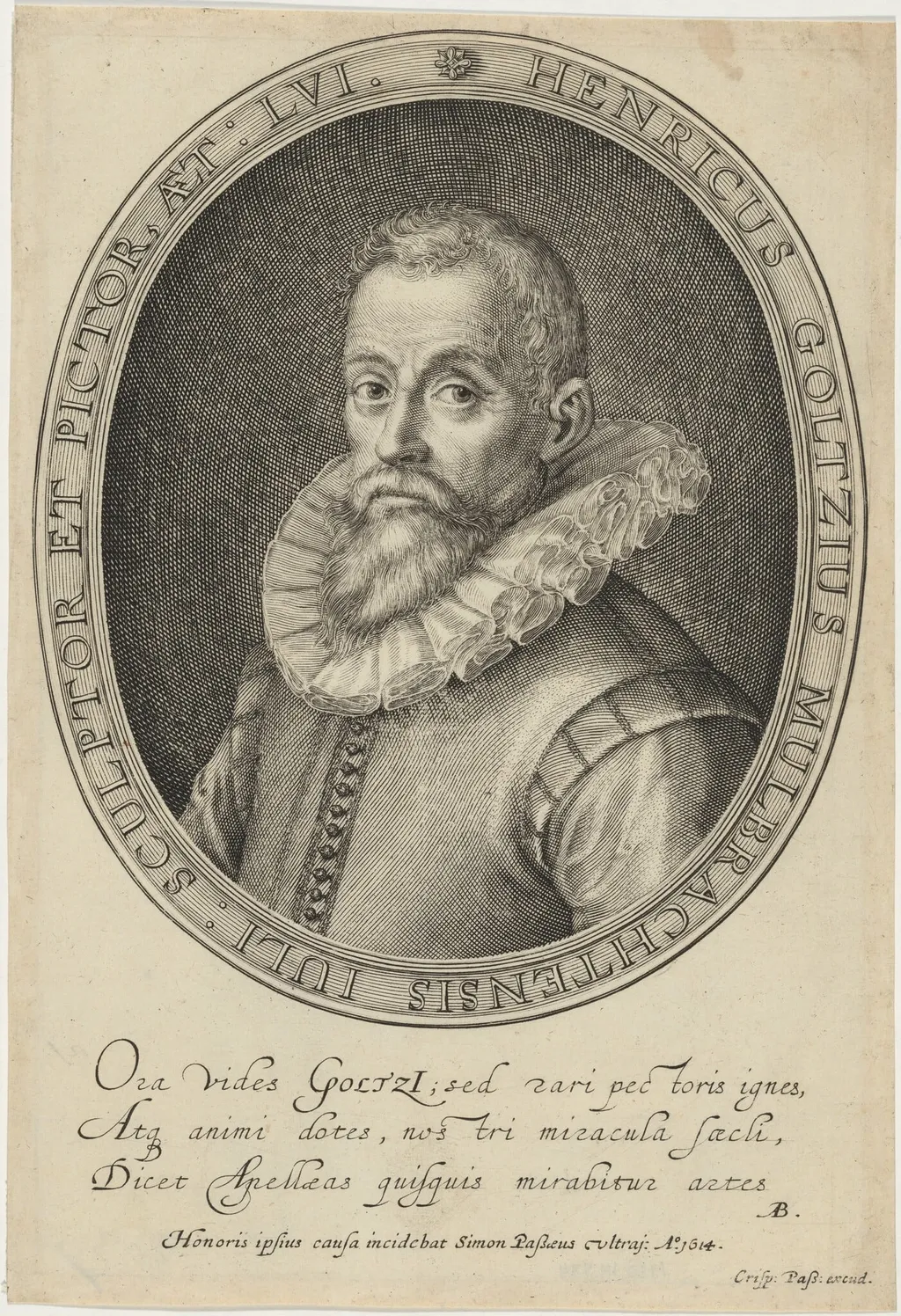
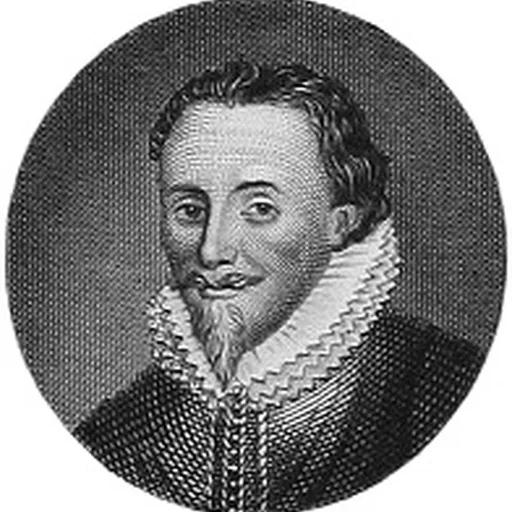
Hendrik Goltzius is an ink print by the Baroque artist Simon van de Passe. It dates from 1614 and is held in the collection of the National Gallery of Art.
About this work
Overview
The technique relies on incised metal plates, producing sharp, controlled lines that define form and texture without color or tone.
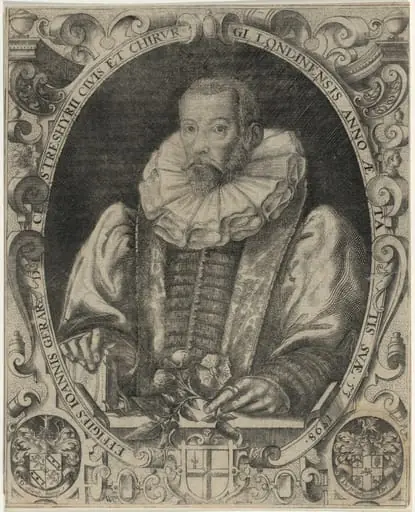
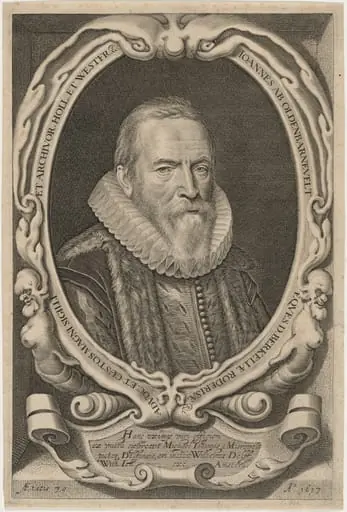
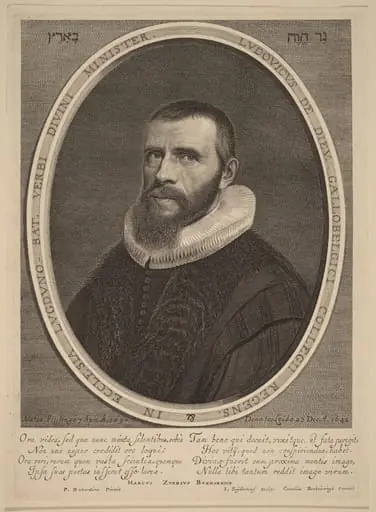
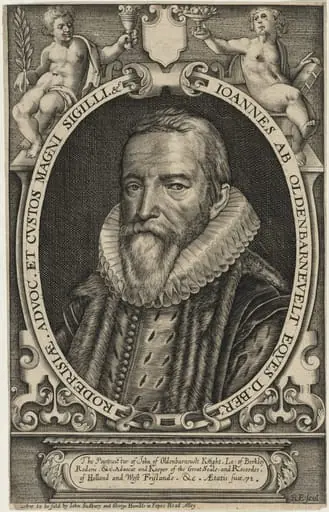
This black-and-white print is an engraving by Simon van de Passe, completed in 1614. It depicts the Dutch artist Hendrik Goltzius in profile, rendered with fine linear precision. The image is framed by an inscribed border in Latin, and van de Passe’s signature appears at the base. The technique relies on incised metal plates, producing sharp, controlled lines that define form and texture without color or tone.
Subject & Meaning
The portrait captures Hendrik Goltzius, a leading engraver and printmaker of the late 16th century, in a solemn, frontal gaze. His full beard and high ruffled collar reflect contemporary scholarly and artistic attire. The absence of background or symbolic elements directs focus to his identity as a craftsman, emphasizing his reputation through dignified stillness rather than narrative.
Technique & Style
Van de Passe employed fine-line engraving to render Goltzius’s facial features and fabric folds with meticulous detail. The texture of hair, the crisp edges of the collar, and subtle shading are achieved through controlled incisions in a copper plate. The method produces high contrast and clarity, typical of Northern European portrait engravings of the period, prioritizing precision over expressive flourish.
History & Provenance
Created in 1614, the engraving was made shortly after Goltzius’s death in 1617, likely as part of a series commemorating notable artists. Van de Passe, himself a printmaker from a family of engravers, produced portraits of contemporary figures for dissemination among collectors. The work circulated in artistic circles, preserving Goltzius’s likeness for future generations.
Context
In early 17th-century Europe, engraved portraits served as both personal memorials and professional advertisements. Artists and patrons used them to establish legacy and network across regions. Goltzius, renowned for his technical innovation in engraving, was a fitting subject for such a portrait, reflecting the era’s reverence for craftsmanship and the growing print culture.
Legacy
This engraving remains one of the most recognizable images of Goltzius, frequently reproduced in art-historical texts. Its clarity and formal restraint exemplify the role of print in documenting artistic identity before photography. Van de Passe’s work contributed to the canonization of Goltzius as a pivotal figure in Northern Renaissance printmaking.
Artist & collection