Artwork
Andreas Laurent, Doctor of Henry IV of France
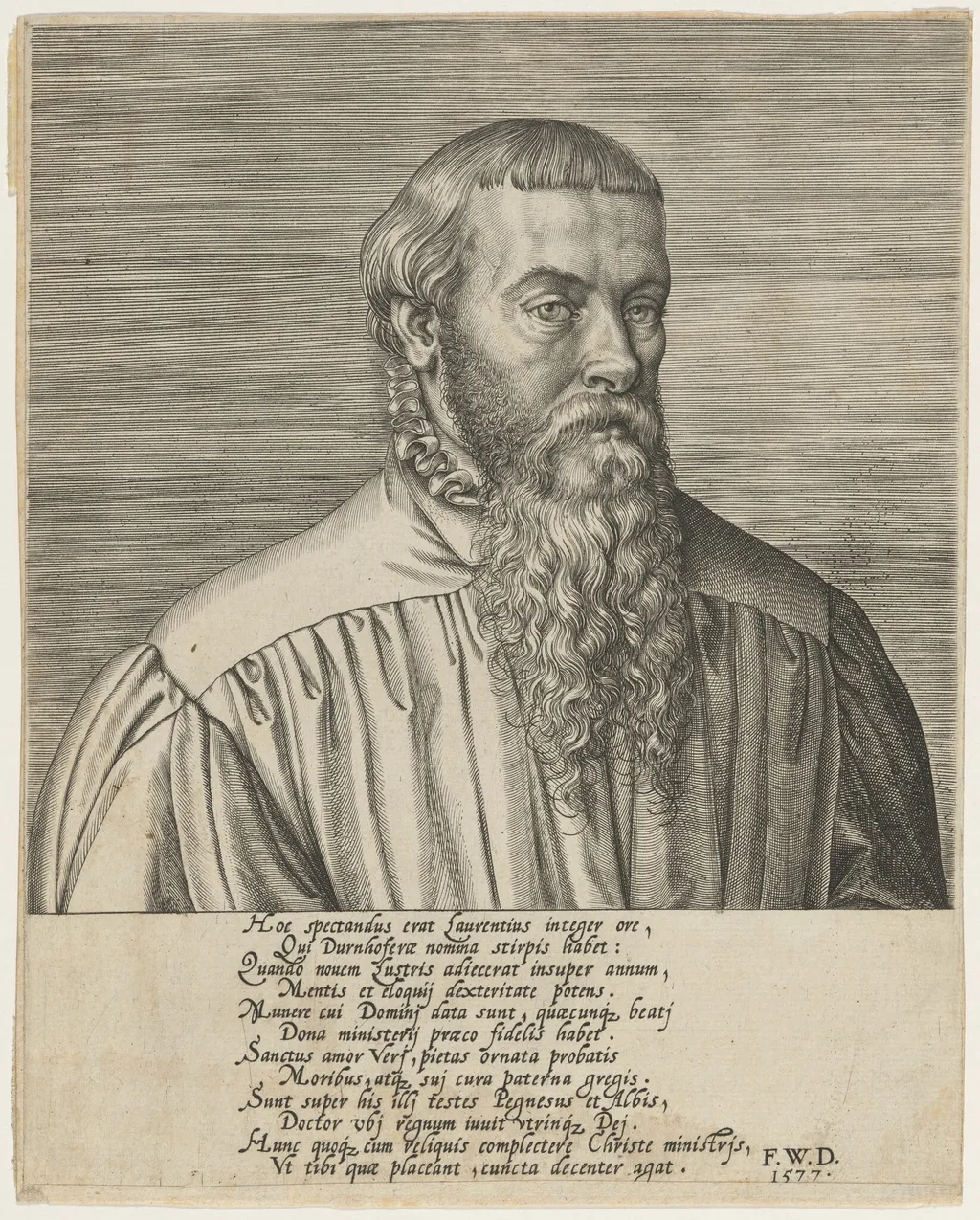
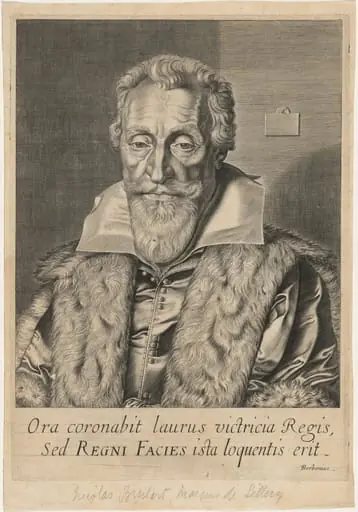
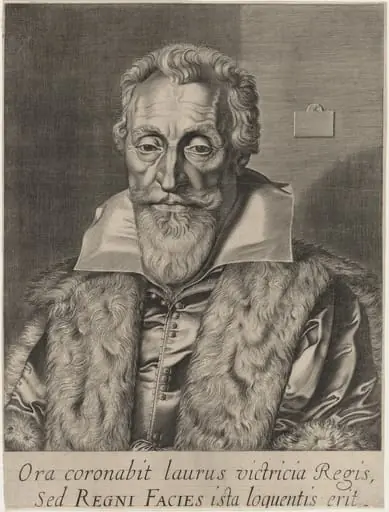
Andreas Laurent, Doctor of Henry IV of France is an ink print by the Renaissance artist Unknown 19th Century. It dates from 1577 and is held in the collection of the National Gallery of Art. This black-and-white engraving depicts Andreas Laurent, a physician who served Henry IV of France.
About this work
Overview
The technique relies on cross-hatching to model form and texture, particularly in the folds of his robe and the contours of his face.
This black-and-white engraving depicts Andreas Laurent, a physician who served Henry IV of France. Rendered in fine linear detail, the portrait captures the subject with solemn composure, emphasizing his professional stature. The technique relies on cross-hatching to model form and texture, particularly in the folds of his robe and the contours of his face. A band of Latin text beneath the image identifies the subject and likely includes his title or a brief inscription.
Subject & Meaning
Andreas Laurent is portrayed as a learned man of the court, his bearded face and high-collared robe signaling both scholarly authority and medical prestige. The restrained expression and precise rendering of his anatomy—especially the articulated arm—convey a sense of intellectual discipline and physical presence. The image does not idealize but instead presents a grounded, dignified figure, aligning with Renaissance ideals of the physician as a rational, observant professional.
Technique & Style
The portrait employs cross-hatching—a method of layering intersecting lines—to generate tonal variation and three-dimensionality. Fine, controlled strokes define the texture of hair and fabric, while subtle gradations suggest light falling across the face and sleeve. The absence of color focuses attention on line and form, characteristic of engraved portraiture in early modern Europe. The precision of the technique reflects the engraver’s skill in translating observation into intricate graphic detail.
History & Provenance
The engraving likely originated in late 16th- or early 17th-century France, during or shortly after Laurent’s service to Henry IV. Such portraits were often produced for scholarly or medical circles, circulated as printed images to commemorate notable figures. While the engraver’s identity is unrecorded, the work’s survival suggests it was valued within professional or aristocratic collections, possibly as part of a series of court physicians.
Context
In Renaissance Europe, physicians like Laurent occupied a unique position between science and service, often elevated by royal patronage. Portraits of medical men were rare compared to those of nobles or clergy, making this image a modest but significant artifact of medical history. The Latin inscription reflects the scholarly culture of the time, where Latin remained the lingua franca of learned professions across national boundaries.
Legacy
This engraving stands as a quiet testament to the visibility of medical practitioners in early modern court life. Though not widely reproduced, it contributes to the visual record of how physicians were represented—not as mystics but as composed, anatomically aware professionals. Its technical precision and restrained aesthetic align it with broader trends in Northern European printmaking, preserving a face and role otherwise lost to time.
Artist & collection

Artist

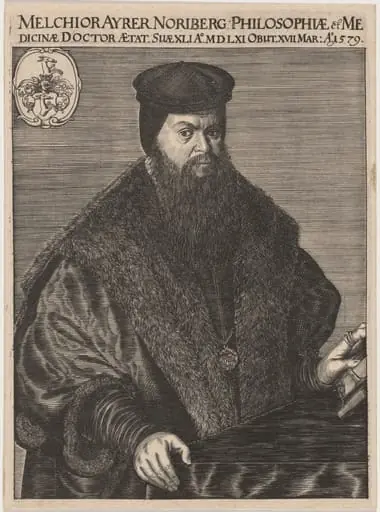 Melchior Ayrer, Philosopher and Doctor
![Johan Gols [The Artist's Father], by Hendrik Goltzius](https://artifactworldgallery.com/img/hendrik-goltzius--johan-gols-the-artist-s-father--c8b45dabaade4192-w320.webp) Johan Gols [The Artist's Father]
Johan Gols [The Artist's Father]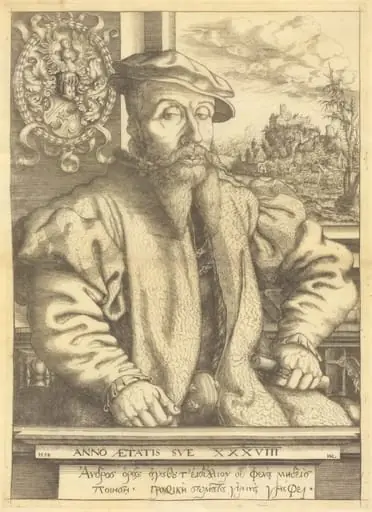 Georg Roggenbach
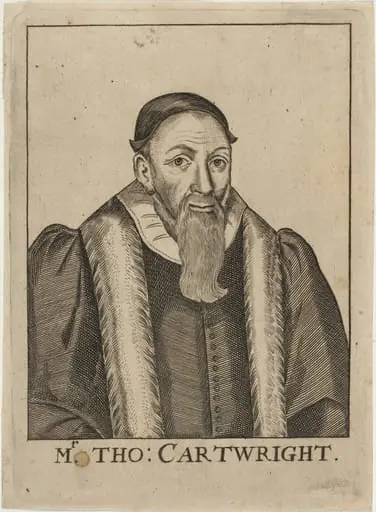 Thomas Cartwright, Puritan Divine
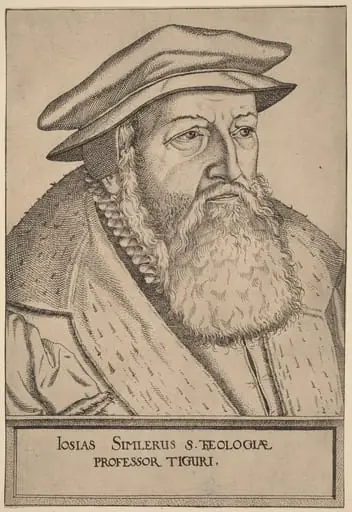 Josias Simler
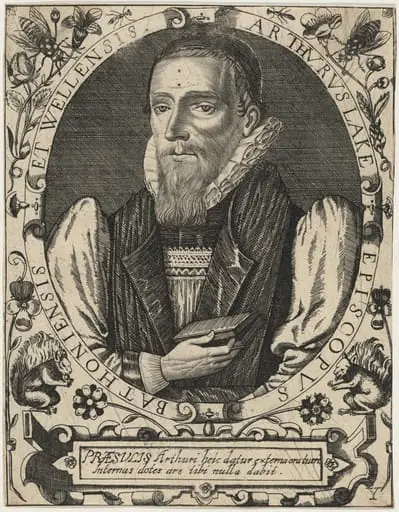 Arthur Lake, Bishop of Bath and Wells
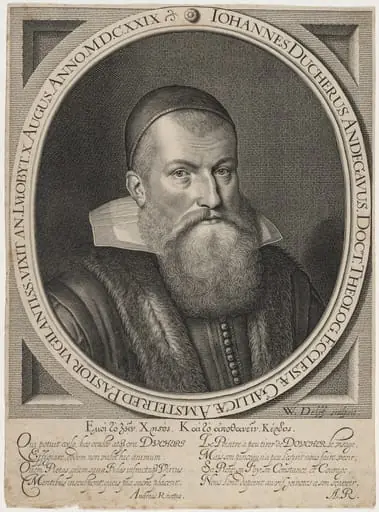 John Doucher, French Divine
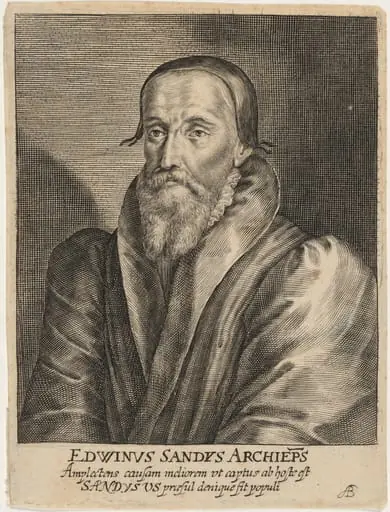 Edwin Sandys, Archbishop of York
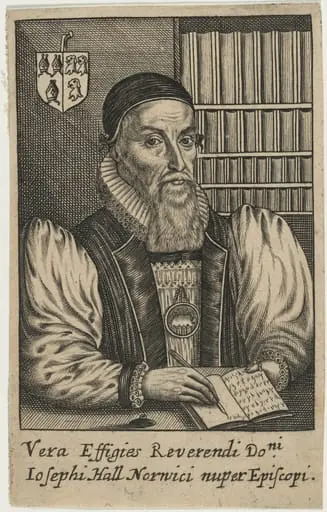 Joseph Hall, Bishop of Norwich
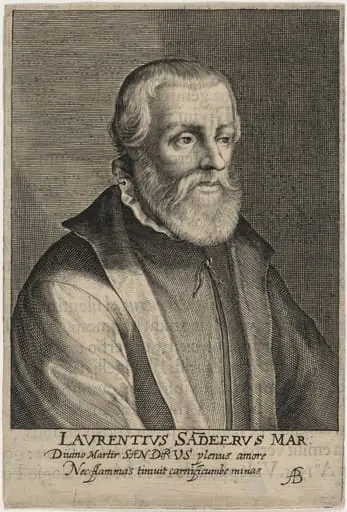 Laurence Saunders, Prebendary of York, Protestant Martyr
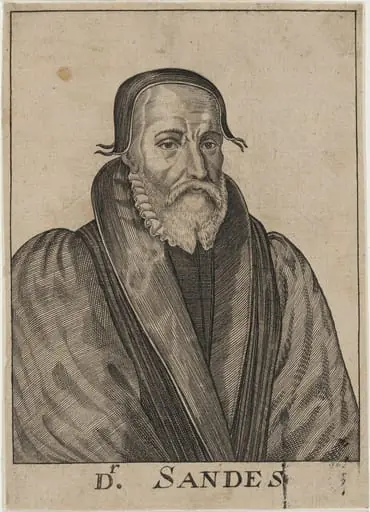 Edwin Sanders, Archbishop of York
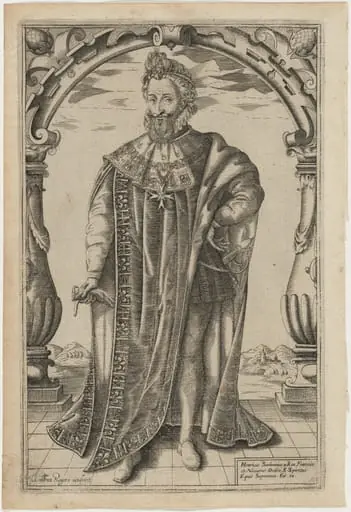 Henry IV of France