Artwork
Charles IX, King of Sweden
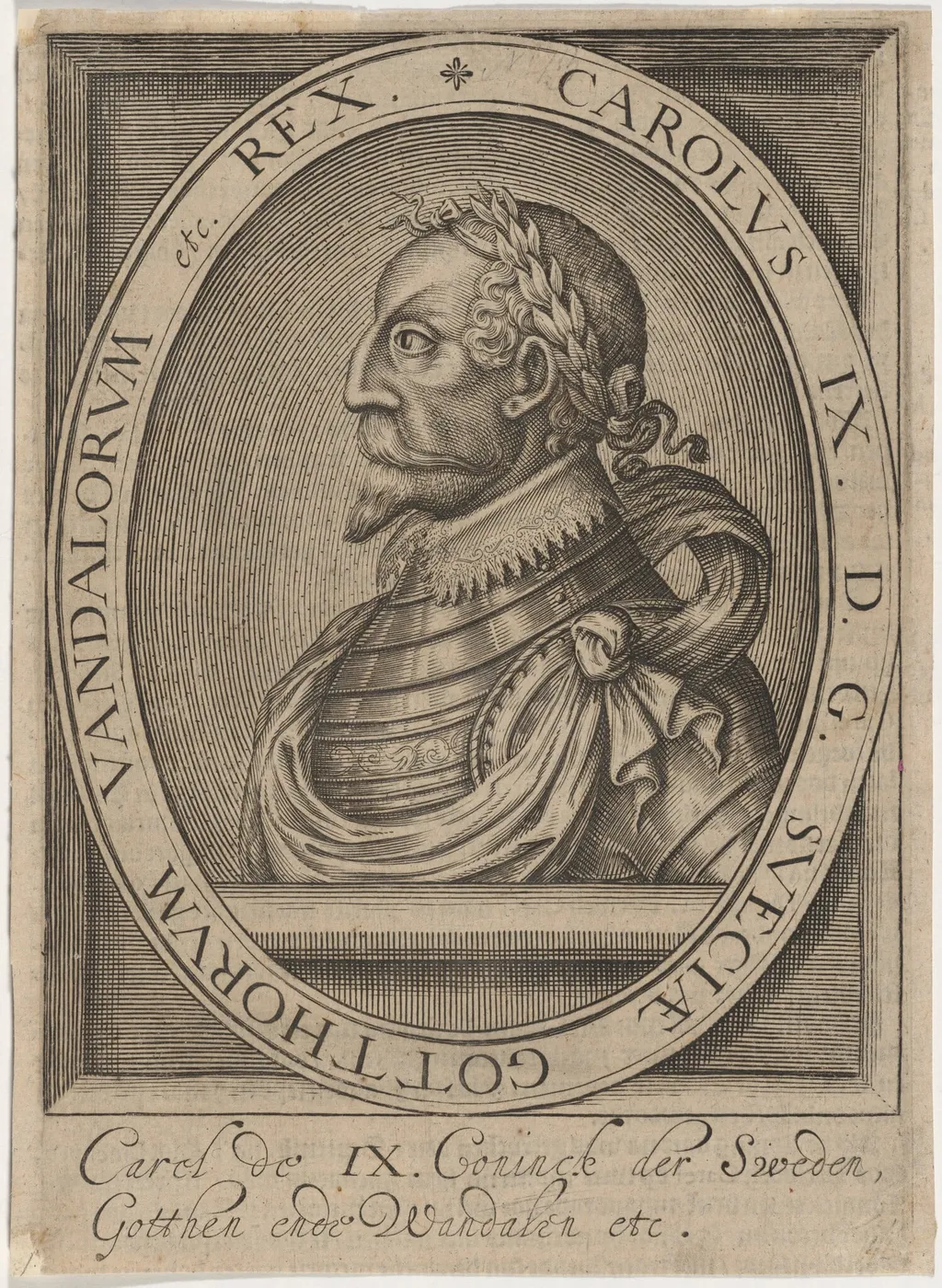
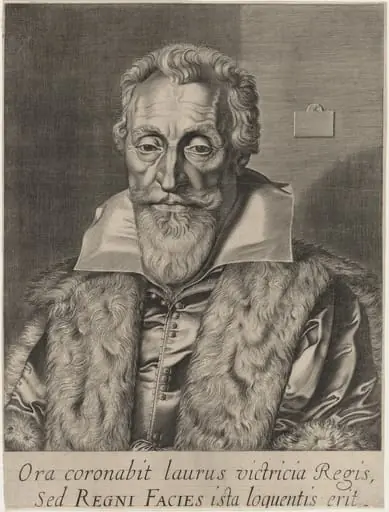
Charles IX, King of Sweden is an ink print by the Romanticist artist Unknown 19th Century. It dates from 1850 and is held in the collection of the National Gallery of Art. The print portrays Charles IX, who reigned as king of Sweden from 1604 to 1611.
About this work
Overview
The print portrays Charles IX, who reigned as king of Sweden from 1604 to 1611. Executed as an engraving, the image presents the monarch in formal attire, his demeanor solemn and composed. The composition centers on his face, rendered with meticulous detail that emphasizes a contemplative expression, inviting viewers to consider the ruler’s inner complexity.
Subject & Meaning
The portrait emphasizes the king’s authority through his regal garments and poised bearing, while the thoughtful gaze suggests a dimension beyond mere power. By focusing on the facial features, the artist conveys a sense of introspection, hinting at the political and personal challenges faced by Charles IX during his short reign.
Technique & Style
Created by the labor‑intensive process of engraving, the work relies on incised lines to build tonal variation and texture. Fine hatching and cross‑hatching achieve subtle shading, especially in the facial area, allowing the artist to render intricate details of clothing and expression. The style reflects early‑17th‑century Northern European portraiture conventions.
History & Provenance
The print originates from the period shortly after Charles IX’s death, a time when his image was circulated to reinforce dynastic legitimacy. While the specific engraver remains unidentified, the work likely formed part of a series of royal portraits distributed among the Swedish nobility and foreign courts to affirm the Vasa lineage.
Artist & collection

Artist

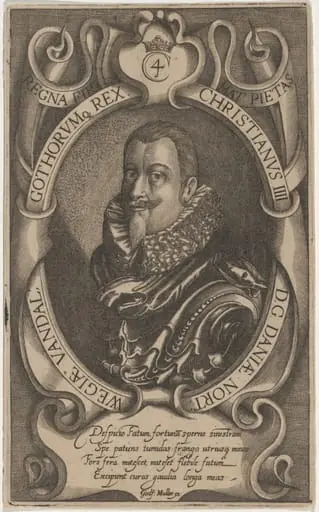 Christian IV, King of Denmark
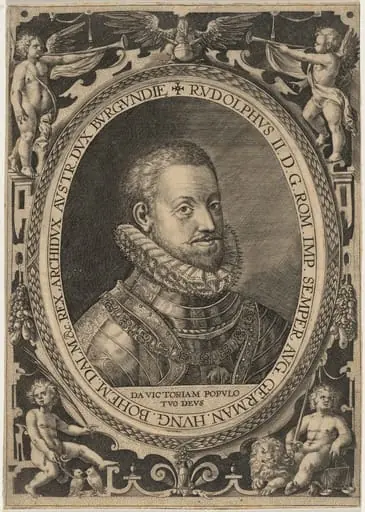 Rudolph II, Roman Emperor
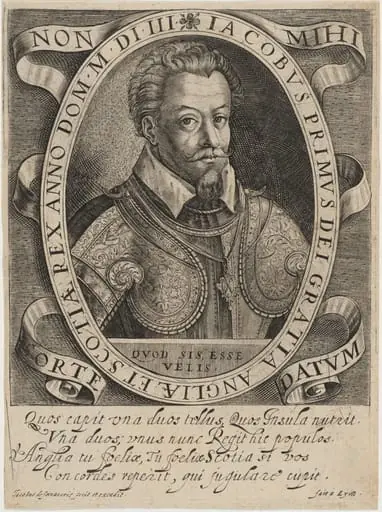 James I
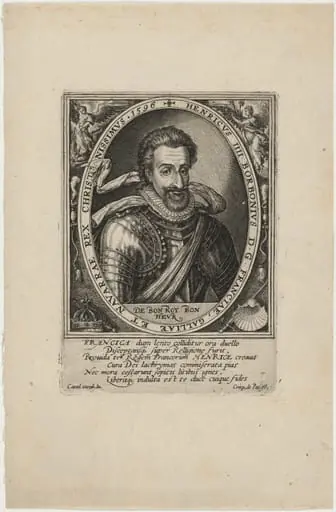 Henry IV, King of France
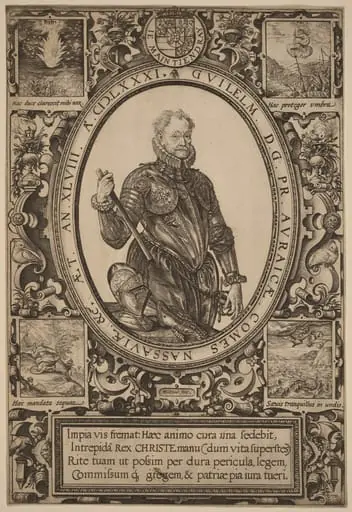 William, Count of Nassau, Prince of Orange
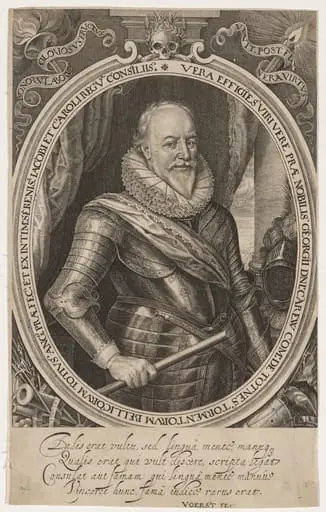 George Carew, Earl of Totnes
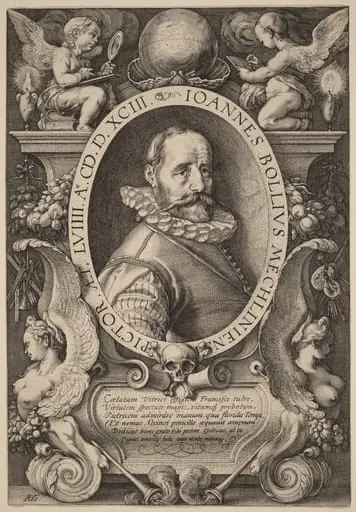 Hans Bol
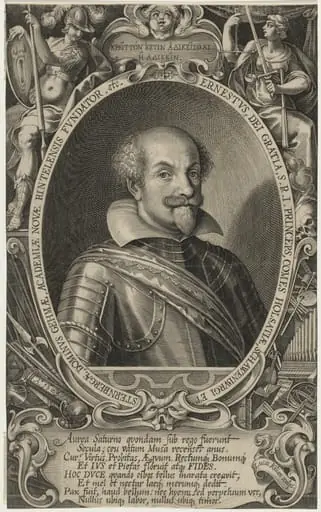 Ernest of Holstein, Schawenburg and Sternberg, Prince of Holy Roman Empire
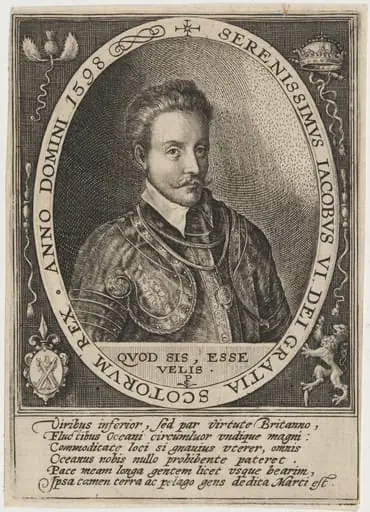 James I, as King of Scotland
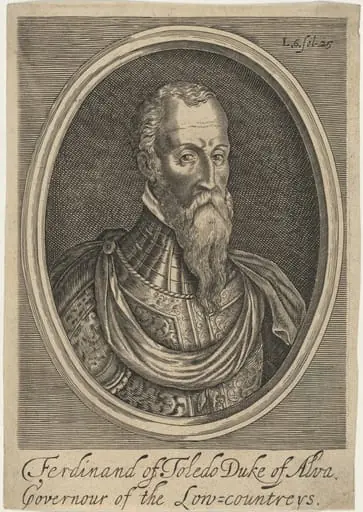 Fernando Alvarez de Toledo, Duke of Alva