Artwork
Coat of Arms, Moniti Meliora
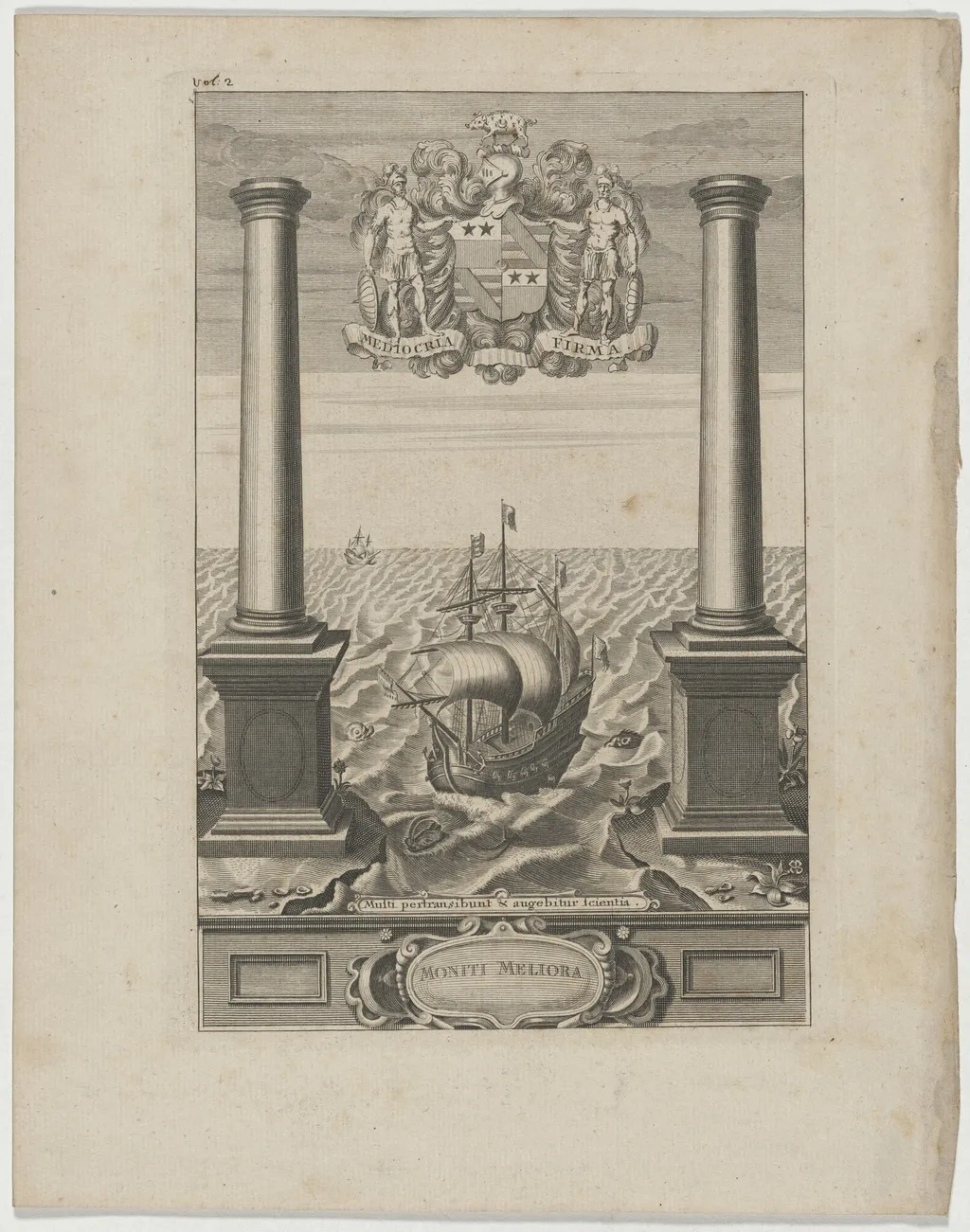
Coat of Arms, Moniti Meliora is an ink print by the Romanticist artist Unknown 19th Century. It dates from 1850 and is held in the collection of the National Gallery of Art. This engraving features a symmetrical composition with two tall columns framing a turbulent seascape.
About this work
Overview
At the center, a coat of arms is displayed above a scene of maritime distress: one vessel sinks amid crashing waves, while a smaller boat drifts nearby.
This engraving features a symmetrical composition with two tall columns framing a turbulent seascape. At the center, a coat of arms is displayed above a scene of maritime distress: one vessel sinks amid crashing waves, while a smaller boat drifts nearby. The Latin inscription beneath, 'Moniti Meliora,' translates to 'Warned to do better,' suggesting a moral or cautionary message tied to the imagery.
Subject & Meaning
The sinking ship and drifting vessel evoke peril and vulnerability at sea, possibly symbolizing human folly or the consequences of hubris. The coat of arms, adorned with stars and scrolls, implies institutional or familial authority, while the Latin motto frames the scene as a warning. Together, the elements convey a didactic narrative, urging reflection on past errors and the need for improved conduct.
Technique & Style
The artist employed fine, precise lines characteristic of traditional engraving, carving directly into a metal plate to produce intricate tonal variations. Shadows and textures in the waves, clouds, and architectural details are rendered through controlled hatching and cross-hatching. The contrast between the detailed seascape and the formal, stylized coat of arms highlights the interplay between natural chaos and ordered symbolism.
History & Provenance
Though the artist’s identity is not specified, the style and subject align with early modern European printmaking traditions, particularly those used for moral or heraldic instruction. Such prints were often circulated among educated elites as decorative or didactic objects. The presence of a Latin motto and heraldic elements suggests a connection to noble families, civic institutions, or maritime organizations seeking to communicate values through visual allegory.
Context
In the 16th and 17th centuries, engravings like this served as tools for moral education and social commentary, especially in regions with strong maritime economies. Heraldic imagery combined with nautical scenes reflected contemporary anxieties about trade, navigation, and divine retribution. The use of Latin reinforced the work’s scholarly tone, appealing to audiences familiar with classical rhetoric and emblematic traditions.
Legacy
This print exemplifies how visual symbolism was used to convey ethical lessons in pre-modern print culture. While not widely known today, such works contributed to the development of emblem books and public visual discourse. Its technical precision and layered meaning reflect the broader European tradition of using art to encode moral, political, or religious messages for literate audiences.
Artist & collection

Artist


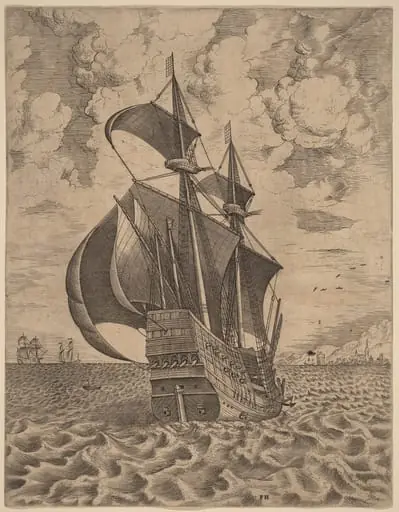 Armed Four-Master Sailing towards a Port
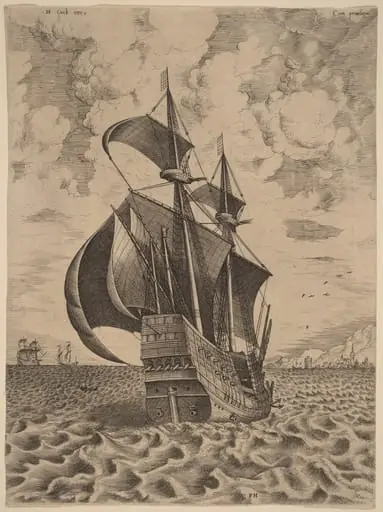 Armed Four-Master Sailing towards a Port
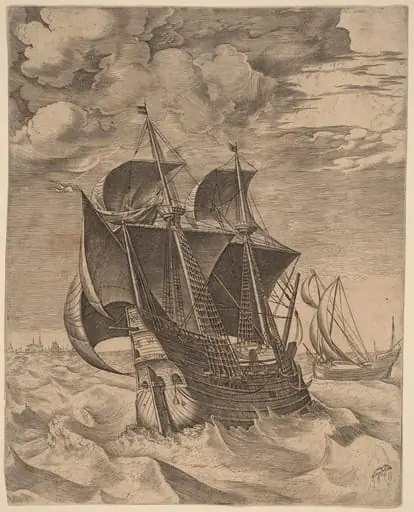 A Dutch Hulk and a Boeier
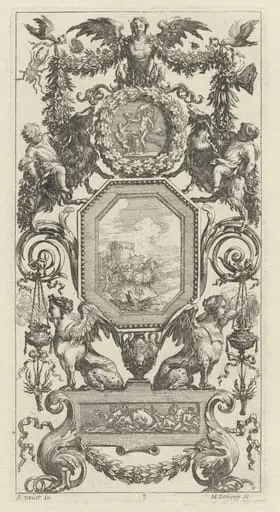 Ornamental Panel Surmounted by a Winged Harpy
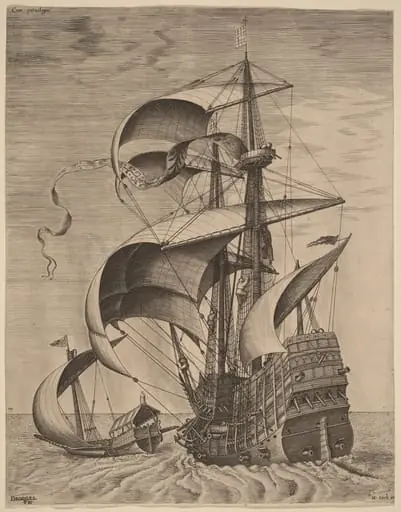 Armed Three-Master on the Open Sea, Accompanied by a Galley
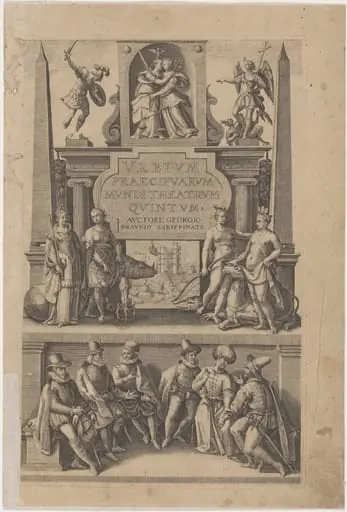 Title Page to Urbium Praecipuarum Mundi Theatrum Quintum
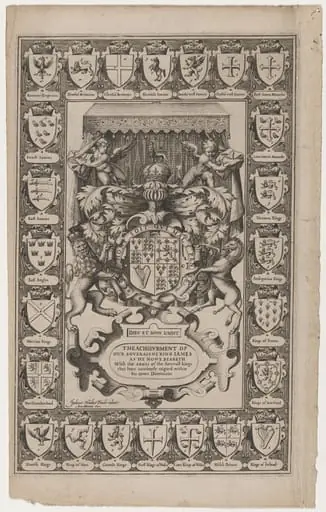 Title Page for the Achievement of our Soveraigne King James
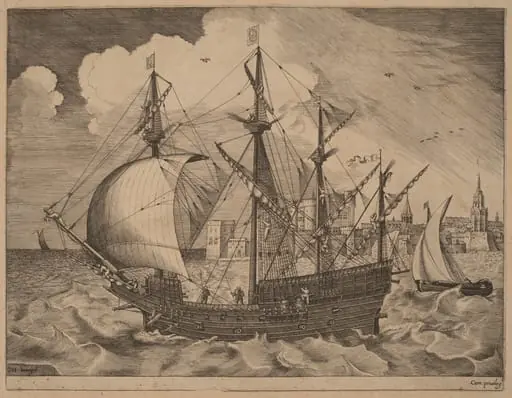 Armed Four-Master Putting Out to Sea
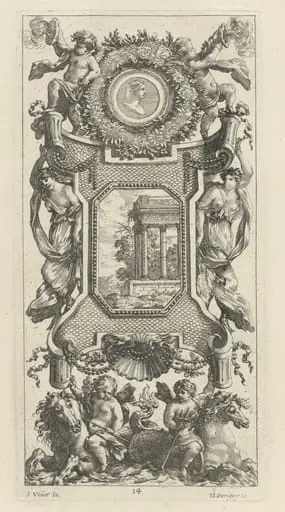 Ornamental Panel Surmounted by a Bust of a Woman and Two Putti with Flaming Trumpets
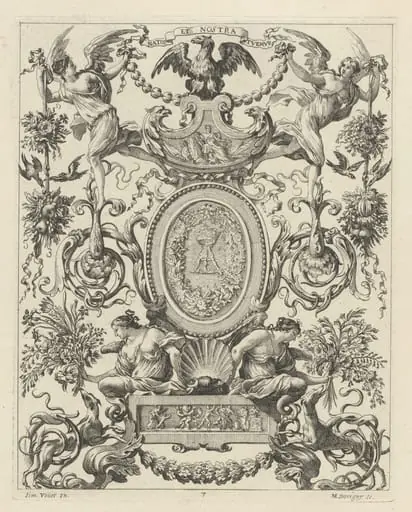 Ornamental Panel Surmounted by an Eagle and the Motto NATOS ET NOSTRA TUEMUR
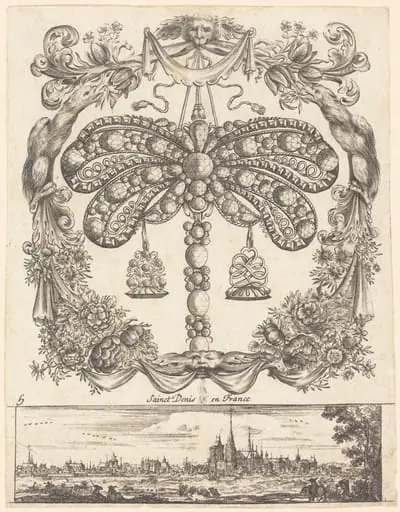 Saint Denis en France
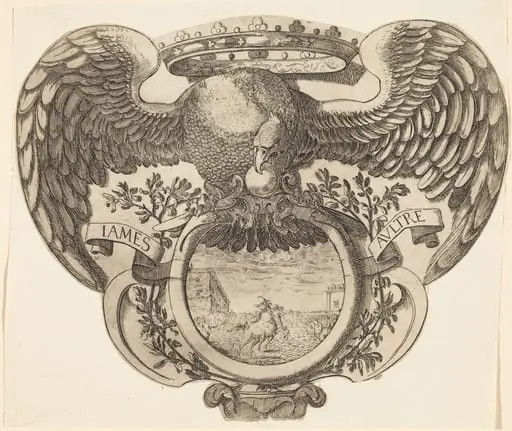 Coat of Arms