Artwork
Armed Three-Master on the Open Sea, Accompanied by a Galley
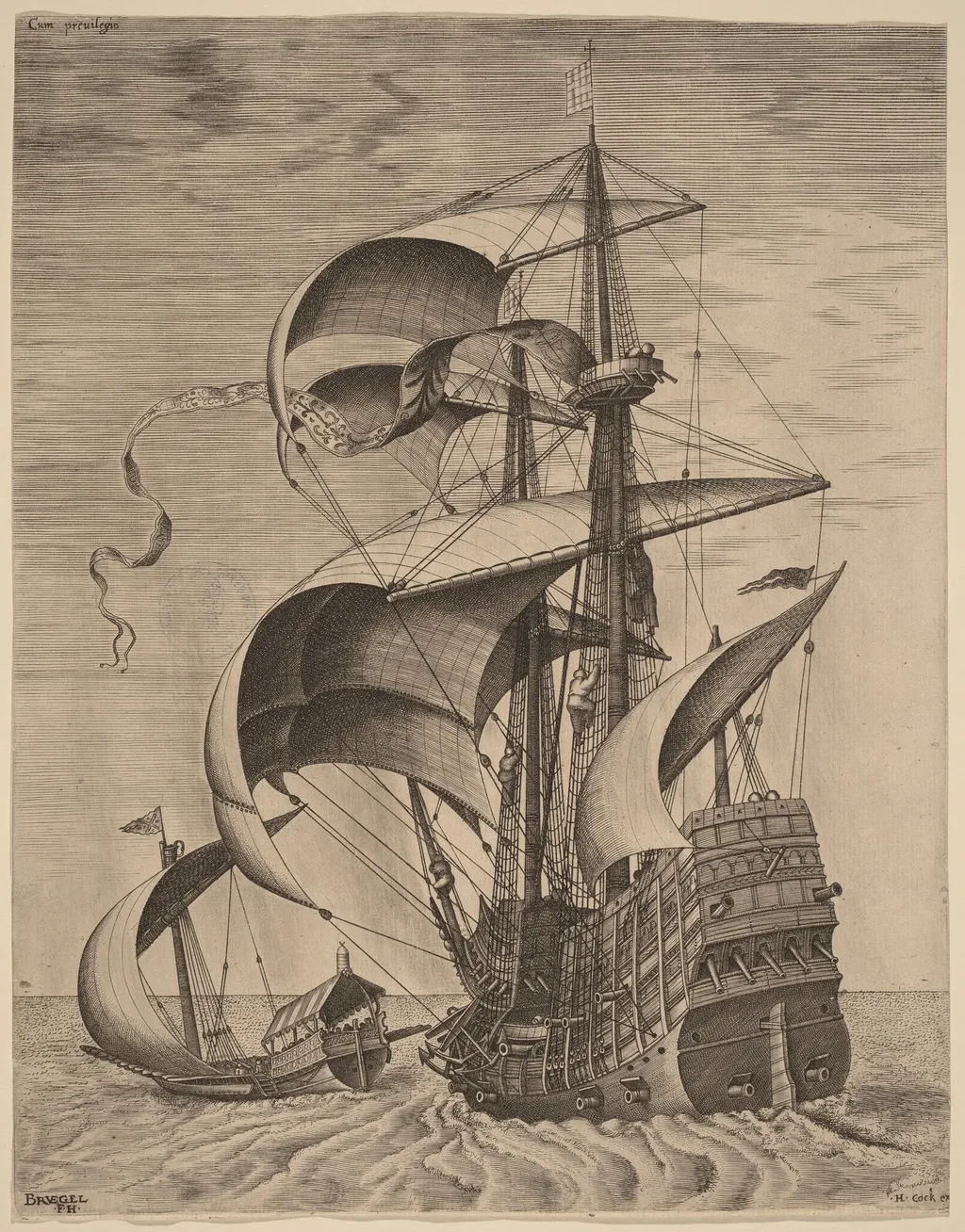
Armed Three-Master on the Open Sea, Accompanied by a Galley is an ink print by the Renaissance artist Frans Huys. It dates from 1542 and is held in the collection of the National Gallery of Art.
About this work
Overview
The work exemplifies 16th-century Northern European printmaking, emphasizing precision and atmospheric tension through controlled engraving techniques.
Created in 1542 by Frans Huys, this engraving depicts two vessels at sea: a large armed merchant ship with three masts and a smaller galley. Rendered in fine linear detail on laid paper, the composition captures the vessels amid turbulent waves under a brooding sky. The work exemplifies 16th-century Northern European printmaking, emphasizing precision and atmospheric tension through controlled engraving techniques.
Subject & Meaning
The two ships represent distinct maritime traditions—the towering, sail-driven armed vessel and the oar-powered galley, often used for warfare or transport in the Mediterranean. Their juxtaposition suggests a moment of encounter or convoy, possibly reflecting the era’s naval commerce and military coordination. The stormy setting implies peril, underscoring the vulnerability of seafaring life in an age of expanding maritime activity.
Technique & Style
Huys employed fine, incised lines to model form and texture, rendering rigging, hull contours, and churning waves with meticulous clarity. Cross-hatching and varying line density create a sense of volume and depth, while the absence of tone or color relies entirely on contrast and rhythm. The dense detailing of sails and ropes enhances realism, characteristic of Flemish engraving’s emphasis on observational accuracy.
History & Provenance
The print originates from the mid-16th century, a period when engraved maritime scenes circulated widely among merchants, navigators, and collectors. Though specific early ownership records are sparse, its survival in institutional collections suggests it was valued for its technical skill and documentary quality. It likely served both as artistic expression and as a visual record of contemporary ship design.
Context
During the 1540s, European maritime powers expanded trade and naval presence across the Atlantic and Mediterranean. Ship engravings like this one reflected public interest in seafaring technology and the dangers of ocean travel. Huys’s work aligns with a broader trend in Northern Europe of using print to document and disseminate images of ships, often for practical or educational purposes beyond pure decoration.
Legacy
This engraving contributes to a corpus of early modern maritime imagery that informed later cartographic and naval illustrations. While Huys was not among the most famous printmakers of his time, his attention to structural detail preserved visual knowledge of 16th-century vessels. The work remains a reference for historians studying ship construction and the aesthetics of seafaring in the Renaissance.
Artist & collection


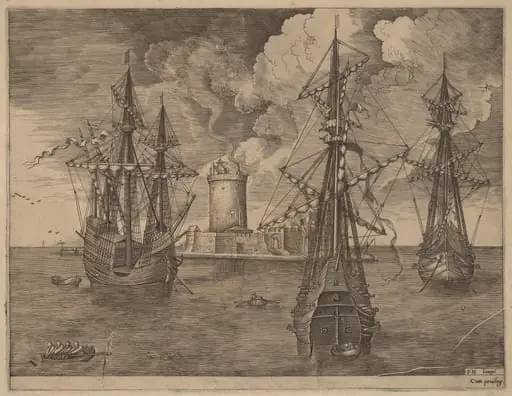 Four-Master (Left) and Two Three-Masters Ancored Near a Fortified Island with a Lighthouse
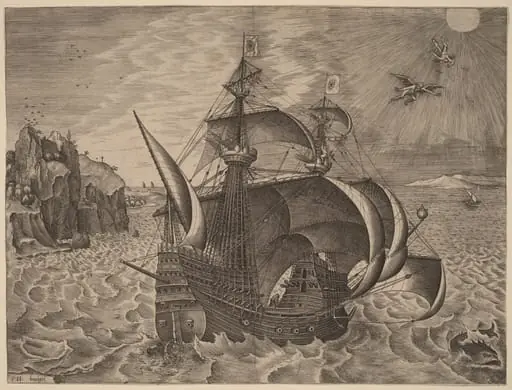 Armed Three-Master with Daedalus and Icarus in the Sky
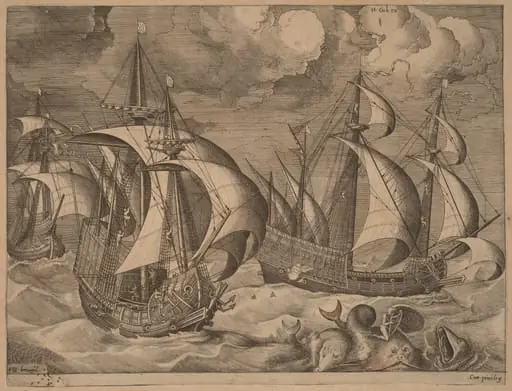 Three Caravels in a Rising Squall with Adrion on a Dolphin
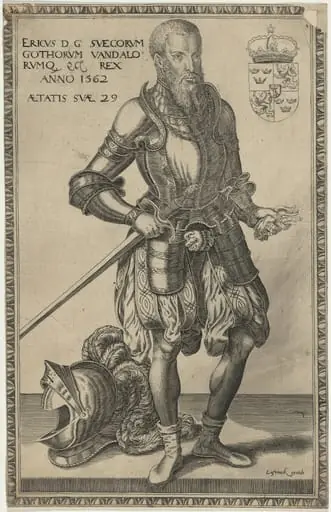 Eric XIV, King of Sweden
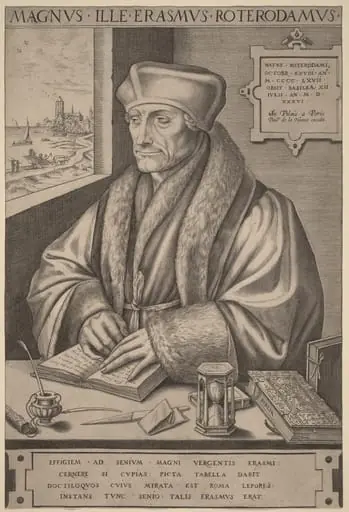 Erasmus of Rotterdam
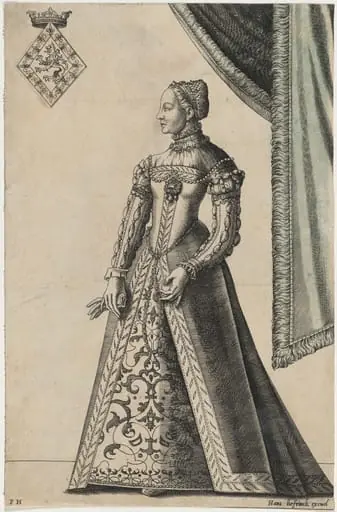 Mary, Queen of Scots
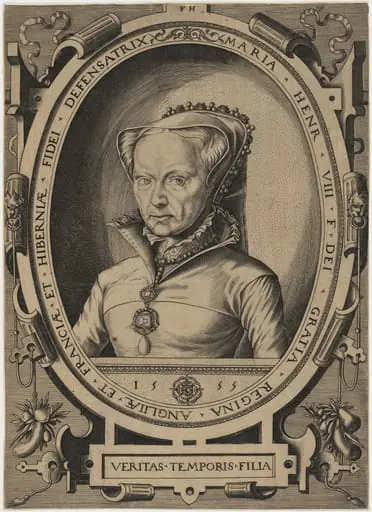 Queen Mary of England
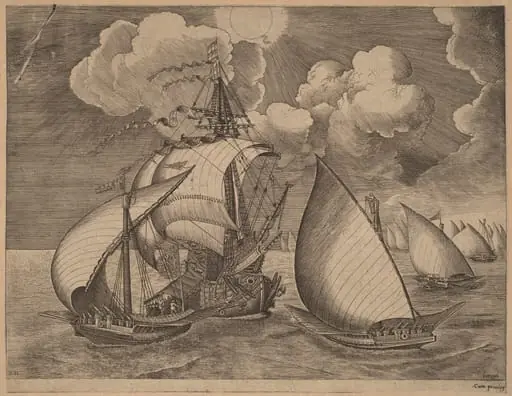 A Fleet of Galleys Escorted by a Caravel
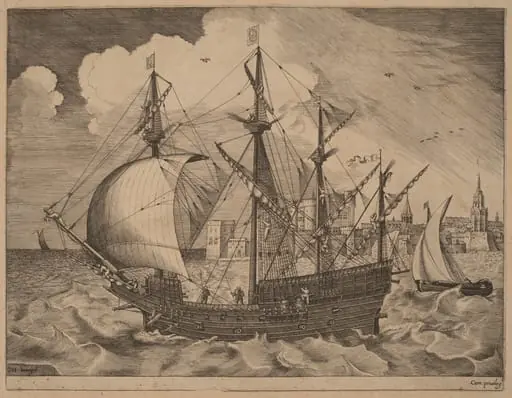 Armed Four-Master Putting Out to Sea
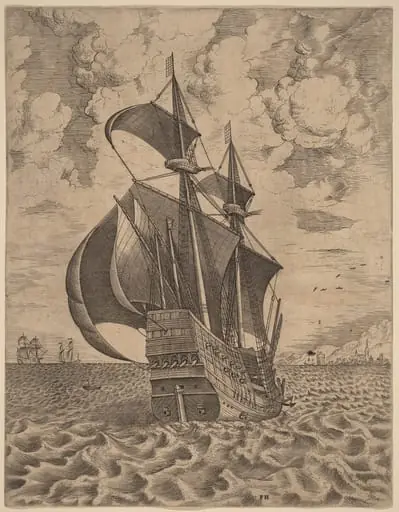 Armed Four-Master Sailing towards a Port
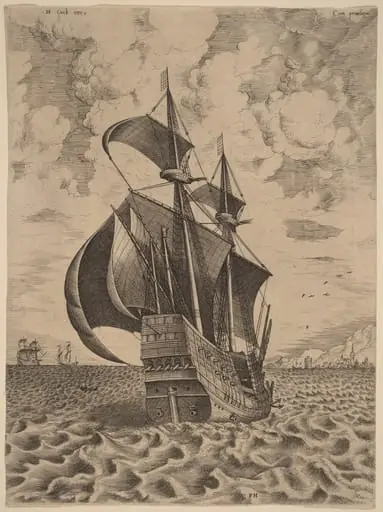 Armed Four-Master Sailing towards a Port
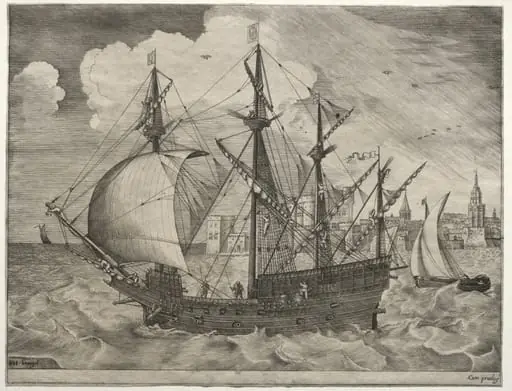 Sailing Vessels: Armed Four-Master Putting Out to Sea
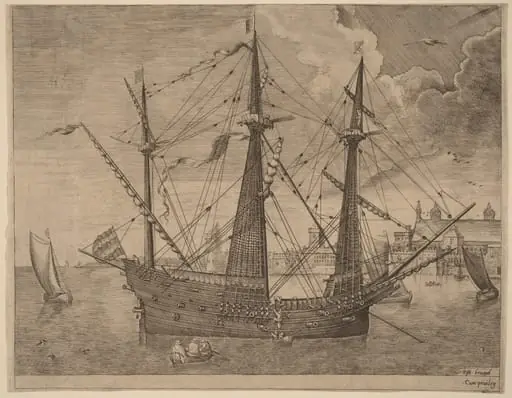 Armed Three-Master Anchored near a City
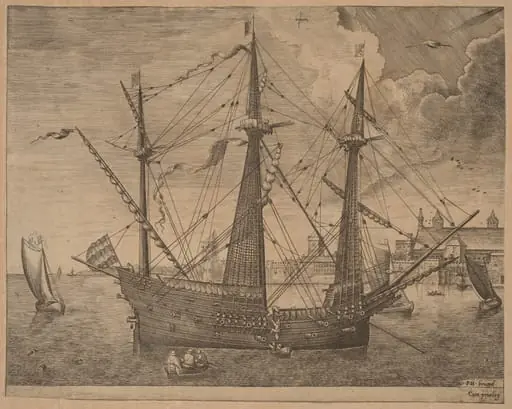 Armed Three-Master Anchored Near a City
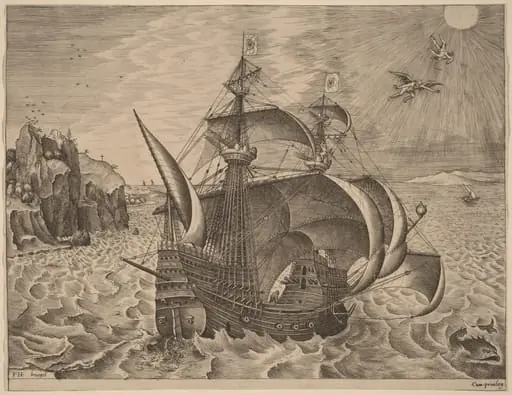 Armed Three-Master with Daedalus and Icarus in the Sky
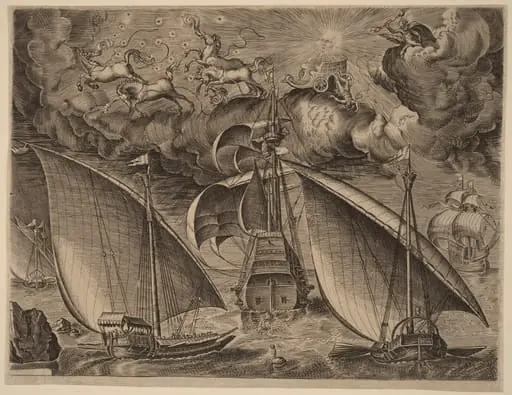 Two Galleys behind an Armed Three-Master with Phaethon and Jupiter in the Sky
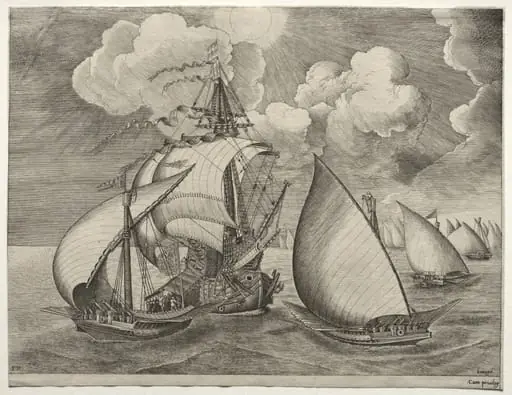 Sailing Vessels: A Fleet of Galleys Escorted by a Caravel
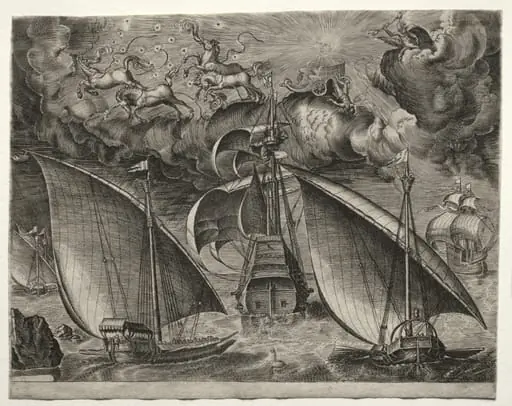 Sailing Vessels: Two Galleys Sailing Behind an Armed Three-Master with Phaeton and Jupiter in the Sky