Artwork
Ornamental Panel Surmounted by a Winged Harpy
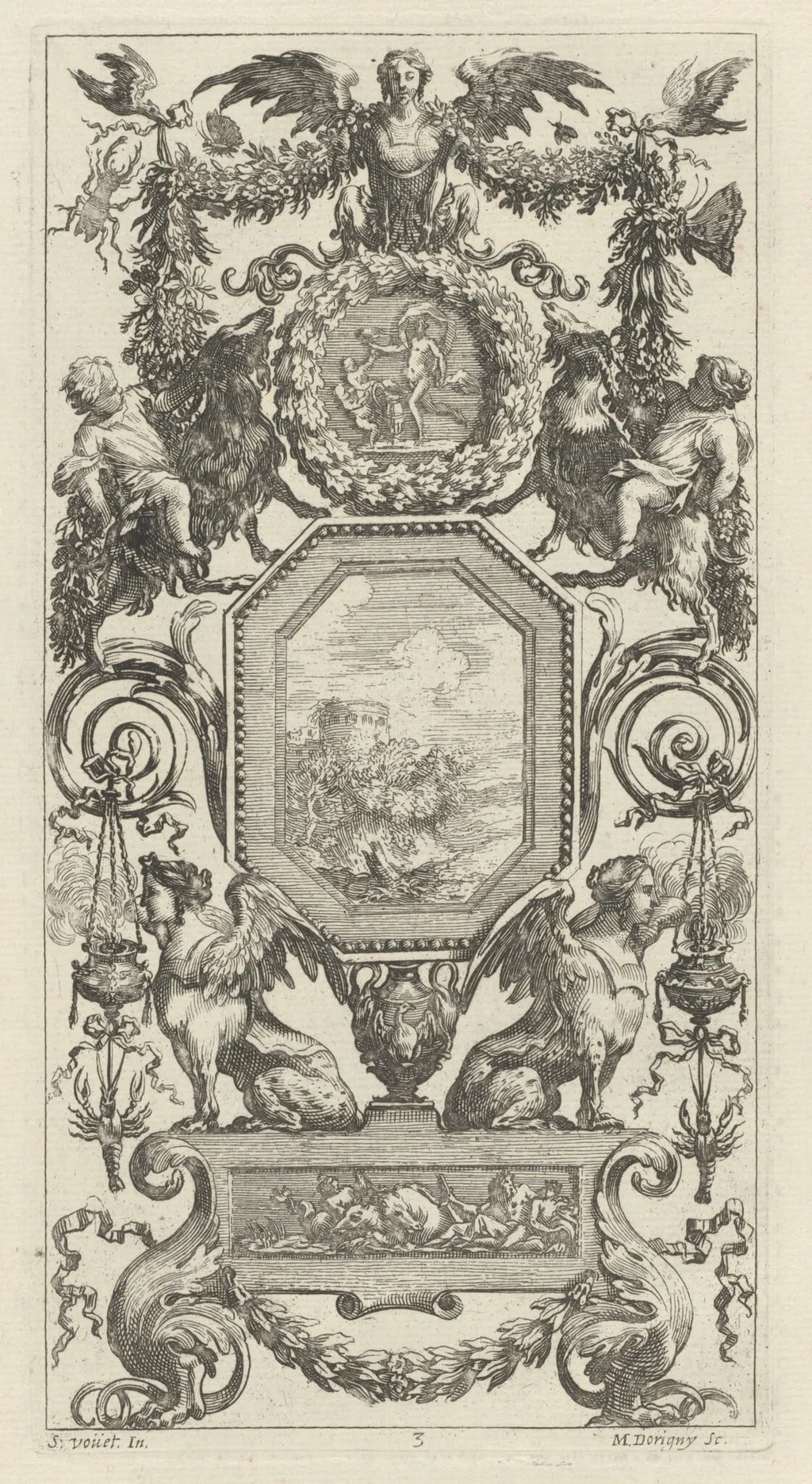
Ornamental Panel Surmounted by a Winged Harpy is an ink print by the Baroque artist Michel Dorigny. It dates from 1647 and is held in the collection of the National Gallery of Art.
About this work
Overview
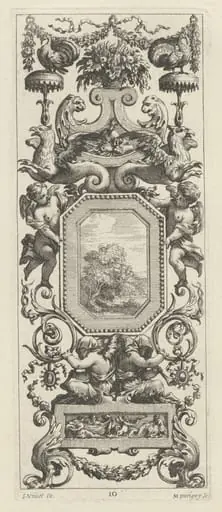
Ornamental Panel Surmounted by a Winged Harpy is a 1647 etching with engraving on laid paper by Michel Dorigny, characterized by a densely packed, black-and-white design featuring mythological and ornamental elements.
Subject & Meaning
The harpy, a hybrid creature, often symbolized the wind or the soul in Baroque art, while the lions may represent strength or guardianship.
The composition centers around a blank space, framed by a busy border. A winged harpy (human head, bird’s body) tops a shield with an inset scene, while below, lions flank a pedestal-mounted vase, amidst flowers, scrolls, and putti. The harpy, a hybrid creature, often symbolized the wind or the soul in Baroque art, while the lions may represent strength or guardianship. The overall design may have been intended for decorative purposes, such as architectural or book ornamentation.
Technique & Style
Dorigny employed etching and engraving to achieve sharp lines and deep shadows, creating a three-dimensional illusion on a two-dimensional medium. The style reflects the prevailing Baroque taste of the 1600s, emphasizing dynamic movement and intricate detail.
History & Provenance
Created in 1647 by Michel Dorigny, specific provenance details (ownership history) are not provided in the available information.
Context
This work aligns with 17th-century decorative arts trends, where such designs were used to adorn buildings and books, reflecting the era’s penchant for ornate and symbolic motifs.
Legacy
While specific influence or notable exhibitions of this piece are not detailed, it represents a typical example of Baroque ornamental print design, contributing to the understanding of 17th-century artistic tastes.
Artist & collection


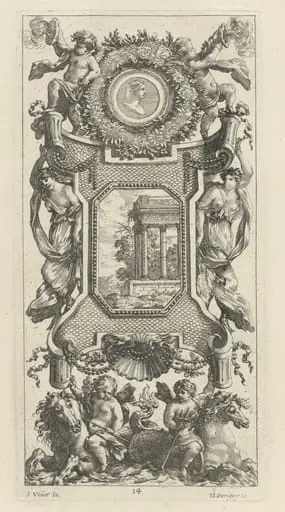 Ornamental Panel Surmounted by a Bust of a Woman and Two Putti with Flaming Trumpets
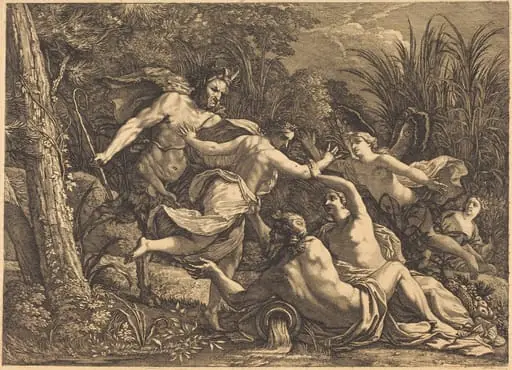 Pan and Syrinx
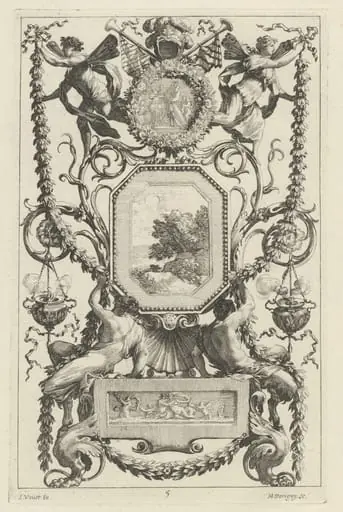 Ornamental Panel Surmounted by a Medallion with a Sacrifice
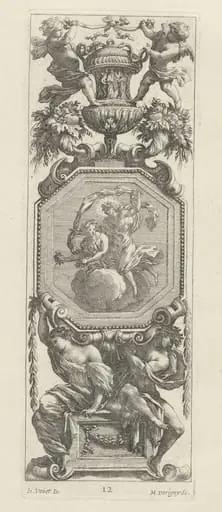 Ornamental Panel Surmounted by Two Putti and a Vase
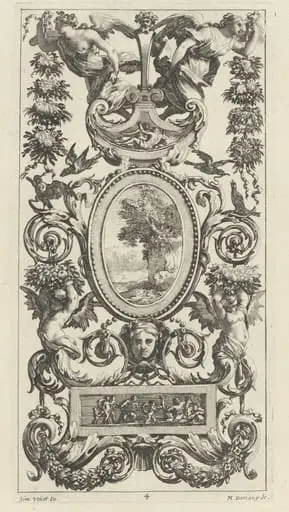 Ornamental Panel with Pan and Two Garland-Bearing Women
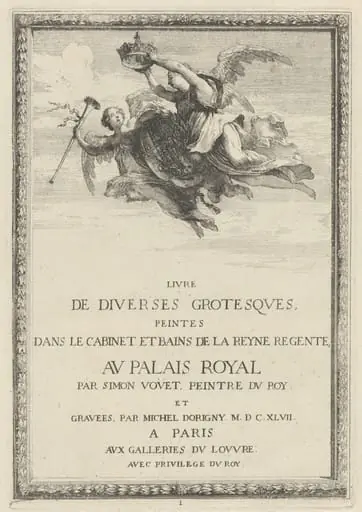 Title Page
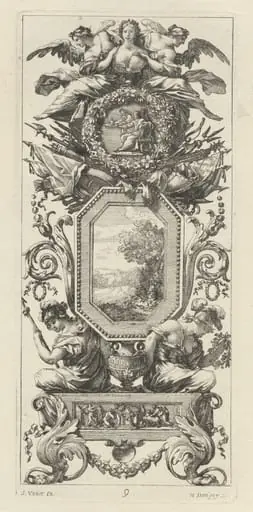 Ornamental Panel Surmounted with Two Figures Leaning on the Bust of a Woman
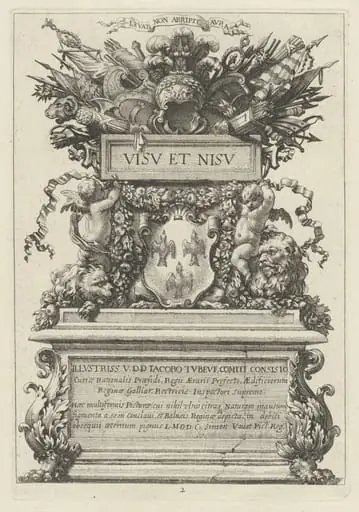 Frontispiece