Artwork
Count Gondamor, Sarmiento de Acuna
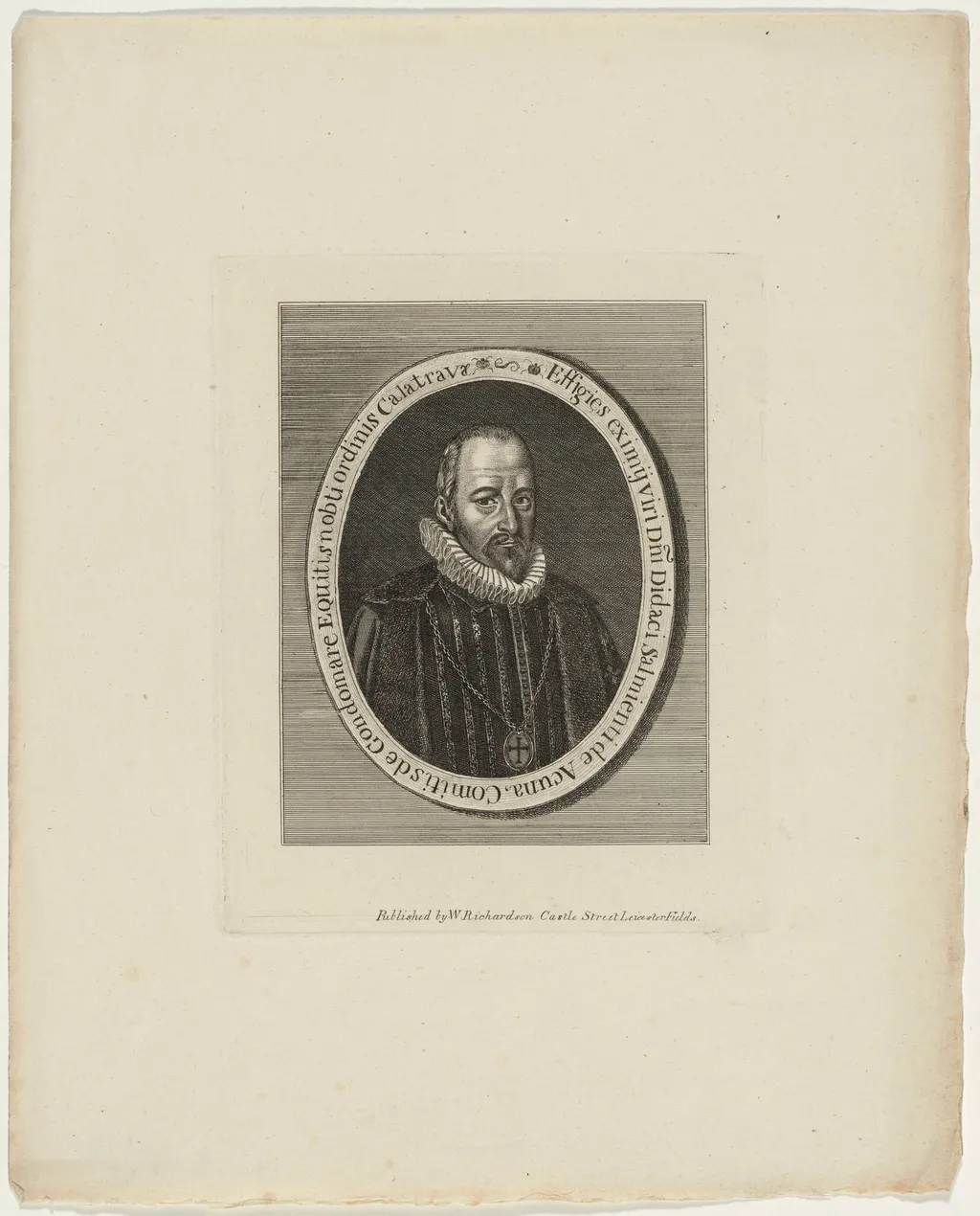
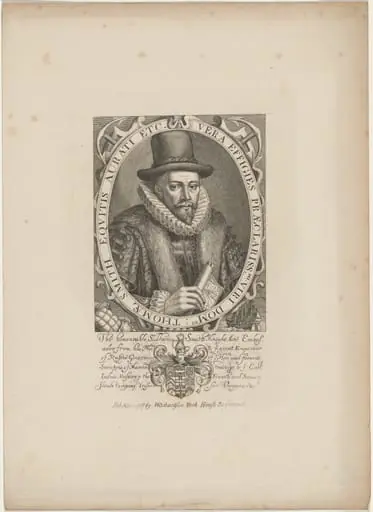
Count Gondamor, Sarmiento de Acuna is a print by the Romanticist artist Unknown 19th Century. It dates from 1850 and is held in the collection of the National Gallery of Art.
About this work
The use of chiaroscuro, a technique that uses strong contrasts of light and dark to create a sense of volume, adds depth to the portrait.
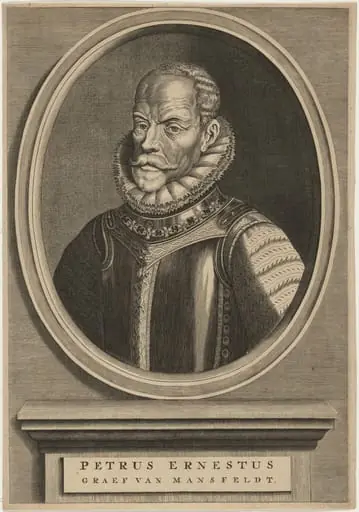
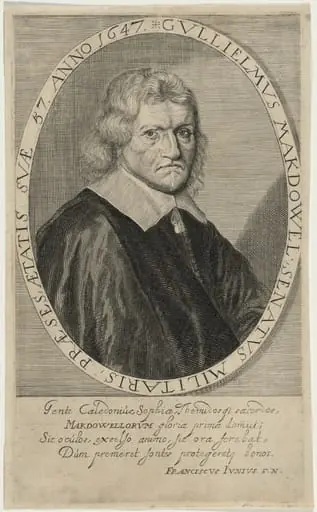
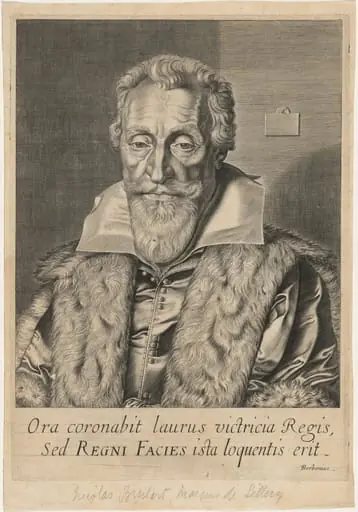
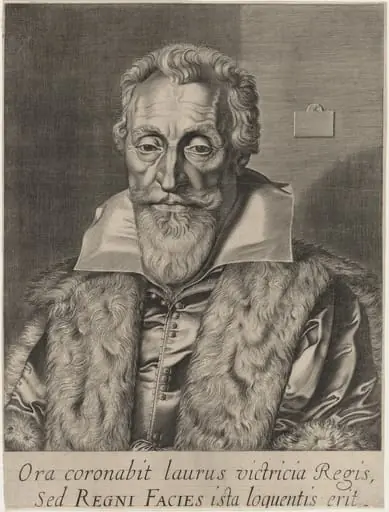
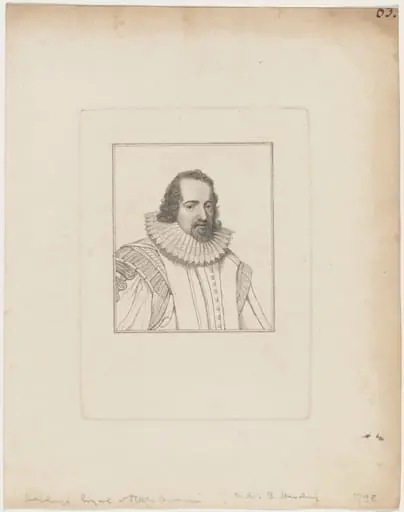
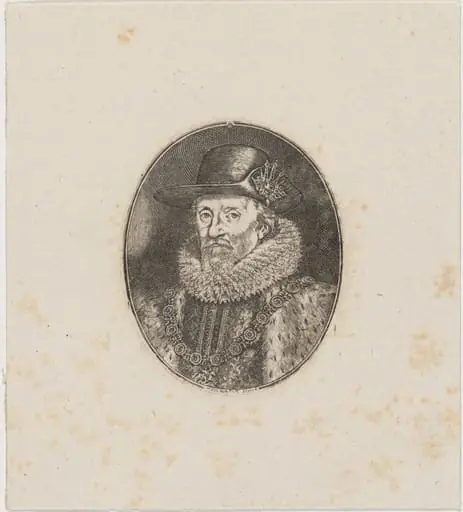
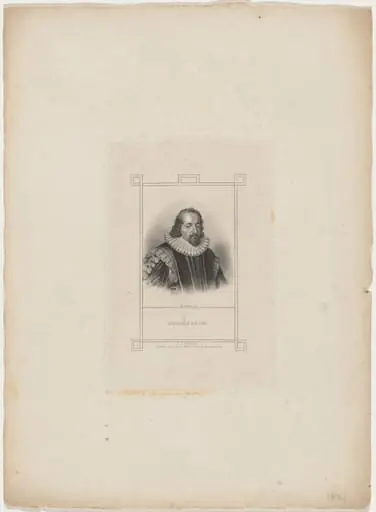
The painting shows a man with a serious expression, wearing a dark-colored shirt with vertical stripes and a high collar. He has a thick beard and mustache, and is adorned with a large cross necklace. The background of the painting is a solid color.
The man's attire and the style of the painting suggest that it may be from the 19th century. The use of chiaroscuro, a technique that uses strong contrasts of light and dark to create a sense of volume, adds depth to the portrait.
This painting is reminiscent of the works of Romanticism, a movement that emphasized emotion and individualism. To learn more about this style, explore the Romanticism movement.
Overview
The work, titled Count Gondamor, Sarmiento de Acuna, is a facsimile print portraying a solemn male figure. He is dressed in a dark, vertically‑striped shirt with a high collar, his face framed by a thick beard and moustache, and he wears a prominent cross necklace against an unadorned, single‑tone background.
Subject & Meaning
The portrait presents the count in a dignified pose, his serious expression and religious pendant suggesting personal piety or status. The simplicity of the backdrop focuses attention on his features and attire, emphasizing individual character over narrative context.
Technique & Style
The image employs chiaroscuro, using stark light‑dark contrasts to model the figure’s volume and give a three‑dimensional presence. The handling of light and shadow, together with the Romantic sensibility toward emotion and individuality, aligns the work with 19th‑century portrait conventions.
History & Provenance
Identified as a facsimile, the print reproduces an original portrait likely created in the 1800s. No further details on ownership or exhibition history are provided, limiting knowledge of its journey from creation to present collection.
Context
The portrait reflects Romantic era aesthetics, which favored expressive, personal depictions and dramatic lighting. Its formal attire and religious symbol echo the period’s interest in aristocratic identity and spiritual devotion.
Artist & collection

Artist