Artwork
William Butler, Physician
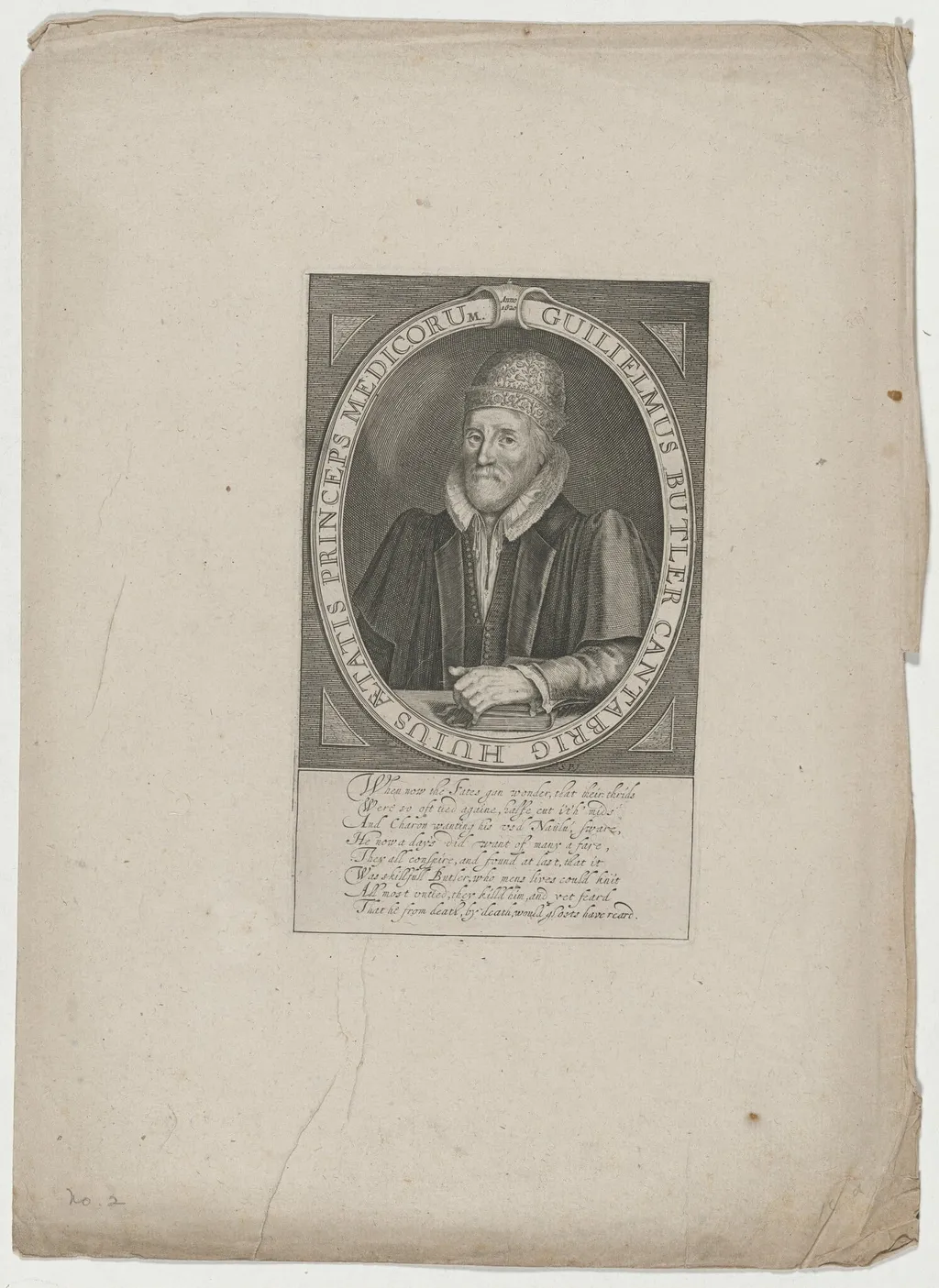
William Butler, Physician is an ink print by the Renaissance artist Simon van de Passe. It dates from 1621 and is held in the collection of the National Gallery of Art.
About this work
Overview
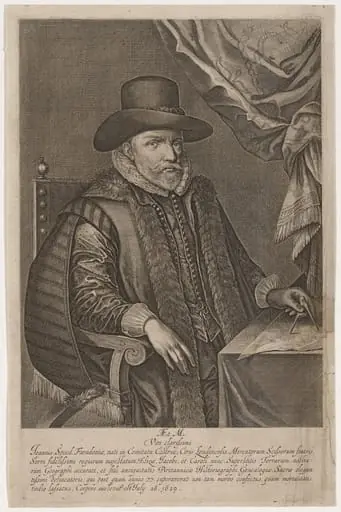
Simon van de Passe’s 1621 engraving presents William Butler, a senior physician, in a formal portrait. Rendered in stark black‑and‑white, the image shows Butler with a flowing white beard, a tall hat, and a dark robe, his hands resting on a table. Latin inscriptions identify him as “Medicus” and name him, while a short poem appears beneath the figure.
Subject & Meaning
The portrait emphasizes Butler’s professional stature and scholarly demeanor. The solemn expression, dignified attire, and the inclusion of a poetic epitaph suggest a respect for his medical expertise and intellectual reputation, common in early‑modern commemorative prints that aimed to honor learned individuals.
Technique & Style
Executed as an intaglio engraving, van de Passe employed fine line work to model facial features and fabric textures, achieving depth through cross‑hatching. The monochrome palette underscores the contrast between light and shadow, a hallmark of early 17th‑century Northern European printmaking.
History & Provenance
Created in 1621, the print was likely produced for distribution among learned circles or patrons of Butler’s work. Copies survive in several European print collections, indicating its circulation as a printed tribute during the period.
Context
The work belongs to a tradition of portrait engravings that documented notable physicians in the early modern era, reflecting the growing social esteem of medical practitioners. Van de Passe, a prominent Dutch engraver, contributed to this genre by rendering scholarly figures with a blend of realism and emblematic symbolism.
Artist & collection

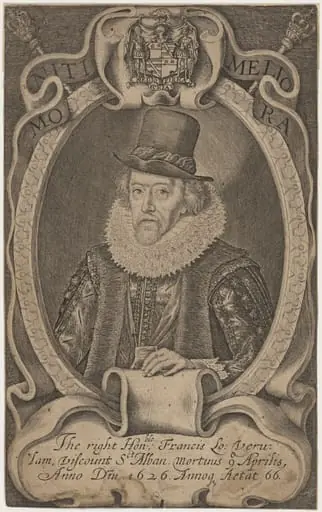
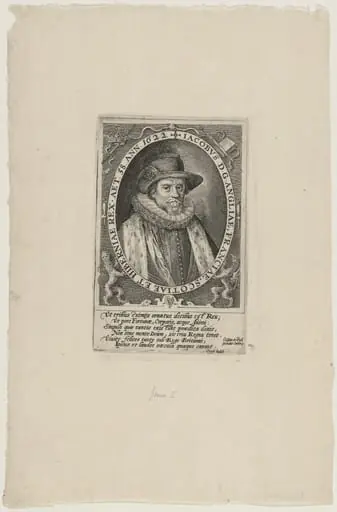 James I, King of England
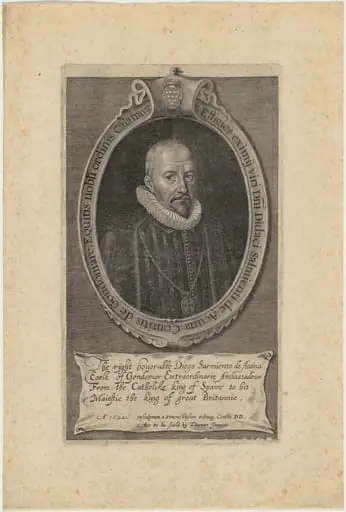 Diego Sarmiento de Acuna, Count of Gondomar
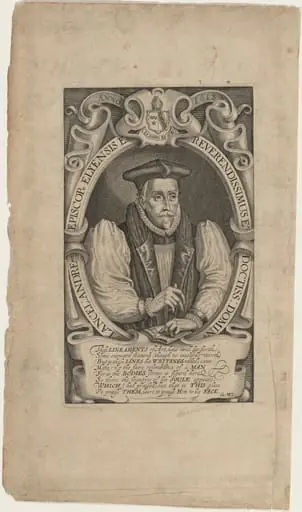
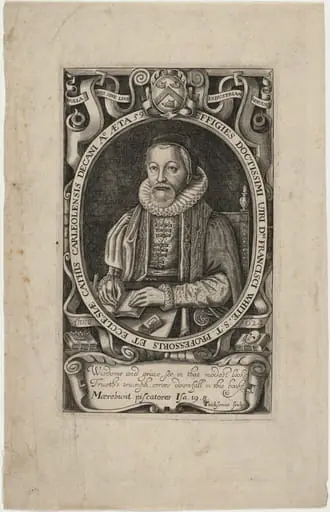 Francis White, Bishop of Ely
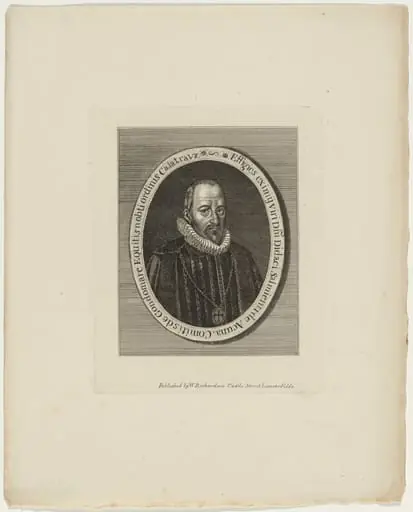 Count Gondamor, Sarmiento de Acuna
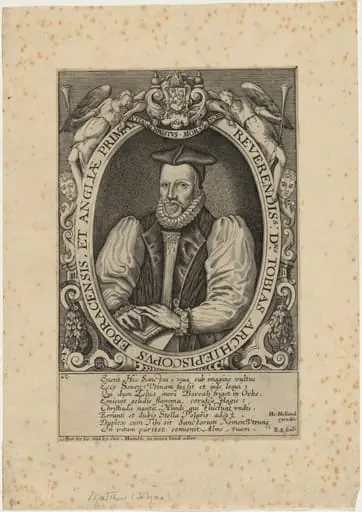 Tobias Matthew, D.D., Archbishop of York
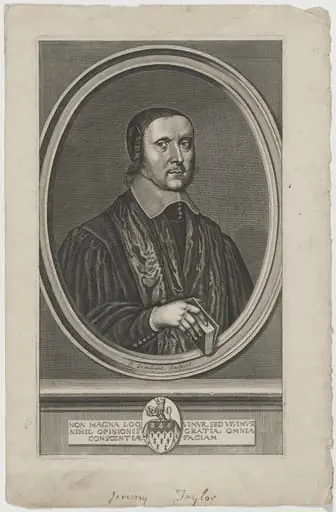 Jeremy Taylor, Bishop of Down, Connor and Dromore
 John Speed
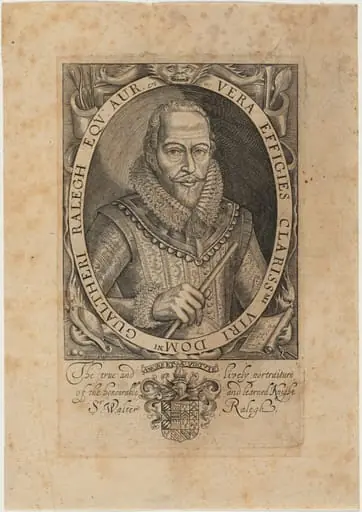
 Sir Walter Raleigh
 John Speed
 John Parkinson, Apothecary and Herbalist to James I