Artwork
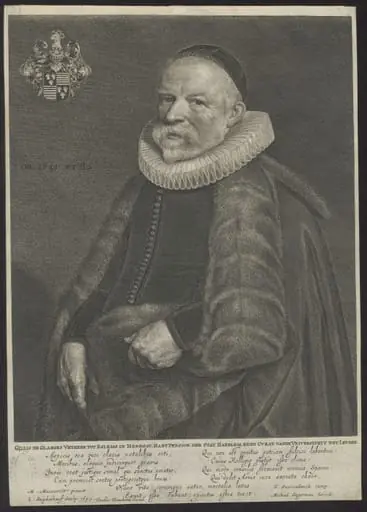
Portrait of Esaias du Pré
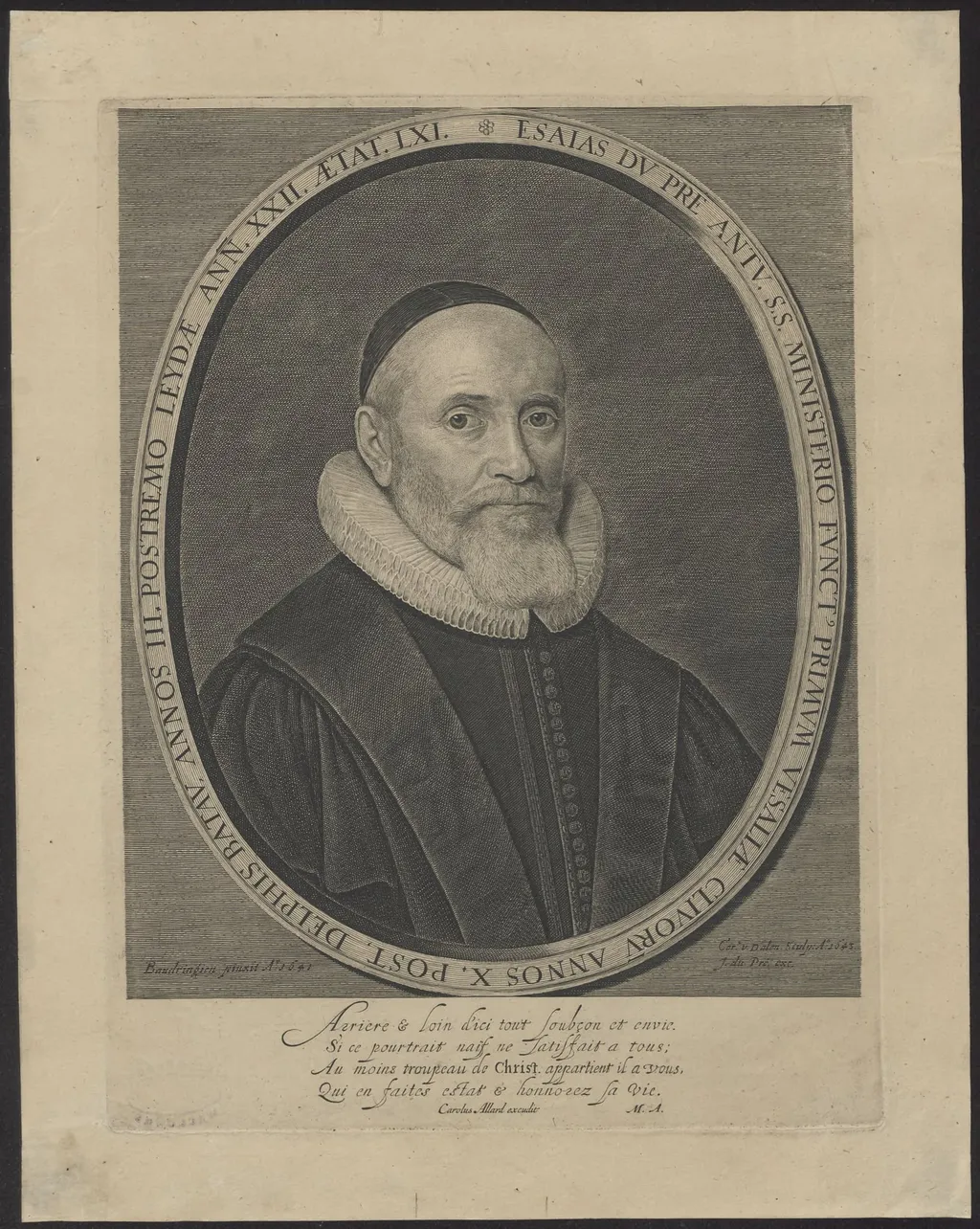
Portrait of Esaias du Pré is an unspecified painting by the Baroque artist Cornelis van, Dalen. It dates from 1643 and is held in the collection of the Leiden University Libraries.
About this work
The artist copied this from an earlier work by Baudringien, which is an interesting fact about this piece.
This painting shows a man, Esaias du Pré, in a formal setting.
He's wearing old-fashioned clothes and has a serious expression.
The artist copied this from an earlier work by Baudringien, which is an interesting fact about this piece.
The copy is from 1643, two years after the original.
This suggests the artist, Cornelis van Dalen, admired the earlier work.
You can learn more about this style by looking at the technique of chiaroscuro.
Overview
The work is a portrait of Esaias du Pré, executed as a copy in 1643 after an original painted by Baudringien in 1641. The image presents the sitter in formal attire, his expression solemn, set against a restrained background typical of mid‑seventeenth‑century portraiture.
Subject & Meaning
Esaias du Pré is depicted in contemporary dress, suggesting his status and the conventions of portraiture that emphasized dignity and social rank. The inclusion of a French poem beneath the image, authored by an individual identified only as M.A., adds a literary dimension, possibly commenting on the sitter’s virtues or commemorating the occasion.
Technique & Style
The copyist employed chiaroscuro, using strong contrasts of light and shadow to model the figure’s features and clothing, a method prevalent in Dutch portraiture of the period. The handling of texture in the fabrics and the subtle gradations of tone reflect the influence of the original Baudringien composition while showcasing the copyist’s own skill.
History & Provenance
Cornelis van Dalen produced the 1643 version, two years after Baudringien’s original, indicating a deliberate effort to preserve or disseminate the image. An inscription reading “Carolus Allard excudit” appears on the work, identifying the printer or publisher responsible for its reproduction, which helps trace its early circulation.
Context
The practice of copying recent portraits was common in the Dutch Republic, serving both as a means of honoring admired individuals and as a way to satisfy market demand for recognizable images. This portrait fits within that tradition, linking the artistic networks of Baudringien, van Dalen, and the literary figure M.A., and reflecting the cross‑cultural exchange evident in the French verse accompanying a Dutch painting.
Artist & collection
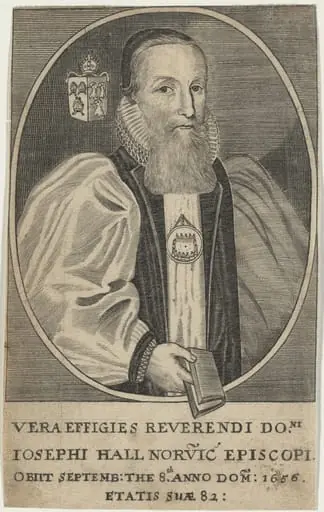 Joseph Hall, Bishop of Norwich
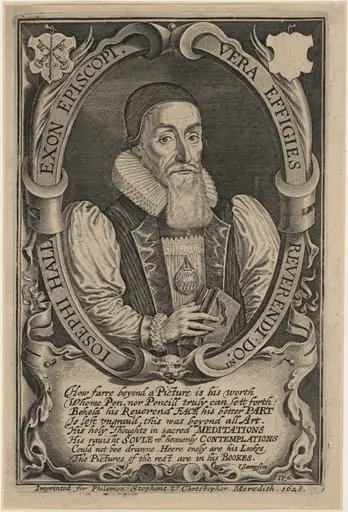 Joseph Hall, Bishop of Exeter and Norwich
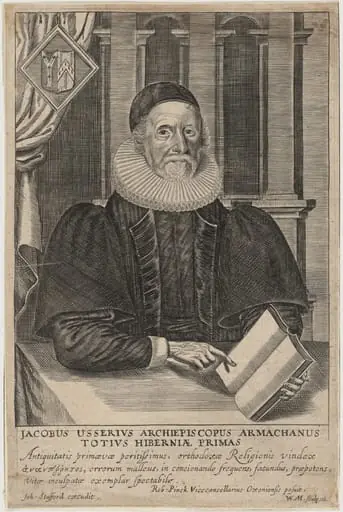 James Ussher, Archbishop of Armagh
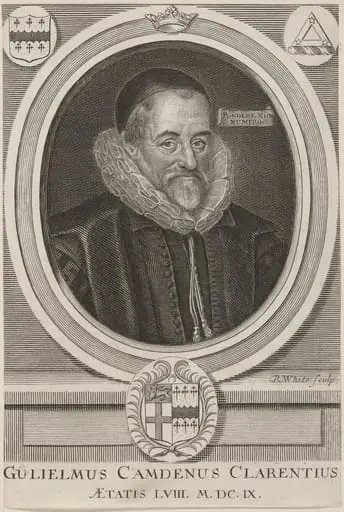 William Camden
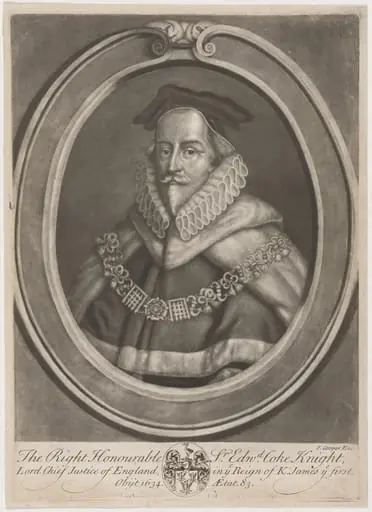 Sir Edward Coke, Knight, Lord Chief Justice
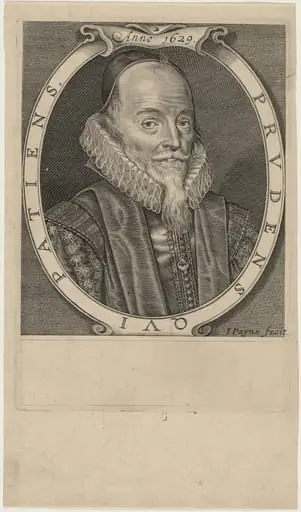 Sir Edward Coke
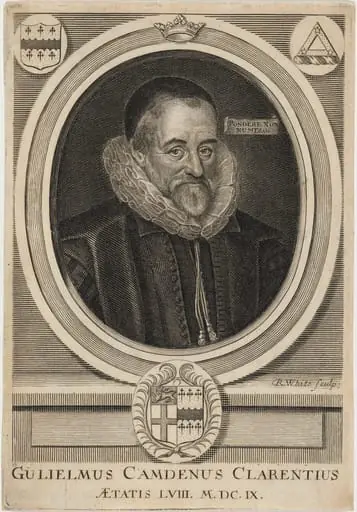 William Camden
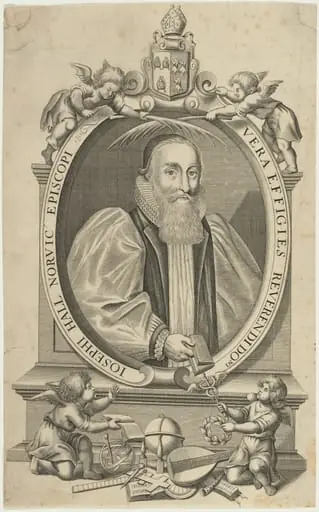 Rev. Joseph Hall, Bishop of Norwich
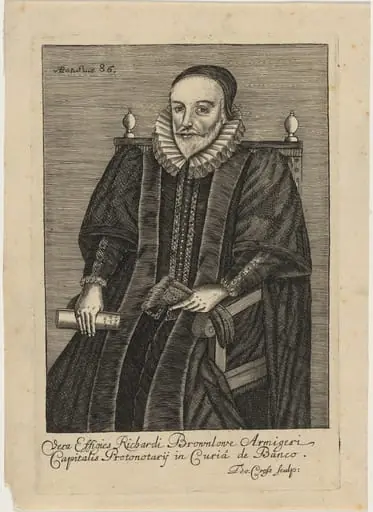 Richardi Brownlowe Armigeri
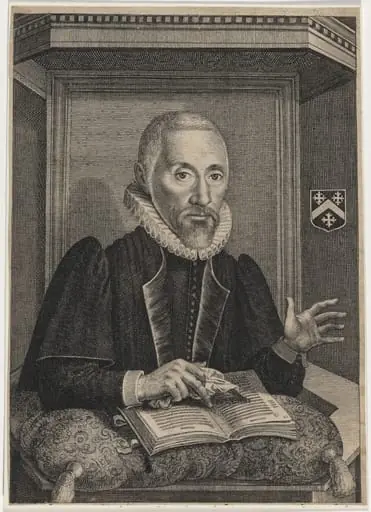 Arthur Hildersham, Minister
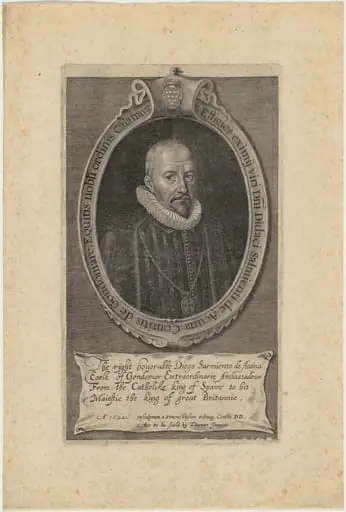 Diego Sarmiento de Acuna, Count of Gondomar
 Portrait of Gillis de Clarges