Artwork
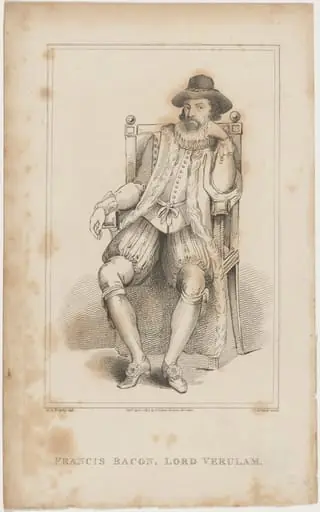
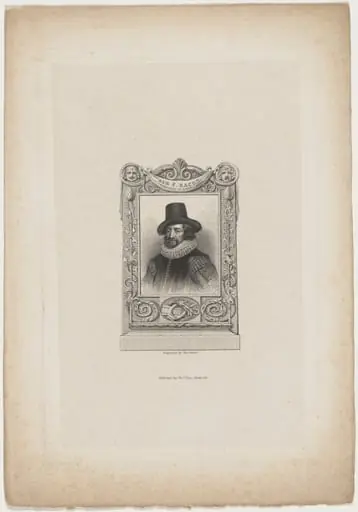
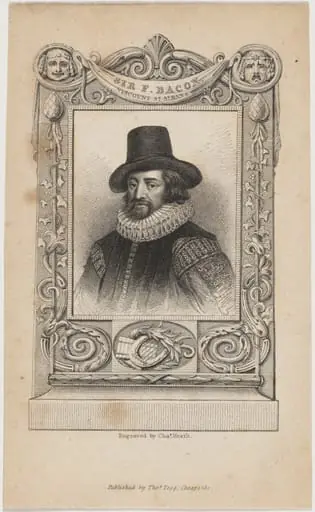
Francis Bacon, Lord Verulam
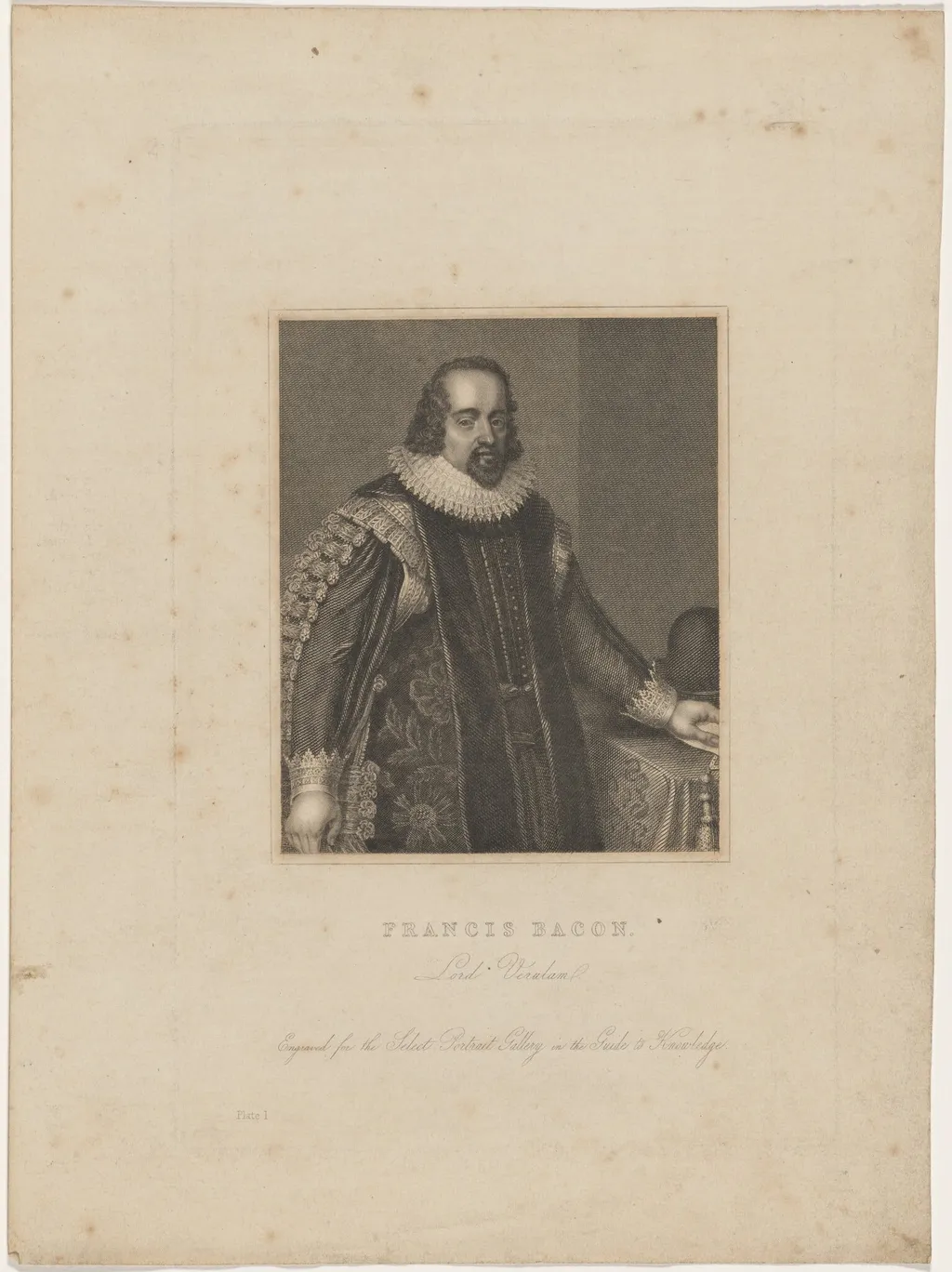
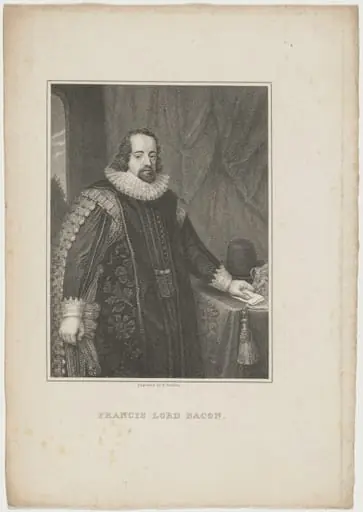
Francis Bacon, Lord Verulam is an ink print by the Romanticist artist Unknown 19th Century. It dates from 1850 and is held in the collection of the National Gallery of Art.
About this work
Overview
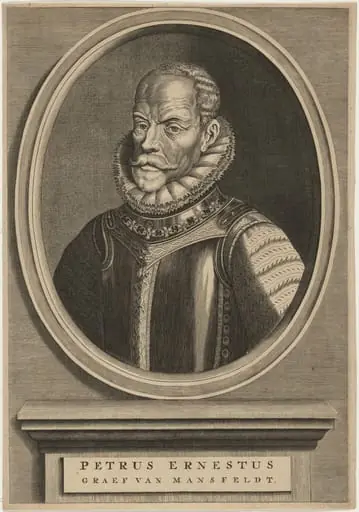
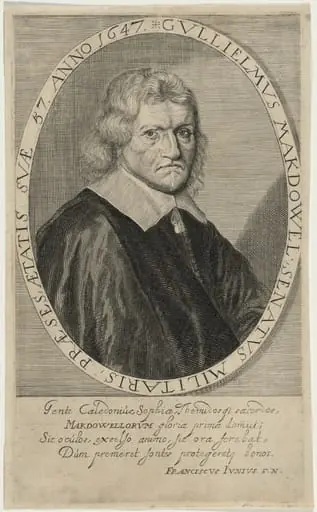
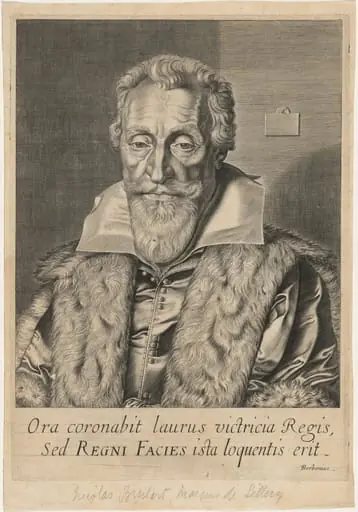
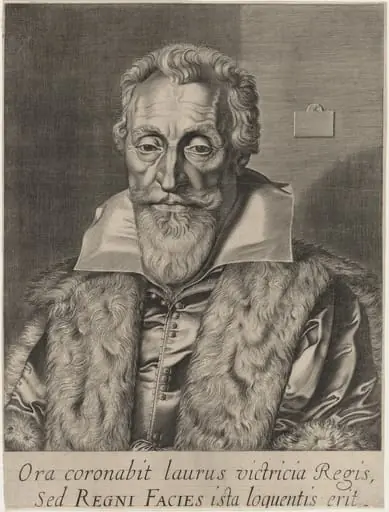
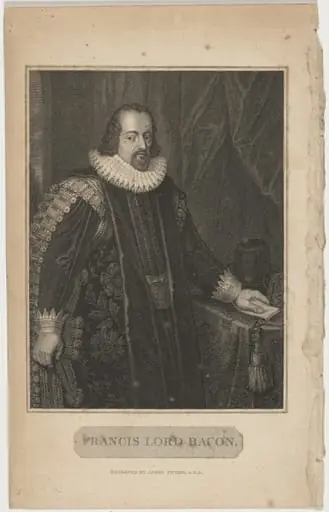
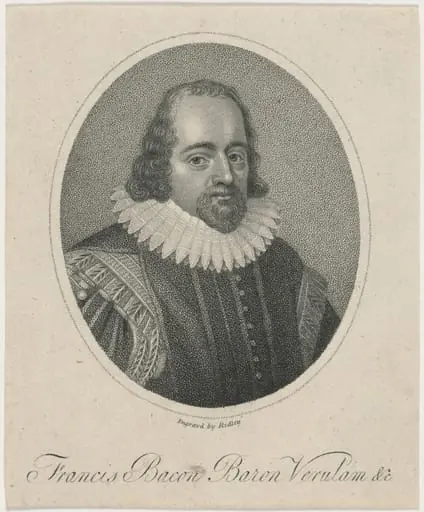
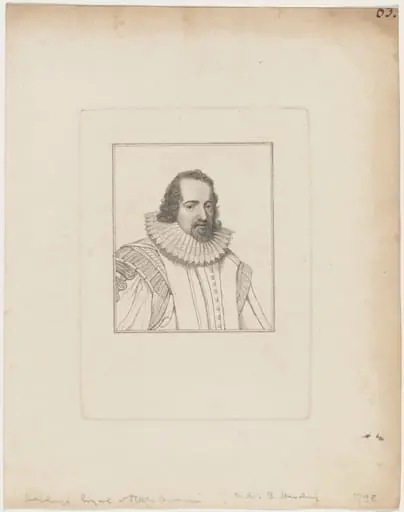
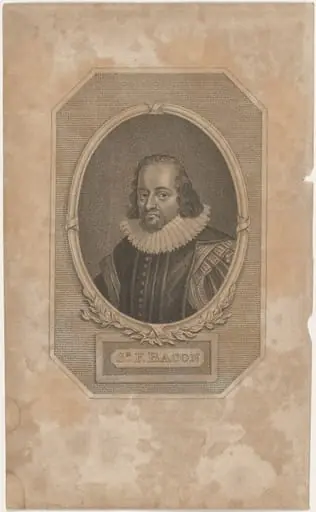
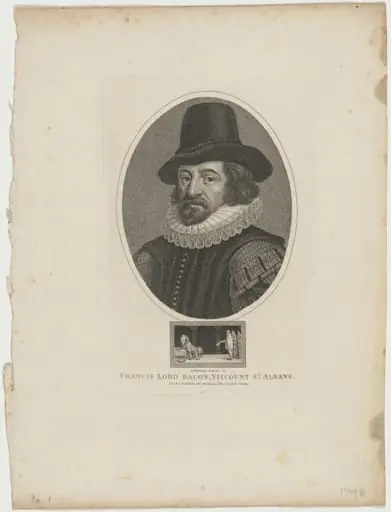
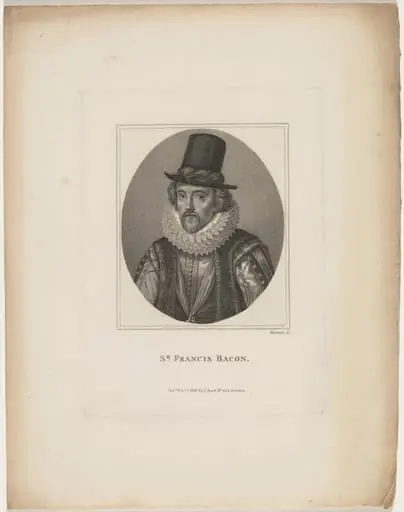
This print is an engraving depicting Francis Bacon, Lord Verulam, produced in the early modern period. Unlike painted portraits, it was created through incised lines on a metal plate, inked and pressed onto paper. The work reflects the technical demands of pre-industrial printmaking, where fine detail was achieved manually without mechanical aids.
Subject & Meaning
Francis Bacon, a prominent philosopher and statesman, is portrayed with the solemnity befitting his intellectual stature. The portrait emphasizes his role as a public figure rather than a personal likeness, aligning with conventions of scholarly portraiture in the 17th century. His attire and posture convey authority, reinforcing his status as a key voice in the development of empirical thought.
Technique & Style
The image was executed using the engraving technique, involving fine lines carved into a copper plate with a burin. Artists relied on hand-controlled pressure and precision to render texture, shading, and facial features. The resulting print captures a high degree of detail, typical of skilled engravers who translated painted compositions into reproducible graphic form.
History & Provenance
The print likely originated in the decades following Bacon’s death in 1626, as his reputation grew among scholars and institutions. Such engravings were often commissioned for publication in biographical collections or academic works. Its survival suggests it was valued for its documentary function rather than artistic novelty, circulating among educated audiences across Europe.
Context
Engraved portraits of philosophers and statesmen were common in early modern Europe, serving as visual anchors for printed texts. Bacon’s image, like those of contemporaries such as Galileo or Descartes, was reproduced to legitimize and disseminate ideas. The medium allowed for wider distribution than paintings, making the portrait a tool of intellectual legacy rather than mere representation.
Legacy
This engraving contributes to the visual record of early modern scientific thought. While not artistically revolutionary, it exemplifies how print culture preserved the likenesses of influential figures for future generations. Its endurance in archives and libraries underscores its role as a historical document, anchoring Bacon’s image in the collective memory of Western philosophy.
Artist & collection

Artist