Artwork
Frederick Henry, Prince of Orange
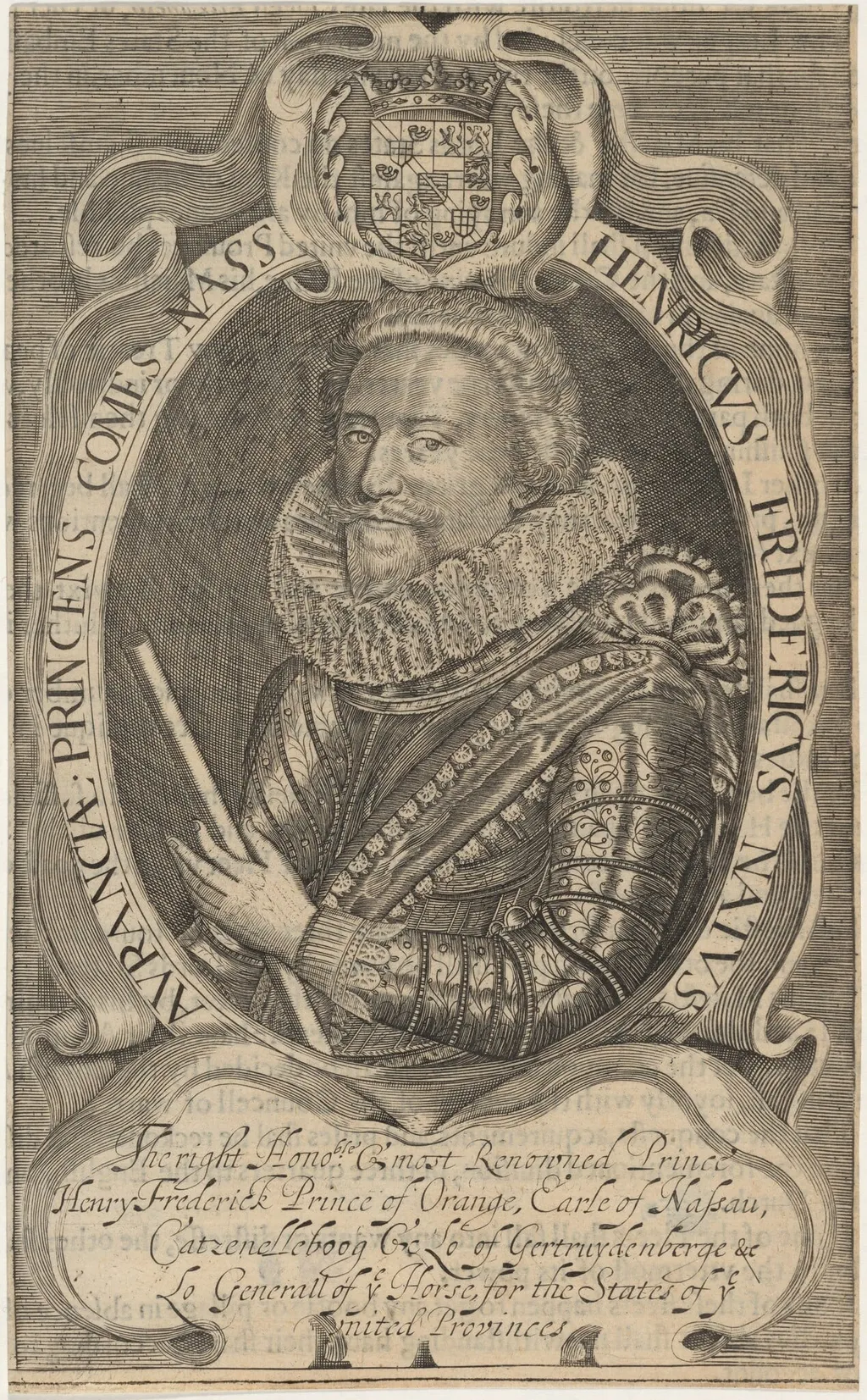
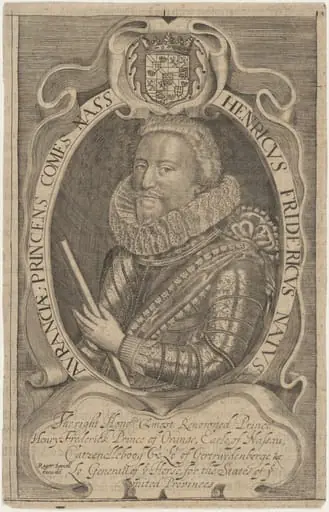
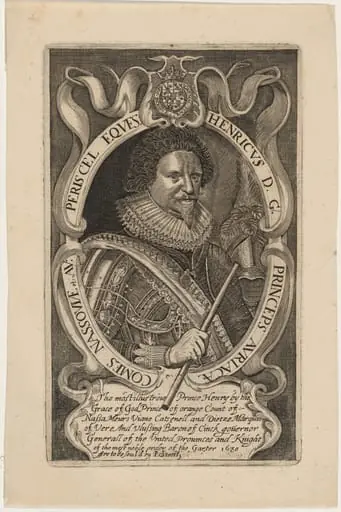
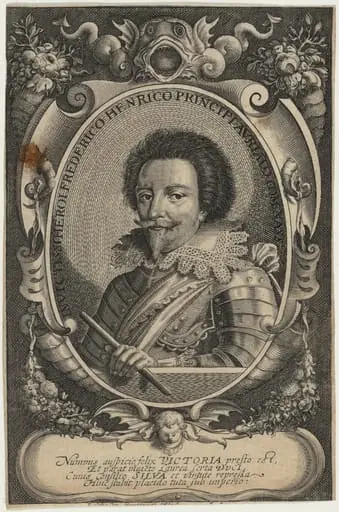
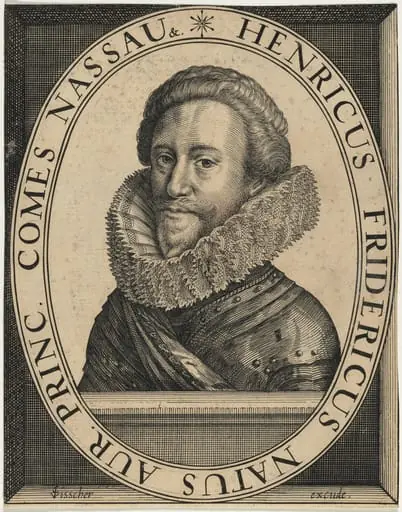
Frederick Henry, Prince of Orange is an ink print by the Baroque artist Unknown 19th Century. It dates from 1627 and is held in the collection of the National Gallery of Art.
About this work
Overview
Created as a print, it was likely produced for wide distribution, reflecting the use of engraving as a reproductive medium before the advent of photography.
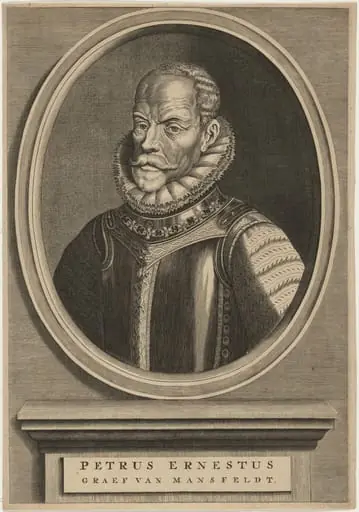
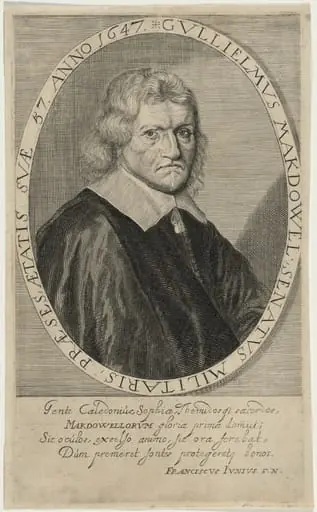
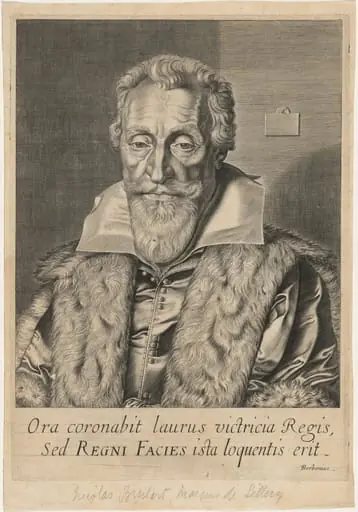
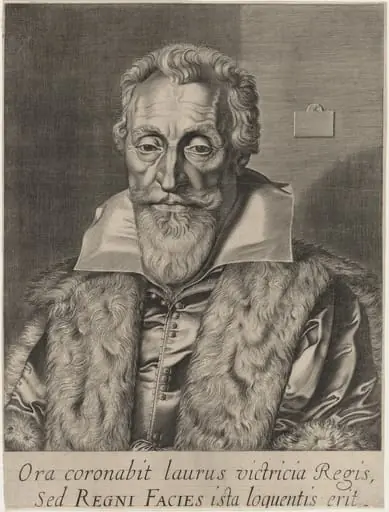
This black-and-white engraving depicts Frederick Henry, Prince of Orange, as a solemn, bearded nobleman. Rendered in fine linear detail, the portrait emphasizes his status through symbolic elements: a crown-like frame, a coat of arms above, and inscriptions identifying his titles. Created as a print, it was likely produced for wide distribution, reflecting the use of engraving as a reproductive medium before the advent of photography.
Subject & Meaning
Frederick Henry is portrayed with the gravity befitting a military and political leader of the Dutch Republic. The crown-like motif and heraldic symbols reinforce his dynastic authority as Prince of Orange and Count of Nassau. The beard and direct gaze convey maturity and resolve, aligning his image with ideals of stoic leadership. The inscriptional text functions as both identification and legitimization of his rule.
Technique & Style
The portrait was made using the engraving technique, in which lines are incised into a metal plate and inked to produce impressions. Fine, controlled strokes model the texture of the fur collar and beard, while hatching creates depth and volume. The absence of color focuses attention on form and detail, characteristic of 17th-century reproductive prints designed for clarity and precision.
History & Provenance
Created during Frederick Henry’s lifetime in the early 17th century, the engraving was likely commissioned to circulate his likeness among allies and subjects. Such prints were common tools of political representation in the Dutch Republic, where visual propaganda supported state identity. Its survival suggests it was preserved in collections or archives, possibly by institutions or families connected to the House of Orange.
Context
In the Dutch Golden Age, portraiture served both personal and political ends. Engravings allowed for the mass dissemination of leaders’ images, reinforcing their authority beyond the elite circles who owned paintings. Frederick Henry’s role as stadtholder during a period of military success made him a frequent subject, and this print reflects the era’s fusion of art, politics, and print culture.
Legacy
This engraving contributes to the visual record of Dutch leadership during a formative period. It exemplifies how printmaking enabled the standardization of noble imagery across regions and social classes. Though not an original painting, its precision and endurance make it a valuable artifact of early modern visual communication and the mechanics of political representation in pre-photographic society.
Artist & collection

Artist