Artwork
Frederick Henry of Nassau
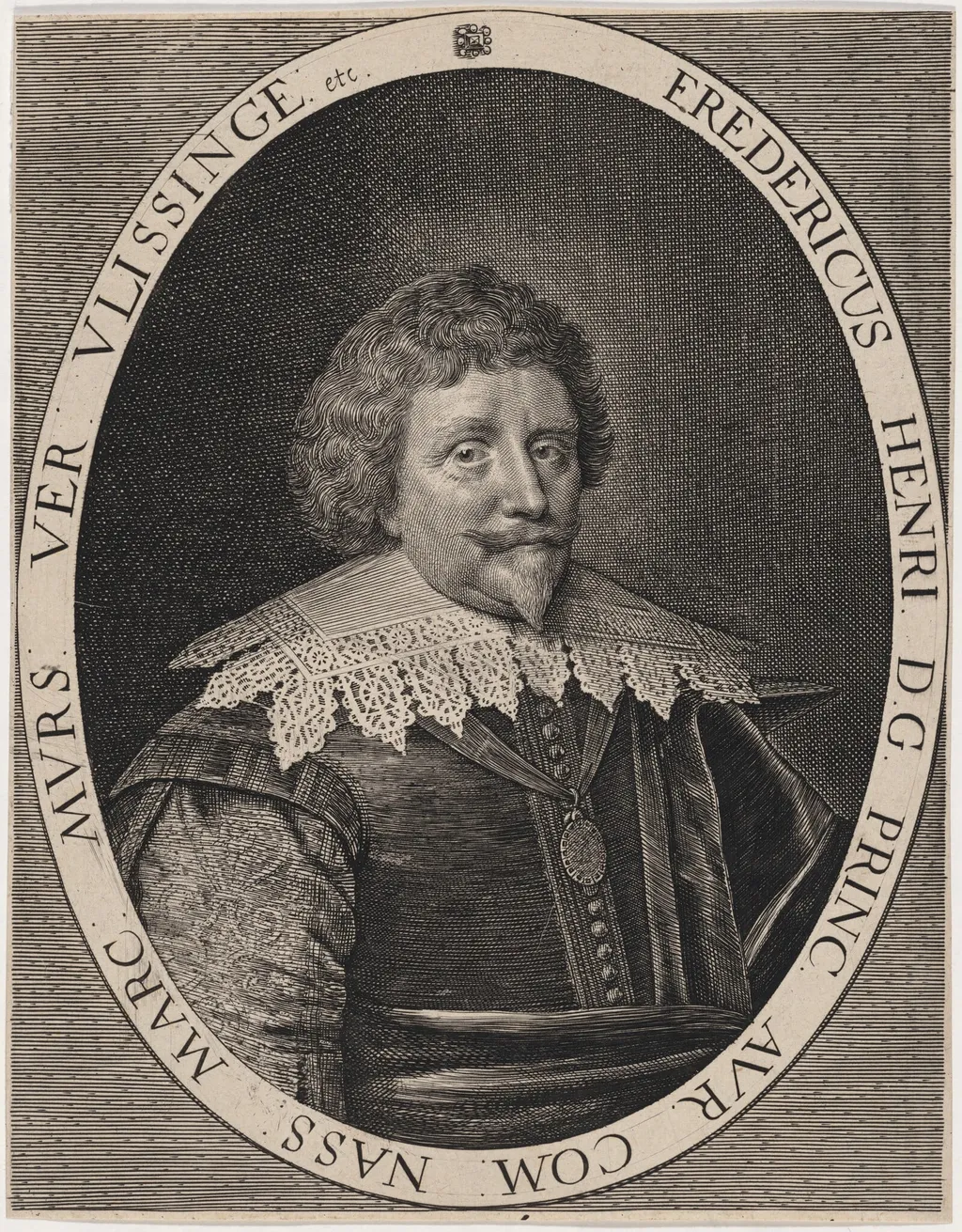
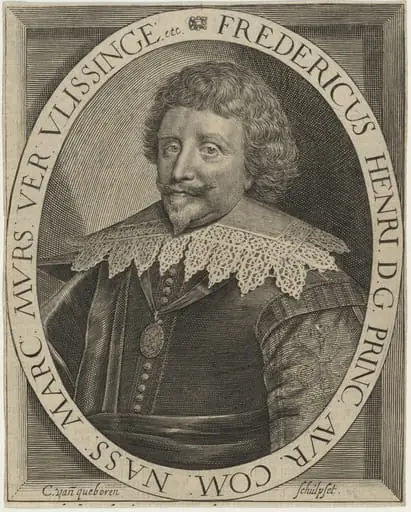
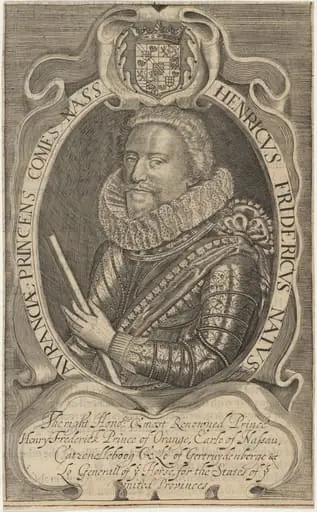
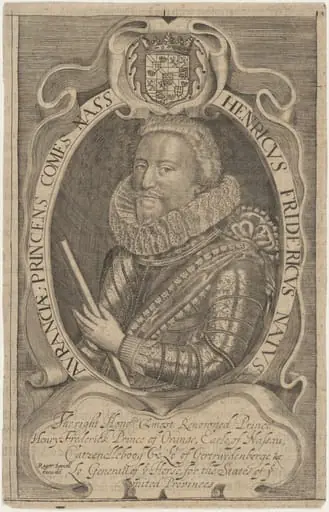
Frederick Henry of Nassau is an ink print by the Baroque artist Crispyn van den Queboorn. It dates from 1628 and is held in the collection of the National Gallery of Art.
About this work
Overview
The work belongs to the tradition of Northern European print portraiture, where precision and restraint were valued over ornamentation.
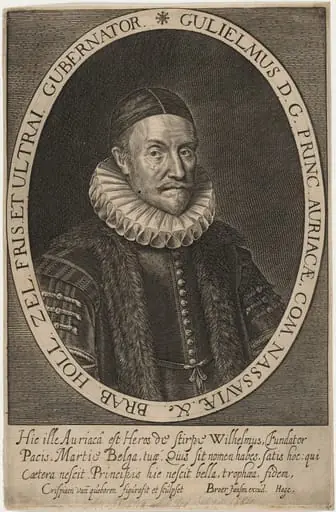
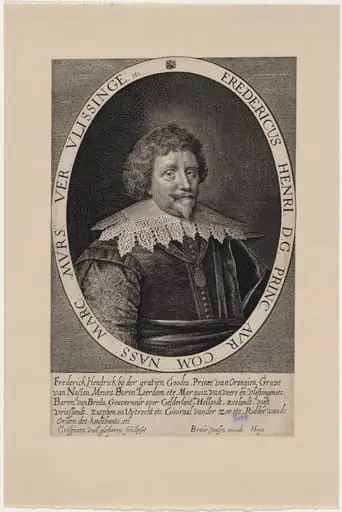
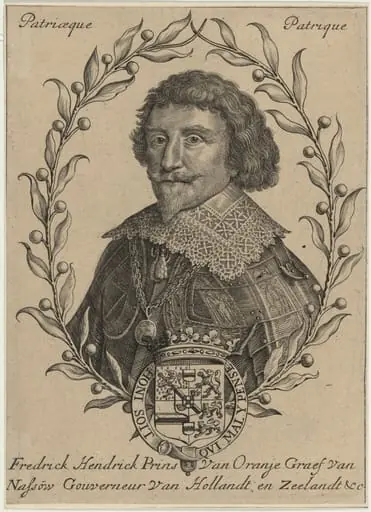
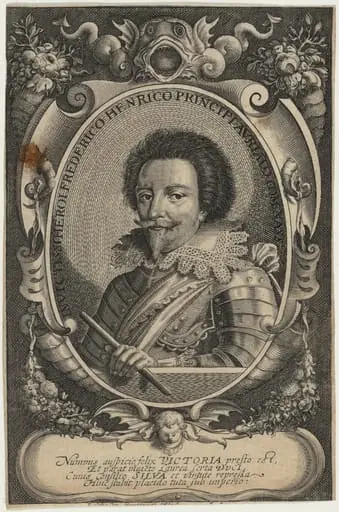
This 1628 engraving by Crispyn van den Queboorn depicts Frederick Henry, Prince of Orange and Stadtholder of the Dutch Republic. Rendered in fine linear detail, the portrait presents the subject in formal attire against a plain dark field. The work belongs to the tradition of Northern European print portraiture, where precision and restraint were valued over ornamentation. The image was likely produced for distribution among political allies or as a commemorative object.
Subject & Meaning
Frederick Henry is portrayed with solemn composure, his direct gaze conveying authority and vigilance. His curled hair and neatly trimmed mustache reflect contemporary aristocratic grooming, while the lace collar and dark doublet signify status and restraint. The brooch at his chest may denote membership in a chivalric order or familial heraldry. The absence of symbolic objects or landscape grounds the image in personal dignity rather than political allegory.
Technique & Style
Queboorn employed fine engraving tools to carve intricate lines into a metal plate, using cross-hatching to model volume and texture. The lace collar is rendered with delicate, interwoven strokes, while the shadowed areas of the jacket are built through layered parallel lines. The background remains untextured, enhancing the subject’s presence. The method prioritizes clarity and control, typical of Dutch printmakers of the period who valued technical mastery over expressive flourish.
History & Provenance
Created in 1628, the engraving was made during Frederick Henry’s rise as a military and political leader in the Dutch Republic. Such portraits were often commissioned to reinforce public image and legitimacy. While the original plate’s whereabouts are uncertain, surviving impressions appear in institutional collections, suggesting it was circulated widely among elites. No record indicates it was part of a larger series, but its survival implies enduring relevance in contemporary visual culture.
Context
In early 17th-century Holland, engraved portraits served as tools of political communication, especially when painted originals were inaccessible. Queboorn, active in The Hague, was among a cohort of printmakers who translated the likenesses of nobility into reproducible form. This work aligns with broader trends in Dutch printmaking, where realism and sobriety reflected civic values, distinguishing it from the more flamboyant styles of Southern European courts.
Legacy
Though Queboorn is not widely known today, his engraving of Frederick Henry remains a documented example of how Dutch printmakers preserved the visages of their leaders. The work contributes to the historical record of early modern portraiture, illustrating the role of print in shaping public perception. Its technical discipline and restrained aesthetics continue to inform studies of Northern European visual culture in the Age of Reason.
Artist & collection