Artwork
Philip William, Prince of Orange
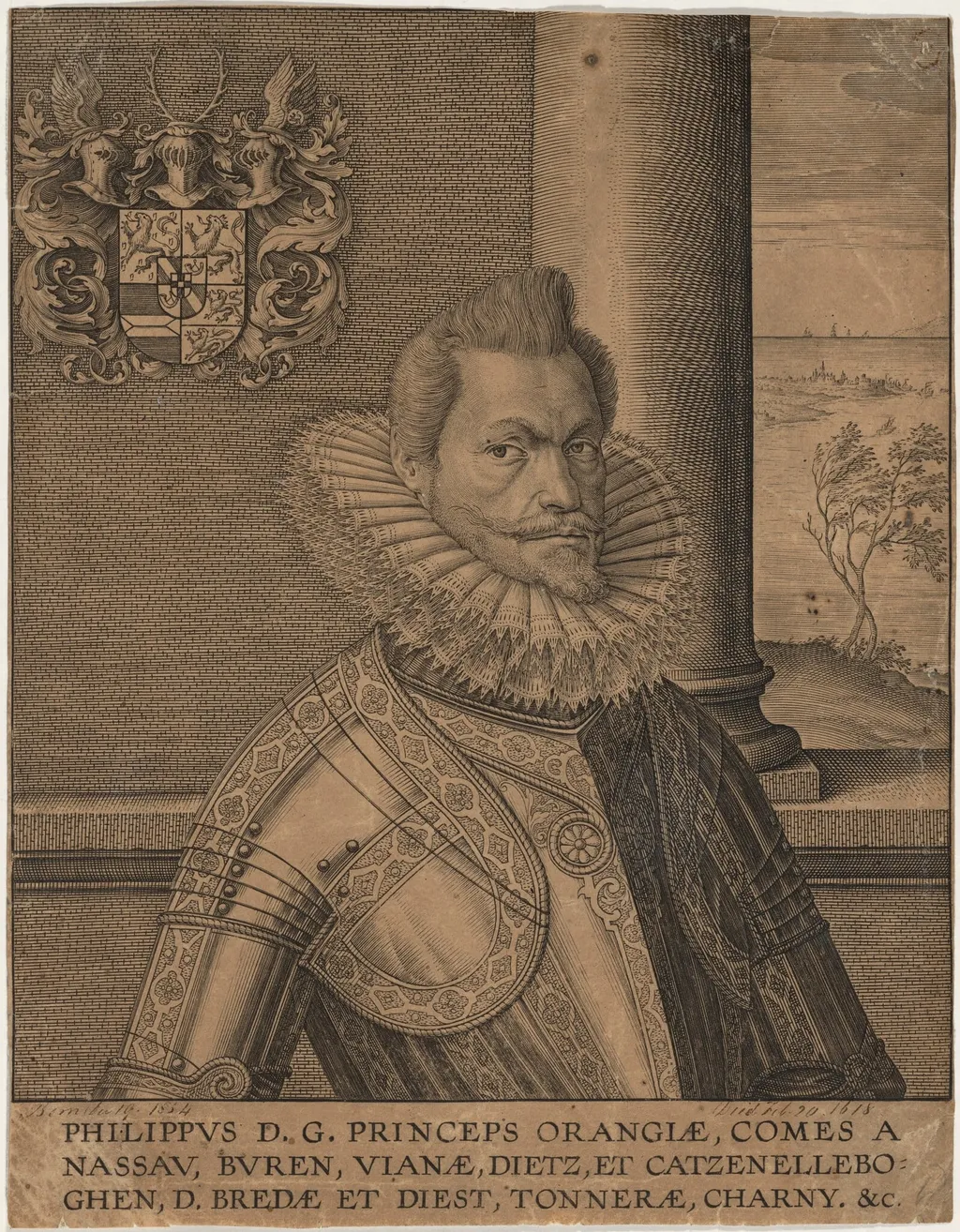
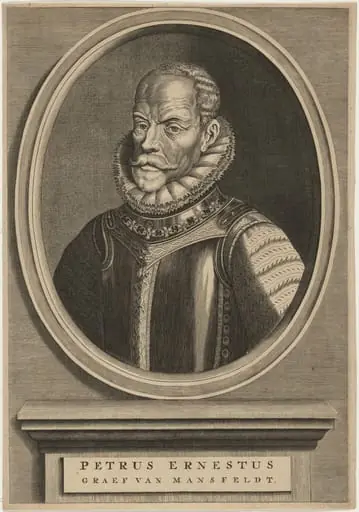
Philip William, Prince of Orange is an ink print by the Romanticist artist Unknown 19th Century. It dates from 1850 and is held in the collection of the National Gallery of Art.
About this work
Overview
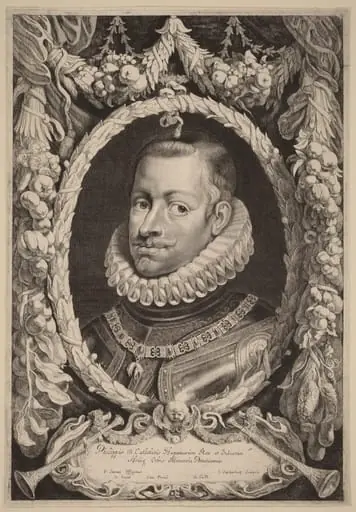
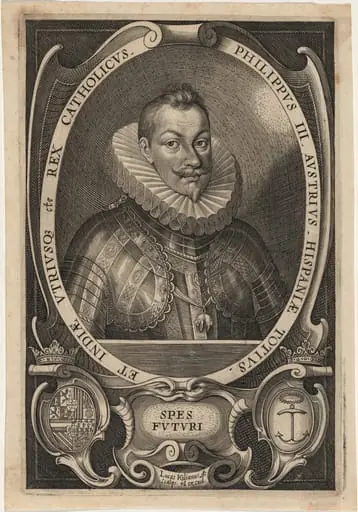
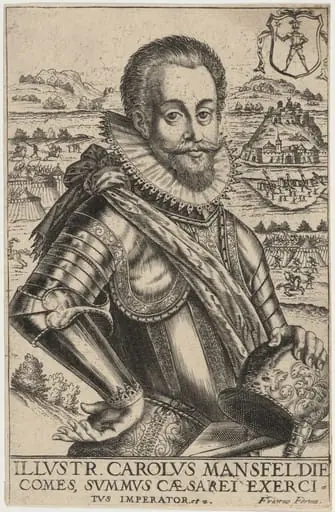
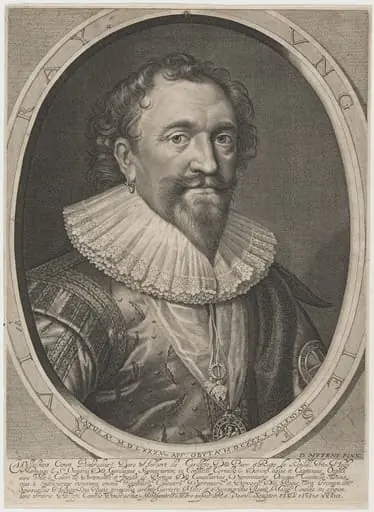
This engraving depicts Philip William, Prince of Orange, rendered in fine linear detail typical of early 17th-century Northern European printmaking.
This engraving depicts Philip William, Prince of Orange, rendered in fine linear detail typical of early 17th-century Northern European printmaking. The portrait emphasizes his noble status through elaborate attire and heraldic elements. The composition is tightly framed, focusing on the figure against a textured background featuring architectural and natural motifs, suggesting both authority and place.
Subject & Meaning
Philip William, eldest son of William the Silent, is portrayed as a military and dynastic heir. His armor and ruffled collar combine martial readiness with aristocratic refinement, reflecting his role as a leader in the Dutch Revolt. The coat of arms behind him reinforces his lineage and political significance, while the distant landscape may symbolize the territories he was destined to govern.
Technique & Style
The work employs meticulous hatching and cross-hatching to model form and texture, characteristic of engraving techniques popular in the Netherlands during the late Renaissance. Details in fabric, metal, and stone are rendered with precision, demonstrating the engraver’s skill in translating three-dimensional subjects into flat, inked surfaces without color or tone gradation.
History & Provenance
Created during or shortly after Philip William’s lifetime (1554–1618), the engraving likely served as a portrait for distribution among allies or as a commemorative piece. Its survival suggests it was valued within noble or scholarly circles, possibly used to affirm dynastic legitimacy during a turbulent period of Dutch independence.
Context
Produced in the early 1600s, the image aligns with a broader European tradition of using portraiture to legitimize political power. While not part of Romanticism—as mistakenly noted—it reflects the Mannerist and early Baroque conventions of the Dutch Republic, where print culture played a key role in shaping public perception of leadership.
Legacy
Though not widely reproduced today, the engraving contributes to the visual record of the House of Orange-Nassau during its formative years. It remains a primary source for understanding how noble identity was constructed through imagery in the early modern Netherlands, influencing later generations of portrait engravers.
Artist & collection

Artist