Artwork
Joannes van Meurs, Dutch Classical Scholar
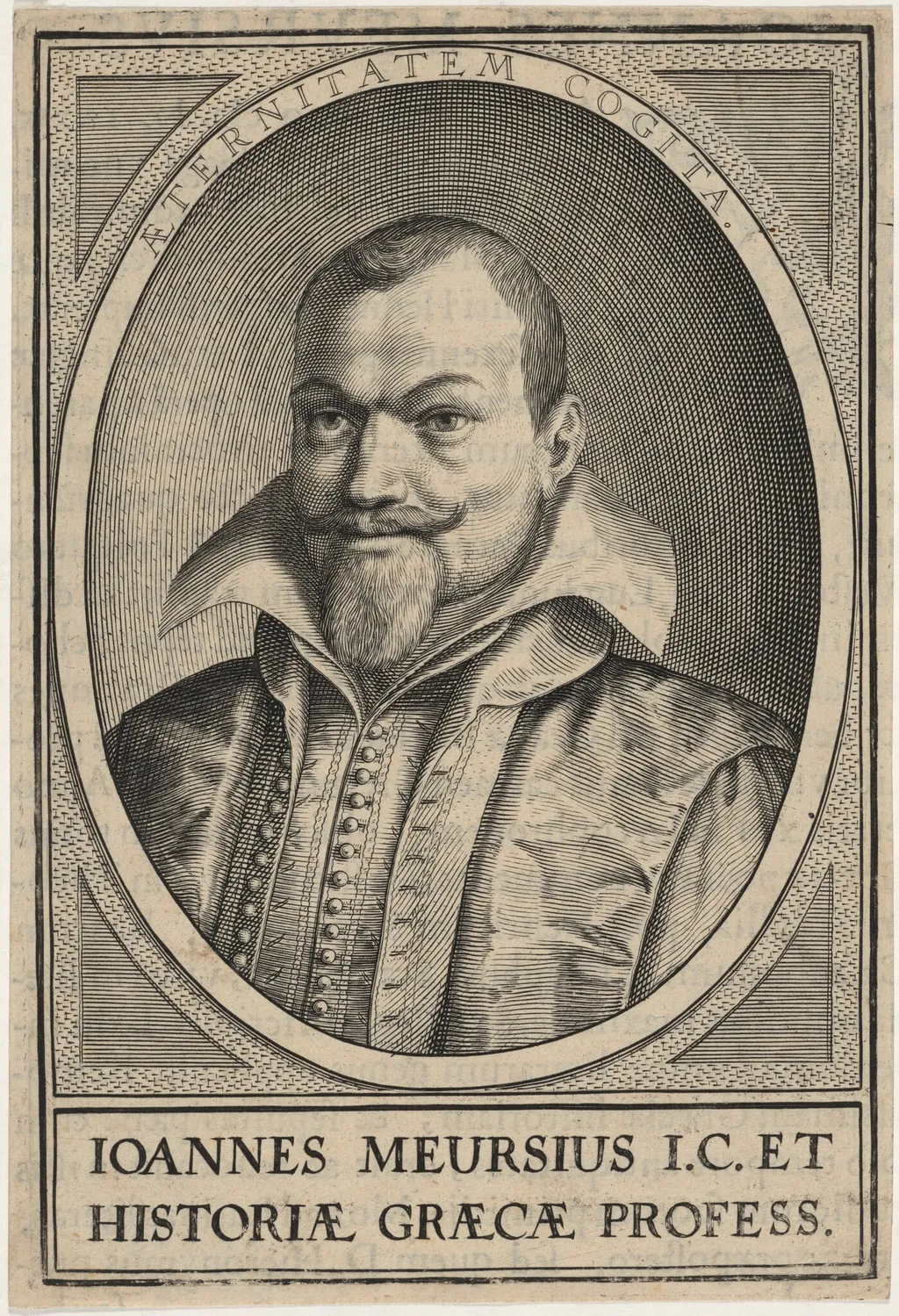
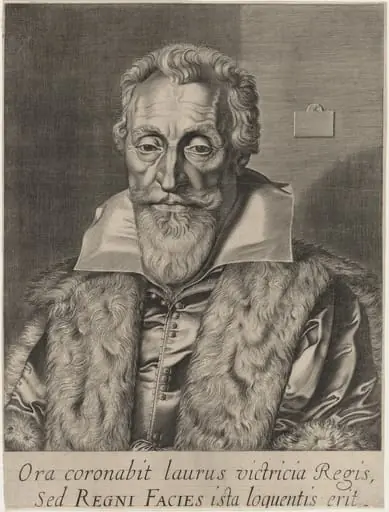
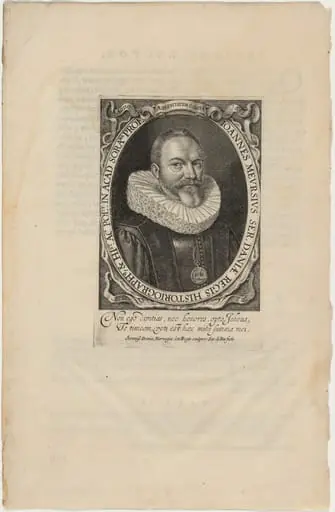
Joannes van Meurs, Dutch Classical Scholar is an ink print by the Romanticist artist Unknown 19th Century. It dates from 1850 and is held in the collection of the National Gallery of Art. This engraving depicts Joannes van Meurs, a Dutch classical scholar, rendered in a formal, tightly controlled style.
About this work
Overview
This engraving depicts Joannes van Meurs, a Dutch classical scholar, rendered in a formal, tightly controlled style. The portrait emphasizes intellectual presence through precise linework and subtle tonal gradations. Set against a plain background, the figure is isolated to focus attention on his demeanor and attire, reflecting the scholarly ideals of the period.
Subject & Meaning
Van Meurs is portrayed as a man absorbed in thought, his downward gaze and furrowed brow suggesting deep contemplation. His beard, high collar, and buttoned jacket align with 17th-century academic dress, signaling his role as a learned figure. The image conveys quiet authority rather than grandeur, valuing introspection over display.
Technique & Style
Executed as an engraving, the work relies on fine, controlled lines to model form and texture. Shading is achieved through cross-hatching, creating depth without reliance on broad tonal contrasts. The restrained palette and lack of decorative elements reflect the print medium’s emphasis on clarity and precision over atmospheric effects.
History & Provenance
Joannes van Meurs was a noted Dutch humanist and editor of classical texts in the early 1600s. The engraving likely served as a portrait for scholarly circulation, possibly commissioned by academic circles or publishers. Its survival suggests it was valued as a record of intellectual identity rather than as a decorative object.
Context
Though sometimes misattributed to Romanticism, this work predates the movement by over a century. It belongs to the Dutch Golden Age tradition of portraiture, where realism and restraint were prized. The emphasis on individual character aligns with broader Northern European trends in depicting scholars as thoughtful, morally grounded figures.
Legacy
The engraving remains a documented representation of a minor but respected scholar, offering insight into how academic identity was visually constructed in the 17th century. It contributes to the historical record of how humanist intellectuals were memorialized through print, influencing later portraiture of scholars in Europe.
Artist & collection

Artist

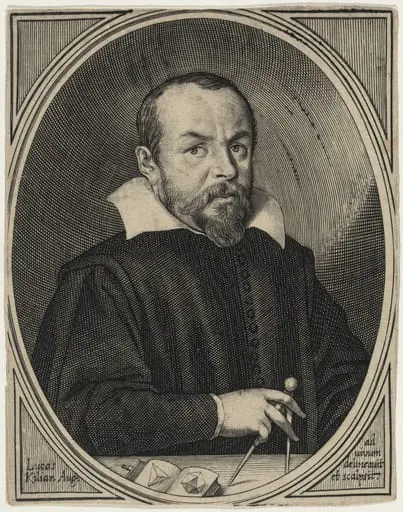 Johan Faulhaber, Mathematician
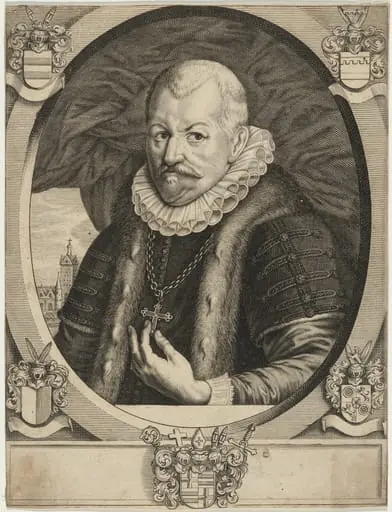 Portrait of a Man With Cross Around Neck
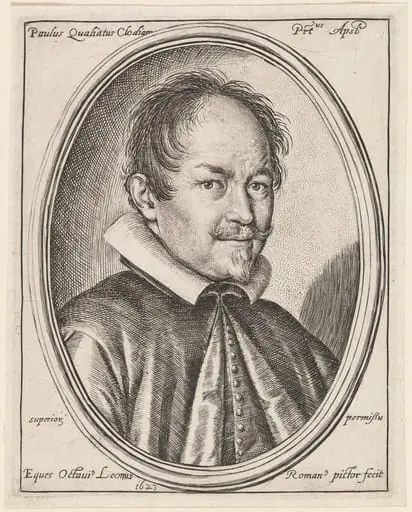 Paolus Qualiatus Clodianus
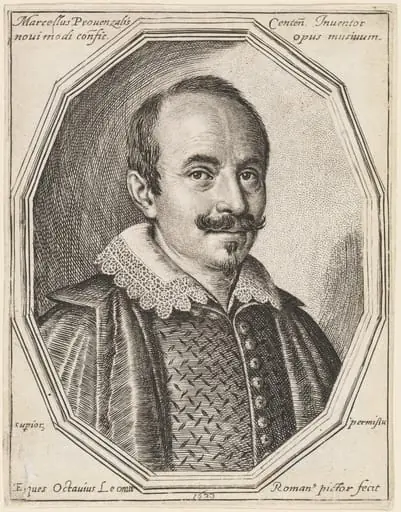 Marcello Provenzale
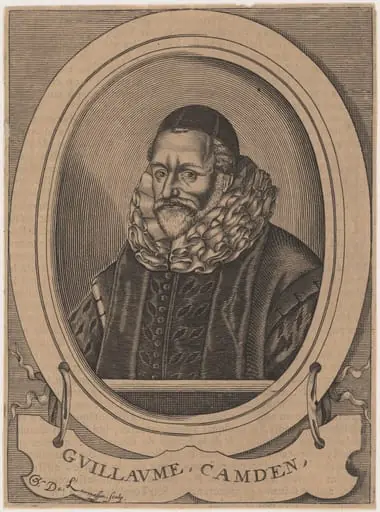 William Camden, Herald, Antiquary and Historian
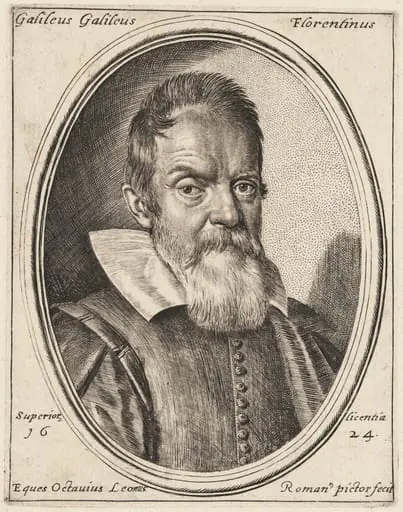 Galileo Galilei
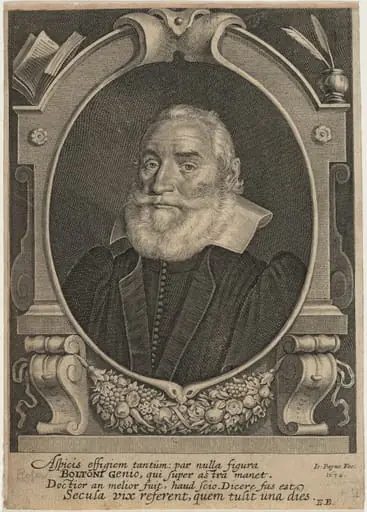 Reverend Robert Bolton
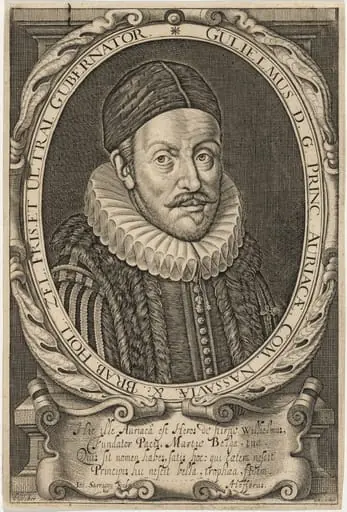 William I, Prince of Orange
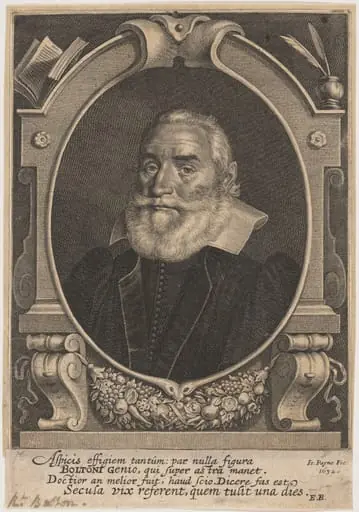 Rev. Robert Bolton
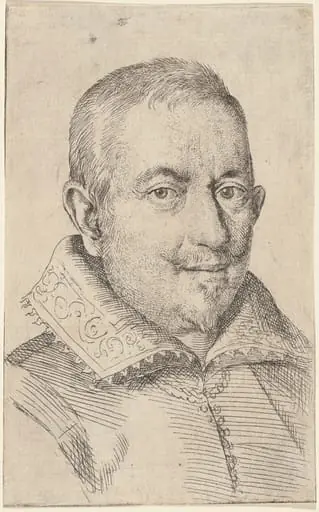 Portrait of a Middle-Aged Man
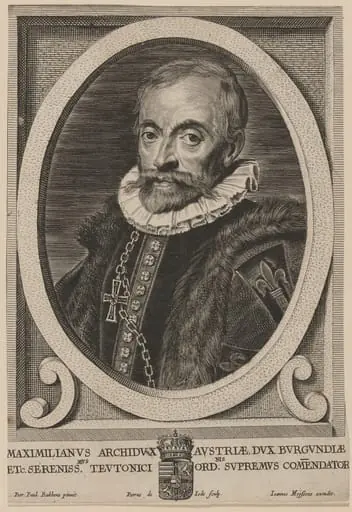 Maximilian II, Archduke of Austria
 Johannes Meursius, Historian