Artwork
Johan Louis of Nassau
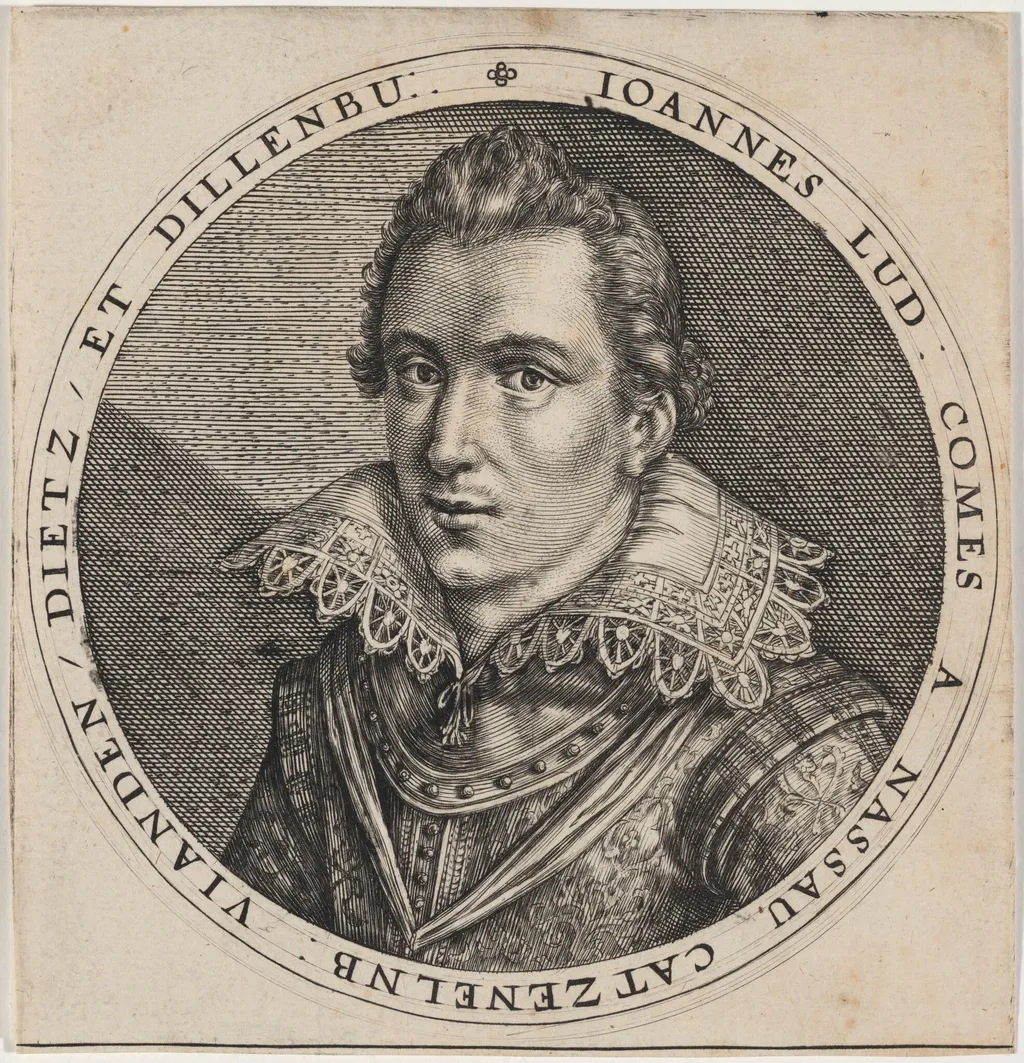
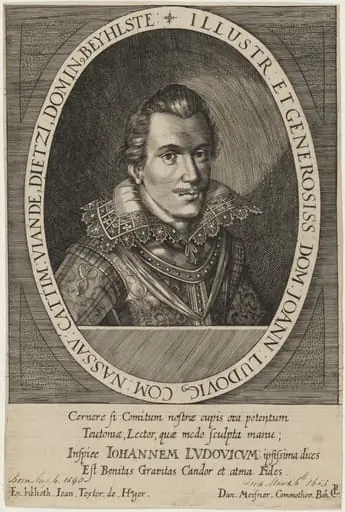
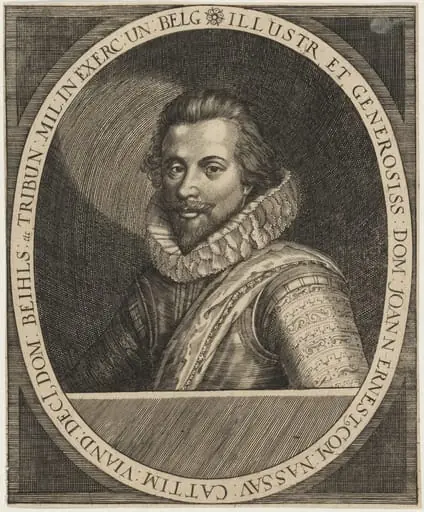
Johan Louis of Nassau is an ink print by the Romanticist artist Unknown 19th Century. It dates from 1850 and is held in the collection of the National Gallery of Art.
About this work
Overview
As a print, it reflects the technical rigor of 17th-century engraving practices, prioritizing clarity and likeness over decorative flourish.
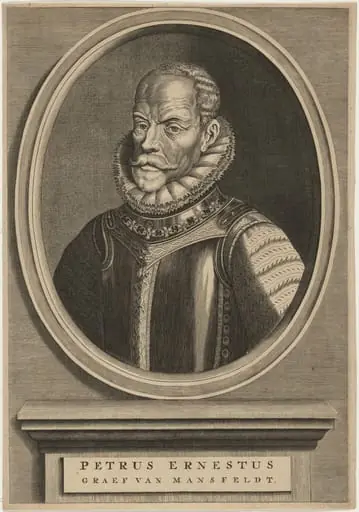
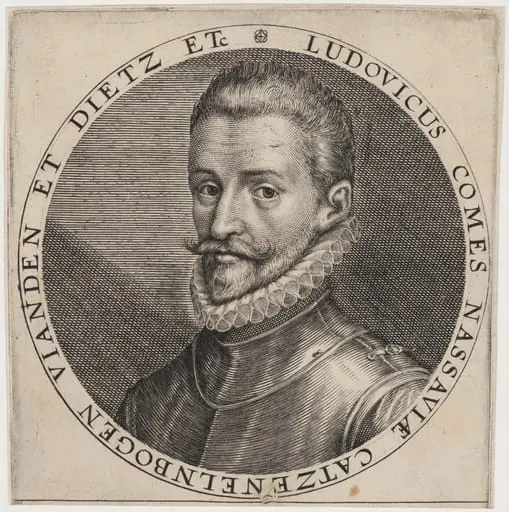
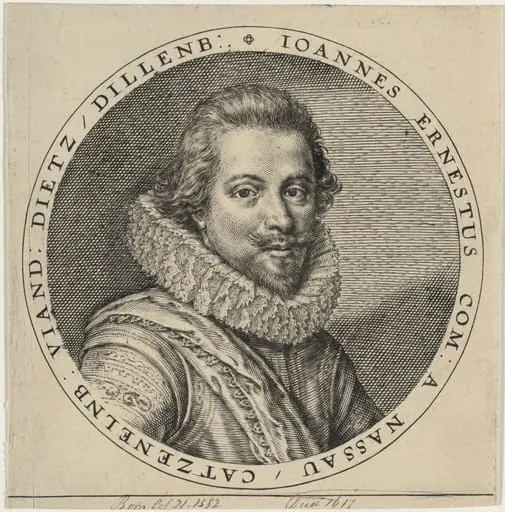
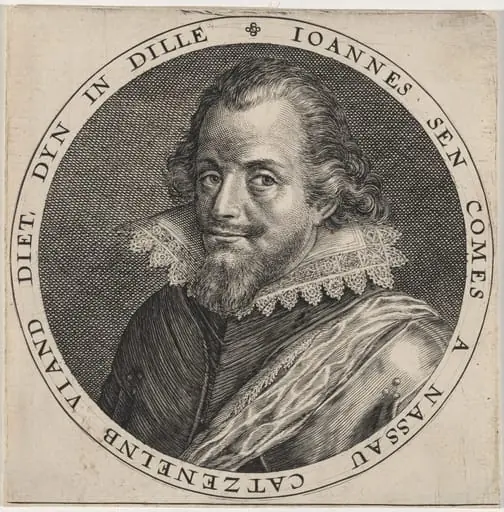
This engraving depicts Johan Louis of Nassau, a noble figure rendered in fine linear detail. Executed with precision, the portrait emphasizes facial structure and textile texture through meticulous cross-hatching. The dark, unadorned background isolates the subject, directing focus to his attire and composed gaze. As a print, it reflects the technical rigor of 17th-century engraving practices, prioritizing clarity and likeness over decorative flourish.
Subject & Meaning
Johan Louis of Nassau is portrayed with restrained dignity, his direct gaze and neutral expression conveying authority without ostentation. His high collar and lace ruff signify aristocratic status, while the simplicity of his dark jacket suggests modesty within nobility. The portrait functions as a formal representation, likely intended for personal or familial circulation, affirming identity and social standing rather than expressing emotion or narrative.
Technique & Style
The image is executed in a highly detailed engraving technique, using fine, intersecting lines to model form and suggest light. Shading is achieved through controlled cross-hatching, building depth without tone or wash. The texture of the lace ruff and the weave of the jacket are rendered with precision, demonstrating the engraver’s command of line. The style aligns with Northern European portraiture traditions, valuing accuracy over idealization.
History & Provenance
The engraving likely dates to the early to mid-17th century, a period when such portraits circulated among European elites as tokens of lineage or political alliance. While specific ownership history is undocumented, its craftsmanship suggests production by a skilled printmaker, possibly commissioned by the Nassau family or a close associate. It survives as a record of personal and dynastic identity in the Dutch Republic.
Context
This work emerged during a time when engraved portraits were widely used to disseminate the likenesses of nobility across Europe. The Dutch Republic’s thriving print market supported such production, blending realism with social signaling. Unlike later Romantic portraiture, this image avoids emotional dramatization, instead reflecting the restrained aesthetic of early modern elite representation.
Legacy
The engraving contributes to a broader corpus of early modern portraiture that prioritized factual representation and social codification. It exemplifies how print technology enabled the replication and preservation of individual identity beyond painted commissions. While not widely known today, it remains a valuable artifact of 17th-century visual culture and aristocratic self-presentation.
Artist & collection

Artist