Artwork
William of Nassau, Vice-Admiral of Holland
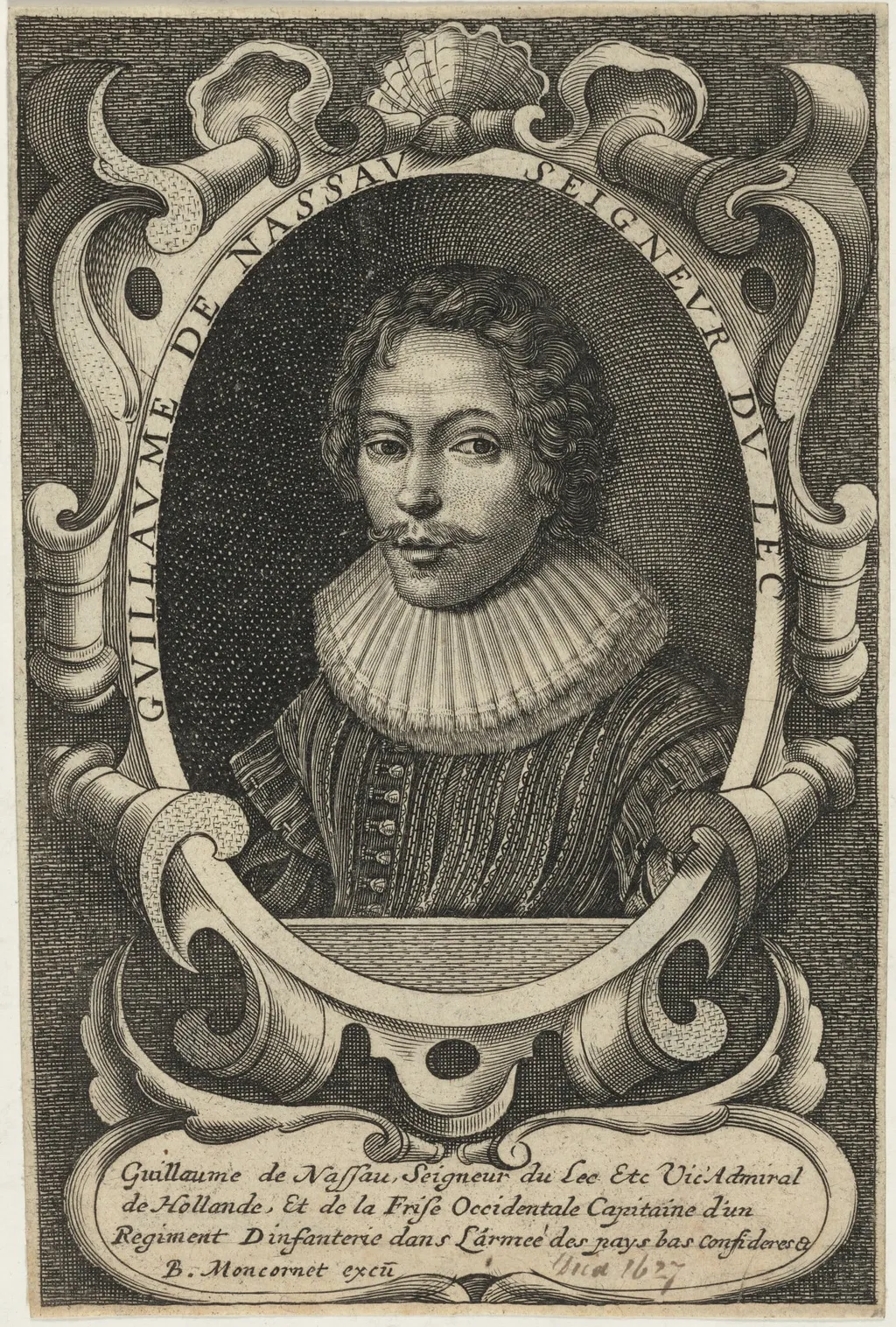
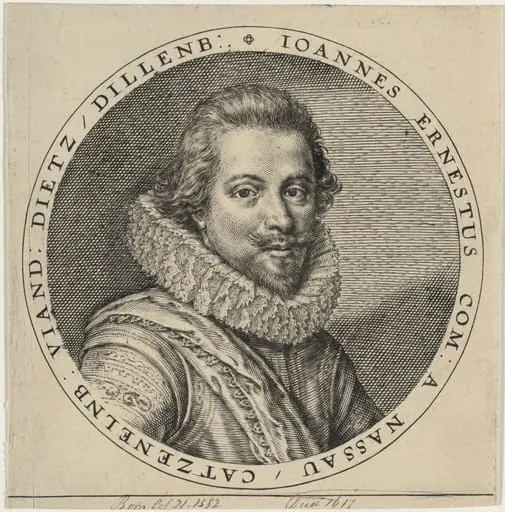
William of Nassau, Vice-Admiral of Holland is an ink print by the Baroque artist Balthasar Moncornet. It dates from 1634 and is held in the collection of the National Gallery of Art. The print is a black‑and‑white portrait engraving of William of Nassau, identified as Vice‑Admiral of Holland.
About this work
The background is plain, but his face is framed by a decorative border with swirls and text around it.
This is a black-and-white portrait of a man with a serious expression. He’s wearing a high collar and a dark jacket with buttons down the front. The background is plain, but his face is framed by a decorative border with swirls and text around it.
The text around the border calls him "William of Nassau" and lists his titles. The artist signed it "B. Moncornet excud." at the bottom, and the year 1627 is written in the corner.
This is an example of engraving, a technique where artists etch images onto metal plates.
Overview
The print is a black‑and‑white portrait engraving of William of Nassau, identified as Vice‑Admiral of Holland. Rendered in a plain background, the sitter’s face is framed by an ornamental border bearing his name, titles, and the artist’s signature. The composition presents a sober, formal likeness typical of 17th‑century portrait prints.
Subject & Meaning
William of Nassau is shown in his naval rank, his expression serious and his attire formal, emphasizing his status and authority. The inclusion of his titles within the surrounding cartouche reinforces his official role and serves to commemorate his position within the Dutch maritime hierarchy.
Technique & Style
Executed as an engraving, the image was incised on a metal plate, allowing fine line work and tonal variation. Moncornet’s handling of the high collar, buttoned jacket, and decorative border demonstrates the precise, controlled strokes characteristic of French printmaking in the early 1600s.
History & Provenance
The work bears the inscription "B. Moncornet excud." and a date of 1627, though some catalogues list 1634 as its year of issue. It was produced by Balthasar Moncornet, a French painter‑engraver known for portraiture, and would have circulated among collectors and officials interested in contemporary European leaders.
Context
Portrait engravings like this were a common means of disseminating images of political and military figures across Europe. Moncornet’s print fits within a broader tradition of printed likenesses that functioned both as visual records and as tools of propaganda, reinforcing the prominence of individuals such as the Dutch vice‑admiral during a period of intense maritime competition.
Artist & collection
Artist
Balthasar Moncornet (1600, Rouen – 1668, Paris) was a French painter, engraver, and tapissier revered for his depictions of around 45 different prominent figures of the 17th century.

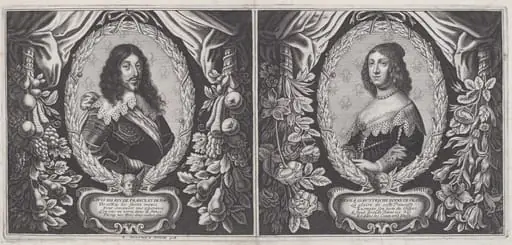
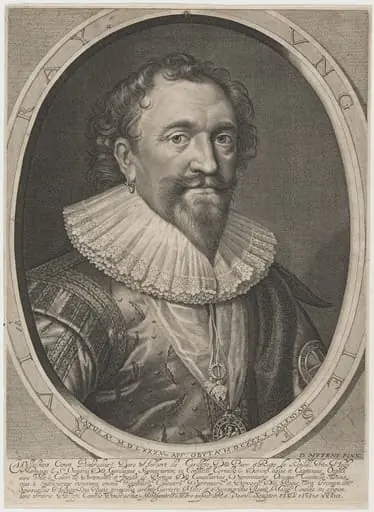 William, Earl of Pembroke
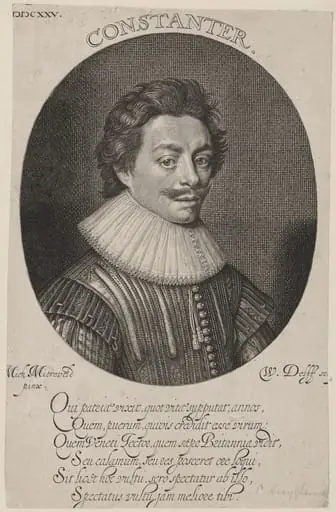 Constantin Huygens
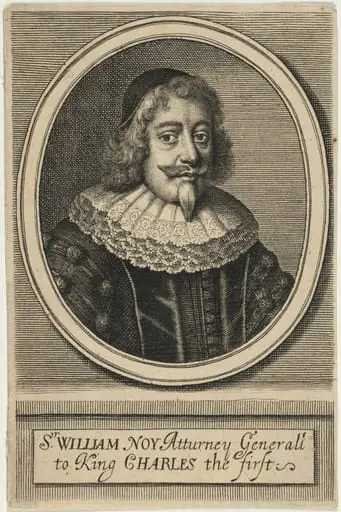 Sir William Noy
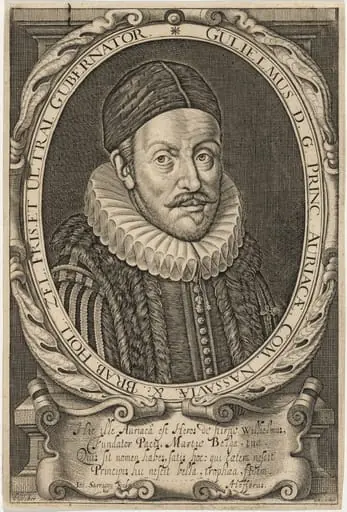 William I, Prince of Orange
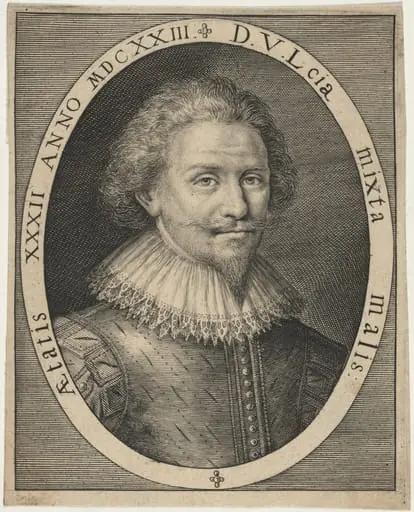 Man With Ruffled Collar
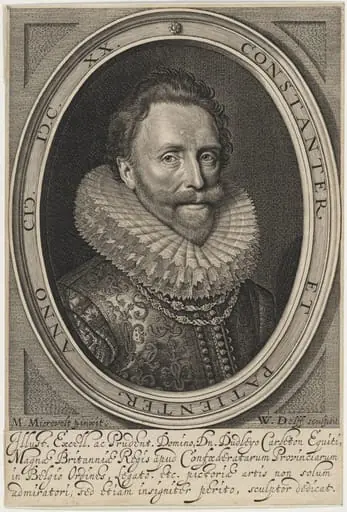 Sir Dudley Carleton, Viscount Dorchester
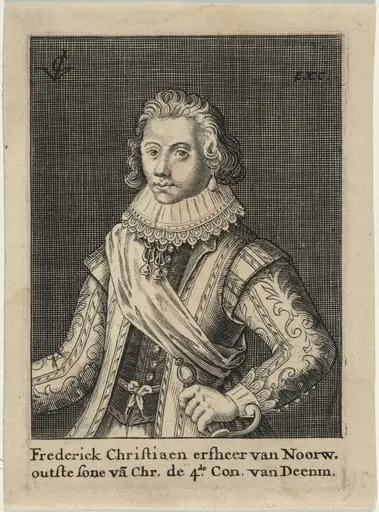 Frederick Christian III, King of Denmark and Norway
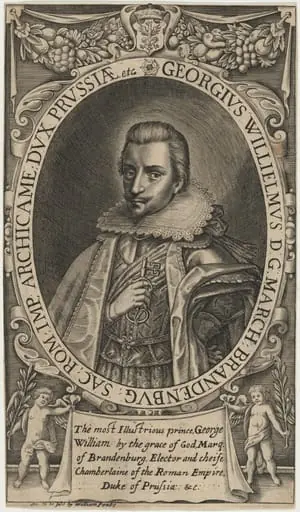 George William, Marqui of Brandenburg
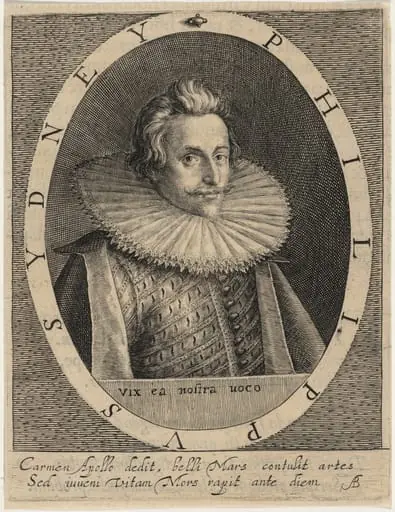 Sir Philip Sidney, Soldier and Poet
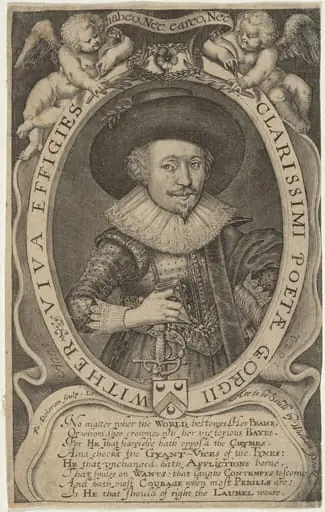 Georgii Wither (George Wither)
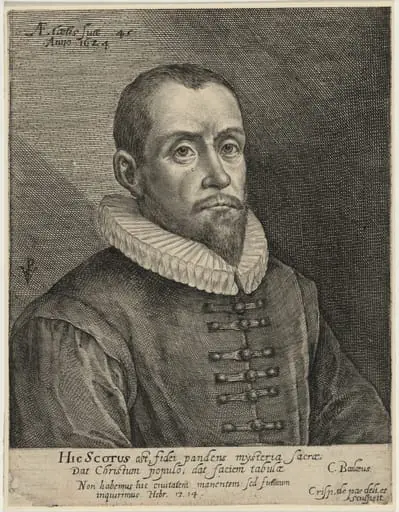 Thomas Scott
 Johan Ernest of Nassau