Artwork
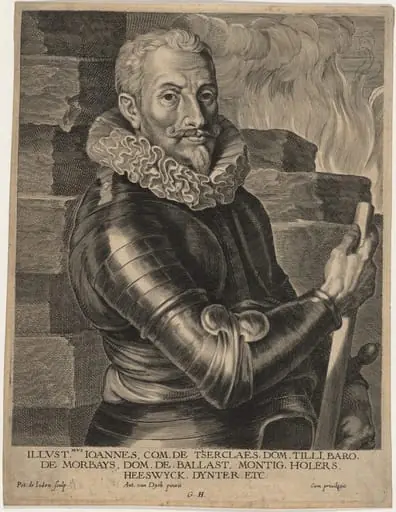
Johan Tzerklas, Count of Tilly
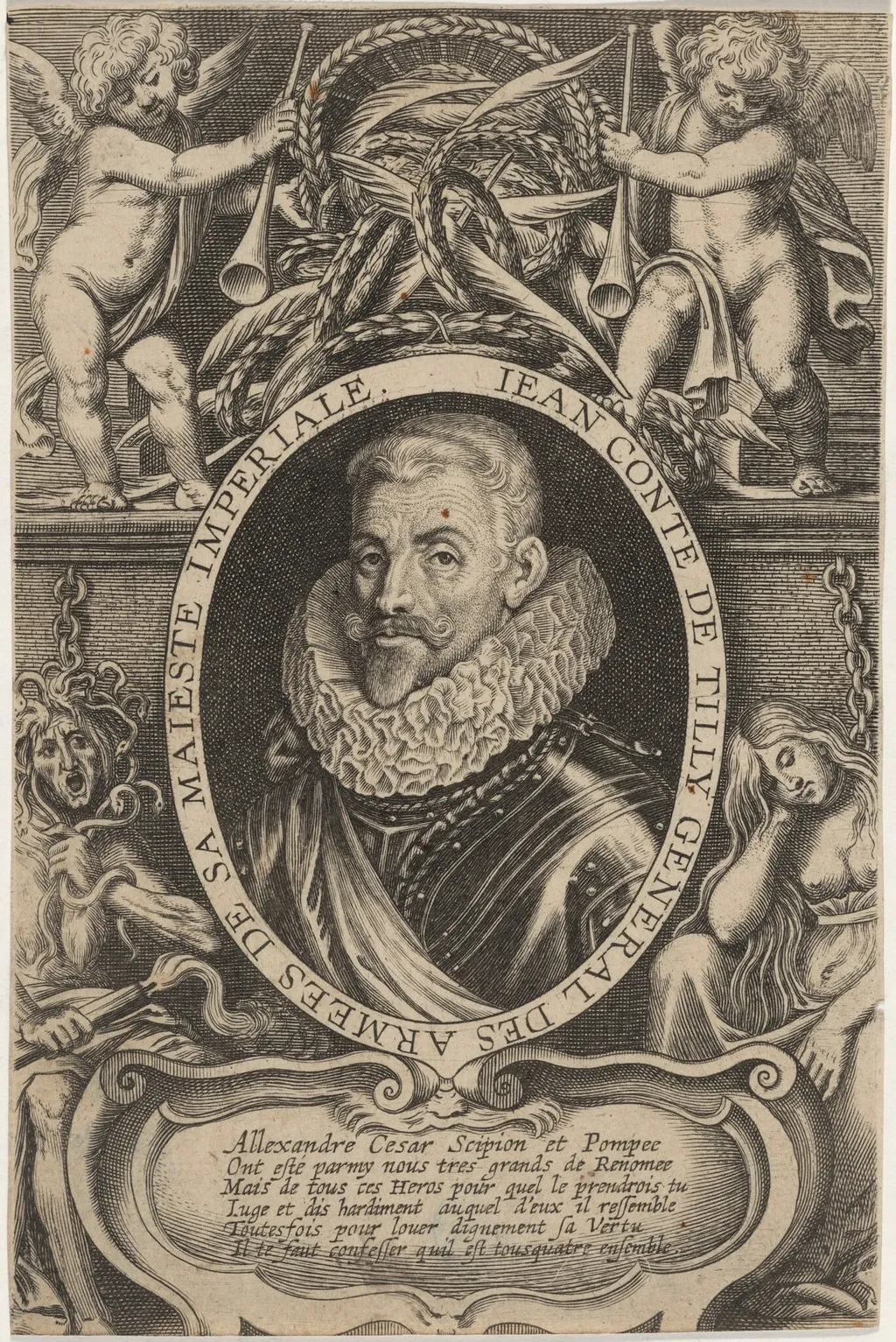
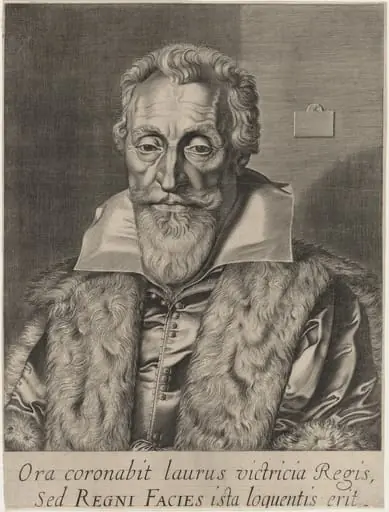
Johan Tzerklas, Count of Tilly is an ink print by the Romanticist artist Unknown 19th Century. It dates from 1850 and is held in the collection of the National Gallery of Art.
About this work
Overview
The work exemplifies the precision of 17th-century engraving, relying on fine lines and tonal gradations to convey texture and form.
This black-and-white engraving depicts Johan Tzerklas, Count of Tilly, as a stern, bearded nobleman wearing a high ruff collar. The portrait is enclosed within an ornate oval frame adorned with delicate swirling motifs and miniature figures. Above, a banner bears his name in elegant script, while下方 French text extols his character. The work exemplifies the precision of 17th-century engraving, relying on fine lines and tonal gradations to convey texture and form.
Subject & Meaning
The portrait presents Tilly as a disciplined military leader, his expression grave and authoritative. The surrounding decorative elements—swirls and tiny figures—suggest noble lineage and chivalric ideals. The French inscription beneath emphasizes virtues such as loyalty and valor, aligning the image with the propaganda norms of the era, where visual portraiture reinforced political and social status.
Technique & Style
Executed in engraving, the image uses incised lines on a metal plate to produce fine, controlled detail. Shading and cross-hatching model the beard, collar, and facial features with subtle depth. The ornamental border demonstrates exceptional craftsmanship, with minute figures and curvilinear patterns rendered in uniform precision. The style reflects Northern European print traditions, prioritizing clarity and intricate ornamentation over expressive brushwork.
History & Provenance
The print likely originated in the early 1600s, during Tilly’s active military career in the Thirty Years’ War. As a prominent Catholic commander, his image was circulated to bolster his reputation among allies. Such engravings were commonly reproduced and distributed across Europe, serving both as commemorative objects and tools of political messaging within print culture of the period.
Context
Engravings like this were standard in early modern Europe for disseminating portraits of military and aristocratic figures. Unlike paintings, they were affordable and reproducible, making them ideal for propaganda. Tilly’s portrayal follows conventions of the time: solemn demeanor, elaborate attire, and symbolic framing to convey authority. The French text indicates the print’s intended audience in Francophone regions or among allied courts.
Legacy
This engraving contributes to the visual record of 17th-century military leadership and print media’s role in shaping public perception. While Tilly’s historical reputation remains contested, such images preserve the aesthetic and ideological norms of his era. The work stands as a testament to the technical skill of engravers and the strategic use of portraiture in early modern political culture.
Artist & collection

Artist

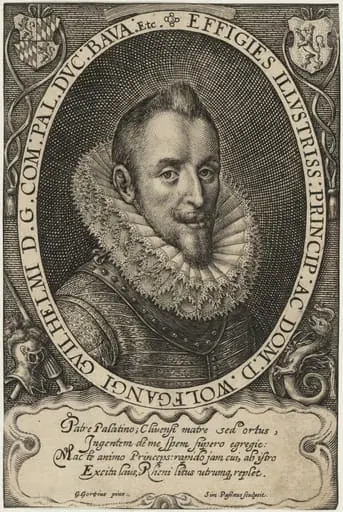 Wolfgang William, Count Palatine
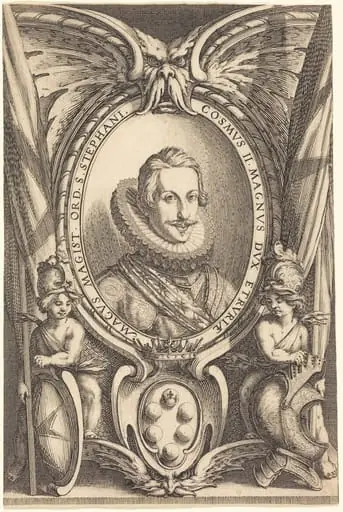 Cosimo II de' Medici, Grand Duke of Tuscany
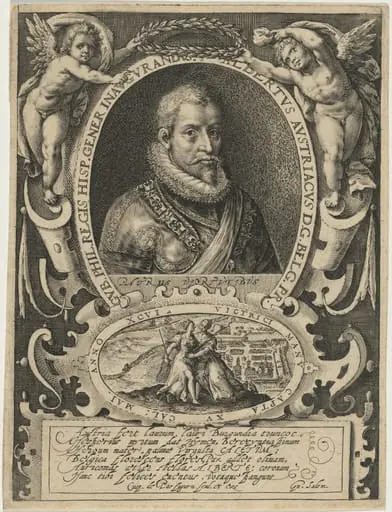 Albert of Austria, Archduke
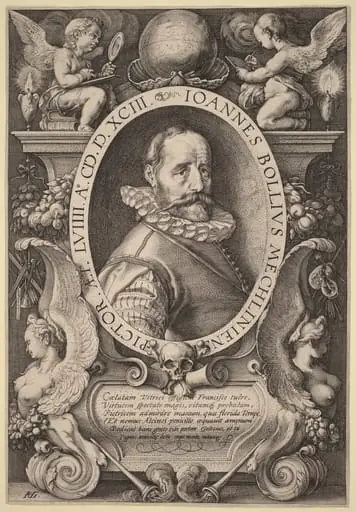 Hans Bol
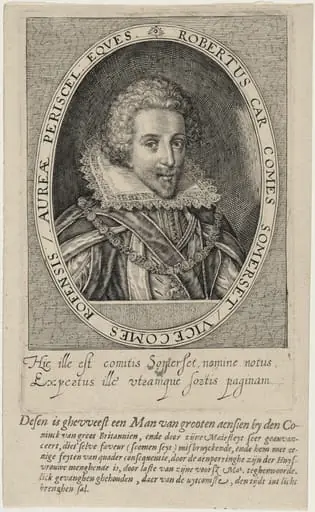 Robert Carr, Earl of Somerset
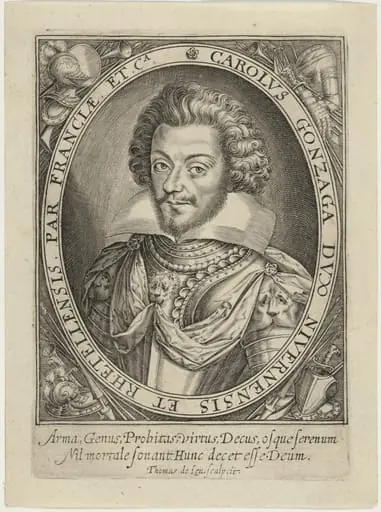 Carolus Gonzaga, Duc de Nevers-Rethel
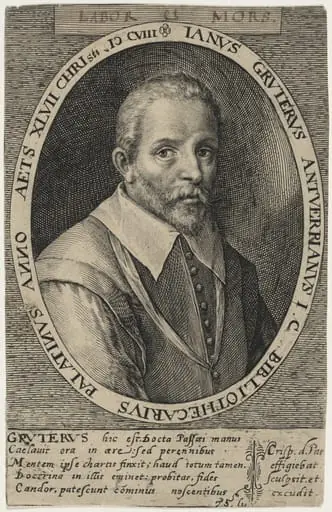 Jan Gruter
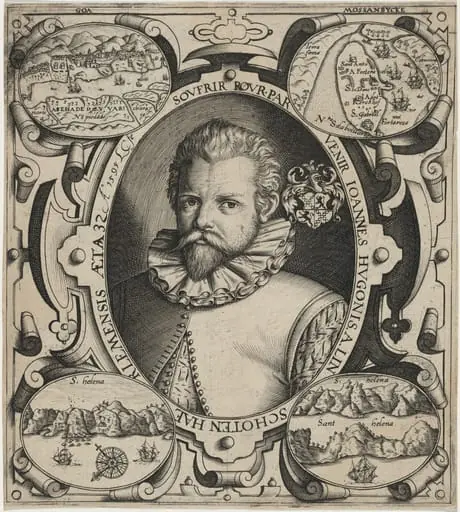 Joannes Hugo van Linschoten
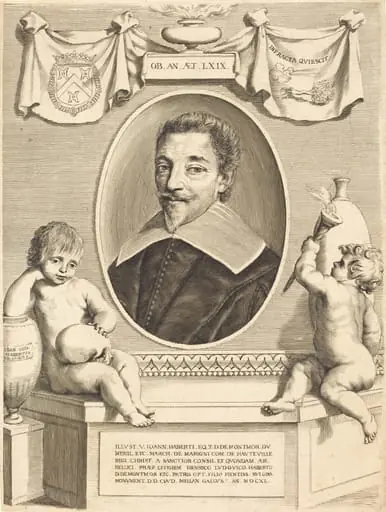 Jean Habert de Monturor
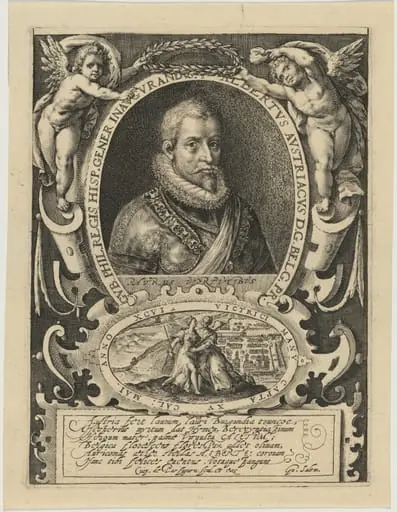 Albert of Austria, Archduke
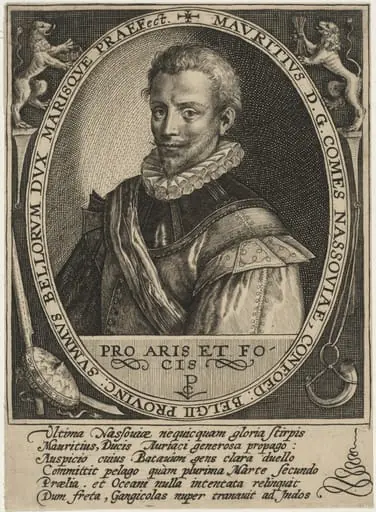 Maurice of Nassau, Prince of Orange
 Johann Tzerklas, Count of Tilly