Artwork
Jean Habert de Monturor
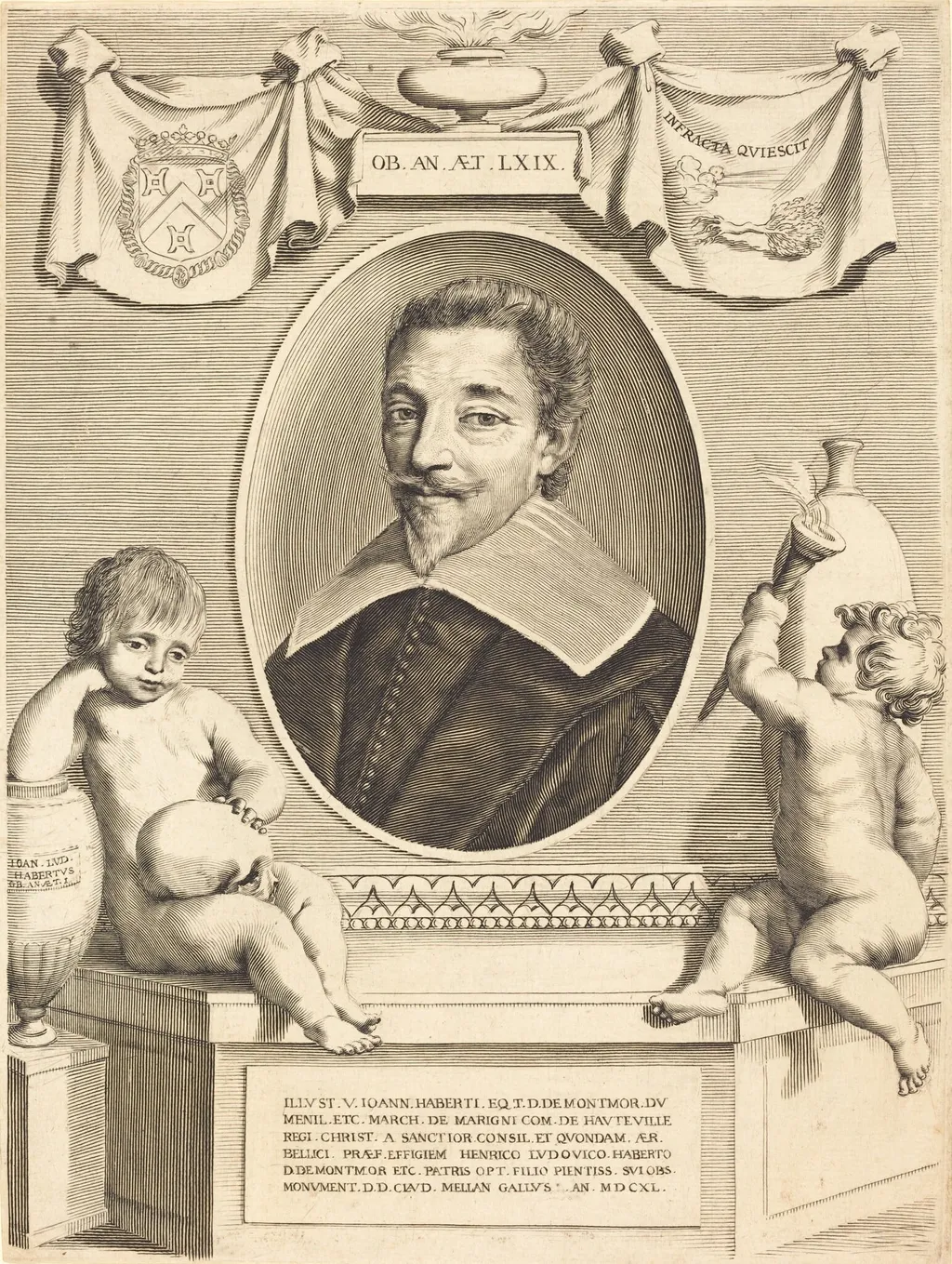
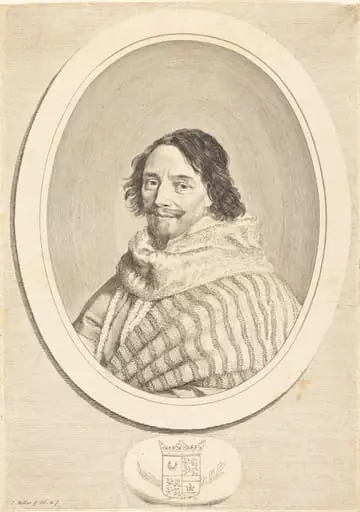
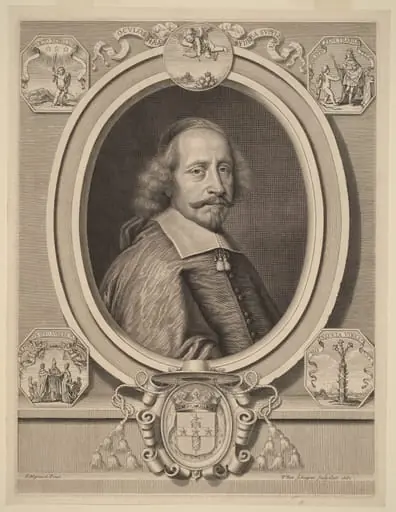
Jean Habert de Monturor is an ink print by the Baroque artist Claude Mellan. It dates from 1640 and is held in the collection of the National Gallery of Art.
About this work
Overview
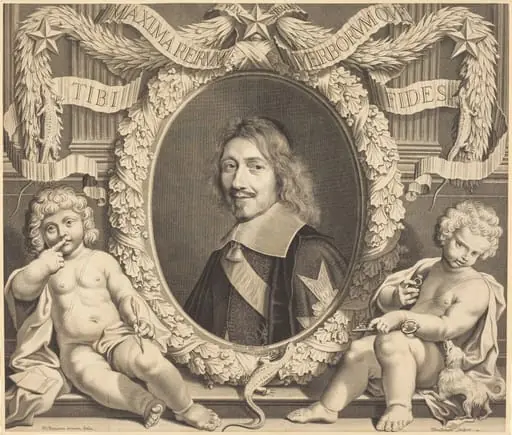
Claude Mellan's 1640 engraving, Jean Habert de Monturor, is a meticulously detailed black-and-white portrait of a dignified, mustachioed man with short curly hair, set within an oval border.
Subject & Meaning
The subject, Jean Habert de Monturor, is portrayed in formal attire, including a dark collar and ruffled shirt. Symbolic elements—two kneeling cherubs (one holding a scroll, the other a staff) and two shields with crests and Latin inscriptions above his head—convey dignity and possibly allude to his status or virtues.
Technique & Style
The engraving showcases Mellan's mastery of the medium through sharp lines, intricate details (notably in the cherubs' poses and ornate lettering), and a strong focal point on the subject's face, characteristic of formal 17th-century portraiture.
History & Provenance
Created in 1640 by Claude Mellan, specific details on the engraving's history and ownership prior to its current location are not provided.
Context
This work reflects the formal portrait conventions of 17th-century Europe, where engravings served as a popular means to disseminate likenesses and honor sitters among the elite.
Legacy
While the broader impact of Jean Habert de Monturor on the art historical canon is not detailed here, it remains a representative example of Mellan's engraving skill and the period's portraiture traditions.
Artist & collection

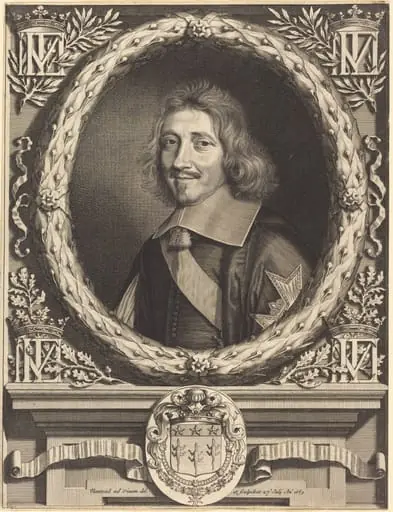 Chancellor Michel Le Tellier
 Chancellor Michel Le Tellier
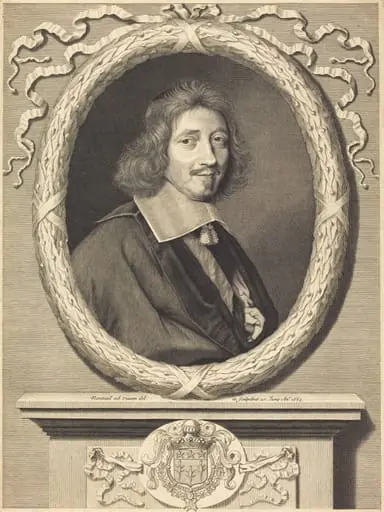 Chancellor Michel Le Tellier
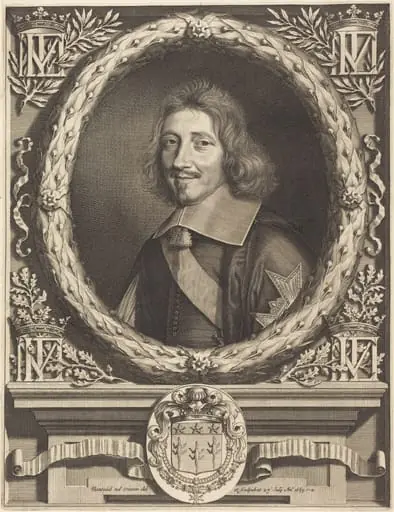 Chancellor Michel Le Tellier
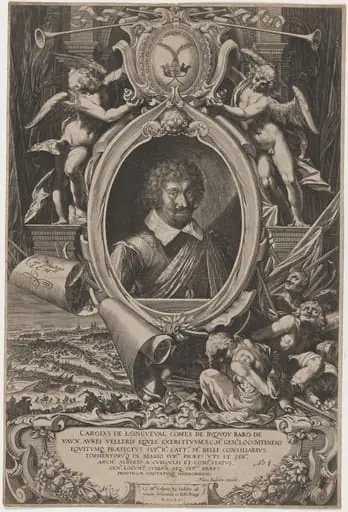 Charles de Longueval, Count de Bucquoi
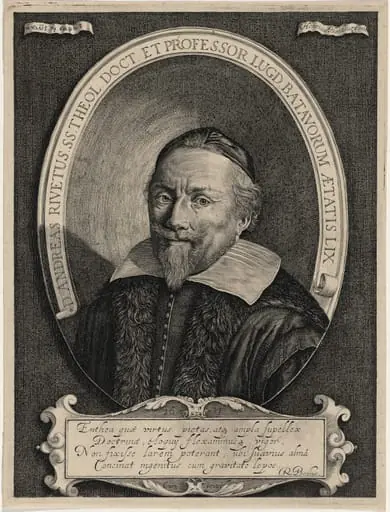 Andreas Rivetus, Doctor of Divinity and Professor
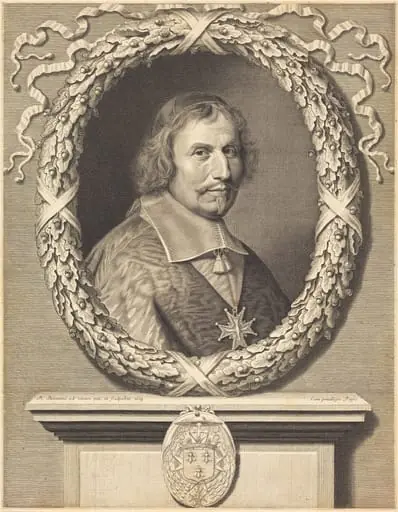 Cardinal Antonio Barberini
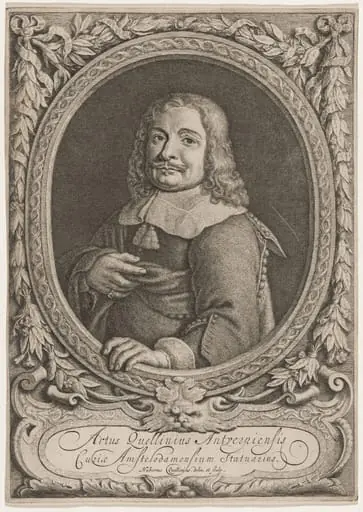 Artus Quellinus the Elder
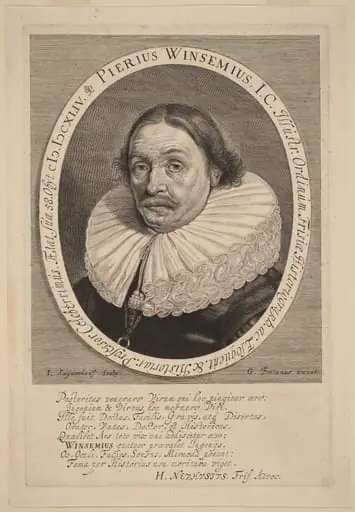 Petrus Winsemius
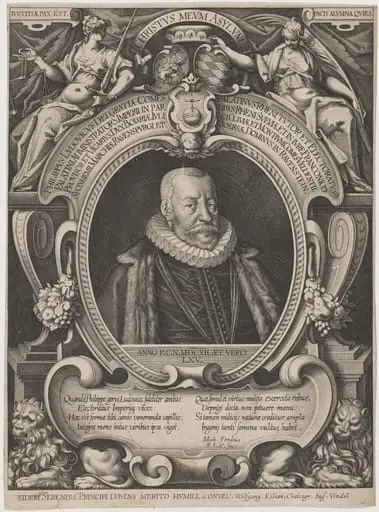 Philip Louis, Count Palatine
 Cardinal Jules Mazarin