Artwork
Sir Walter Raleigh
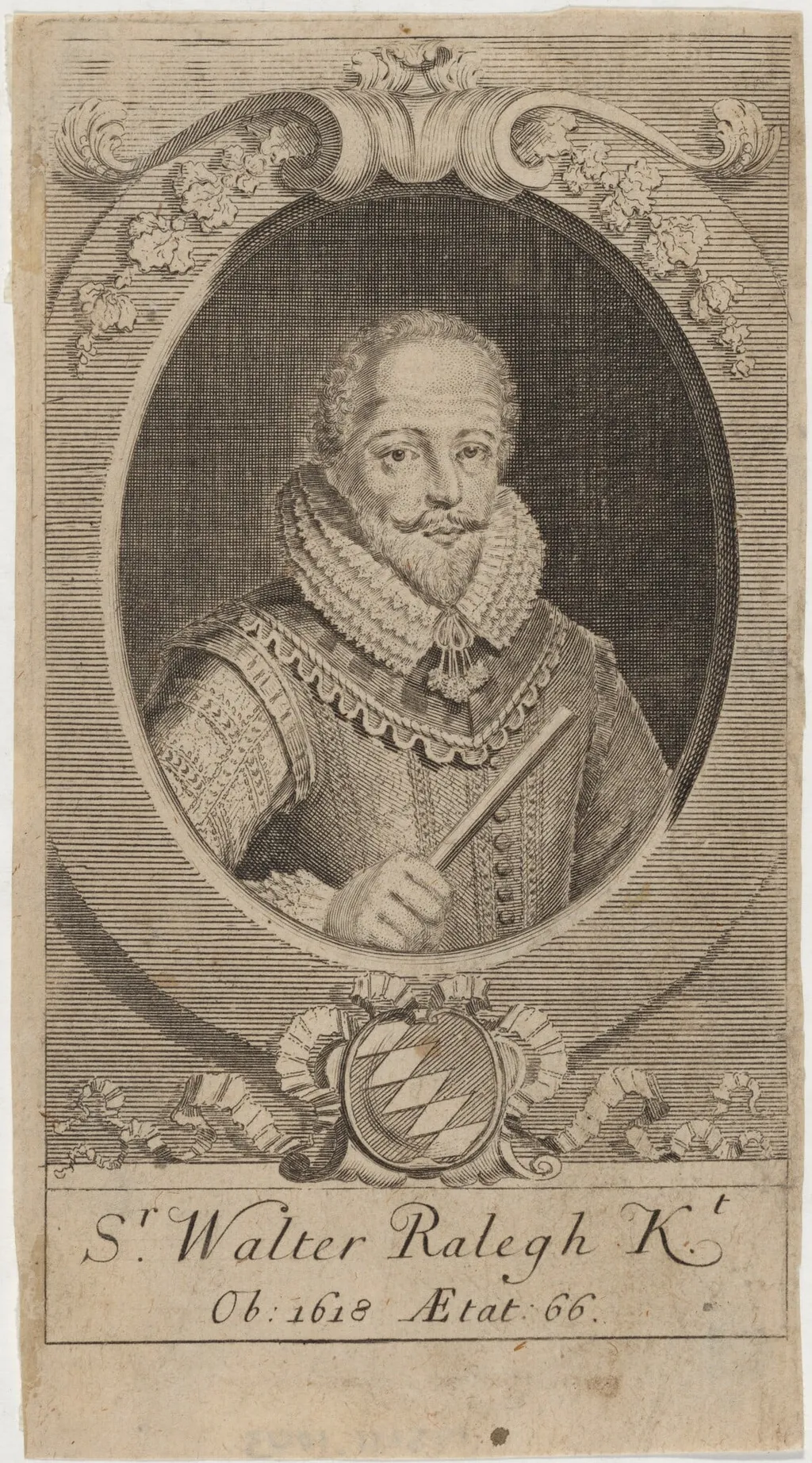
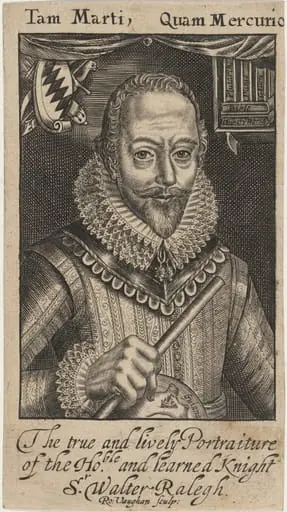
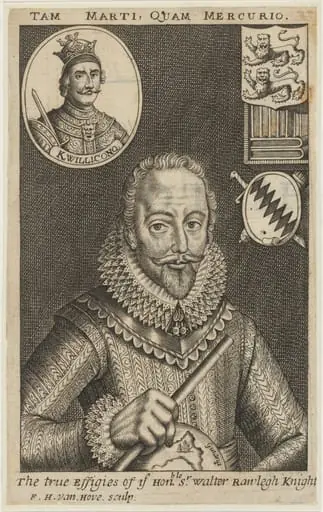
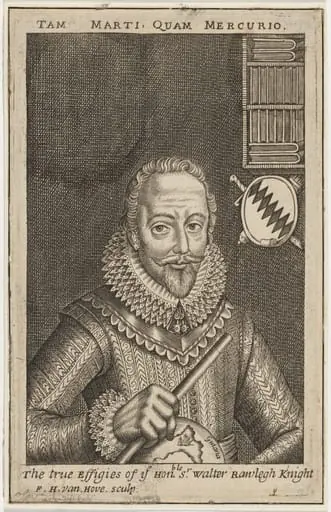
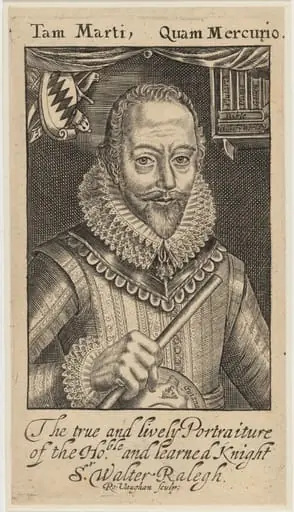
Sir Walter Raleigh is an ink print by the Baroque artist Unknown. It dates from 1701 and is held in the collection of the National Gallery of Art.
About this work
This is made using engraving, a technique where artists carve into metal plates to create detailed prints.
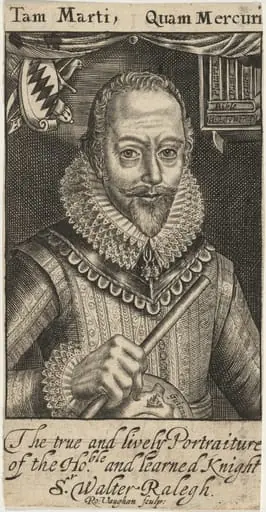
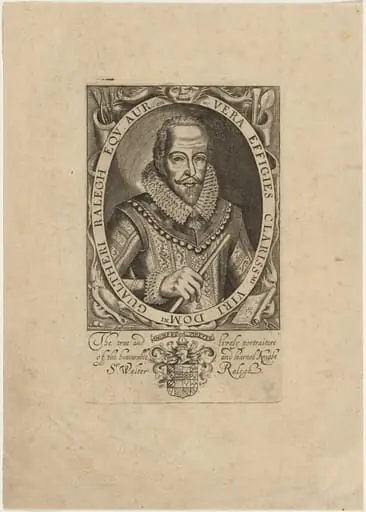
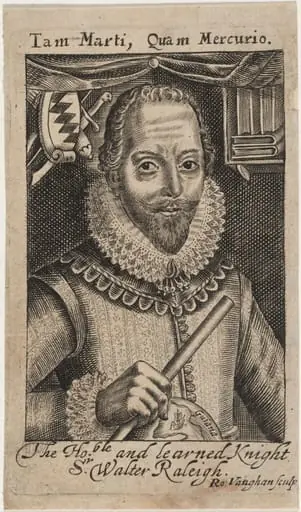
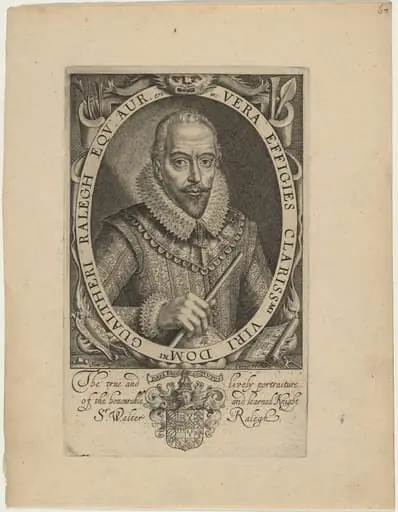
This is a black-and-white portrait of a man with a white beard and mustache. He wears a ruffled collar and a chain around his neck. His hair is curly, and he looks straight ahead with a serious expression. Below him is a shield with a design that looks like a ship on it.
The name "Sir Walter Raleigh" is written at the bottom, along with the years "Ob. 1618" and "Aetat. 66." This suggests he died at age 66 in 1618, but the portrait itself is much later.
This is made using engraving, a technique where artists carve into metal plates to create detailed prints.
Overview
This engraving is a portrait of Sir Walter Raleigh, depicted with a white beard, mustache, ruffled collar, and a chain. A shield below him features a ship design, and the print includes his name, year of death (1618), and age at death (66).
Subject & Meaning
The subject, Sir Walter Raleigh, is portrayed with a serious expression, conveying dignity. The ship on the shield likely alludes to his maritime explorations and adventures, highlighting a key aspect of his historical identity.
Technique & Style
The portrait is created using engraving, a method involving carving detailed designs into metal plates to produce black-and-white prints. This technique allows for precise, intricate rendering of facial features, clothing, and symbols.
History & Provenance
While the engraving provides Raleigh's death year (1618) and age (66), the work itself is not contemporary to his lifetime, indicating it was produced posthumously. Specific provenance details are not provided.
Context
As a posthumous portrait, it reflects later perceptions of Raleigh, possibly commemorating his legacy in exploration and history. The choice of engraving suggests accessibility for wider dissemination of his image.
Legacy
This engraving contributes to the enduring visual representation of Sir Walter Raleigh, reinforcing his historical significance through its depiction of him and symbolic elements like the ship.
Artist & collection

 Domestic Scene
 Giacomo and Cardinal Marco, investing Andrea, Abbot of San Zeno, with his Benefice
 The Nymph of Fontainebleau
 Portrait of a Woman
 Madonna and Child with Saints in the Enclosed Garden
 Venus and Minerva
 Family Group of Four on Sofa
 Wall painting from Room H of the Villa of P. Fannius Synistor at Boscoreale