Artwork
George Villiers, Duke of Buckingham
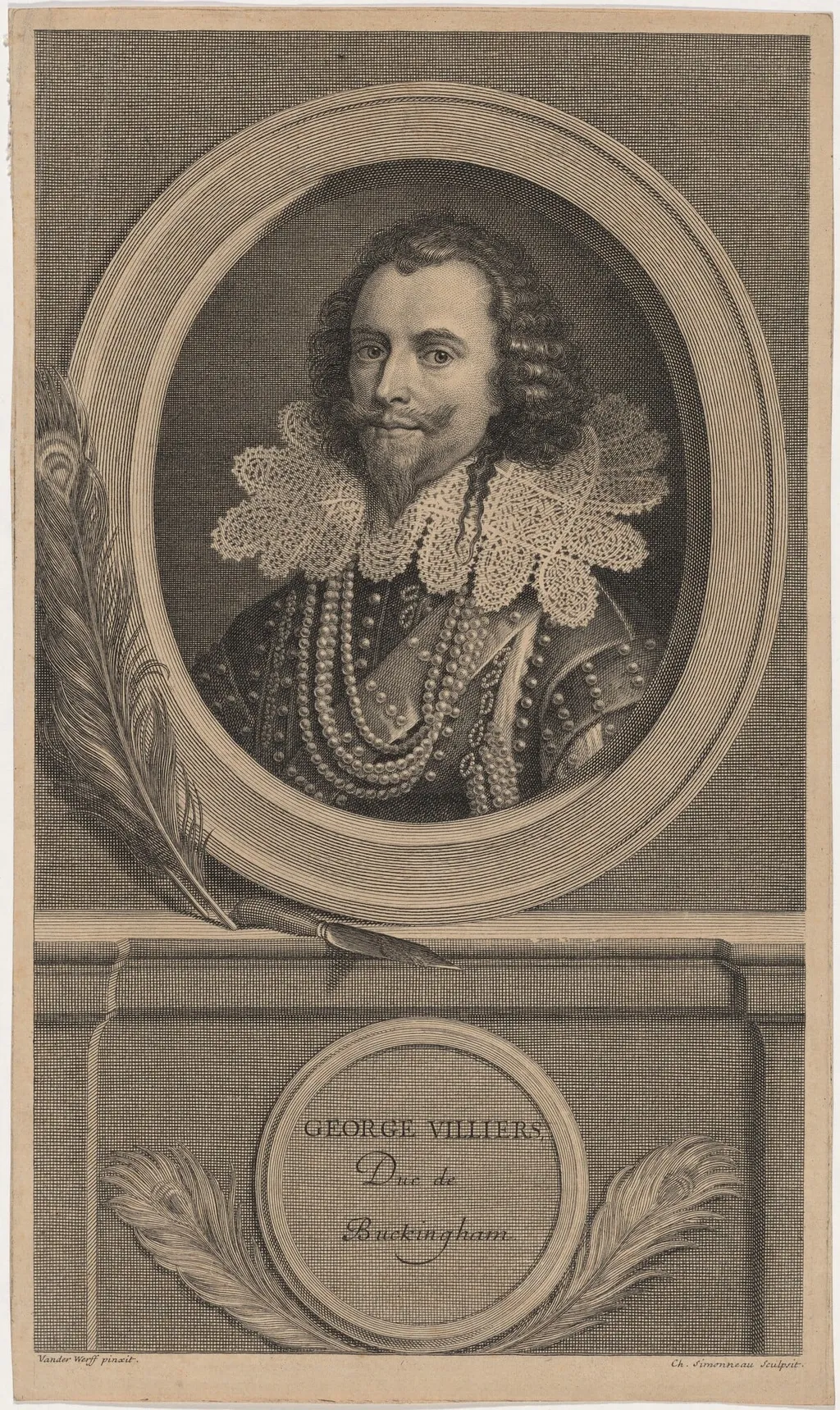
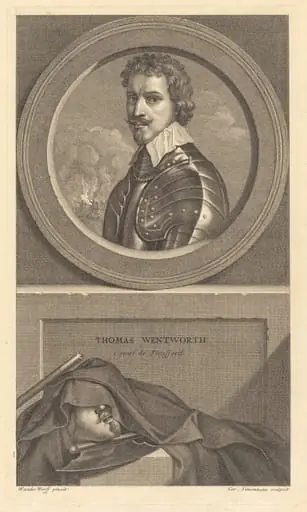
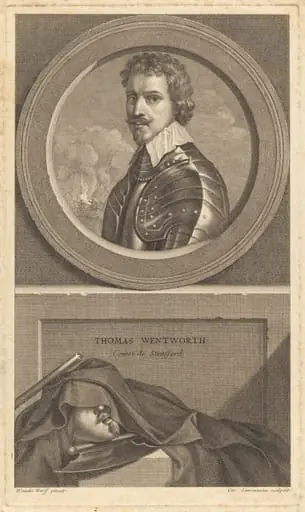
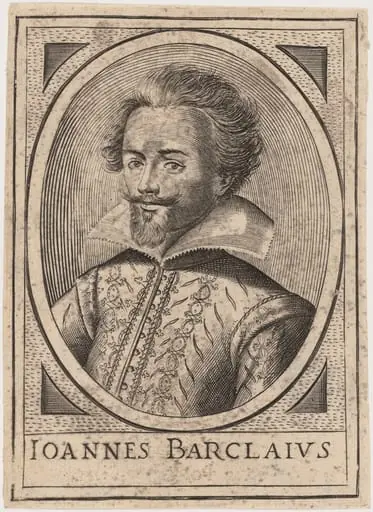
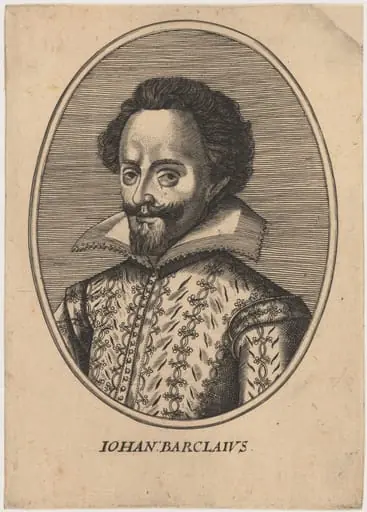
George Villiers, Duke of Buckingham is an ink print by the Baroque artist Charles Simonneau. It dates from 1707 and is held in the collection of the National Gallery of Art.
About this work
Overview
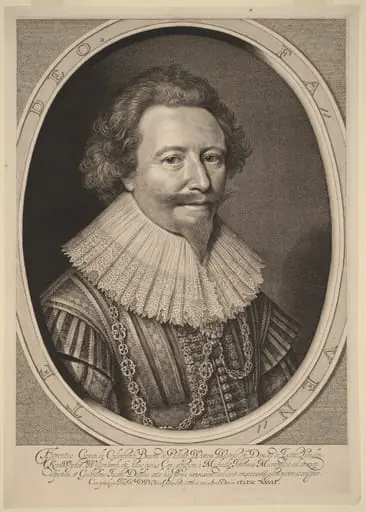
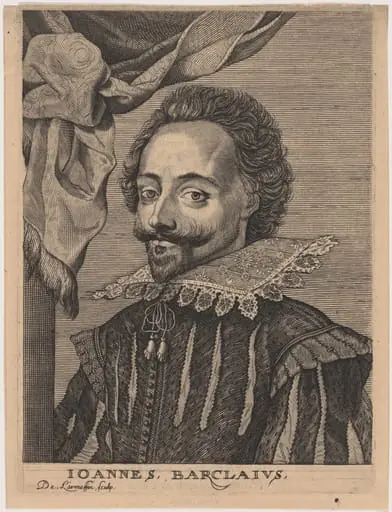
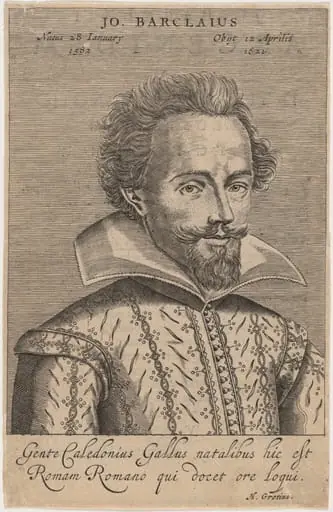
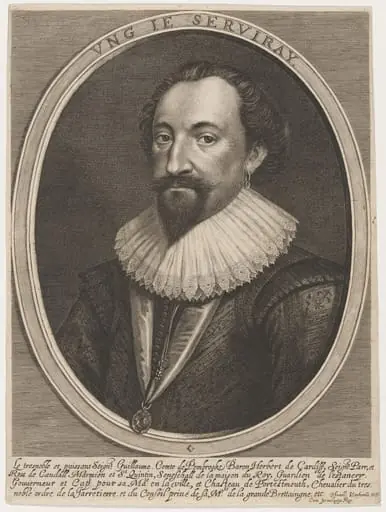
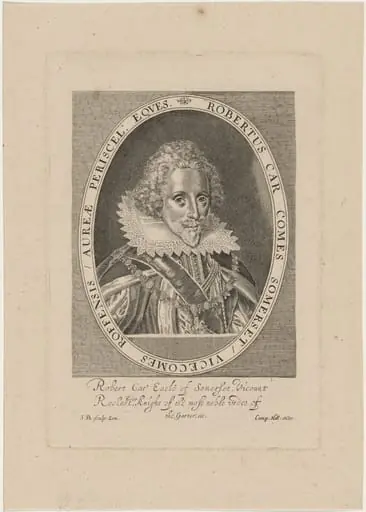
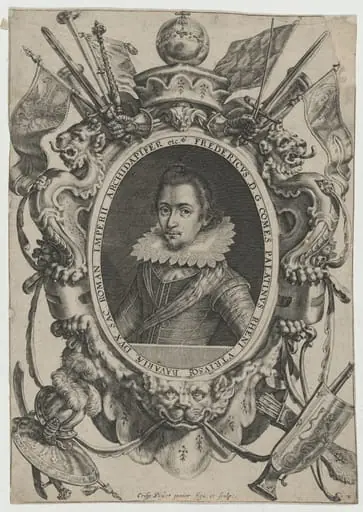
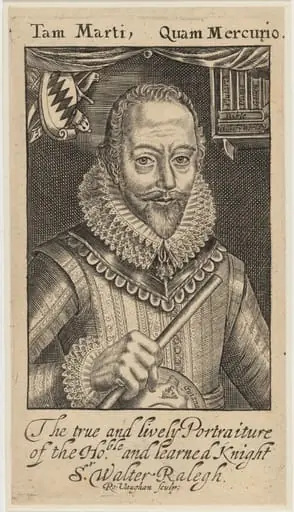
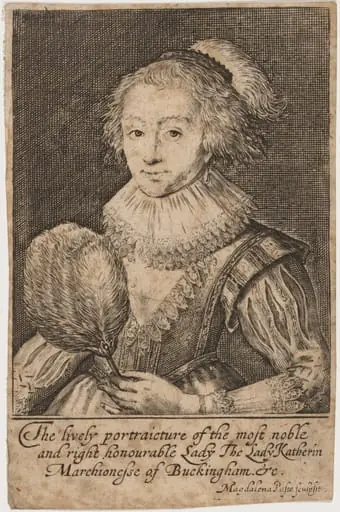
This 1707 engraving by Charles Simonneau portrays George Villiers, Duke of Buckingham, in a formal black-and-white portrait. The subject is depicted with a serious expression, adorned with a high collar, pearl necklace, and ornate lace ruff, set against a simple background framed by a carved stone and leaf motif.
Subject & Meaning
The engraving captures the likeness of George Villiers, Duke of Buckingham, conveying his dignified stature through attire and demeanor. The intricate details, such as the pearl necklace and lace ruff, highlight his wealth and nobility.
Technique & Style
Executed as an engraving, Simonneau utilized sharp tools to carve lines into a metal plate, achieving detailed linework characteristic of the medium. The composition balances simplicity in the background with ornateness in the subject's attire, reflecting Baroque influences in its attention to decorative detail.
History & Provenance
Created in 1707 by Charles Simonneau, specific provenance details (ownership history) of this engraving are not provided in the available information.
Context
This portrait reflects the late Baroque period's penchant for formal, detailed depictions of nobility. The use of engraving as a medium also speaks to the era's appreciation for printmaking as a means to disseminate images of prominent figures.
Legacy
As a portrait of a significant historical figure, this engraving contributes to the visual record of George Villiers, Duke of Buckingham. Its legacy lies in its representation of 18th-century noble portraiture and printmaking techniques.
Artist & collection