Artwork
Frederick Christian III, King of Denmark and Norway
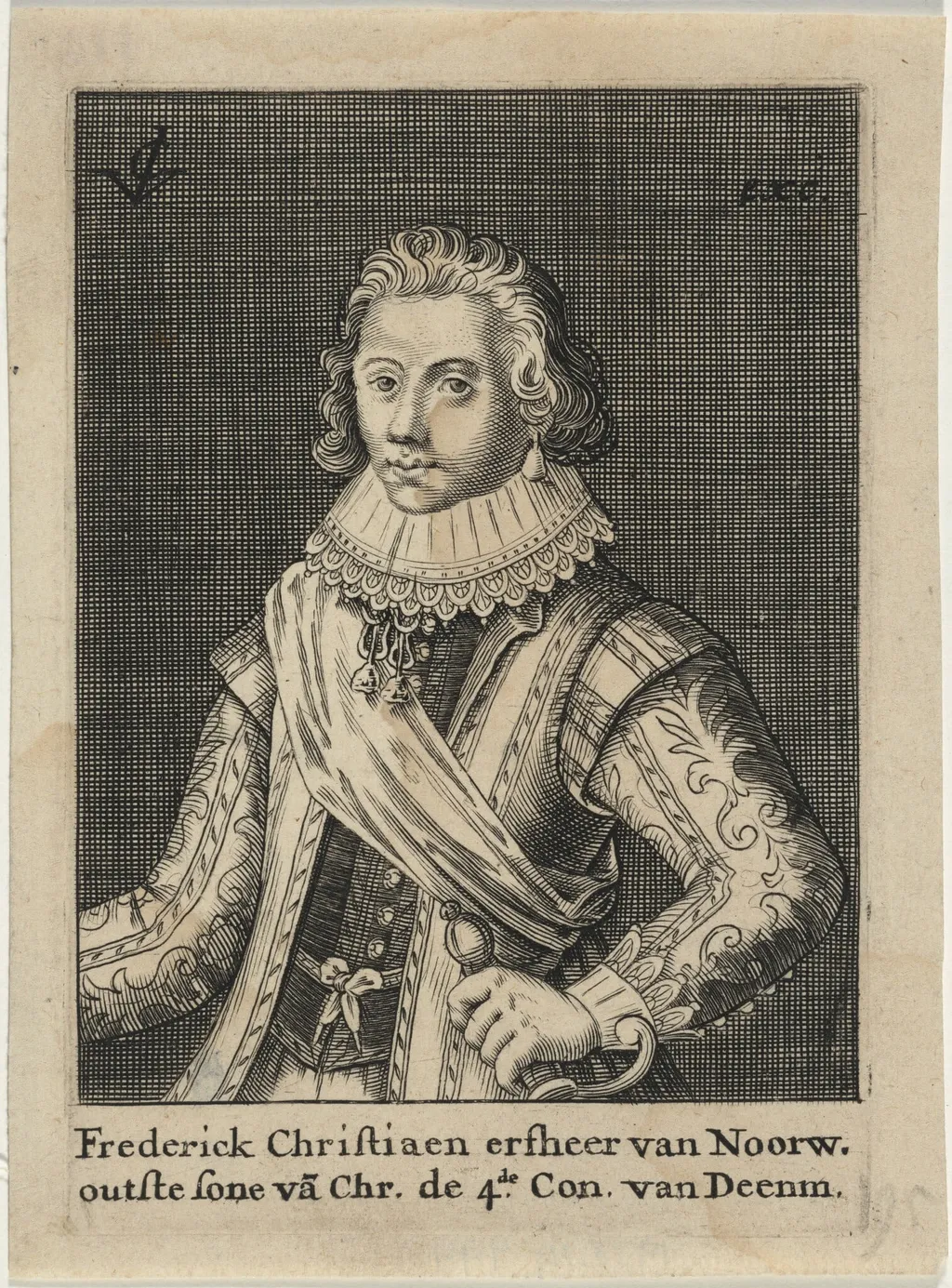
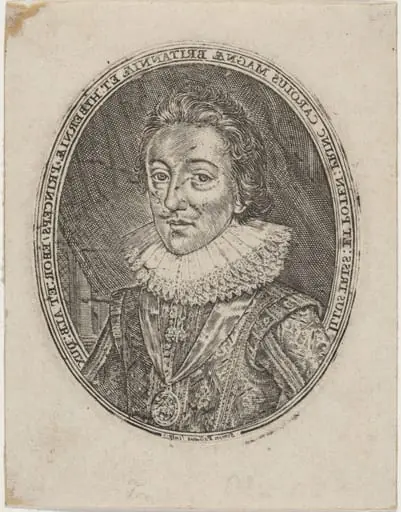
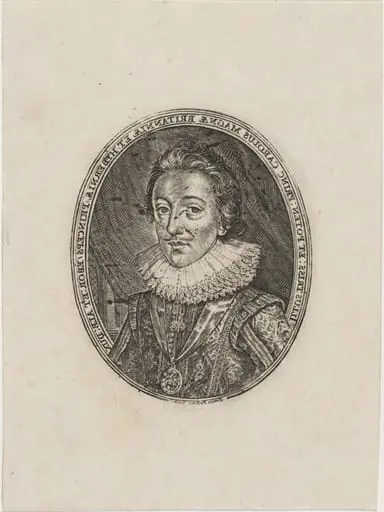
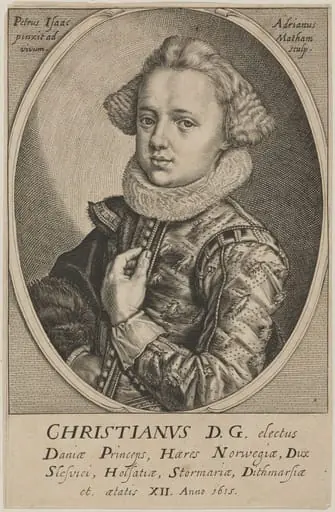
Frederick Christian III, King of Denmark and Norway is an ink print by the Baroque artist Cornelis Visscher. It dates from 1646 and is held in the collection of the National Gallery of Art.
About this work
Overview
Its purpose was likely to circulate the monarch’s likeness across the Low Countries and beyond, where Dutch-language inscriptions would be understood.
This 1646 engraving by Cornelis Visscher depicts Frederick Christian III, ruler of Denmark and Norway. Rendered in monochrome, the portrait follows the conventions of Northern European printmaking of the mid-seventeenth century. The image was produced through incised lines on a metal plate, allowing for multiple impressions. Its purpose was likely to circulate the monarch’s likeness across the Low Countries and beyond, where Dutch-language inscriptions would be understood.
Subject & Meaning
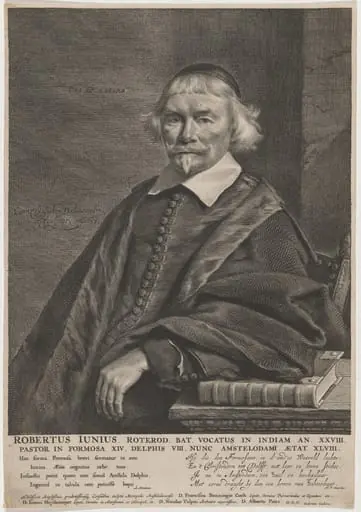
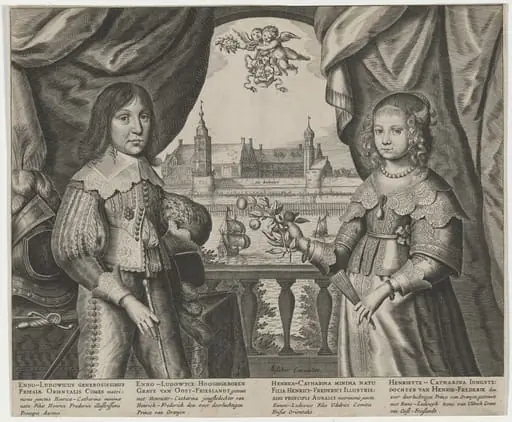
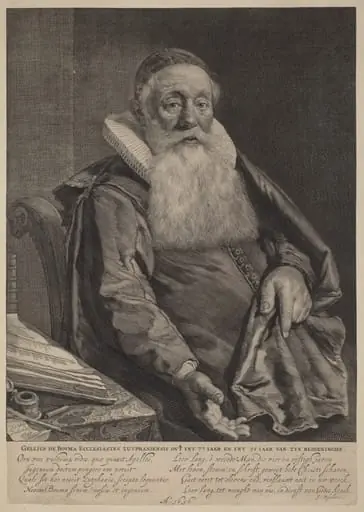
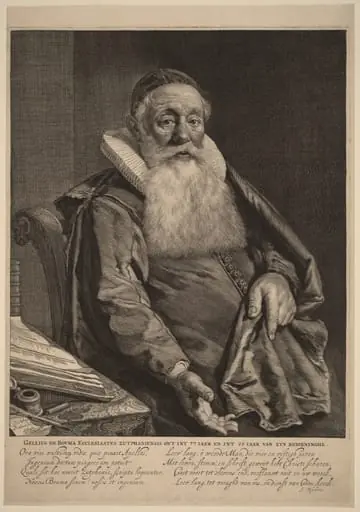
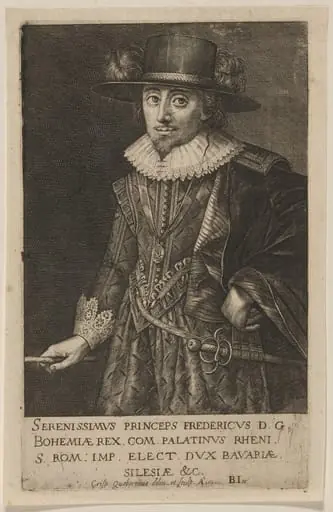
The portrait presents Frederick Christian III in formal court attire, emphasizing his status through elaborate clothing and accessories. The ruffled collar, slashed sleeves, and ornate chain signify nobility and authority. The paper he holds may allude to governance or diplomacy, while the draped cloth suggests a sense of dignity and permanence. The Dutch inscription confirms the print’s intended audience in the Netherlands, a region with strong political and cultural ties to the Danish-Norwegian realm.
Technique & Style
Visscher employed fine, controlled lines to model form and texture, characteristic of Dutch engraving at the time. Shading is achieved through cross-hatching and varying line density, giving volume to the fabric, hair, and facial features. The composition is tightly framed, focusing attention on the figure’s expression and attire. The absence of color underscores the medium’s reliance on tonal contrast, a hallmark of reproductive prints meant for wide dissemination.
History & Provenance
Created in 1646, the engraving emerged during a period of diplomatic engagement between Denmark-Norway and the Dutch Republic. Visscher, active in Amsterdam, was known for portraits of European elites. While the print’s early ownership is undocumented, its survival in institutional collections suggests it was valued for its accuracy and craftsmanship. It likely entered museum holdings through private collections or state archives in the eighteenth or nineteenth centuries.
Context
In the mid-seventeenth century, engraved portraits served as tools of political representation, especially where painting was inaccessible. Dutch engravers like Visscher were sought after for their precision and ability to reproduce likenesses for international audiences. Frederick Christian III’s reign coincided with Denmark’s efforts to maintain influence amid shifting European alliances, making his image a subtle instrument of state identity beyond its borders.
Legacy
The engraving remains a documented example of how monarchs were visually communicated in early modern Europe through print. While not widely known today, it reflects the broader practice of using reproductive art to project authority across linguistic and geographic boundaries. Visscher’s work contributes to the study of how portraiture functioned as both art and political communication in the Dutch Golden Age.
Artist & collection