Artwork
John Calvin
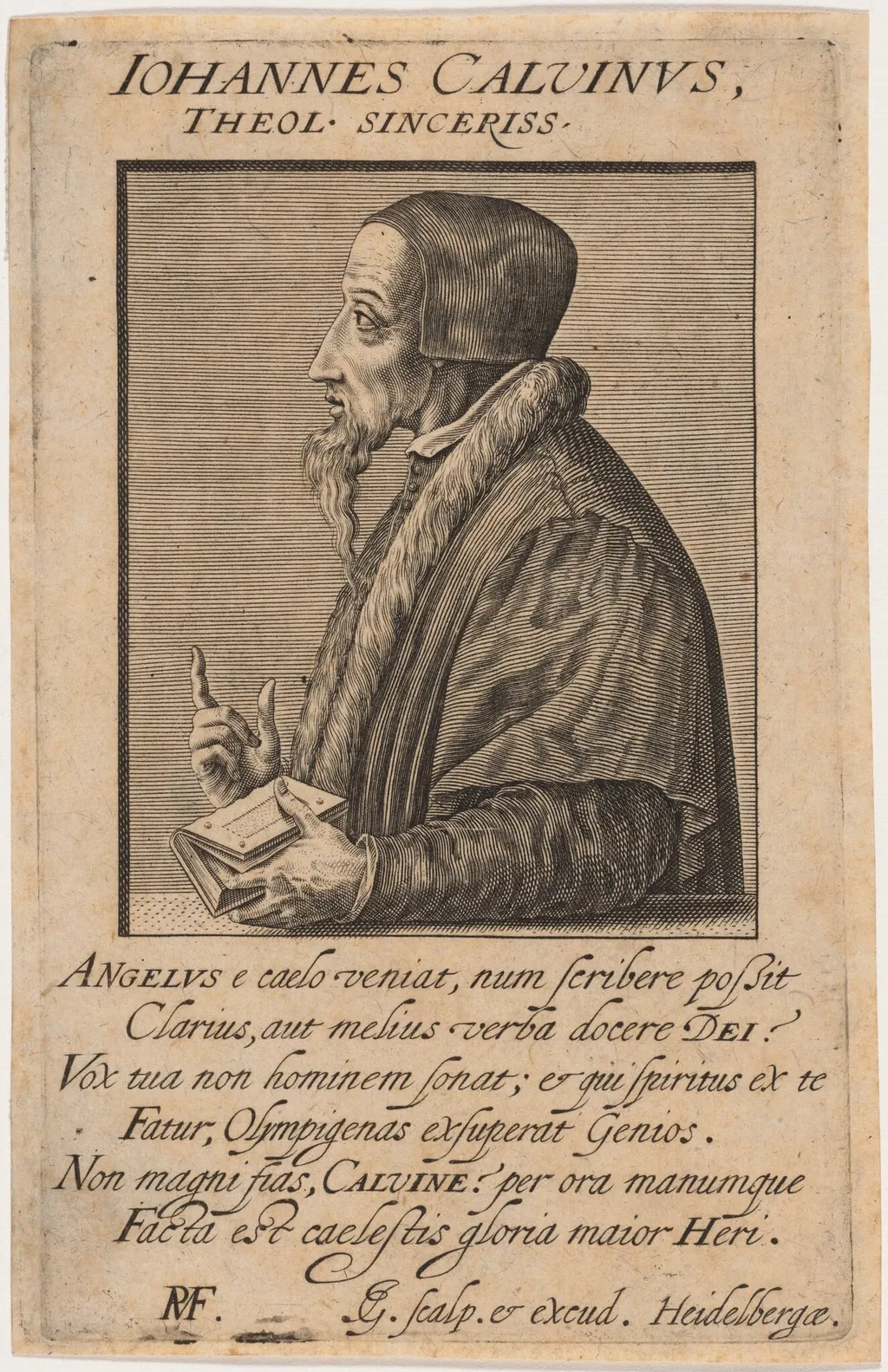
John Calvin is an ink print by the Romanticist artist Unknown 19th Century. It dates from 1850 and is held in the collection of the National Gallery of Art.
About this work
Overview
John Calvin is an engraving portraying the renowned theologian in a contemplative yet assertive pose. The monochrome print focuses attention on Calvin's facial expression and gesture, set against a plain background.
Subject & Meaning
The subject, identified as Johannes Calvin by the inscription, is depicted holding an open book and pointing upwards. This suggests a moment of theological emphasis or revelation, highlighting Calvin's role as a leading figure in the Reformation.
Technique & Style
Executed with fine lines and nuanced shading, the engraving achieves depth reminiscent of a detailed sketch. The artist's use of a burin (engraving tool) and ink emphasizes the medium's capacity for intricate, high-contrast imagery.
History & Provenance
Limited information is provided about the engraving's historical context or ownership history. The Latin text below the portrait may offer clues to its origin or the artist's intentions, but its specifics are not detailed here.
Context
Created in a period when religious figures were frequently depicted in art, this engraving reflects the broader practice of illustrating influential theological leaders. The plain background, however, suggests a focus on the individual's character over ornate religious symbolism.
Legacy
As a representation of John Calvin, the engraving contributes to the visual legacy of the Reformation's key figures. Its style and technique place it within the tradition of religious portraiture common during the era, though its direct impact or influence on subsequent art is not specified.
Artist & collection

Artist

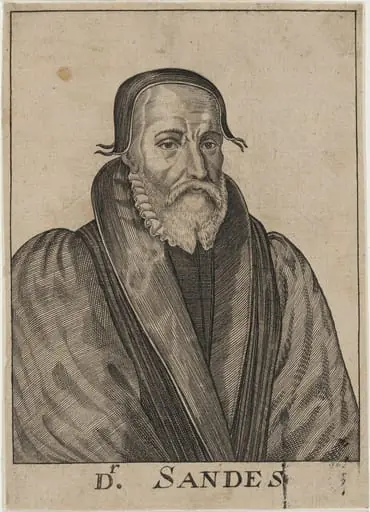 Edwin Sanders, Archbishop of York
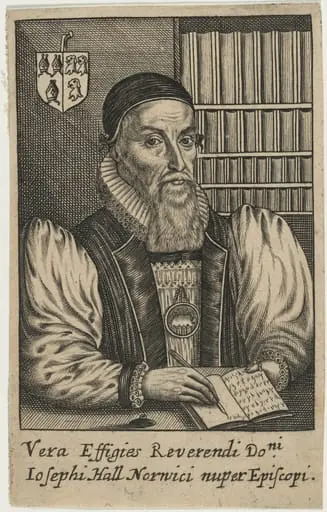 Joseph Hall, Bishop of Norwich
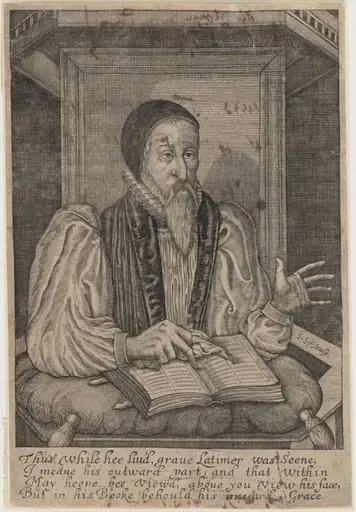 Hugh Latimer, Bishop of Worcester
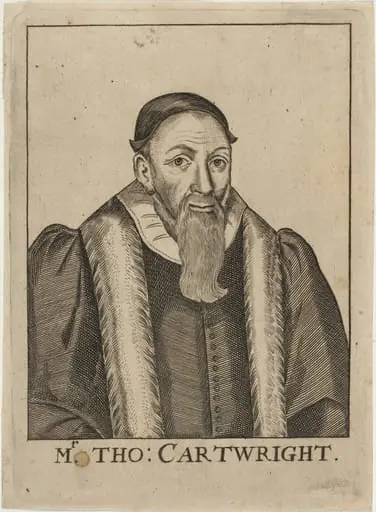 Thomas Cartwright, Puritan Divine
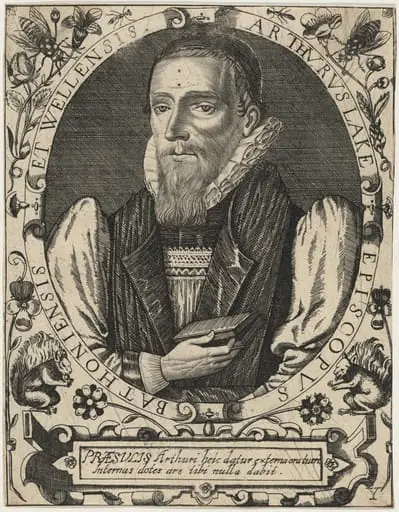 Arthur Lake, Bishop of Bath and Wells
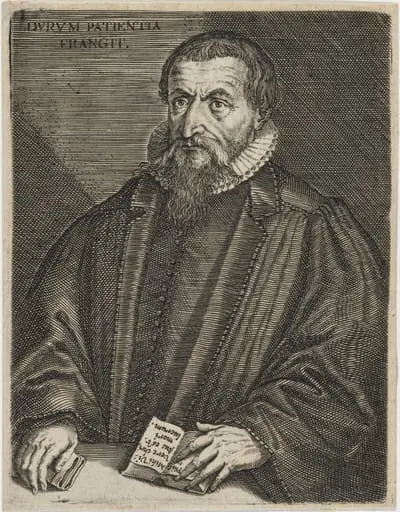 Portrait of a Clergyman
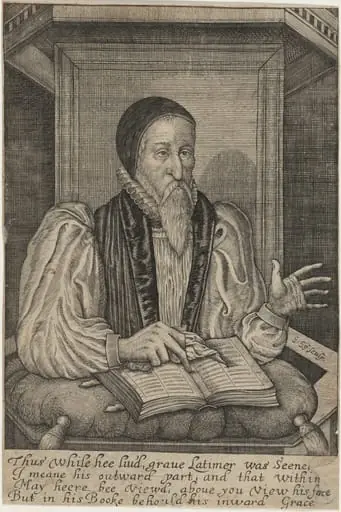 Hugh Latimer
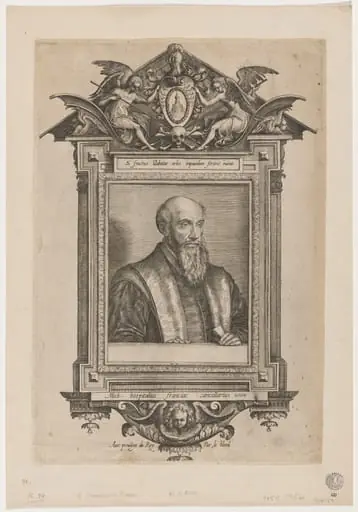 Portrait of a Man with a Long Beard
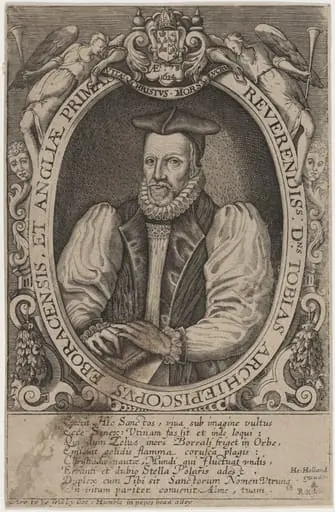 Tobias Matthew, Archbishop of York
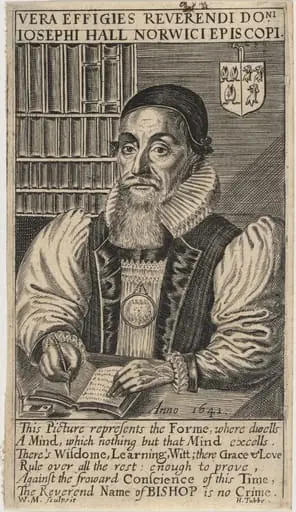 Joseph Hall, Bishop of Norwich
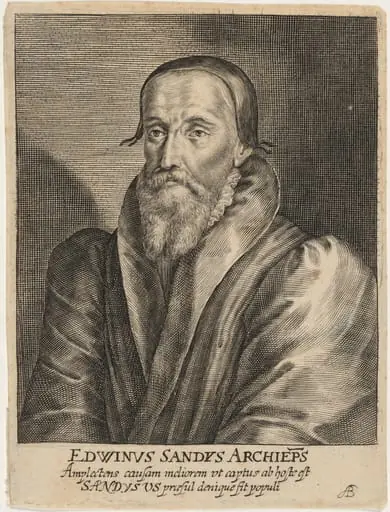 Edwin Sandys, Archbishop of York
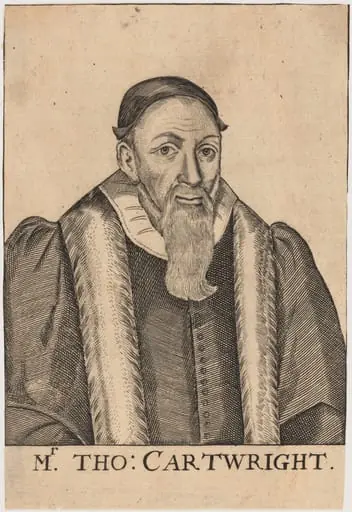 Thomas Cartwright, Puritan Divine