Artwork
Hugh Latimer
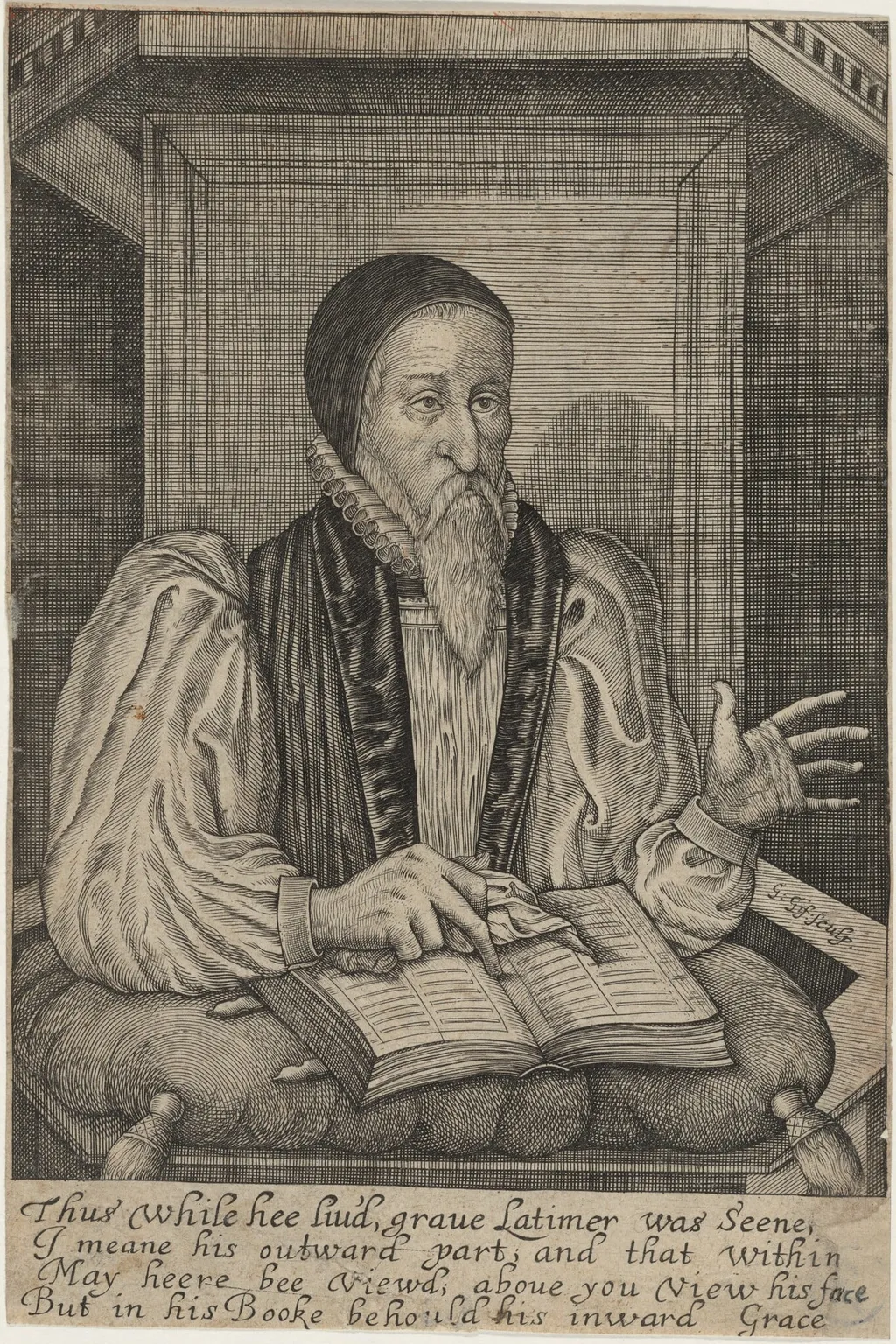
Hugh Latimer is an ink print by the Renaissance artist George Gifford. It dates from 1630 and is held in the collection of the National Gallery of Art.
About this work
Overview
George Gifford’s 1630 engraving presents the 16th‑century reformer Hugh Latimer. Rendered in monochrome, the image shows an elderly figure with a flowing white beard and curled hair, dressed in a dark clerical robe. He is seated before a simple wooden frame, one hand supporting an open volume while the other gestures toward the text, his expression composed yet solemn.
Subject & Meaning
The portrait emphasizes Latimer’s role as a preacher and scholar, underscored by the prominent book and his pointing finger, suggesting instruction or proclamation. The calm demeanor conveys authority tempered by humility, reflecting the reformer’s reputation for earnest yet measured discourse during the English Reformation.
Technique & Style
Gifford employs fine cross‑hatching to model the folds of the robe, the texture of the beard, and the subtle shadows that give depth to the figure. The linear precision of the engraving creates a clear, almost documentary quality, while the restrained background focuses attention on the sitter’s features and the illuminated text.
History & Provenance
Created in 1630, the print belongs to the early Stuart period, a time when portrait engravings served both devotional and commemorative purposes. Though specific ownership records are scarce, the work has been catalogued among Gifford’s religious series, circulating among collectors of Reformation‑era imagery.
Artist & collection

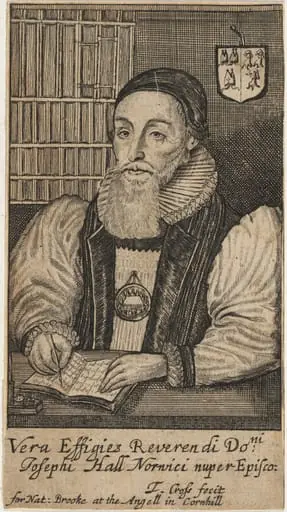 Reverendi Doni: Josephi Hall Norwici Nuper Episco. (Joseph Hall, Bishop of Norwich)
 Reverendi Doni: Josephi Hall Norwici Nuper Episco. (Joseph Hall, Bishop of Norwich)
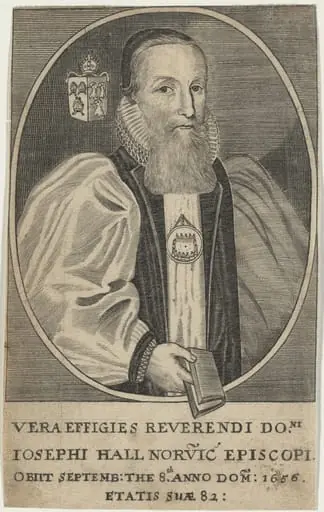 Joseph Hall, Bishop of Norwich
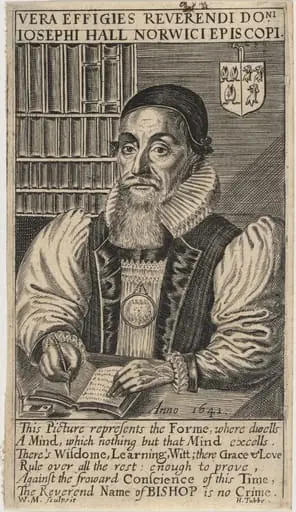 Joseph Hall, Bishop of Norwich
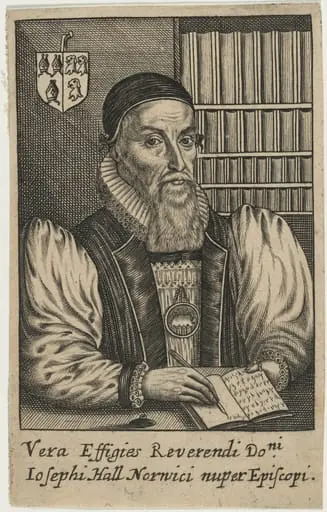 Joseph Hall, Bishop of Norwich
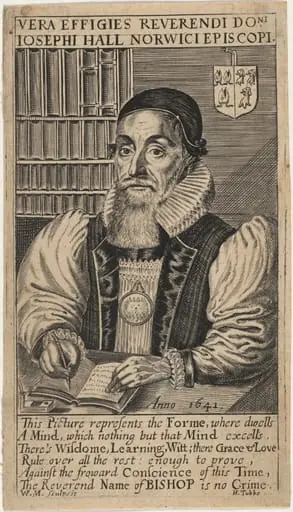 Joseph Hall, Bishop of Norwich
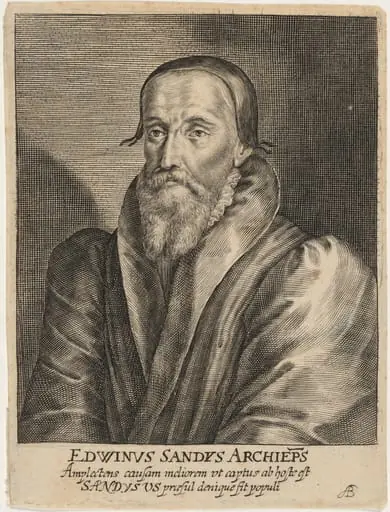 Edwin Sandys, Archbishop of York
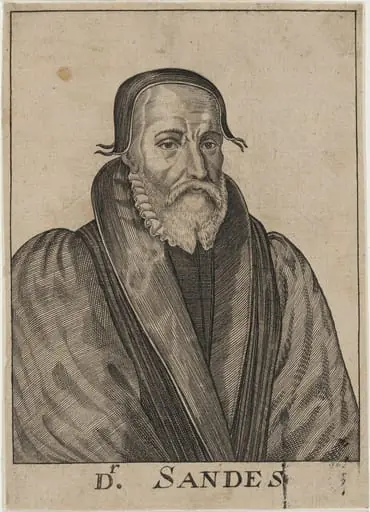 Edwin Sanders, Archbishop of York
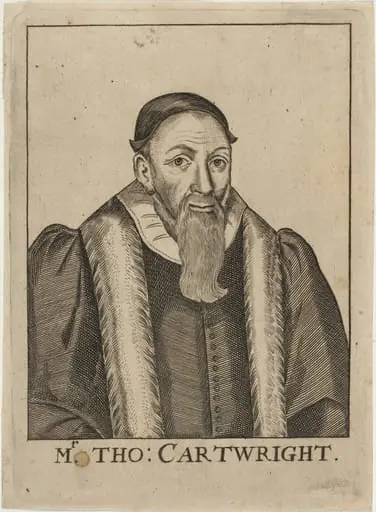 Thomas Cartwright, Puritan Divine
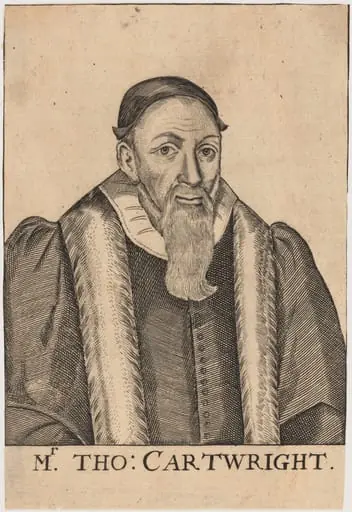 Thomas Cartwright, Puritan Divine
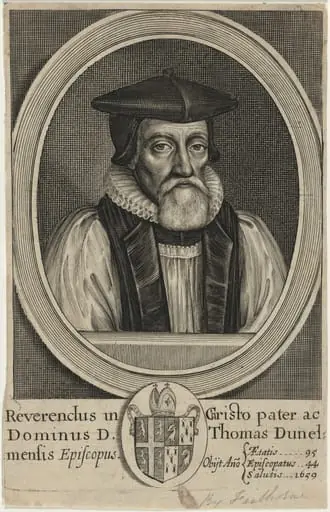 Thomas Morton