Artwork
John Goodwin
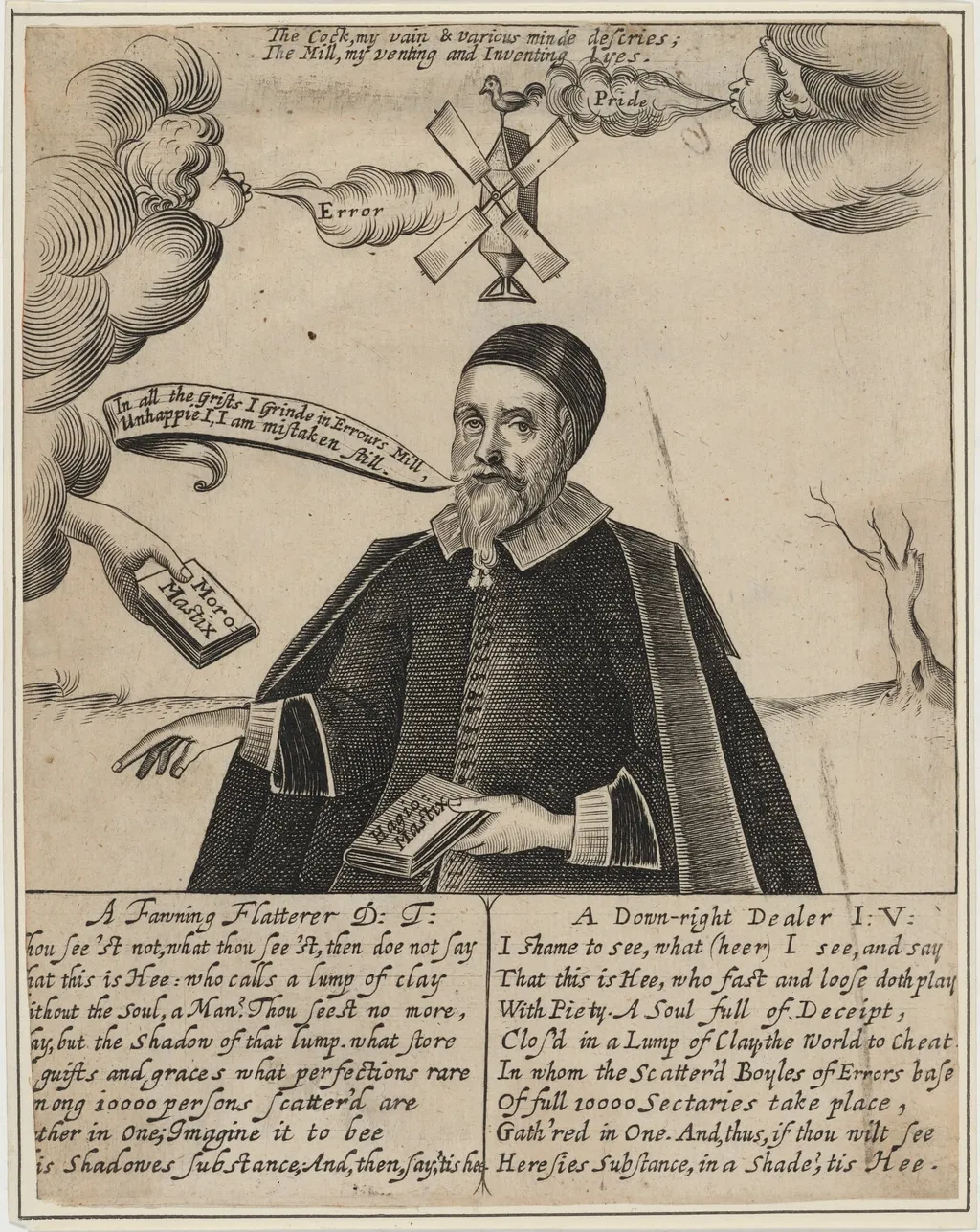
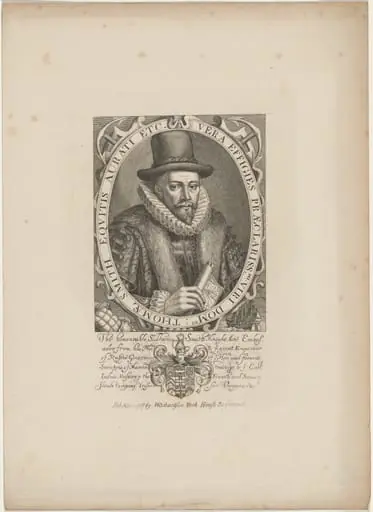
John Goodwin is an ink print by the Romanticist artist Unknown 19th Century. It dates from 1850 and is held in the collection of the National Gallery of Art.
About this work
The background is light, with a few words and symbols scattered around him, including a windmill, a bird, and a hand holding a book.
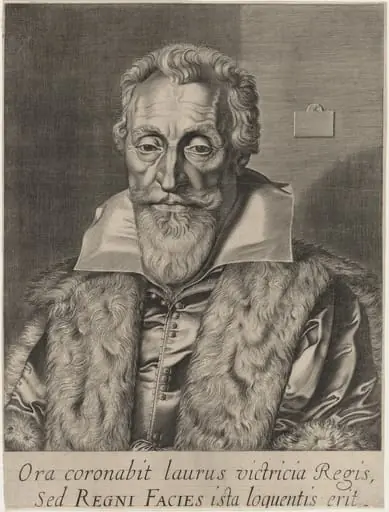
This engraving depicts a man in a dark robe with a white collar, holding a book in his left hand. He wears a hat and has a long beard. The background is light, with a few words and symbols scattered around him, including a windmill, a bird, and a hand holding a book. The man's attire and the surrounding elements suggest a sense of solemnity and contemplation.
The engraving's level of detail and the use of cross-hatching to create texture and depth are notable. The artist's skillful use of light and shadow adds to the overall mood of the piece.
The engraving is a fine example of Romanticism, and to learn more about this movement, you can explore the works of artists associated with it, such as Unknown 19th Century.
Overview
The print titled “John Goodwin” is an engraving that portrays a solitary figure dressed in a dark robe with a white collar, a hat, and a long beard. He holds a book in his left hand, while a light‑toned background is populated with scattered symbols such as a windmill, a bird and a hand clutching another book.
Subject & Meaning
The central figure’s solemn attire and the presence of books suggest a scholarly or religious identity, inviting contemplation of learning or piety. The surrounding motifs—windmill, bird, and additional book—may function as allegorical references, reinforcing themes of knowledge, passage of time, or spiritual ascent.
Technique & Style
Executed with fine cross‑hatching, the engraving achieves a nuanced texture and depth, especially in the rendering of fabric and facial features. Careful modulation of light and shadow creates a contemplative atmosphere, characteristic of the Romantic era’s interest in mood and individual introspection.
Context
Produced within the Romantic movement, the work reflects the period’s fascination with the inner life of solitary figures and the symbolic use of natural and man‑made elements. While specific dates and the artist’s identity remain undocumented, the piece aligns with the broader 19th‑century European print tradition that emphasized emotive subject matter.
Artist & collection

Artist

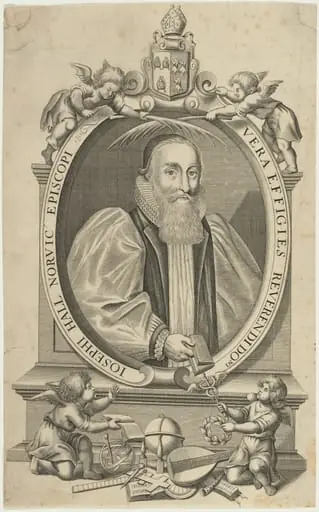 Rev. Joseph Hall, Bishop of Norwich
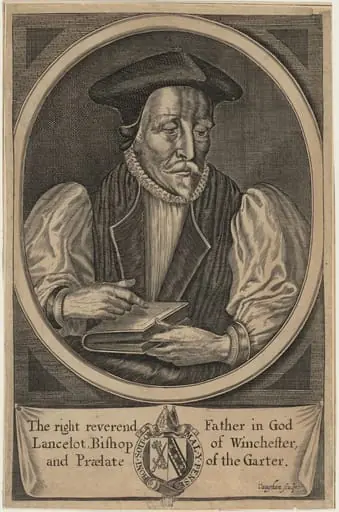 Lancelot Andrewes, Bishop of Winchester
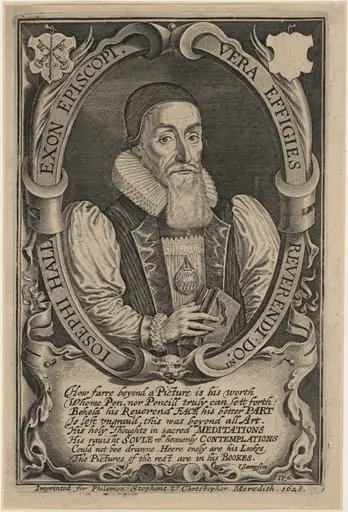 Joseph Hall, Bishop of Exeter and Norwich
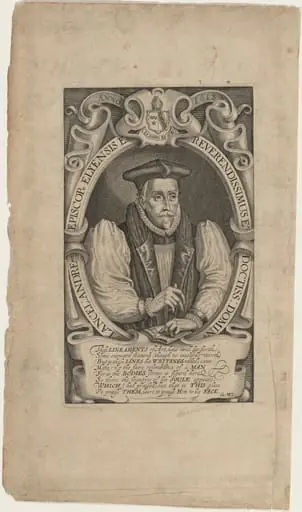 Lancelot Andrews, Bishop of Ely and Winchester
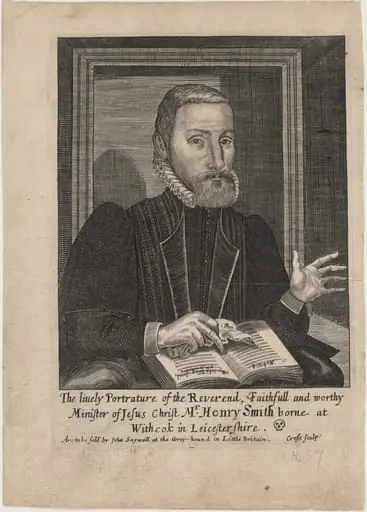 Mr. Henry Smith
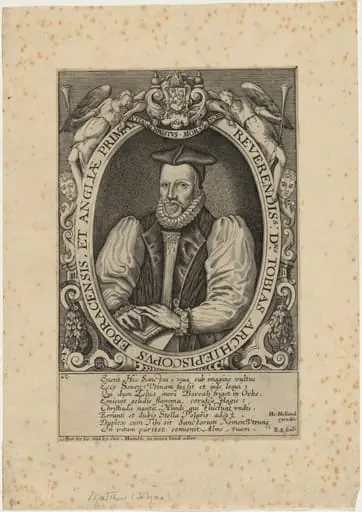 Tobias Matthew, D.D., Archbishop of York
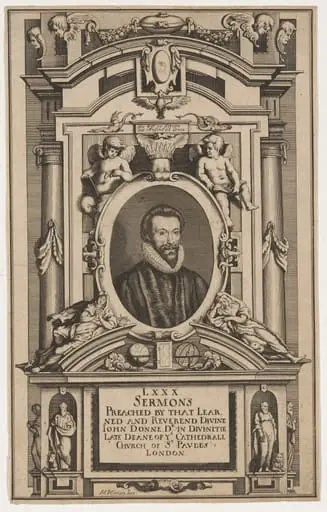 John Donne
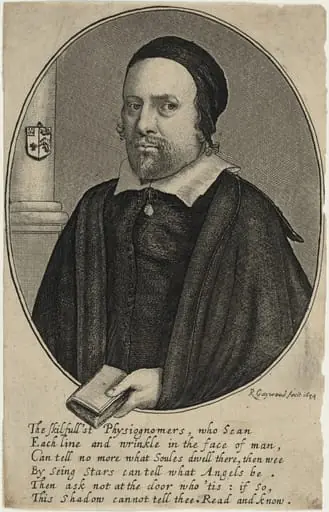 Samuel Clarke, Minister
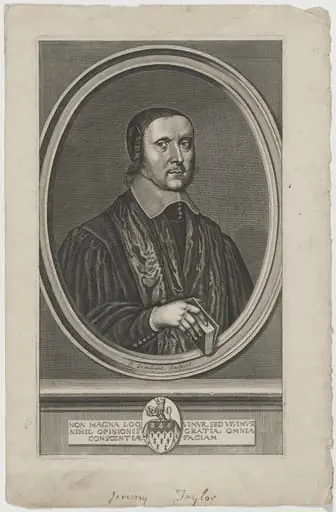 Jeremy Taylor, Bishop of Down, Connor and Dromore
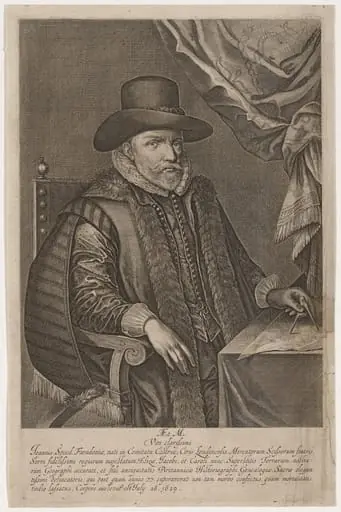 John Speed
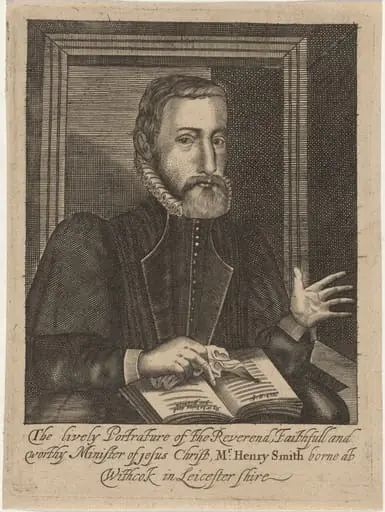 Mr. Henry Smith
 Sir Thomas Smith