Artwork
Mr. Henry Smith
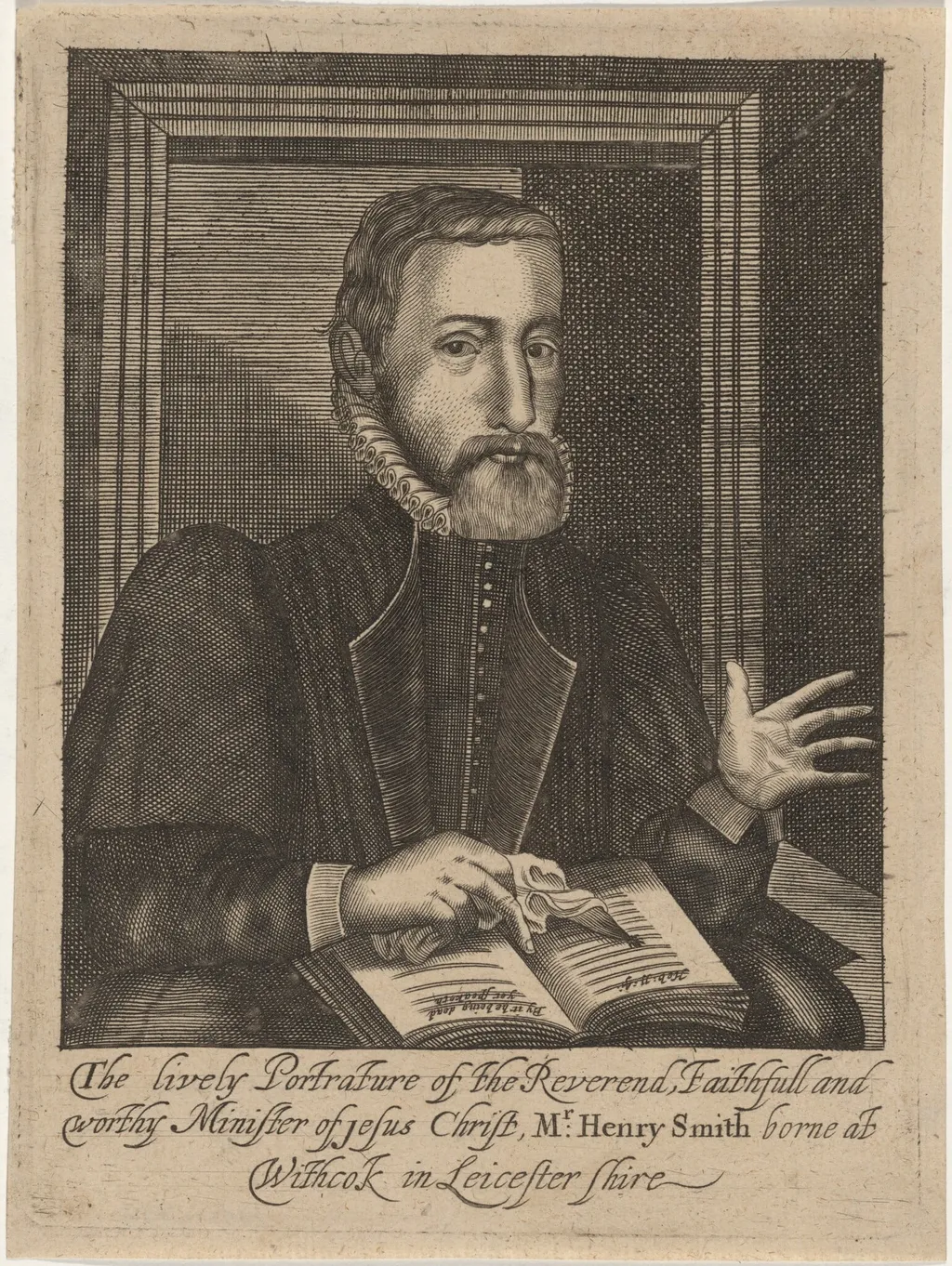
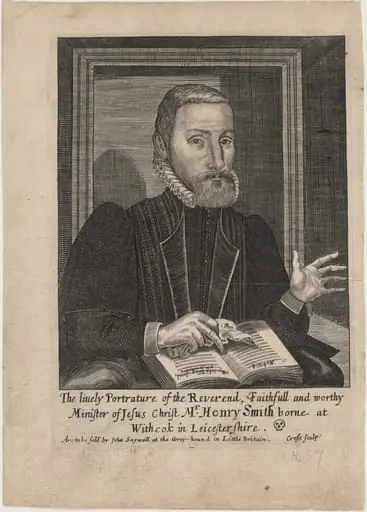
Mr. Henry Smith is an ink print by the Baroque artist Thomas Cross. It dates from 1653 and is held in the collection of the National Gallery of Art.
About this work
Overview
Created in 1653 by Thomas Cross, this engraving depicts Mr. Henry Smith, a figure of probable scholarly or civic standing. Rendered in fine line work, the portrait emphasizes precision and restraint, typical of mid-17th-century British printmaking. The composition isolates the subject against a dark field, focusing attention on his posture and expression without decorative distraction.
Subject & Meaning
The sitter, identified as Henry Smith, is portrayed mid-gesture, book in hand and right hand raised as if in discourse. His serious gaze meets the viewer directly, suggesting intellectual authority or moral address. The open book implies engagement with text—perhaps theological, legal, or philosophical—reinforcing his identity as a man of learning and quiet conviction.
Technique & Style
Cross employed intricate cross-hatching to model form and texture, particularly in the ruffled collar and the folds of the dark jacket. The contrast between the illuminated face and the deep background enhances three-dimensionality. The controlled linework reflects a disciplined approach to engraving, prioritizing clarity and tonal gradation over ornamental flourish.
History & Provenance
The engraving was produced during a period when portraiture in print was gaining currency among England’s professional classes. While specific early ownership records are sparse, its survival suggests it was valued as a personal or familial commemoration. It remains one of the few known works by Cross, a lesser-documented engraver of the era.
Context
Made during the Interregnum, when royal portraiture declined and civic identity rose, such engravings reflected a shift toward honoring individuals for intellectual or moral stature rather than noble birth. The style aligns with broader European trends in printmaking, though it retains a distinctly English sobriety, avoiding the theatricality of continental Baroque.
Legacy
Though not widely reproduced or studied, the engraving stands as a quiet example of mid-17th-century English portraiture in print. It illustrates how personal identity was conveyed through gesture and attire in an era before photography, preserving the likeness and demeanor of a non-elite subject with dignity and restraint.
Artist & collection

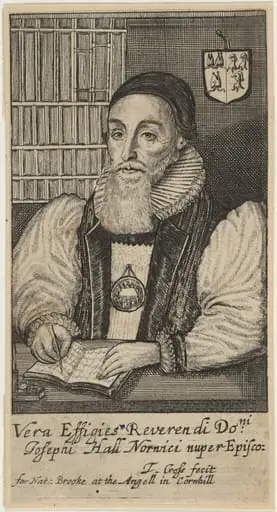 Reverendi Doni: Josephi Hall Norwici Nuper Episco. (Joseph Hall, Bishop of Norwich)
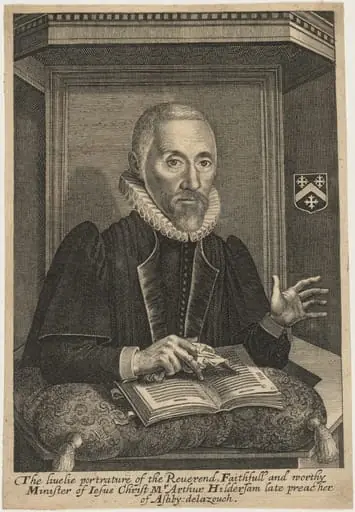 Rev. Arthur Hildersam
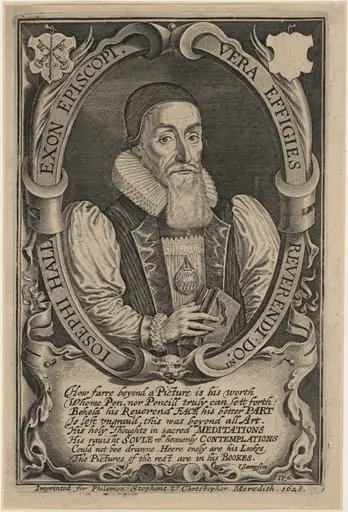 Joseph Hall, Bishop of Exeter and Norwich
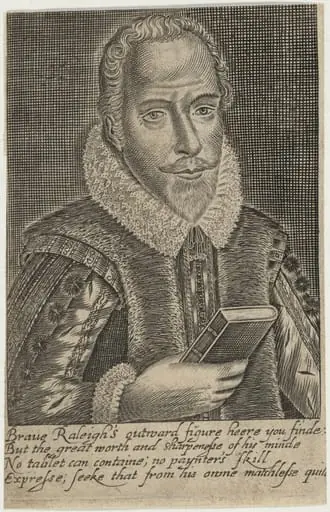 Sir Walter Raleigh
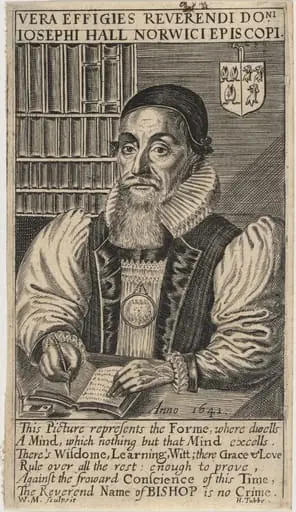 Joseph Hall, Bishop of Norwich
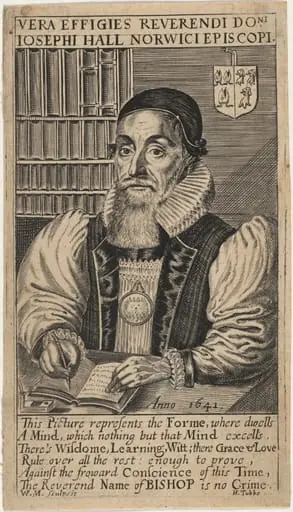 Joseph Hall, Bishop of Norwich
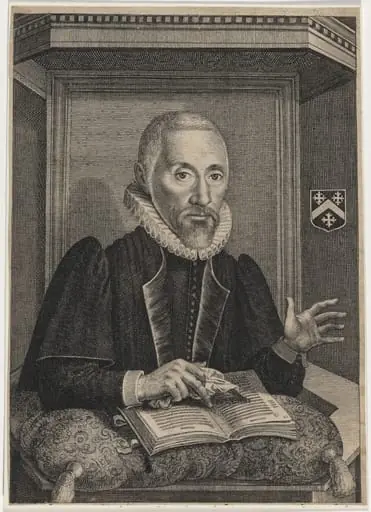 Arthur Hildersham, Minister
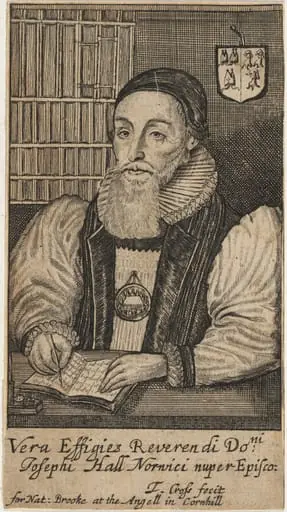 Reverendi Doni: Josephi Hall Norwici Nuper Episco. (Joseph Hall, Bishop of Norwich)
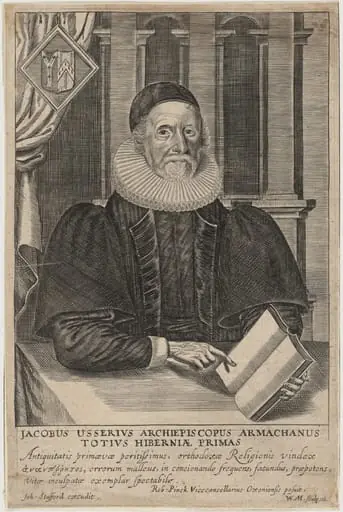 James Ussher, Archbishop of Armagh
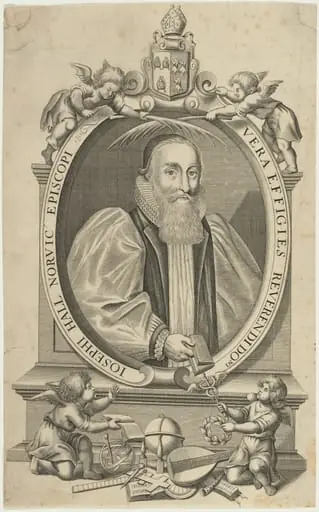 Rev. Joseph Hall, Bishop of Norwich