Artwork
John Williams, Archbishop of York, Lord Keeper
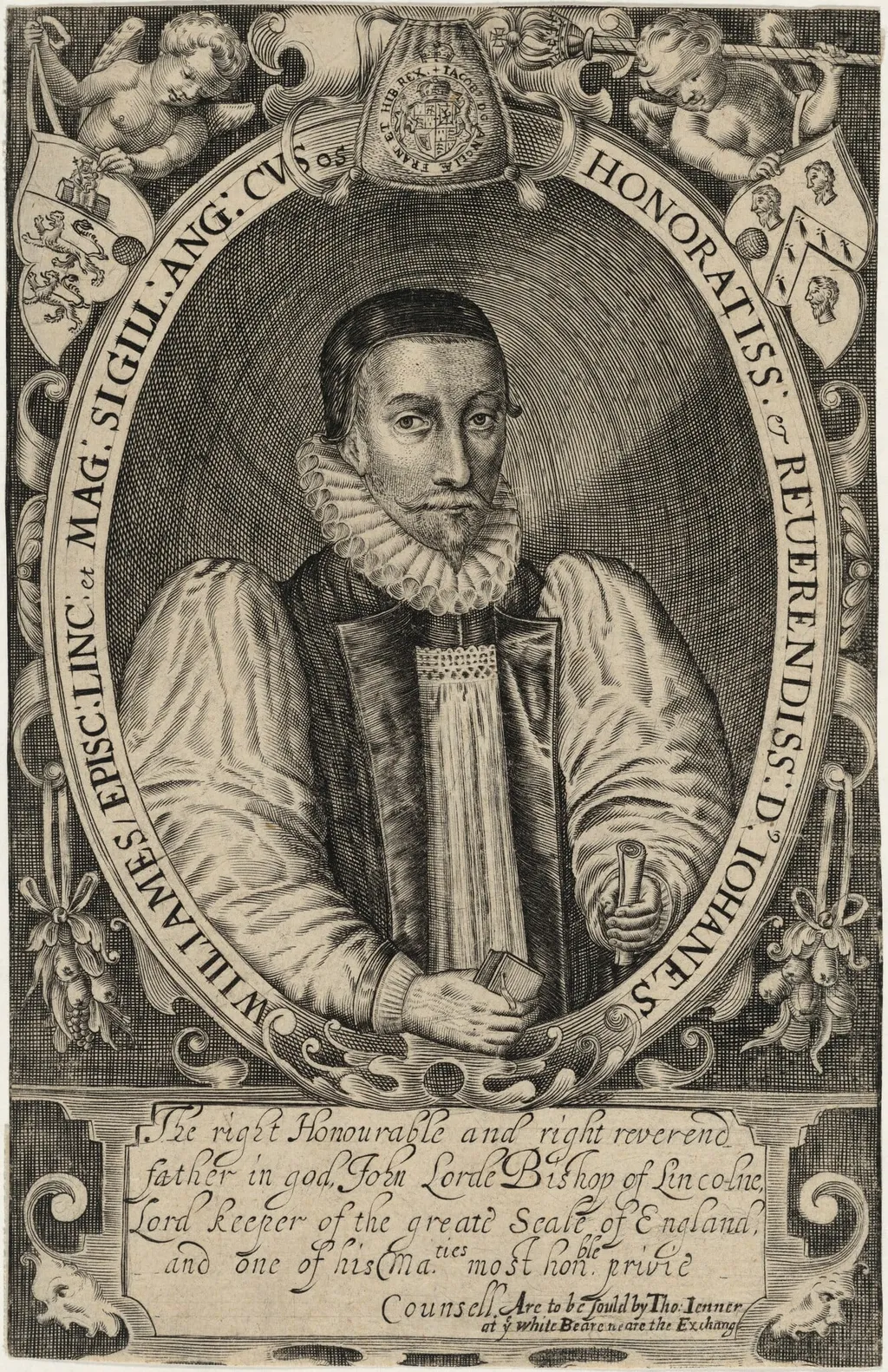
John Williams, Archbishop of York, Lord Keeper is an ink print by the Romanticist artist Unknown 19th Century. It dates from 1850 and is held in the collection of the National Gallery of Art. This early‑modern engraving depicts John Williams, who served as Archbishop of York and later as Lord Keeper of the Great Seal.
About this work
Overview
This early‑modern engraving depicts John Williams, who served as Archbishop of York and later as Lord Keeper of the Great Seal. Rendered in black and white, the image presents the dignitary in formal attire, his high collar and ruffled shirt emphasizing his status. The composition is framed by elaborate decorative elements that were typical of official portraiture in the period.
Subject & Meaning
Williams is shown holding a ring in his right hand, a symbol often associated with authority and the office of the Lord Keeper. His left hand rests on a folded document, suggesting his role in legal and ecclesiastical affairs. The surrounding scrollwork, crown motif, and Latin inscriptions reinforce his dual religious and governmental responsibilities.
Technique & Style
The work is an engraving, a printmaking process that uses incised lines on a metal plate to produce fine, repeatable images. The artist achieved a high level of detail through delicate hatching and cross‑hatching, especially in the textures of the collar, the folds of the paper, and the ornamental border. The stark monochrome palette highlights the contrast between figure and background.
History & Provenance
Created during Williams’s tenure in the early 17th century, the print would have circulated among court circles and ecclesiastical patrons. Copies were likely distributed as a means of affirming his official capacities. Surviving impressions are held in several institutional collections, documenting the print’s continued relevance to scholars of English political and religious history.
Context
Portrait engravings of high officials were common in the Stuart era, serving both as visual records and as propaganda tools. The inclusion of heraldic and textual elements aligns the image with contemporary conventions that linked personal identity to office, reinforcing the legitimacy of the holder’s power within both church and state.
Artist & collection

Artist

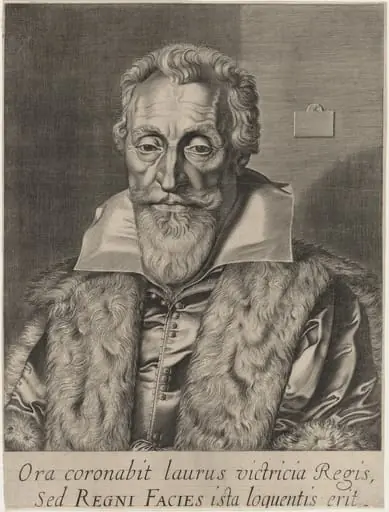
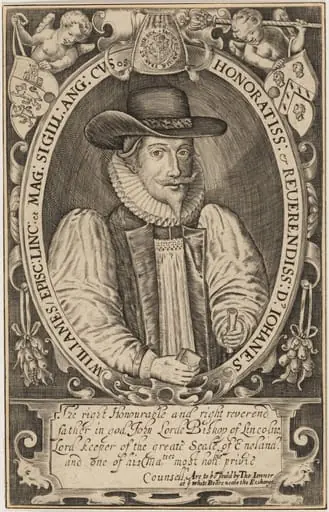 John Williams, Archbishop of York, Lord Keeper
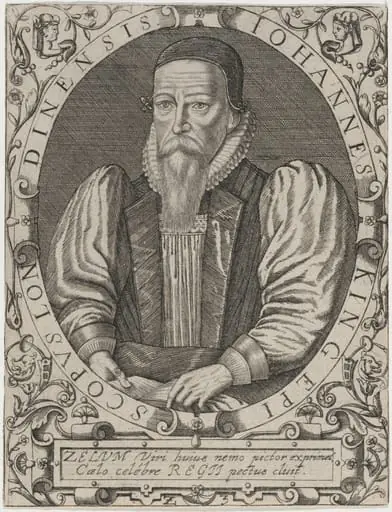 John King, Bishop of London
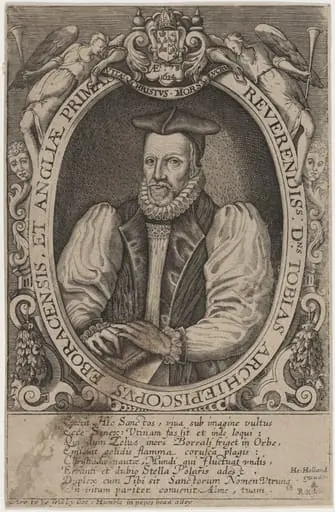 Tobias Matthew, Archbishop of York
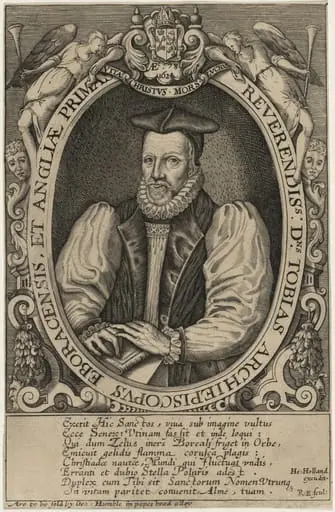 Tobias Matthew, D.D., Archbishop of York
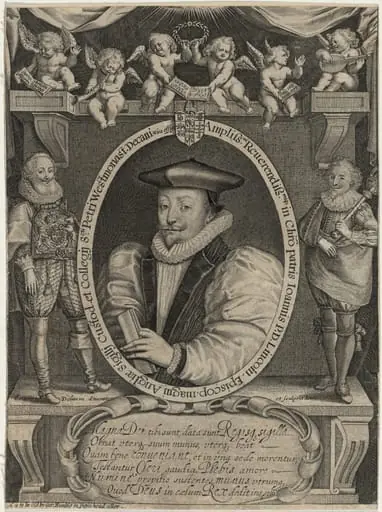 John Williams, D.D., Archbishop of York and Lord Keeper
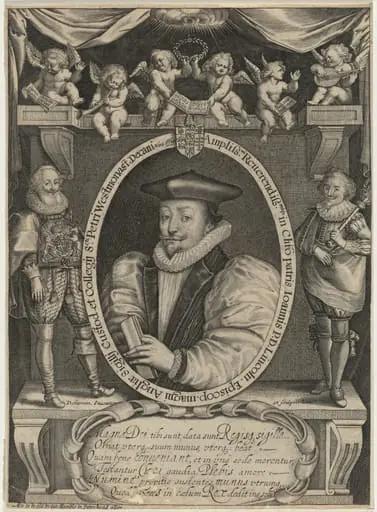 John Williams, D.D., Archbishop of York and Lord Keeper
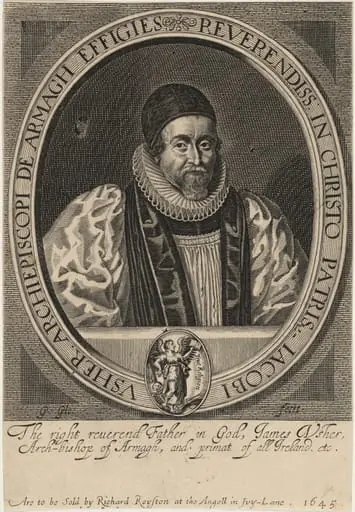 James Ussher, Archbishop of Armagh
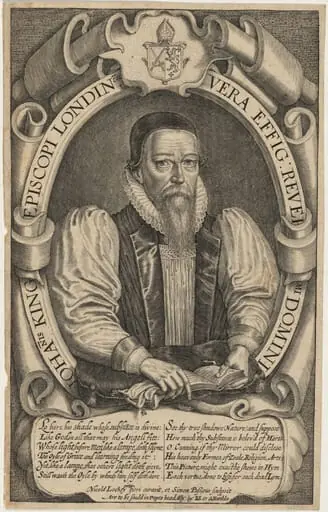 John King, Bishop of London
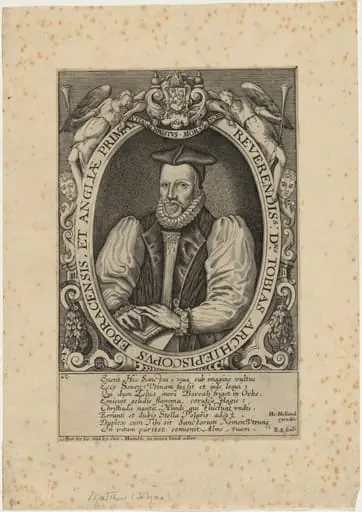 Tobias Matthew, D.D., Archbishop of York
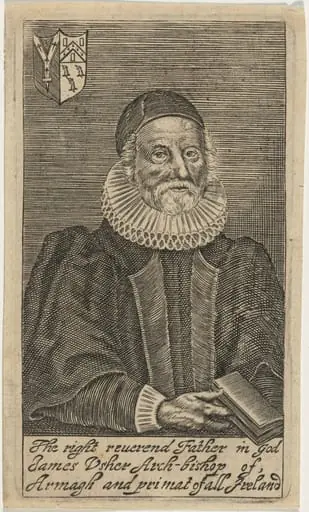 James Ussher, Archbishop of Armagh