Artwork
Mary, Queen of Scots
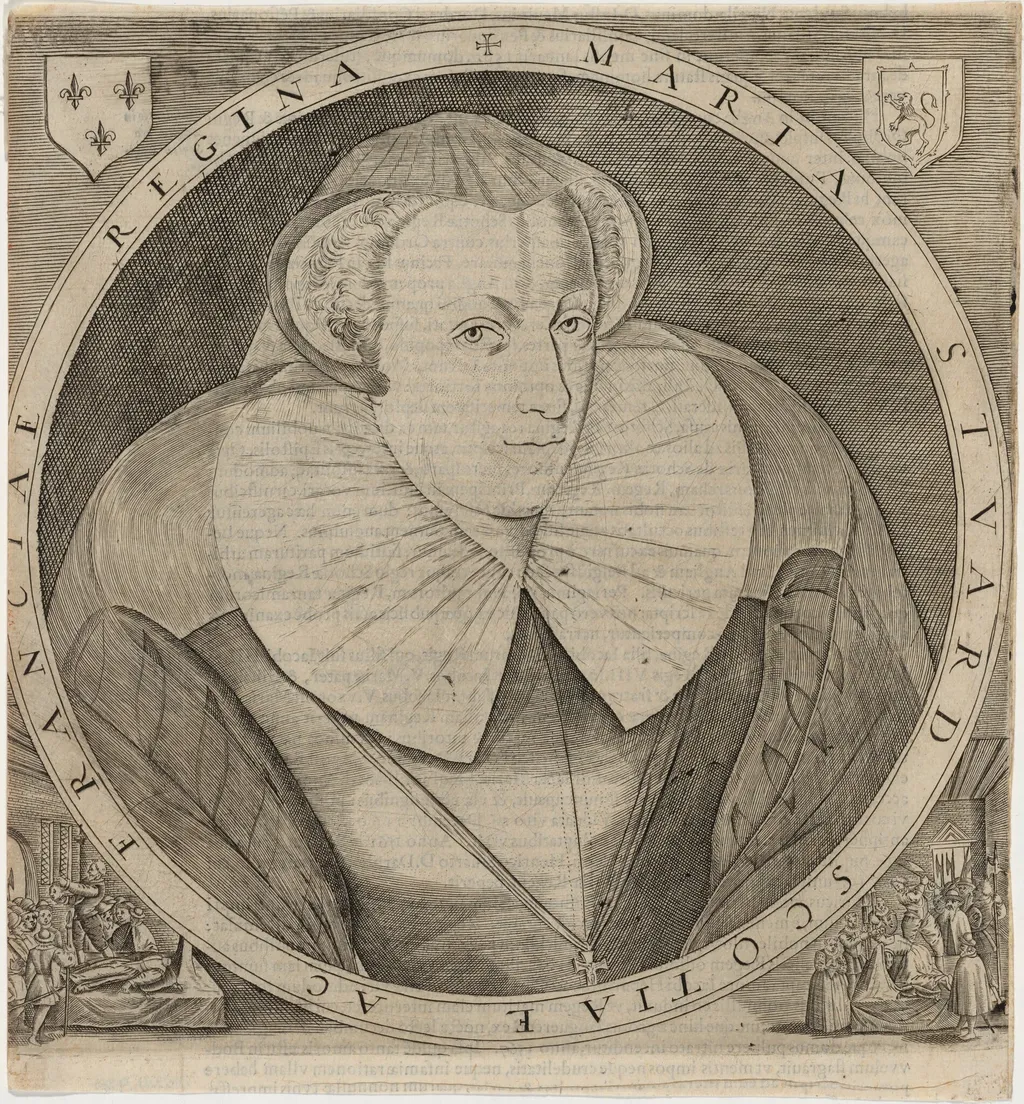
Mary, Queen of Scots is an ink print by the Romanticist artist Unknown 19th Century. It dates from 1850 and is held in the collection of the National Gallery of Art.
About this work
The artist has used a range of colors to create depth and texture in the painting, from the dark shadows on the subject's face to the lighter tones of her skin.
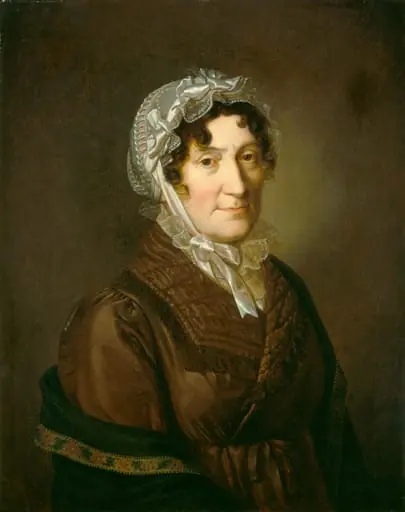
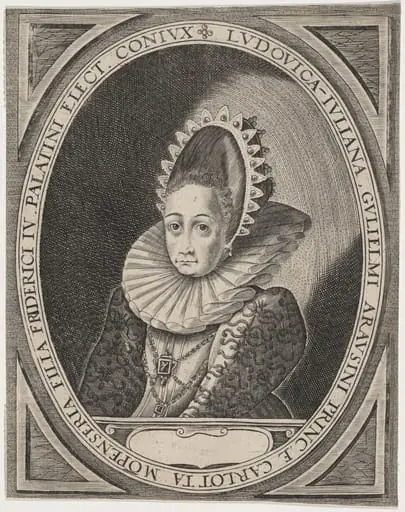
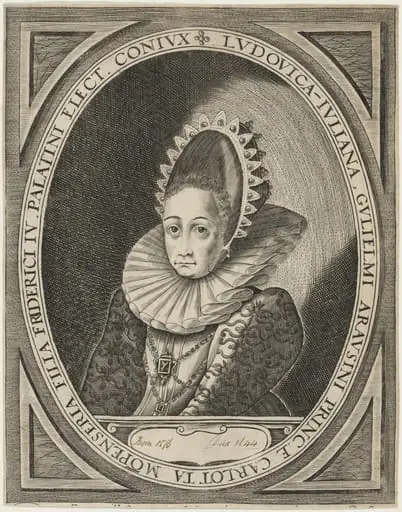
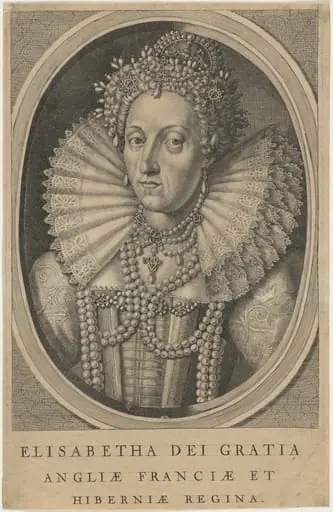
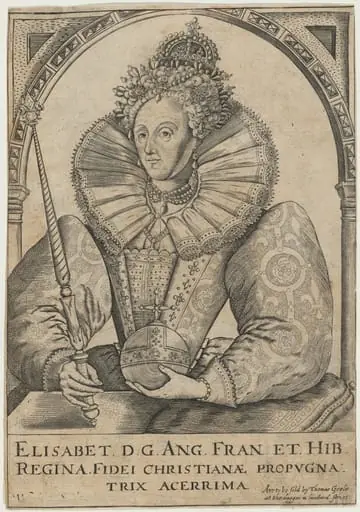
This painting depicts Mary, Queen of Scots, in a formal portrait. She is shown from the chest up, wearing a dark dress with a high neckline and a white ruff around her neck. Her hair is styled in an updo, and she wears a hat or head covering. The background of the painting is dark, which helps to highlight the subject's features.
The painting is done in a realistic style, with attention to detail in the subject's clothing and facial expression. The artist has used a range of colors to create depth and texture in the painting, from the dark shadows on the subject's face to the lighter tones of her skin.
This painting is a great example of the Romanticism movement, and you can learn more about it by exploring the artist Unknown 19th Century.
Overview
This print presents a portrait of Mary, Queen of Scots, rendered as an engraving that captures her from the shoulders upward. She is dressed in a somber, high‑necked gown complemented by a stark white ruff, and her hair is gathered in an up‑do beneath a modest head covering. A dark, unadorned backdrop isolates the figure, emphasizing her facial features and attire.
Subject & Meaning
The work focuses on the monarch’s regal bearing, conveying authority through her composed expression and formal dress. The contrast between the dark garment and the luminous ruff highlights the queen’s status, while the subdued background suggests a private, introspective moment rather than a ceremonial setting.
Technique & Style
Executed as an engraving, the image relies on fine line work to model the contours of the face and the texture of the fabrics. Varying line density creates tonal gradations, from deep shadows on the cheekbones to lighter highlights on the skin, achieving a realistic sense of depth within the limited palette of black and white ink.
History & Provenance
The print belongs to the tradition of 16th‑century portraiture that circulated among European courts, serving both as a visual record of the queen’s appearance and as a means of political communication. Specific details about its original publisher or subsequent owners remain undocumented.
Context
Portraits of Mary, Queen of Scots were common in the turbulent period of her reign, reflecting the need to assert legitimacy amid dynastic conflict. Engravings such as this could be reproduced and distributed, extending her image beyond the confines of the Scottish court.
Legacy
While not a painted masterpiece, the engraving contributes to the visual archive of Mary’s iconography, influencing later representations in both art and popular culture. Its precise rendering continues to inform scholars studying the visual language of royal portraiture in the early modern era.
Artist & collection

Artist