Artwork
Louise Juliana, Wife of Frederick IV
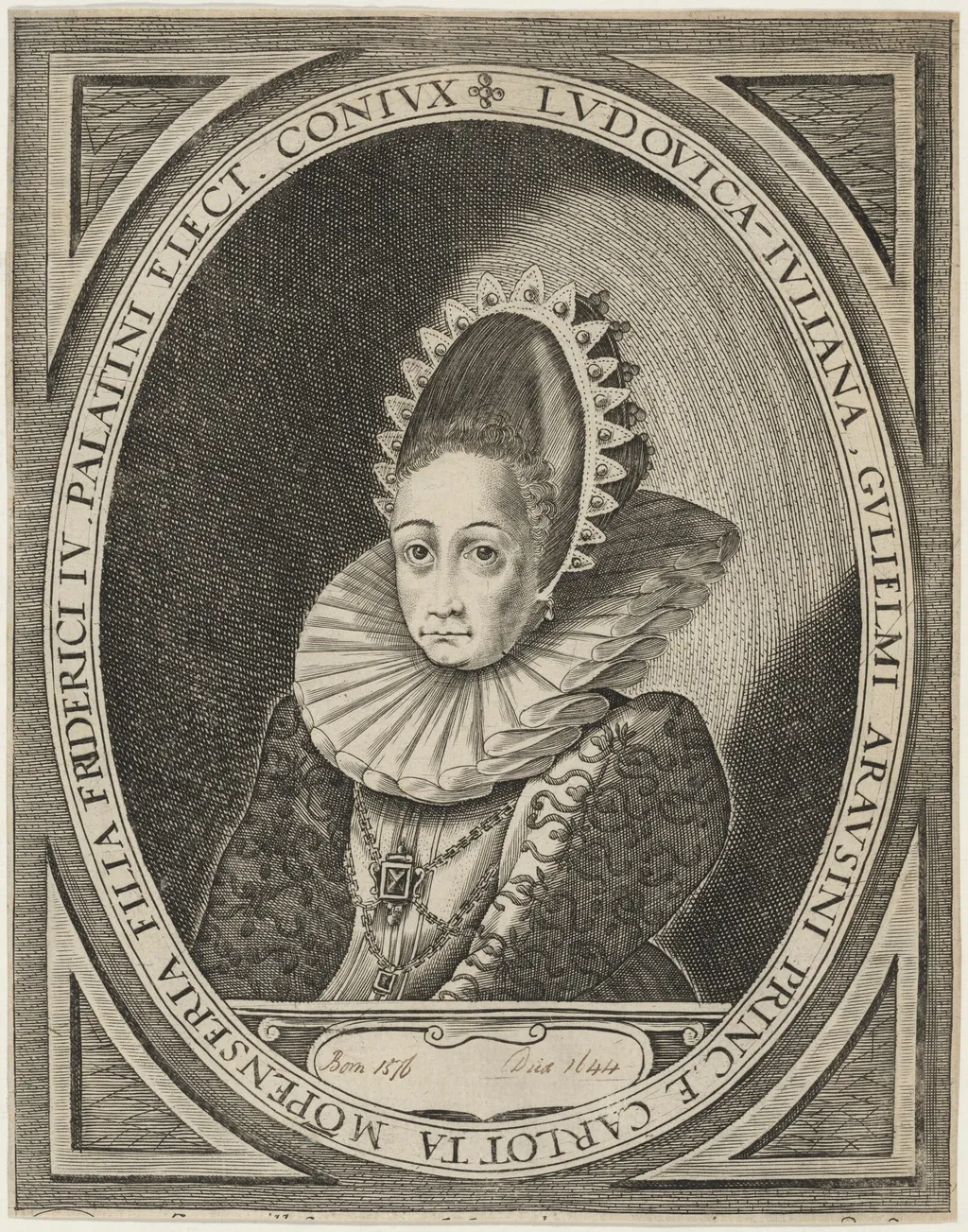
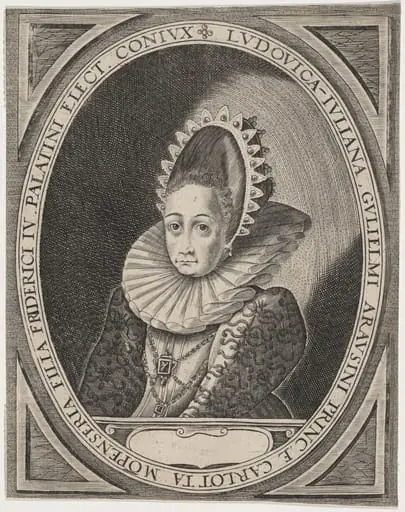
Louise Juliana, Wife of Frederick IV is an ink print by the Romanticist artist Unknown 19th Century. It dates from 1850 and is held in the collection of the National Gallery of Art. The print is a black‑and‑white engraving portraying a woman in elaborate attire.
About this work
If you like this style, look up engraving to see how artists create detailed images like this with just lines.
This is a black-and-white portrait of a woman with a large, fancy collar and a tall, ruffled hat. She’s holding a fan and looks straight ahead with a calm expression. The background is plain, but her clothes are detailed—lots of lace and jewelry.
The border has text in Latin and notes her birth and death years: 1579–1644. This suggests she was someone important, but the artist is unknown.
If you like this style, look up engraving to see how artists create detailed images like this with just lines.
Overview
The print is a black‑and‑white engraving portraying a woman in elaborate attire. She wears a high, ruffled headdress and a large, ornate collar, holds a fan, and gazes directly forward with a composed expression. The background is unadorned, allowing the intricate detailing of lace, jewelry, and fabric to dominate the composition.
Subject & Meaning
The sitter is identified as Louise Juliana, wife of Frederick IV, whose lifespan is recorded as 1579–1644. The formal pose, luxurious dress, and inclusion of a fan suggest a representation of status and refinement typical of aristocratic portraiture in the early modern period, emphasizing her social rank and personal demeanor.
Technique & Style
Executed as an engraving, the image relies on a network of incised lines to render texture, shading, and ornamental detail. The artist achieves depth through cross‑hatching and varying line density, particularly in the lace collar and the folds of the headdress, demonstrating the precision characteristic of printmaking before the advent of tonal washes.
History & Provenance
The work bears a Latin inscription framing the portrait, providing the sitter’s birth and death dates. While the creator remains unidentified, the inclusion of such biographical data indicates the print was likely intended for a courtly or familial audience, serving as a commemorative image of Louise Juliana.
Artist & collection

Artist

 Louise Juliana, Wife of Frederick IV
 Louise Juliana of Nassau, Electress Palatine
 Louise de Lorraine, Wife of Henry III
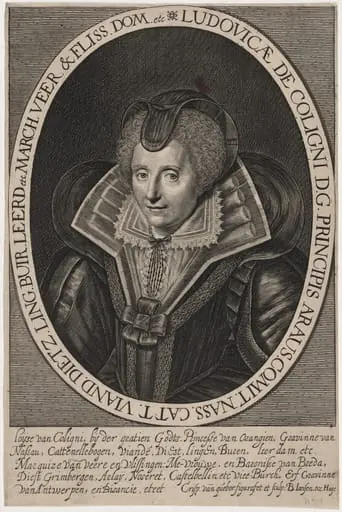 Louise de Coligny, Fourth Wife of William I of Orange
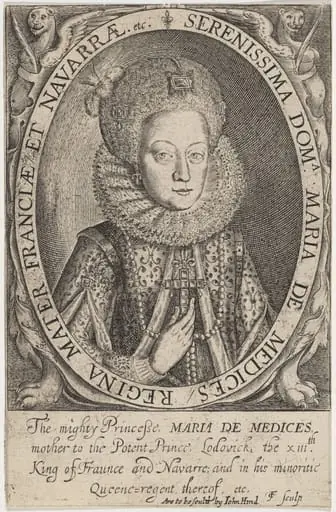 Marie de Medici, Wife of Henry IV of France
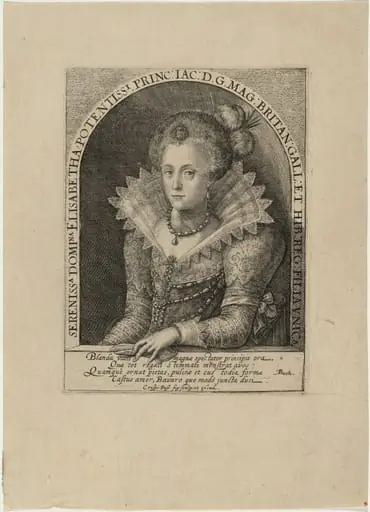 Elizabeth, Princess, Wife of the Elector Palatine Frederick V, King of Bohemia
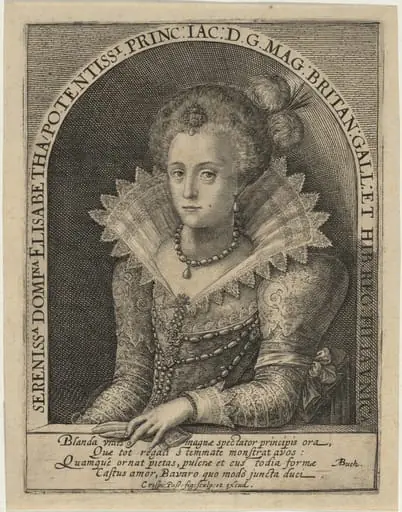 Elizabeth, Princess, Wife of the Elector Palatine Frederick V, King of Bohemia