Artwork
Maurice, Prince of Orange
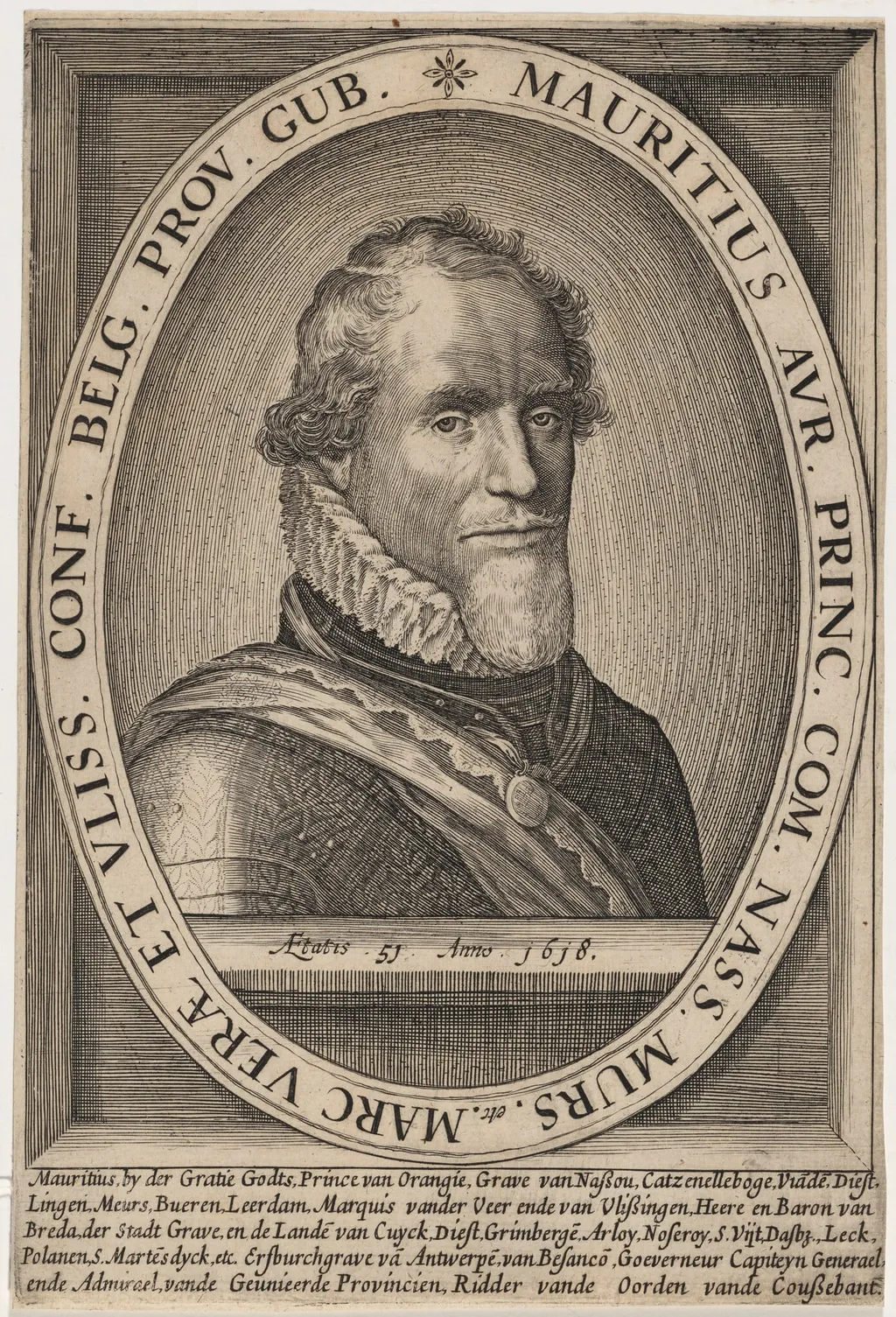
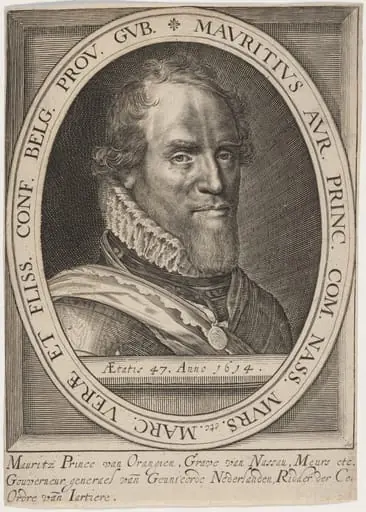
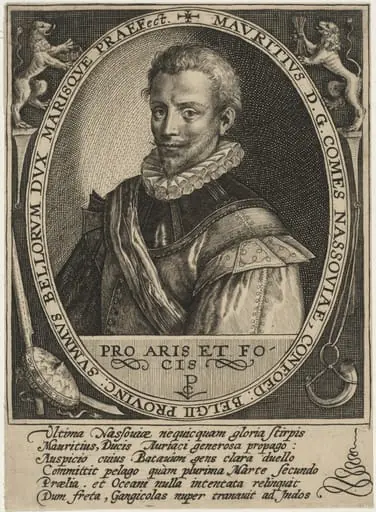
Maurice, Prince of Orange is an ink print by the Baroque artist Unknown 19th Century. It dates from 1618 and is held in the collection of the National Gallery of Art.
About this work
Overview
The plain background focuses attention entirely on the figure, typical of early 17th-century portrait prints intended for dissemination among elites.
This engraving portrays Maurice, Prince of Orange, a key military and political leader in the Dutch Revolt. Executed in fine detail with cross-hatching, the portrait emphasizes texture and depth through controlled line work. The subject is framed within an oval border, surrounded by inscriptive text identifying him and his title. The plain background focuses attention entirely on the figure, typical of early 17th-century portrait prints intended for dissemination among elites.
Subject & Meaning
Maurice of Nassau, stadtholder of the Dutch Republic, is depicted in formal attire: a dark jacket with a high collar and a prominent medal, symbols of his authority and military distinction. His direct gaze and composed expression convey leadership and resolve. The inclusion of his title and name in the border reinforces the print’s function as a public image, meant to affirm his status and legitimacy during a time of political upheaval and nation-building.
Technique & Style
The portrait is rendered in a meticulous engraving technique, using fine, intersecting lines to model form and shadow. Cross-hatching builds tonal gradations without relying on tone or wash, characteristic of Northern European printmaking traditions. The precision of the lines suggests a skilled artisan working from a painted prototype, likely intended for reproduction and wide circulation among educated and aristocratic audiences.
History & Provenance
Created in the early 1600s, this engraving likely originated from a workshop in the Dutch Republic or neighboring regions known for portrait prints. Such images were commonly commissioned to honor state figures and circulated as political tools. While the specific engraver remains unidentified, the style aligns with contemporaneous work by artists like Simon de Vos or Hendrick Goltzius, whose prints were widely distributed across Europe.
Context
During Maurice’s leadership, the Dutch Republic was consolidating its independence from Spain. Portraits like this served as visual propaganda, reinforcing his role as a capable commander and unifying symbol. Engravings were ideal for this purpose: inexpensive to produce, easily transportable, and capable of reaching a broad audience beyond the court, helping to shape public perception during a formative period in Dutch history.
Legacy
This engraving contributes to a broader visual record of early modern leadership in the Netherlands. Though not widely known today, such prints were instrumental in constructing the public image of political figures during the Republic’s rise. They reflect the growing importance of print media in shaping political identity and remain valuable artifacts for understanding how authority was visually communicated in the 17th century.
Artist & collection

Artist

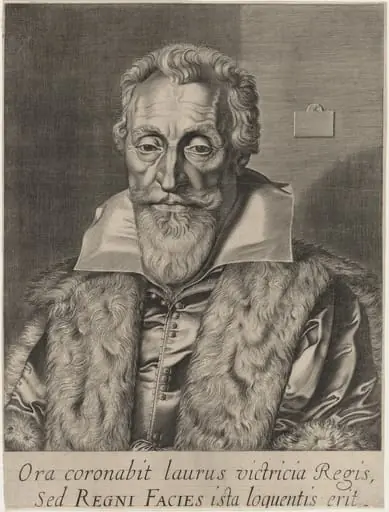
 Maurice, Prince of Orange
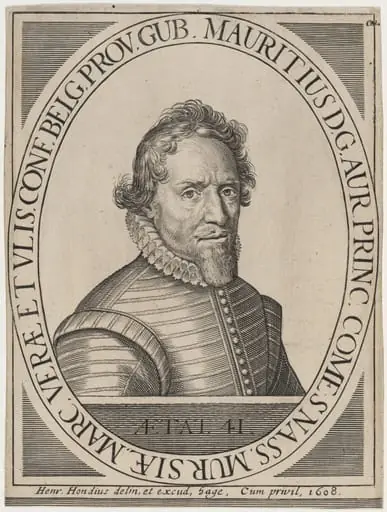 Maurice, Prince of Orange
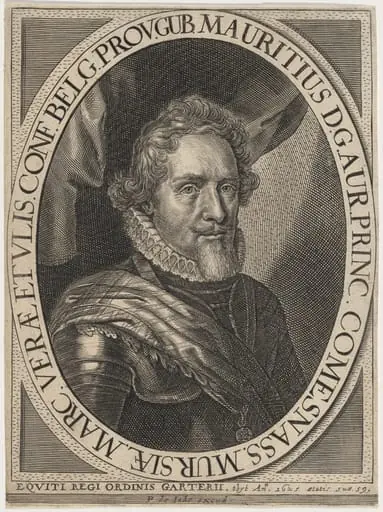 Maurice of Nassau, Prince of Orange
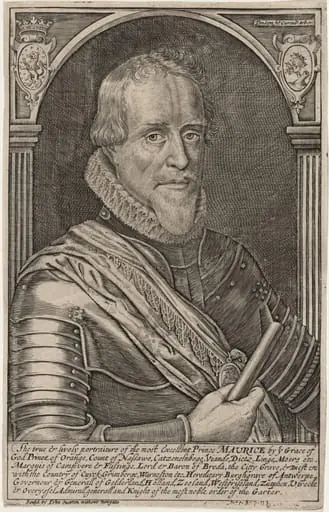 Maurice, Prince of Orange
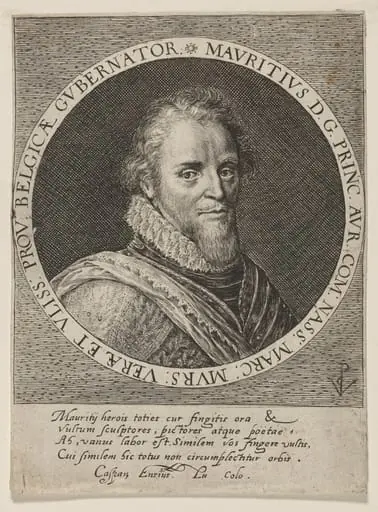 Maurice of Nassau, Prince of Orange
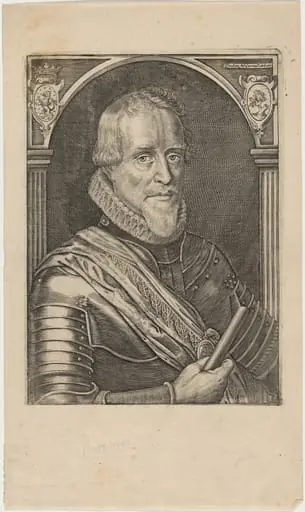 Maurice, Prince of Orange
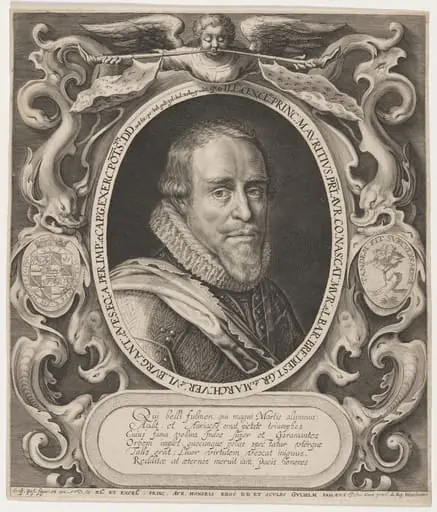 Maurice of Nassau, Prince of Orange
 Maurice of Nassau, Prince of Orange
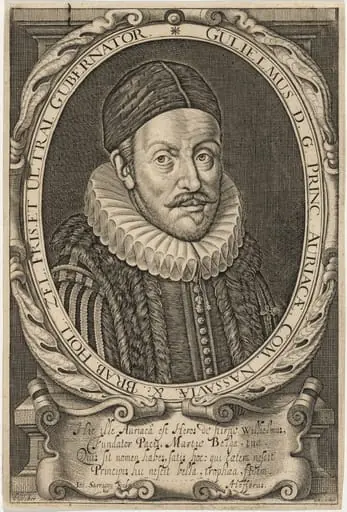 William I, Prince of Orange
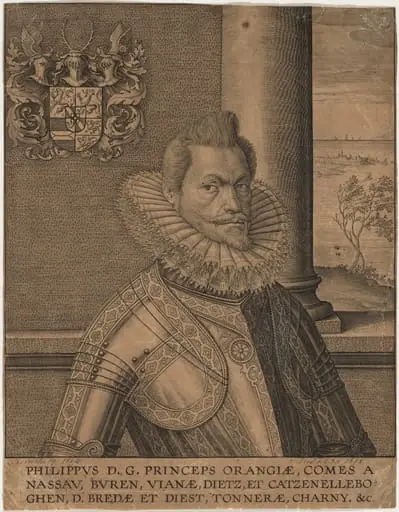 Philip William, Prince of Orange
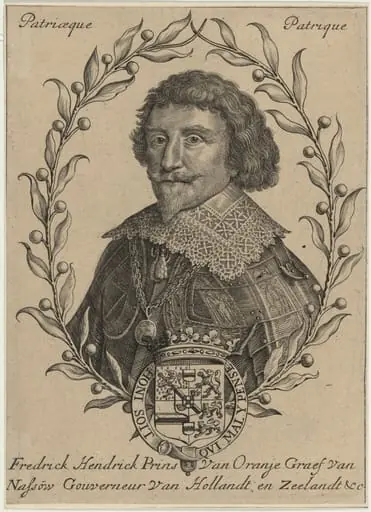 Frederick Henry, Prince of Orange