Artwork
Maurice of Nassau, Prince of Orange
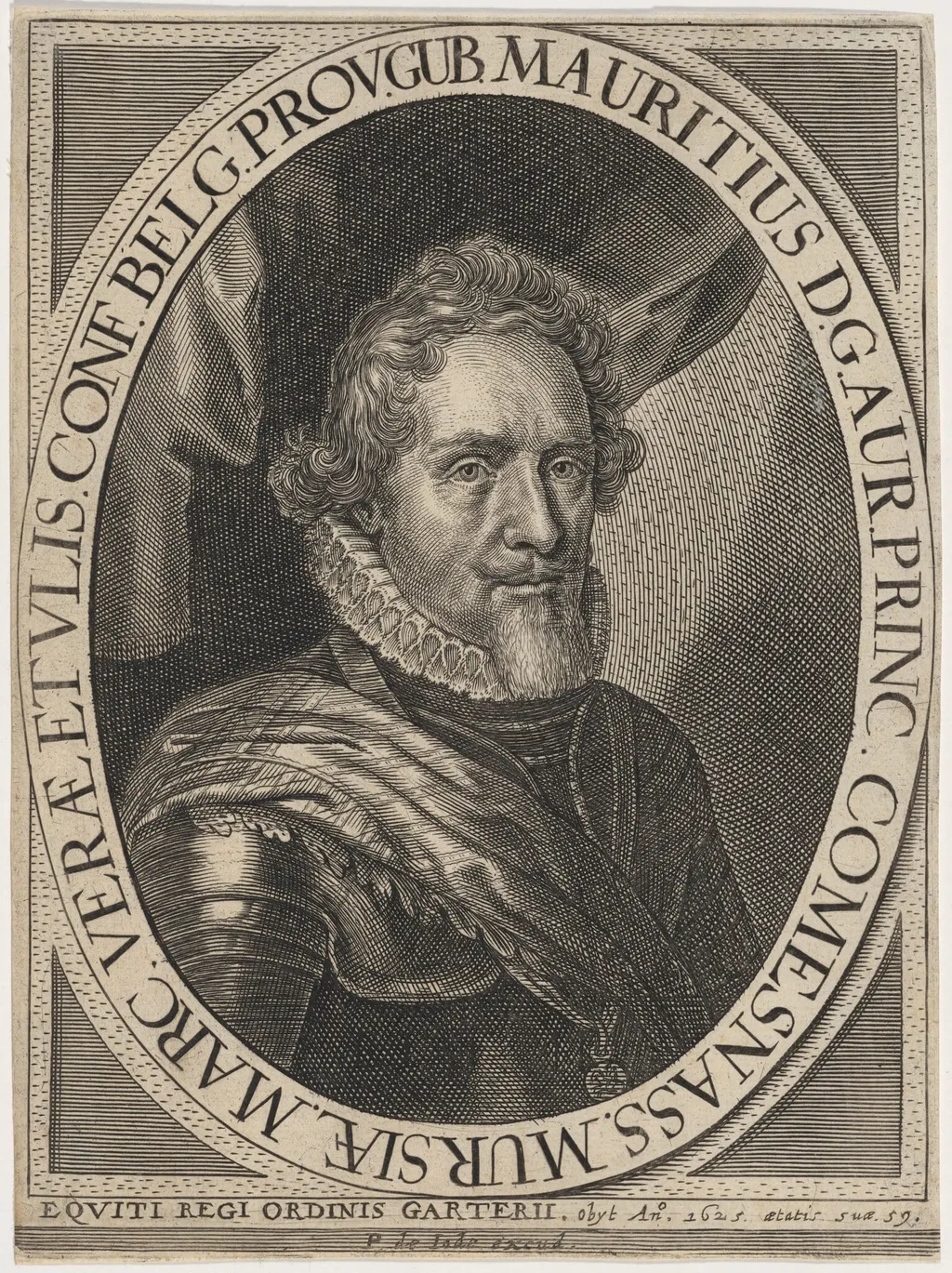
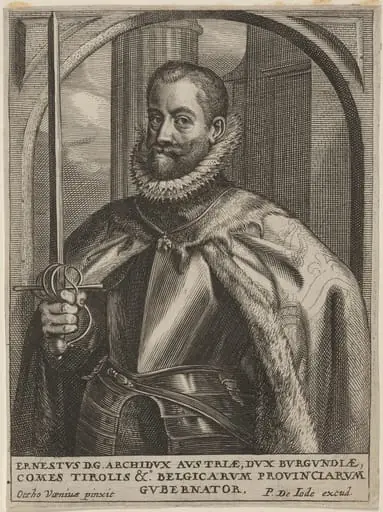
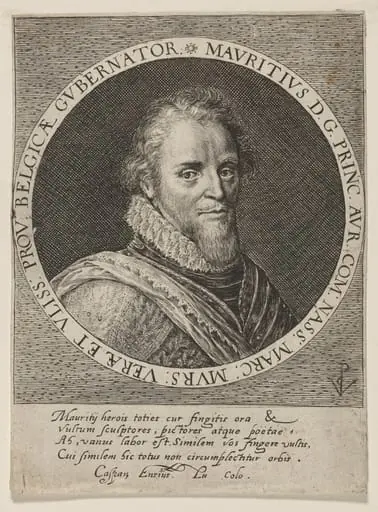
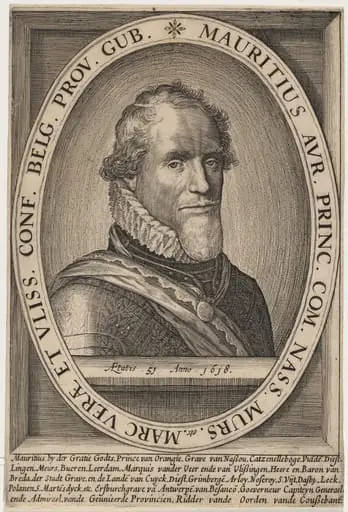
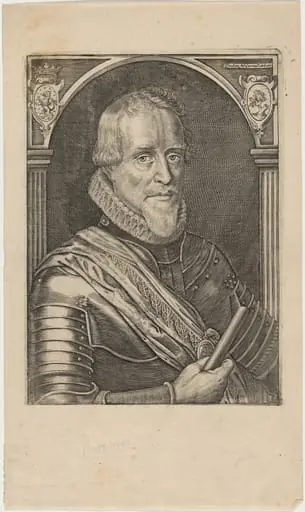
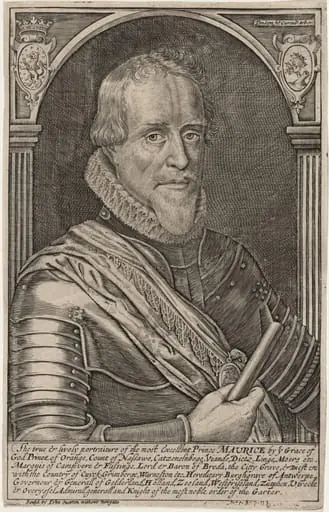
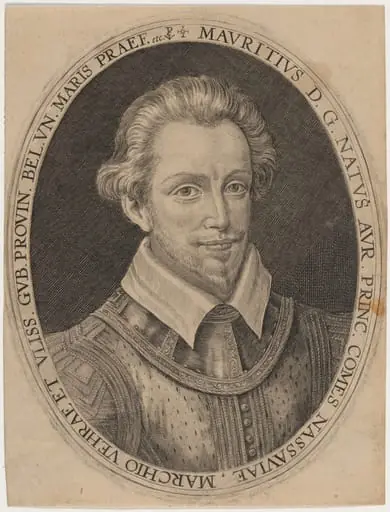
Maurice of Nassau, Prince of Orange is an ink print by the Baroque artist Pieter de Jode II. It dates from 1641 and is held in the collection of the National Gallery of Art.
About this work
Overview
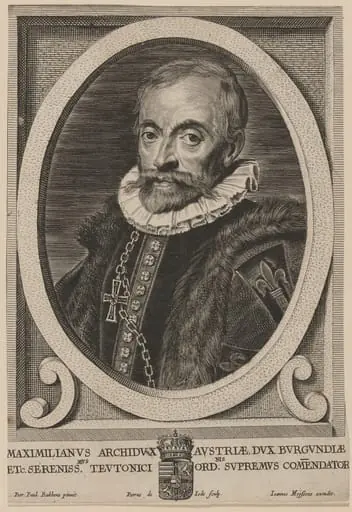
The composition is enclosed within a circular border inscribed with Latin text, a common convention for commemorative prints of the period.
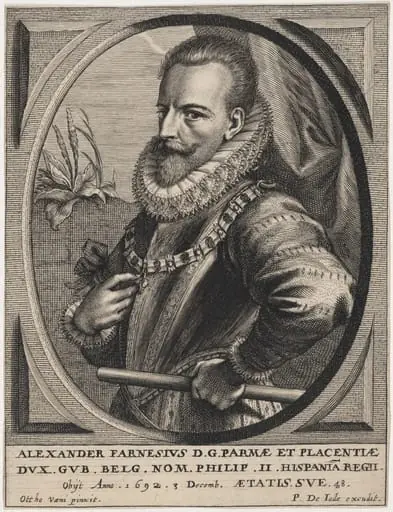
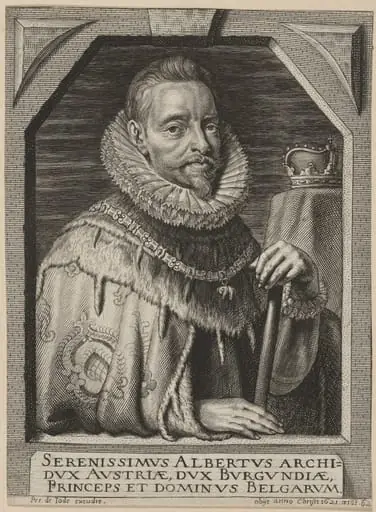
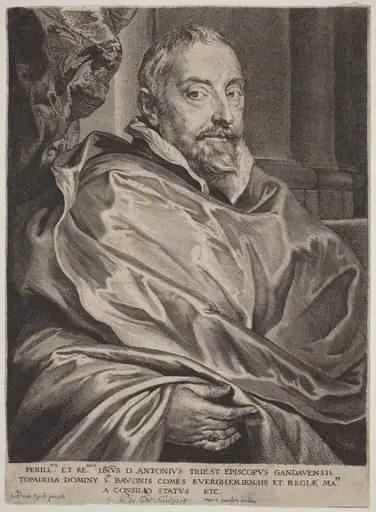
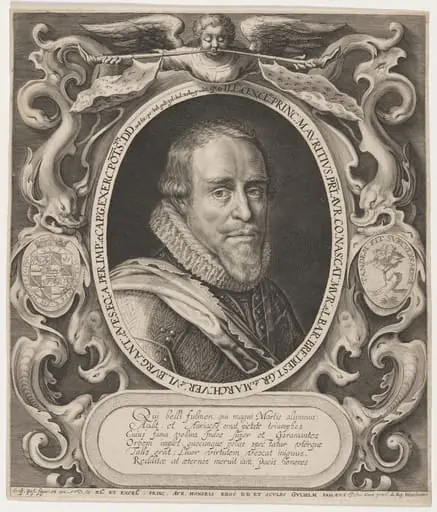
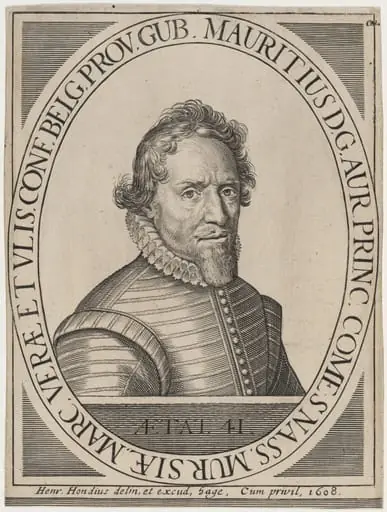
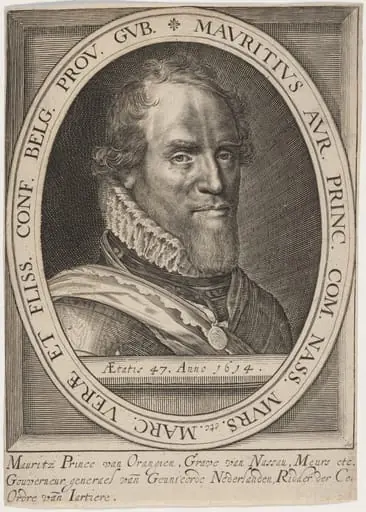
This 1641 engraving by Pieter de Jode II depicts Maurice of Nassau, Prince of Orange, in a formal portrait. Rendered in monochrome, the image relies on fine linear techniques to convey texture and volume. The composition is enclosed within a circular border inscribed with Latin text, a common convention for commemorative prints of the period. The work exemplifies the precision and detail characteristic of 17th-century Northern European printmaking.
Subject & Meaning
Maurice of Nassau, a key military and political leader of the Dutch Republic, is portrayed with solemn authority. His full beard and curled hair reflect contemporary ideals of mature leadership, while his hands rest on what appears to be armor or rich fabric, signaling his dual role as commander and statesman. The Latin inscription likely honors his titles or achievements, reinforcing the portrait’s function as a public statement of legitimacy and virtue.
Technique & Style
The portrait employs cross-hatching—layered sets of fine, intersecting lines—to model form and suggest light falling across the face and clothing. This method creates subtle gradations of tone without using wash or tone, relying entirely on the density and direction of ink lines. The meticulous execution reveals the engraver’s skill in translating three-dimensional presence into flat, black-and-white imagery, typical of high-quality reproductive prints of the era.
History & Provenance
Created in 1641, the engraving was likely produced to circulate Maurice’s image among political and military circles after his death in 1625. Pieter de Jode II, a Flemish printmaker active in Antwerp and The Hague, specialized in reproducing portraits of European elites. This print may have been commissioned by his family or allies to preserve his legacy, aligning with broader trends of using prints for political commemoration in the Dutch Republic.
Context
During the mid-17th century, engraved portraits served as tools of political memory and identity in the Dutch Republic. With limited access to paintings, prints like this one allowed broader dissemination of leaders’ likenesses. Maurice, instrumental in securing Dutch independence, remained a potent symbol of stability. Such images reinforced civic pride and continuity amid ongoing conflicts and shifting alliances.
Legacy
The engraving endures as a representative example of how portraiture functioned in early modern political culture. Its technical refinement and formal restraint reflect the values of the Dutch elite: discipline, sobriety, and public service. While not widely known today, it remains a documented artifact in museum and library collections, offering insight into the visual language of leadership in the Dutch Golden Age.
Artist & collection