Artwork
Princess Henriette Catharine of Orange
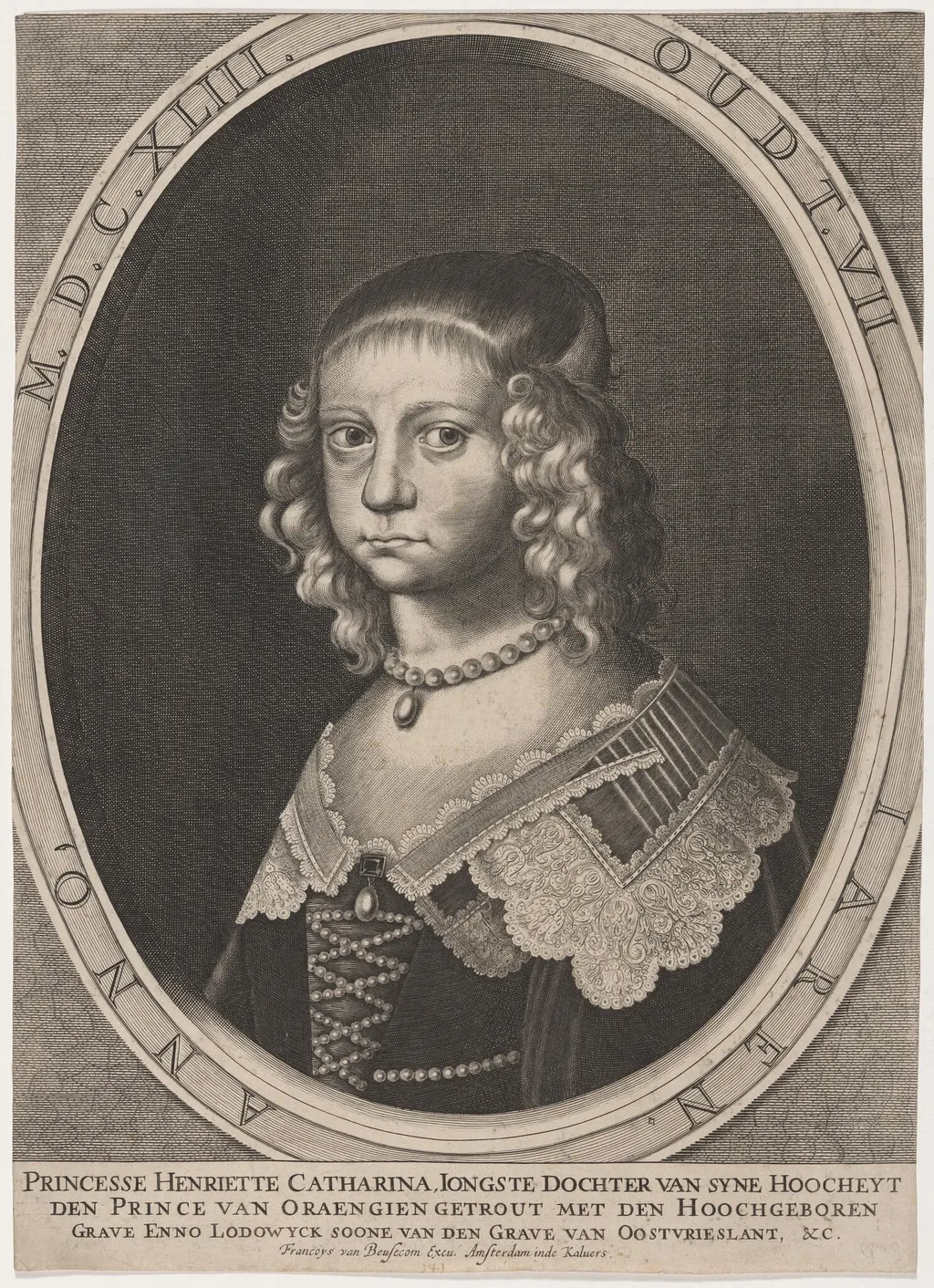
Princess Henriette Catharine of Orange is an ink print by the Baroque artist Unknown 19th Century. It dates from 1643 and is held in the collection of the National Gallery of Art.
About this work
Overview
This engraving depicts Princess Henriette Catharine of Orange as a young child, rendered in fine linear detail typical of 17th-century printmaking.
This engraving depicts Princess Henriette Catharine of Orange as a young child, rendered in fine linear detail typical of 17th-century printmaking. The composition isolates her against a deep, unmodulated background, emphasizing her figure through contrast. Her attire and adornments suggest noble status, while the direct gaze and composed posture convey a sense of solemnity appropriate to royal portraiture of the era.
Subject & Meaning
The princess is portrayed not as a child at play, but as a future member of the House of Orange, her dignity and lineage underscored by formal dress and restrained expression. The pearl necklace and lace trim signify wealth and social position, while her steady gaze invites the viewer to acknowledge her identity and inherited role. The image functions as a statement of dynastic continuity rather than personal intimacy.
Technique & Style
Executed as an engraving, the work relies on precise incised lines to render texture—delicate lace, soft curls, and the sheen of pearls. The Baroque influence appears in the strong chiaroscuro and attention to material detail, though the medium limits tonal gradation. The dark background enhances the three-dimensionality of her form, focusing attention on facial features and ornamentation without narrative distraction.
History & Provenance
Created during the mid-17th century, the engraving likely served as a reproductive image for courtly circulation, disseminating the princess’s likeness among diplomatic and aristocratic circles. As the daughter of Frederick Henry, Prince of Orange, her image would have held political significance. Original prints may have been commissioned by the court or produced by engravers working under royal patronage.
Context
In the Dutch Republic, portraiture of noble children often emphasized lineage and moral seriousness over childhood frivolity. Baroque conventions, though rooted in Catholic Europe, were adapted by Protestant elites to project authority through restraint. This image aligns with broader trends in Dutch and German print culture, where engraved portraits functioned as both personal mementos and instruments of political visibility.
Legacy
The engraving contributes to a corpus of early modern royal portraiture that shaped perceptions of dynastic identity. While not widely known today, it reflects the role of print in sustaining the visibility of minor nobility during a period of shifting political power. Its preservation offers insight into how childhood, gender, and status were visually negotiated in early modern Europe.
Artist & collection

Artist

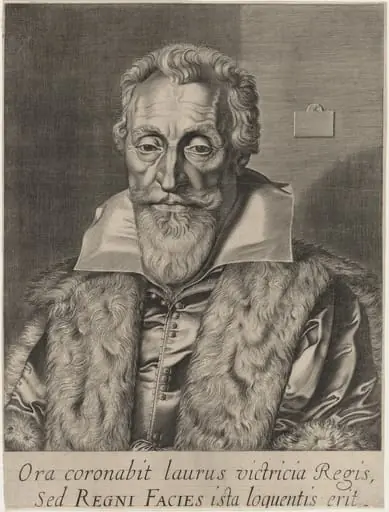
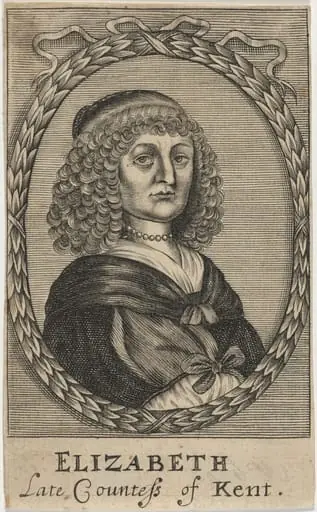 Elizabeth Talbot, Countess of Kent, Authoress
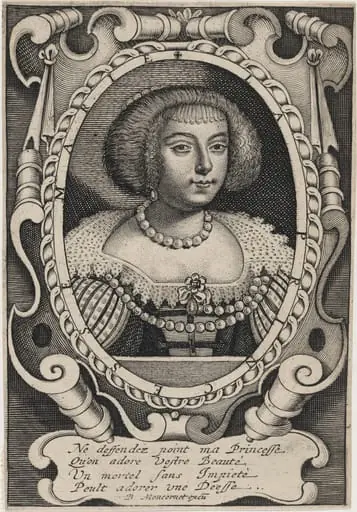 Henrietta Maria, Queen of Charles I
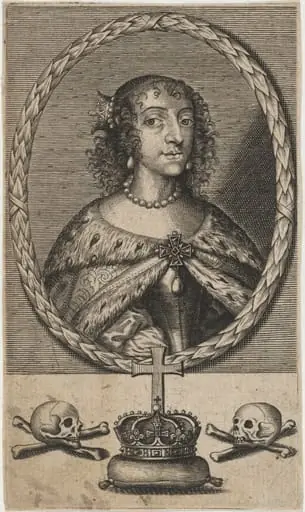 Henrietta Maria
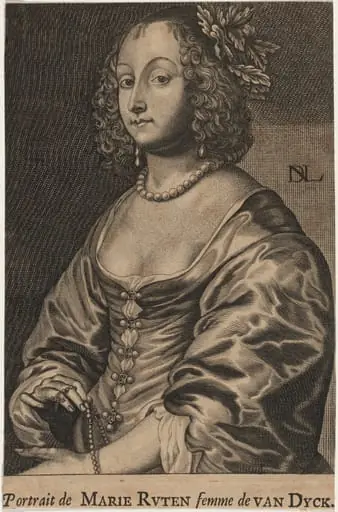 Lady Mary Ruthven, Wife of A. Van Dyck
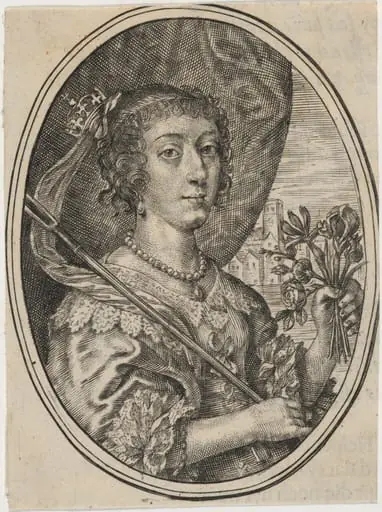 Henrietta Maria (?)
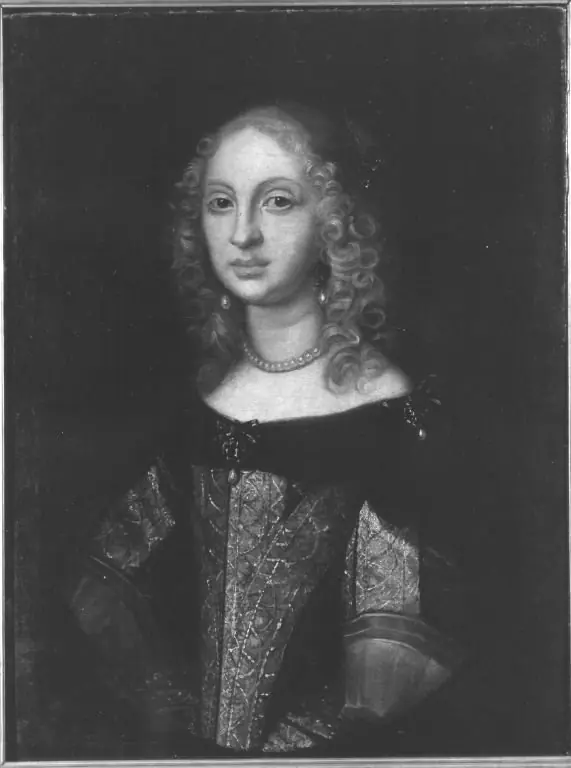 Portrait de Landgrave Elisabeth Amalie de Hesse,
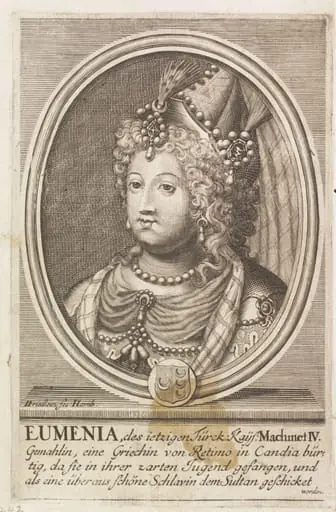 Turkish sultans, sultanas and other historical figures
 Marguerite Lemon
 Anne of Austria, Queen of France and Navarre
 Isabella d'Este