Artwork
Turkish sultans, sultanas and other historical figures
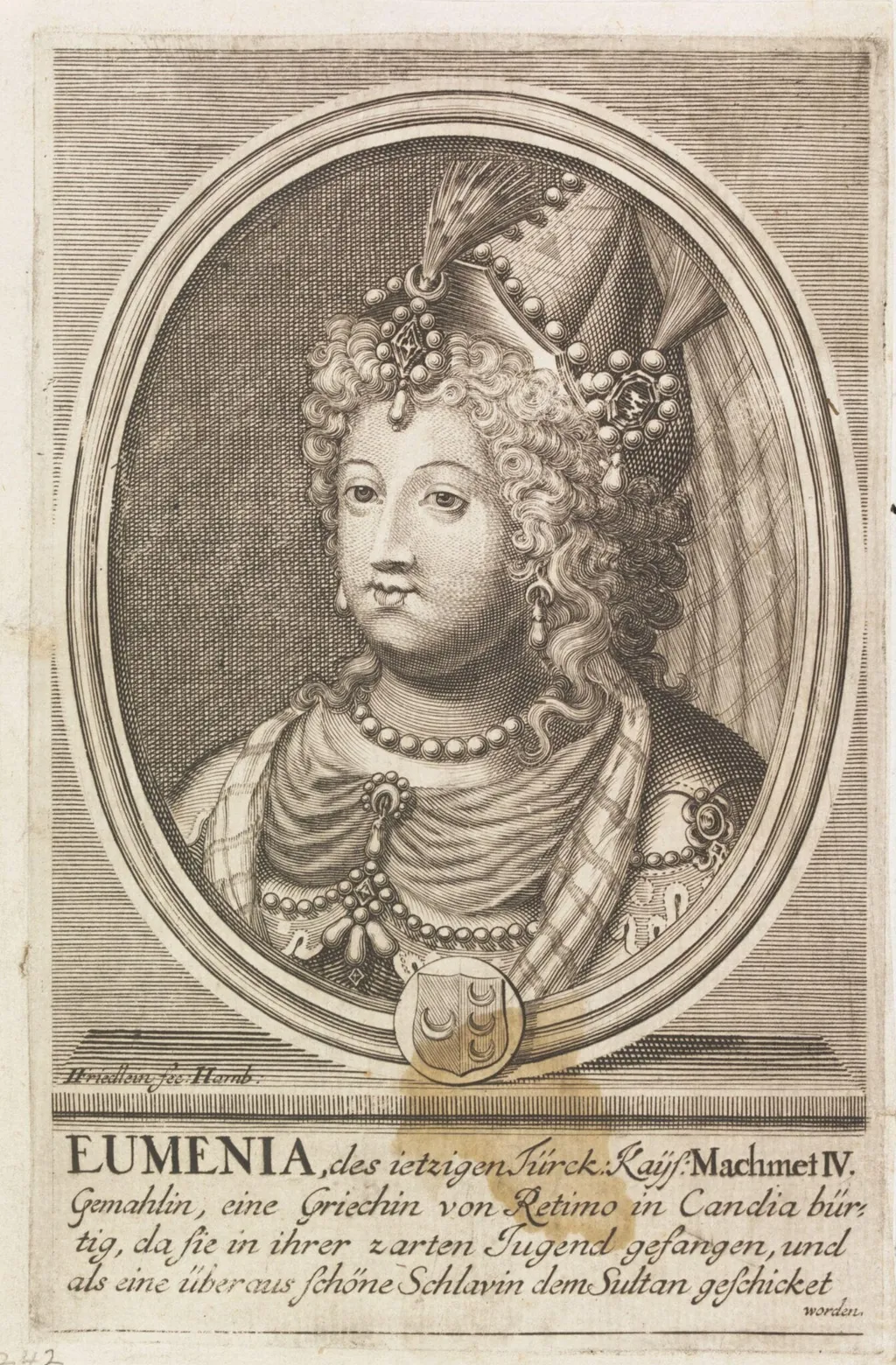
Turkish sultans, sultanas and other historical figures is a print by Friedlein. It dates from 1650 and is held in the collection of the Victoria and Albert Museum.
About this work
Overview
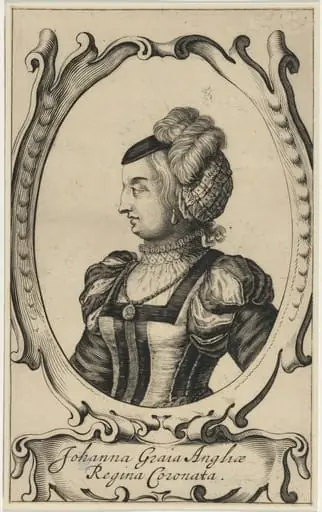
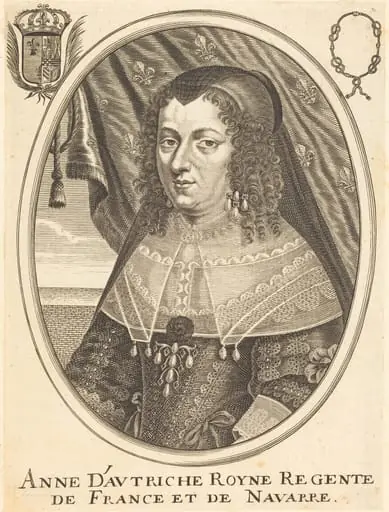
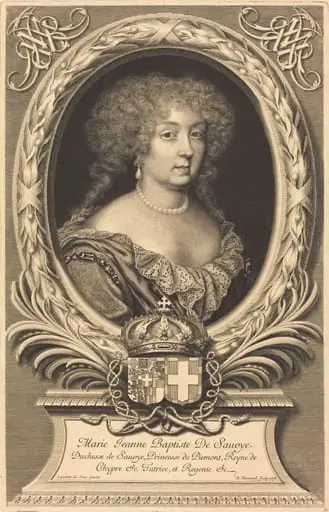
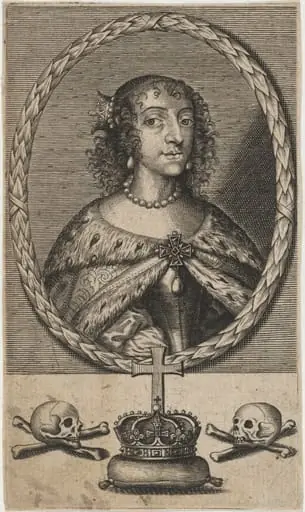
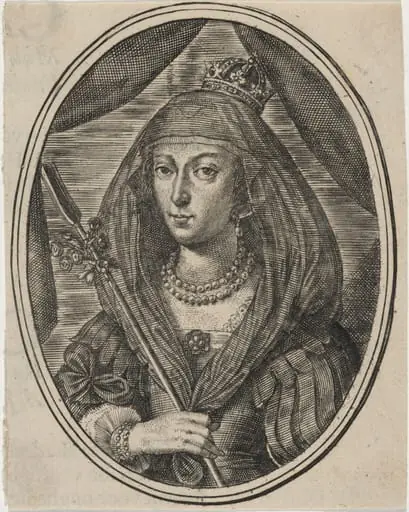
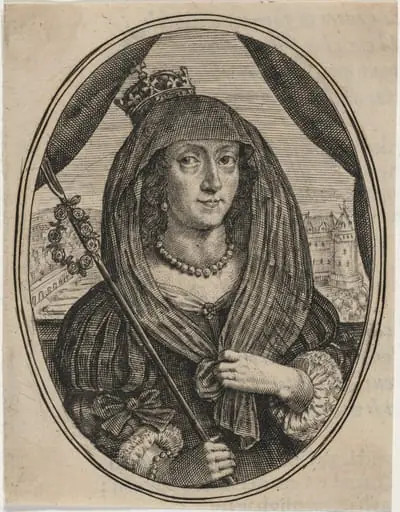
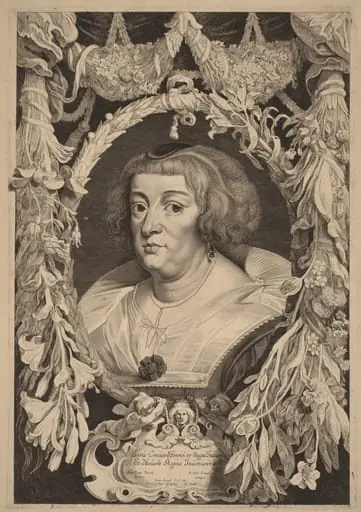
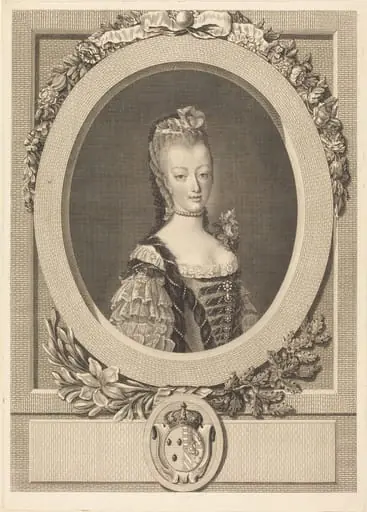
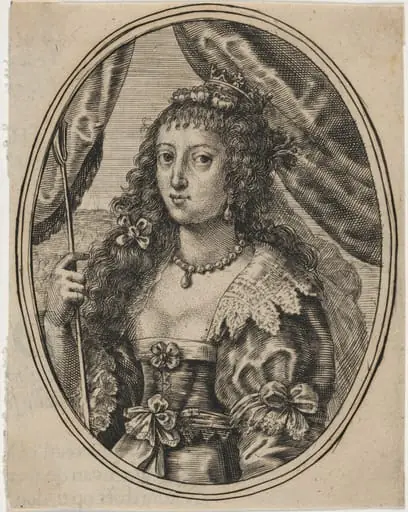
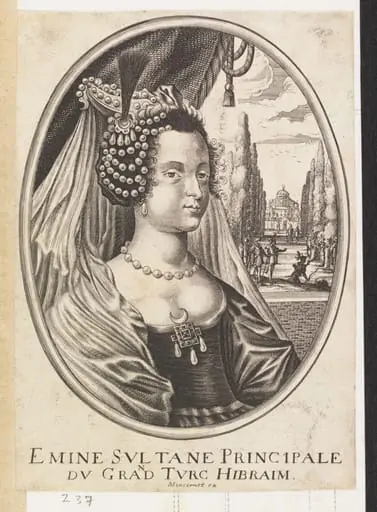
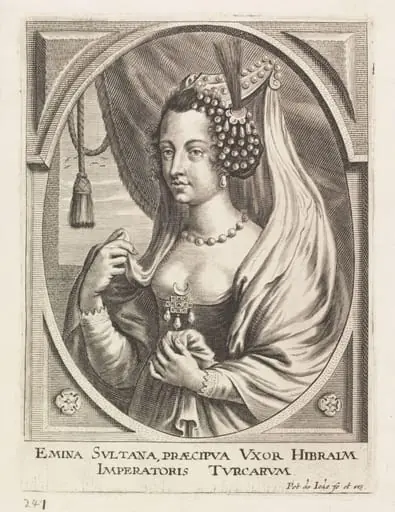
A 17th-century print by Friedlein portrays a selection of Ottoman court figures, including sultans and sultanas, rendered in a stylized portraiture tradition.
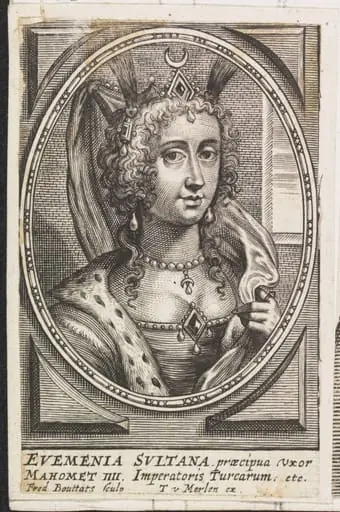
A 17th-century print by Friedlein portrays a selection of Ottoman court figures, including sultans and sultanas, rendered in a stylized portraiture tradition. The composition combines engraved line work with textual labels to identify each subject. This particular example focuses on a woman named Eumenia, depicted with ornate adornments and framed within a circular border, suggesting her status within the imperial household.
Subject & Meaning
The figure identified as Eumenia is presented with symbolic indicators of rank: a curled wig, a feathered headdress, a pearl necklace, and a pendant locket. These elements signal her proximity to Ottoman power, though her exact role remains unspecified. The inscription links her to a sultan, implying a connection through marriage, service, or courtly association. The plain background directs focus entirely to her identity and attire.
Technique & Style
Friedlein employed fine engraving to render intricate textile patterns on Eumenia’s garments, contrasting with the minimal background. Facial features are rendered with soft, controlled lines, while the wig and jewelry are detailed to emphasize luxury. The circular frame around her face echoes Renaissance portrait conventions, adapting them to a European interpretation of Ottoman elite figures, blending observation with artistic convention.
History & Provenance
Created around 1650 by the German engraver Friedlein, the print likely originated in a broader series of Orientalist portraits circulated in Central Europe. Such images catered to European curiosity about the Ottoman court, often mixing factual detail with imaginative embellishment. The print’s survival suggests it was collected or displayed in private or scholarly circles interested in foreign courts and exoticized portraiture.
Context
In mid-17th-century Europe, depictions of Ottoman figures were popular among printmakers and collectors, fueled by diplomatic exchanges and travel accounts. Friedlein’s work reflects a trend of translating foreign elites into familiar visual languages—European dress codes, framing devices, and heraldic labeling—while retaining enough exotic detail to satisfy fascination with the Islamic world’s perceived opulence and mystery.
Legacy
Friedlein’s prints contributed to the European visual lexicon of the Ottoman court, influencing later depictions in books and decorative arts. Though not historically precise, they shaped perceptions of Turkish royalty for generations. The persistence of such imagery underscores how print culture mediated cross-cultural understanding—often through stylization rather than accuracy—during an era of growing global awareness.
Artist & collection
Artist
Friedlein made prints of people in the late 1600s, mainly showing sultans, sultanas and other historical figures from that time.