Artwork
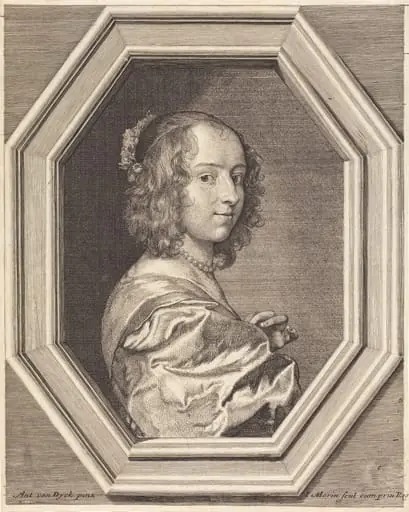
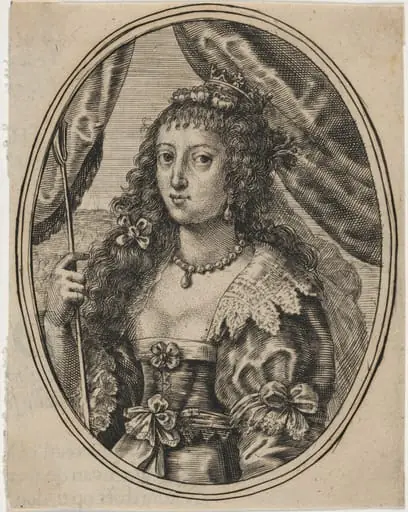
Lady Mary Ruthven, Wife of A. Van Dyck
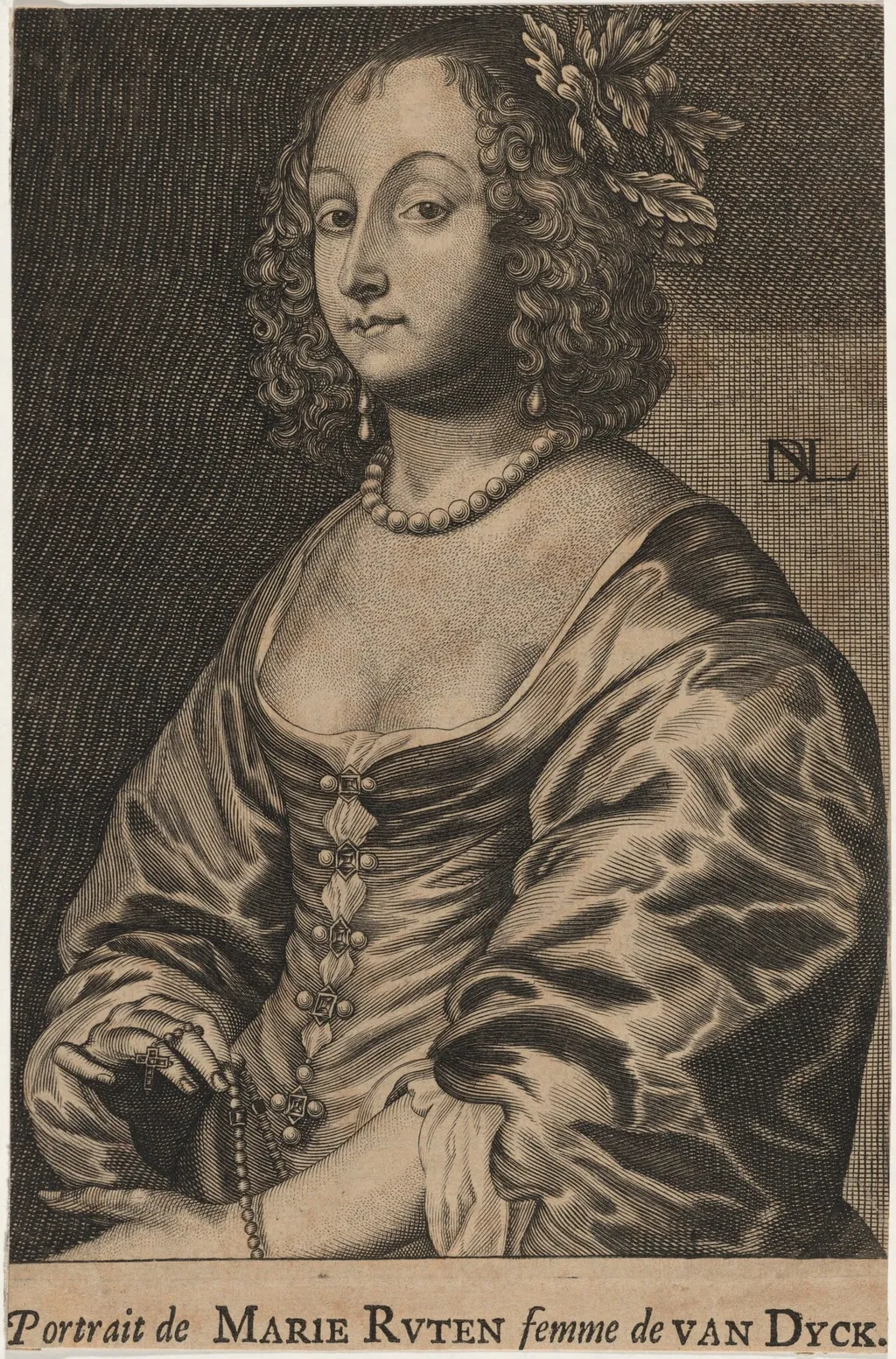
Lady Mary Ruthven, Wife of A. Van Dyck is an ink print by the Baroque artist Nicolas de Larmessin IV. It dates from 1720 and is held in the collection of the National Gallery of Art.
About this work
Overview
Nicolas de Larmessin IV produced this 1720 engraving portraying Lady Mary Ruthven, identified as the spouse of A. Van Dyck. Executed in black and white, the image presents a solitary figure against an unadorned backdrop, directing the viewer’s focus to the sitter’s features and attire.
Subject & Meaning
The portrait depicts a woman with tightly curled hair, a pearl necklace, and a high‑necked dress trimmed with ruffled cuffs. She holds a fan in one hand and meets the viewer with a composed, steady gaze, suggesting poise and social standing typical of early‑18th‑century aristocratic portraiture.
Technique & Style
Larmessin employed the engraving process, incising fine lines into a copper plate to render tonal variation. Delicate hatching creates shadows and texture on the dress and hair, while the crisp, controlled strokes give the image a clear sense of depth despite the monochrome medium.
History & Provenance
Created in 1720, the print reflects the continued popularity of engraved portraiture after the decline of painted miniatures. The work is attributed to the fourth Nicolas de Larmessin, a French engraver known for reproducing fashionable portraits for a growing market of collectors.
Context
In the early 1700s, engravings served as a primary means of disseminating likenesses of the elite before photography. Such prints allowed families to circulate images of their members and enabled a broader audience to access representations of fashionable society.
Artist & collection


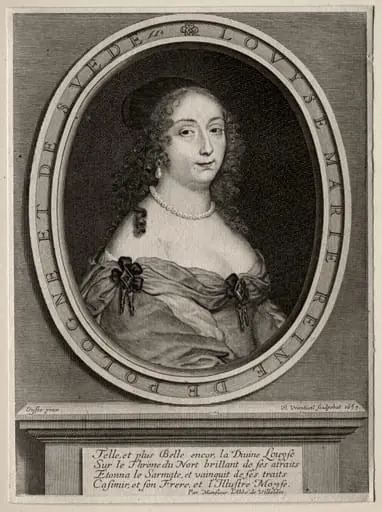 Marie Louise de Gonzague, Reine de Pologne
 Marguerite Lemon
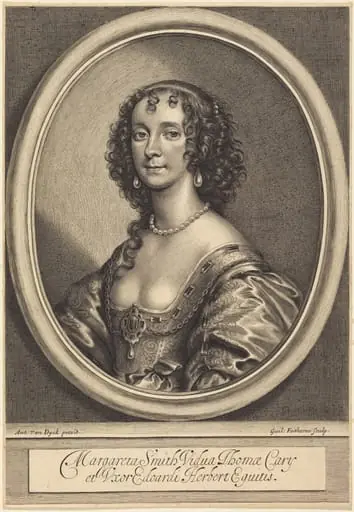 Margaret Smith
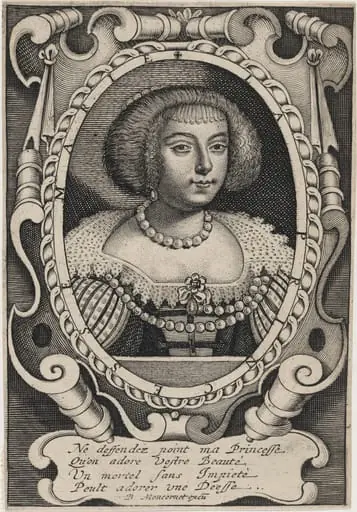 Henrietta Maria, Queen of Charles I
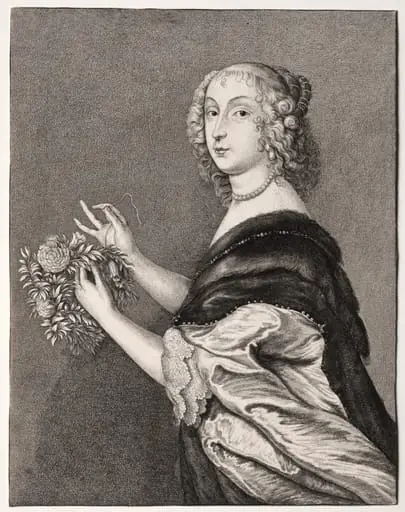 Cecilia, Lady Killigrew
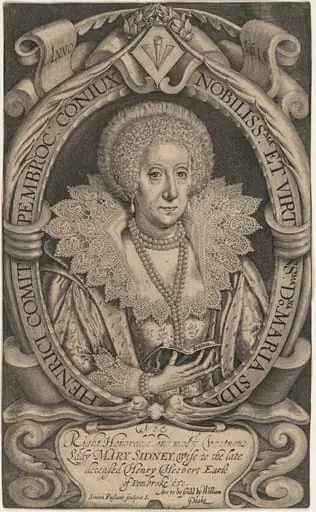 Mary Sidney, Countess of Pembroke
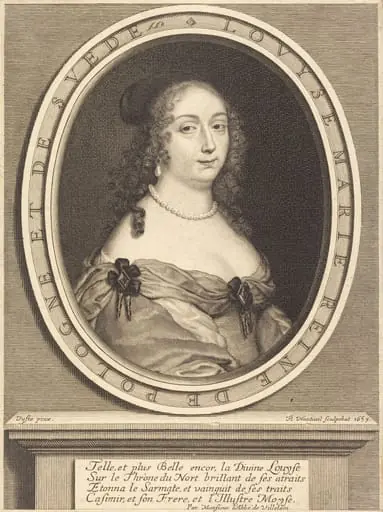 Louis-Marie, Queen of Poland
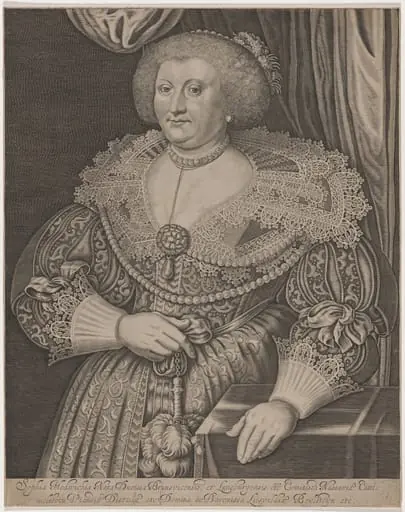 Sophia Hedwig, Duchess of Brunswick
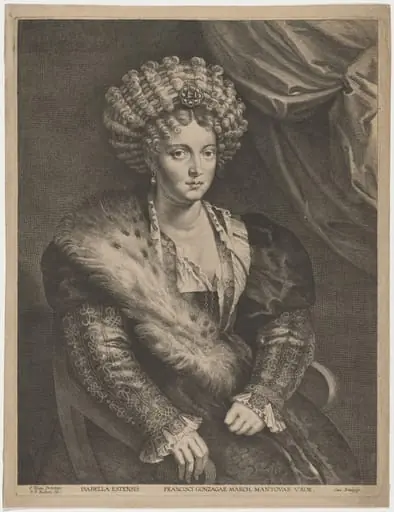 Isabella d'Este
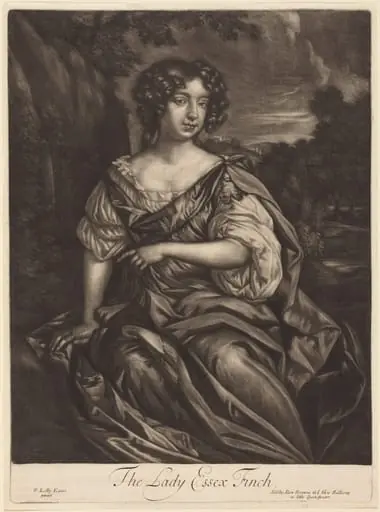 The Lady Essex Finch
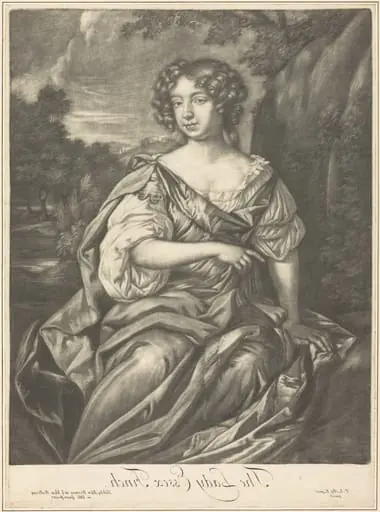 The Lady Essex Finch
 Elizabeth, Queen of Bohemia (?)