Artwork
Robert Devereux, Second Earl of Essex
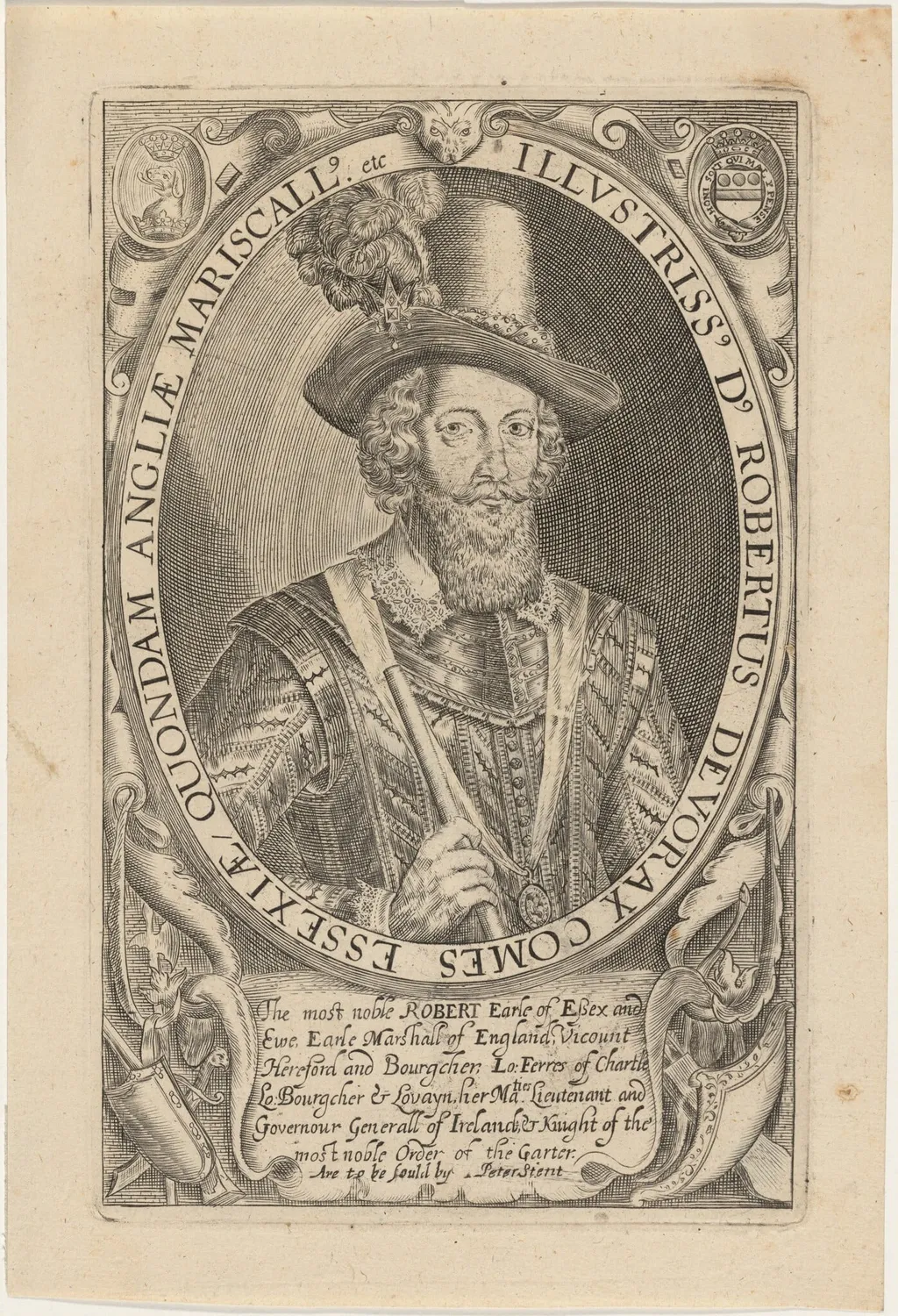
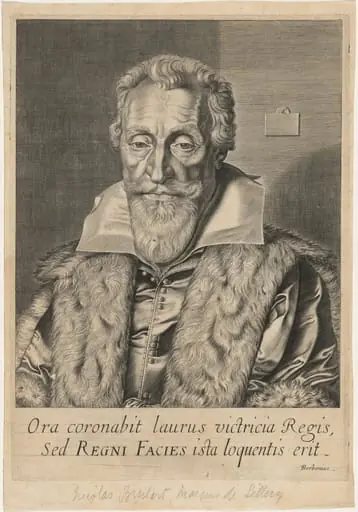
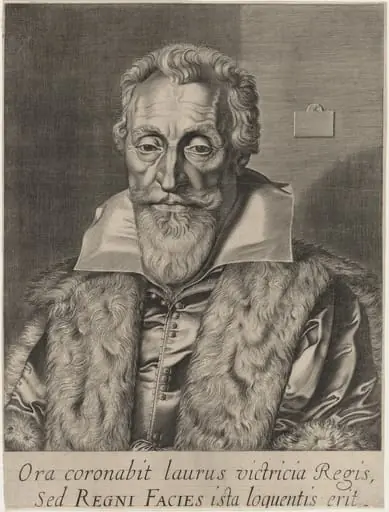
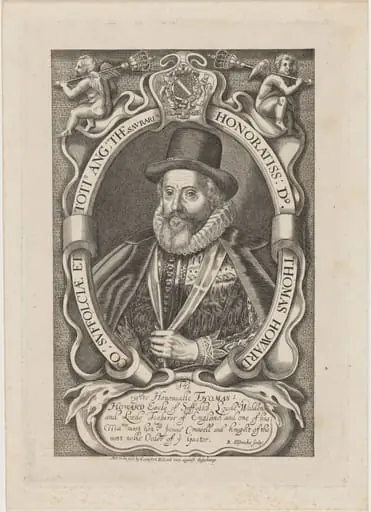
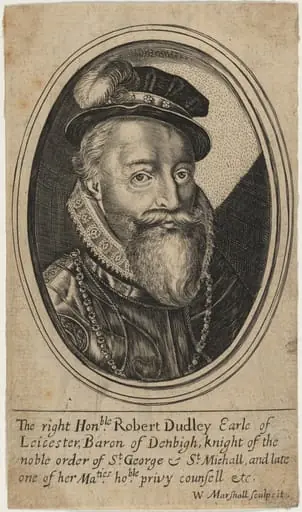
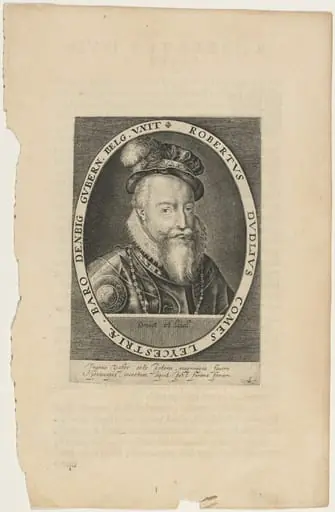
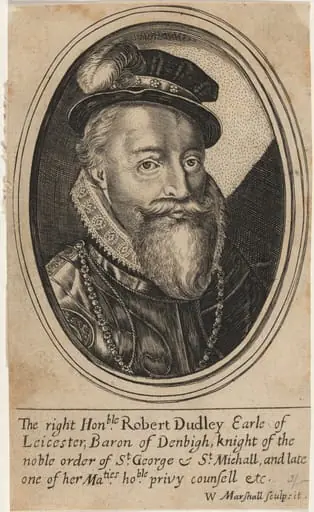
Robert Devereux, Second Earl of Essex is an ink print by the Romanticist artist Unknown 19th Century. It dates from 1850 and is held in the collection of the National Gallery of Art. This copperplate engraving portrays Robert Devereux, the second Earl of Essex, a prominent English nobleman of the late 16th century.
About this work
Overview
Rendered in black and white, the image presents Devereux in formal attire, his face marked by a determined expression, a full beard, and curly hair.
This copperplate engraving portrays Robert Devereux, the second Earl of Essex, a prominent English nobleman of the late 16th century. Rendered in black and white, the image presents Devereux in formal attire, his face marked by a determined expression, a full beard, and curly hair. The surrounding inscription enumerates his titles, including Earl of Essex and Marshal of England, underscoring his high rank.
Subject & Meaning
The portrait emphasizes Devereux’s authority and martial status through his dignified pose and the inclusion of a scroll, a symbol of official duties or correspondence. The solemn facial features and sharp line work convey a sense of resolve, reflecting the political and military responsibilities he held during the reign of Elizabeth I.
Technique & Style
Executed with fine, cross‑hatching and delicate shading, the engraving achieves depth in the subject’s facial planes and the folds of his heavy coat. The artist’s control of line weight creates contrast between the illuminated areas of the hat’s feathers and the darker shadows of the garment, a typical approach in late‑Renaissance portrait prints.
History & Provenance
The print originates from the period when portrait engravings served as a means of disseminating the likenesses of notable figures across England and abroad. Though the specific engraver is not recorded, such works were often produced in the workshop of a court artist and circulated among the aristocracy and diplomatic circles.
Context
Robert Devereux rose to prominence as a favorite of Queen Elizabeth I, later leading military campaigns in Ireland and France. His eventual fall from grace and execution in 1601 made his image a subject of both admiration and caution, reflecting the volatile nature of courtly favor in the Elizabethan era.
Artist & collection

Artist